Planned Replacements for High-Wear Site Gear
Stock replenishment is for teams that cannot afford to wait until a pouch fails on site. Builders, electricians and foremen often replace gear in waves, because one torn pouch or a stretched belt can slow a whole crew down. Our plans are set up so you receive the right items before small losses turn into downtime.
On busy sites pouches get torn, zips snag and belt loops work loose over time. Coastal humidity around Durban can affect stitching and metal fittings, while dust and heat in Gauteng can wear the lining quicker than expected, so the reorder cycle needs to match real working conditions.
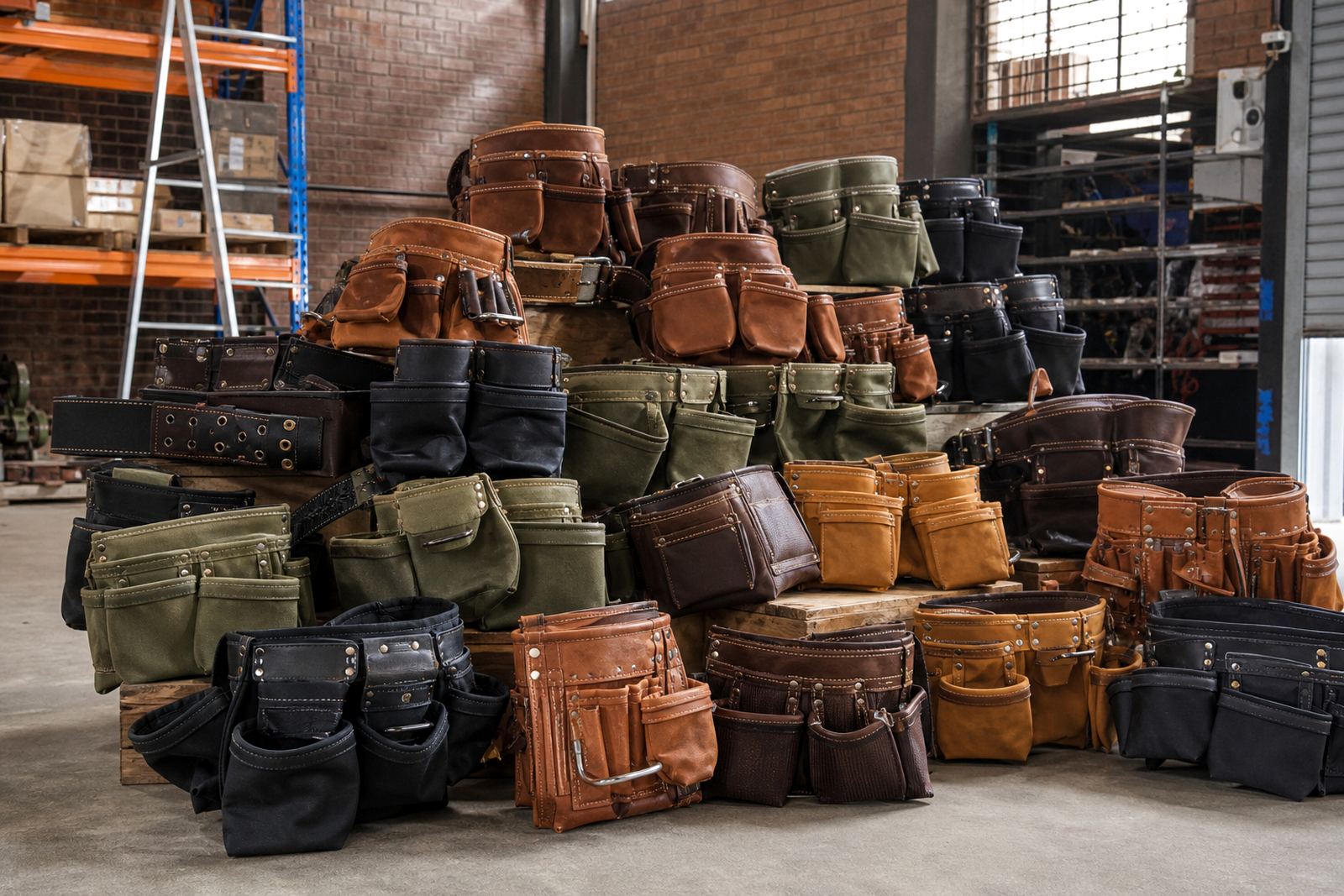
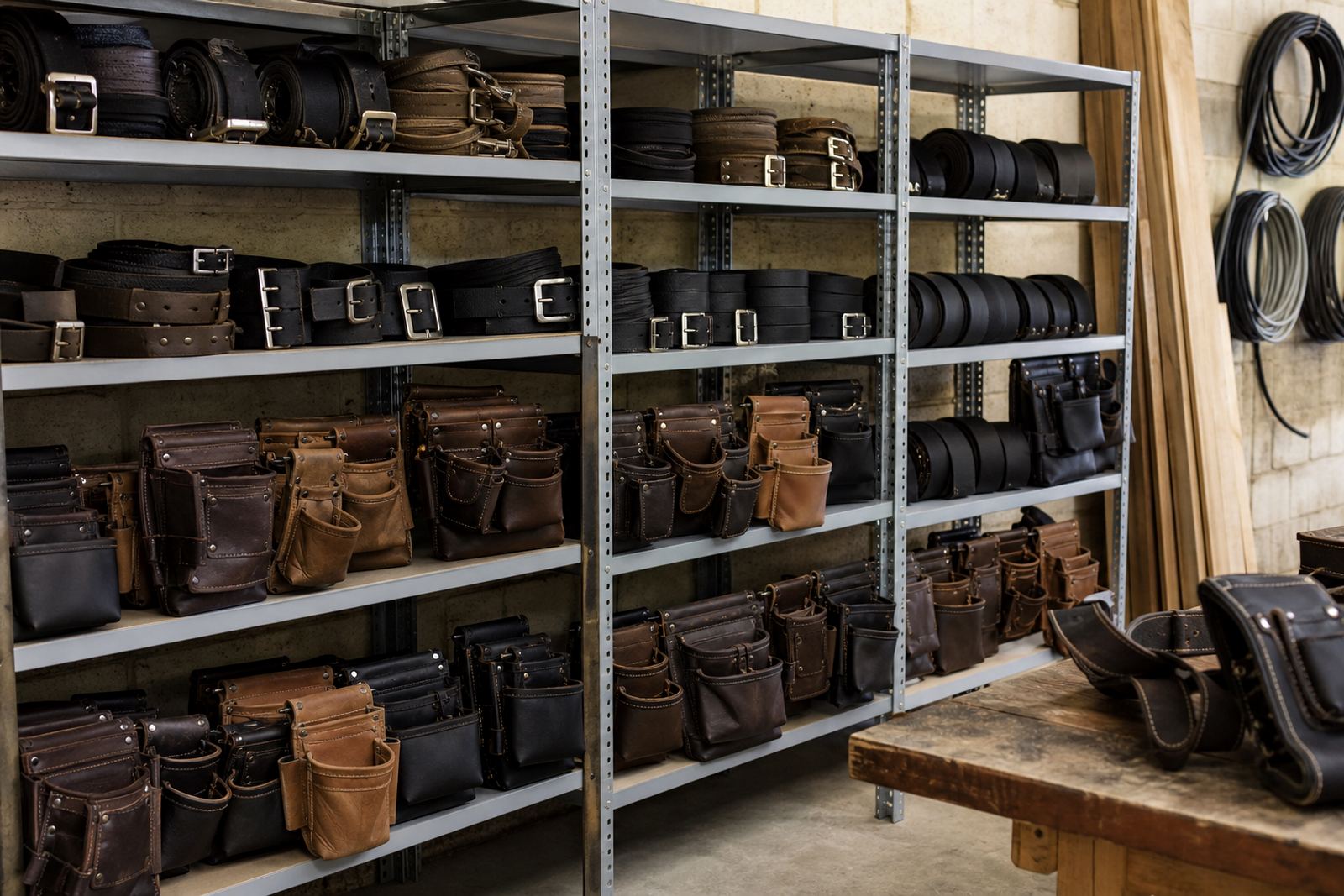
- Replacement tool pouches for worn or damaged units
- Nail bags for framing, fixing and general site use
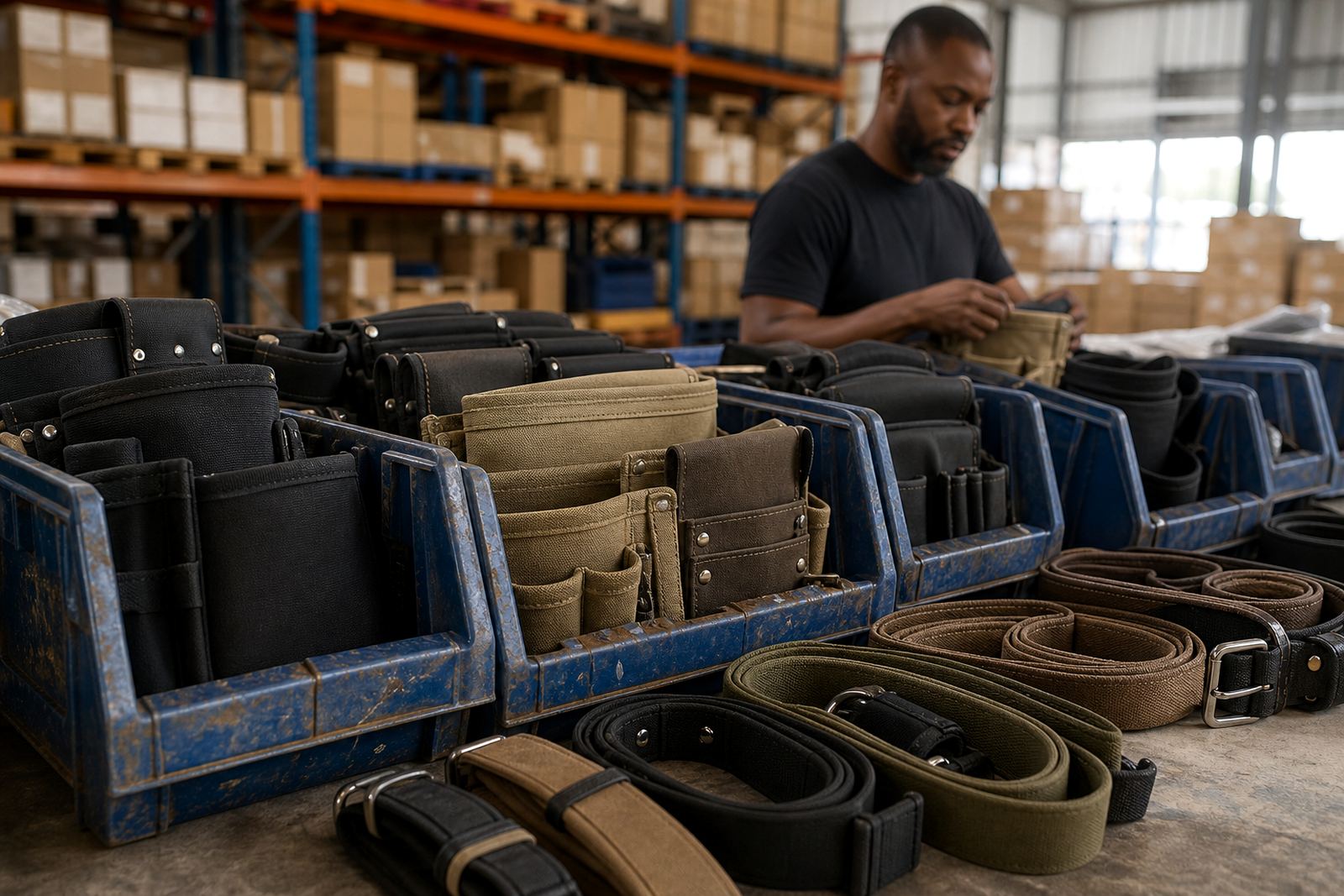
- Utility waist belts in matched sizes for your team
- Mixed replacement packs for different trades on one site
What the Replenishment Plan Includes
Each plan is built around the gear your crew already uses, so the next order fits the same way and works with the same layout. We record the pouch style, belt width, pocket arrangement and size range, then line up your resupply schedule for future batches.
This helps contractors keep one standard across different sites in Johannesburg, Pretoria, Midrand, Centurion, Cape Town, Polokwane and Durban. It also makes it easier to order after a project starts, instead of trying to match old stock under pressure.
- Item matching by trade and site use
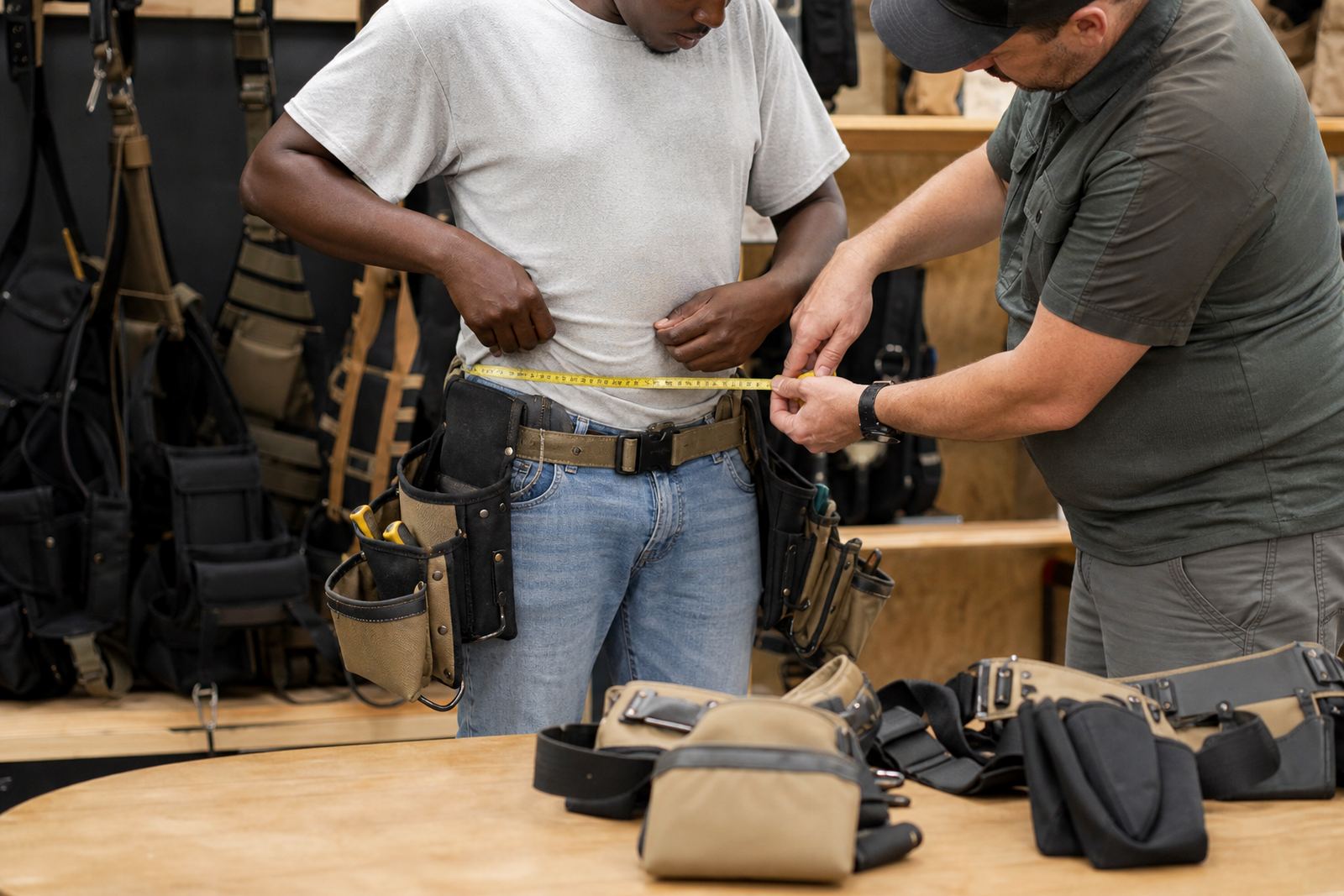
- Size matching for belt lengths and waist fit
- Layout notes for left-hand or right-hand tool carry
- Support for bulk team orders and phased rollouts
How We Set the Reorder Cycle
We start by looking at your crew size, the type of work, and how often gear is being used. A small maintenance team may only need a quarterly top-up, while a larger contractor with active sites may need monthly checks and faster replenishment for consumables and worn pouches.
Typical intervals are set after the first supply round, once we can see what gets used fastest. If a project has long shifts, rough access routes or wet conditions, we may recommend shorter intervals and a spare buffer stock. That keeps the site moving even when a pouch is lost or a belt snaps.
- First supply review after the initial order
- Monthly, bi-monthly or quarterly reorder planning
- Buffer stock options for larger teams
- Adjustments for project duration and site conditions
Turnaround and Delivery Planning
For stocked items, turnaround is kept practical and clear. Once your replenishment list is confirmed, we pick, check and prepare the order for dispatch as quickly as possible. Delivery planning is handled according to the destination and the size of the order, whether it is going to a depot in Alberton or to an active site in Cape Town or Polokwane.
Where a contractor needs repeat supply, we can align dispatch dates with project milestones so there is less risk of running short. If the order is for multiple branches or sites, the replenishment can be split to suit your receiving points. That helps avoid delays when one site is full and another still needs stock.
- Fast dispatch for stocked replenishment lines
- Split deliveries for multi-site contractors
- Delivery planning for branch and project receiving points
- Order staging for repeat site rollouts
Pricing Approach for Ongoing Supply
Pricing depends on the items being replaced, the quantity per round and the way the schedule is set up. Bulk replenishment usually gives better value than one-off emergency buying, because the order can be planned with consistent quantities and fewer last-minute changes. We keep the pricing structure simple so contractors know what to expect before each round.
For ongoing supply, the best approach is to set a baseline package, then add variations for different teams where needed. Electrical crews may need different pouch layouts to builders, and mixed trade sites often need separate counts for each group. This keeps the cost tied to actual use, not guesswork.
- Bulk pricing for planned replacement quantities
- Separate counts for builders and electrical teams
- Quoted replenishment rounds based on confirmed need
- Options for starter stock plus scheduled top-ups
Maintenance Checks and Replacement Indicators
Replenishment works best when the gear is checked before it fails. We recommend a simple inspection at set intervals so worn stitching, cracked belt holes, bent clips and damaged pocket seams are picked up early. This makes it easier to replace the right items before they cause a delay or get lost on site.
For many contractors, the right maintenance rhythm is tied to project stages. A new build may need a check after the first month, then again after major handover activity. On smaller service contracts, a quick monthly count is often enough. If you notice fading, fraying or a pouch that no longer holds shape, it is usually time to reorder.
- Check stitching, belt holes and pocket seams
- Inspect clips, loops and fastening points
- Replace items before failure at handover or peak work periods
- Use site counts to keep spare stock accurate
How Contractors Get Started
Getting started is straightforward. Send through your current gear list, the number of workers, the towns or sites you supply, and any belt size or pouch layout preferences. From there we prepare a replenishment plan that matches the way your crew actually works, not a generic order sheet.
We support contractors from Alberton, Johannesburg, Pretoria, Durban, Cape Town and Polokwane, with repeat supply options for branch teams and project sites. If your stock changes often, we can update the plan as staff numbers shift or project phases change, so the next order is ready when you need it.
- Share current counts and preferred sizes
- Confirm site locations and delivery points
- Set the reorder interval and buffer stock level
- Review and adjust as projects move forward
Key facts
| Service type | Scheduled stock replenishment for tool pouches, nail bags and utility waist belts |
|---|---|
| Primary users | Builders, electricians, contractors and site supervisors |
| Coverage | Alberton, Gauteng and nationwide supply across South Africa |
| Planning options | Monthly, bi-monthly, quarterly or project-based resupply |
| Order formats | Single site, multi-site, mixed trade and bulk team replenishment |
| Support areas | Belt size matching, layout planning, delivery planning and stock rollovers |