
Site Journal
Home / Journal

Site Journal

Our site journal shares practical information for builders, electricians and maintenance teams choosing better work gear. Topics focus on comfort, organisation, durability and everyday use on South African sites.

Why Tool Pouches Matter

Why Tool Pouches Matter

A look at how better carry systems improve speed, organisation and workflow on site.

Choosing Nail Bag Size

Choosing Nail Bag Size

How to select the right bag size for your fasteners, tasks and movement on site.

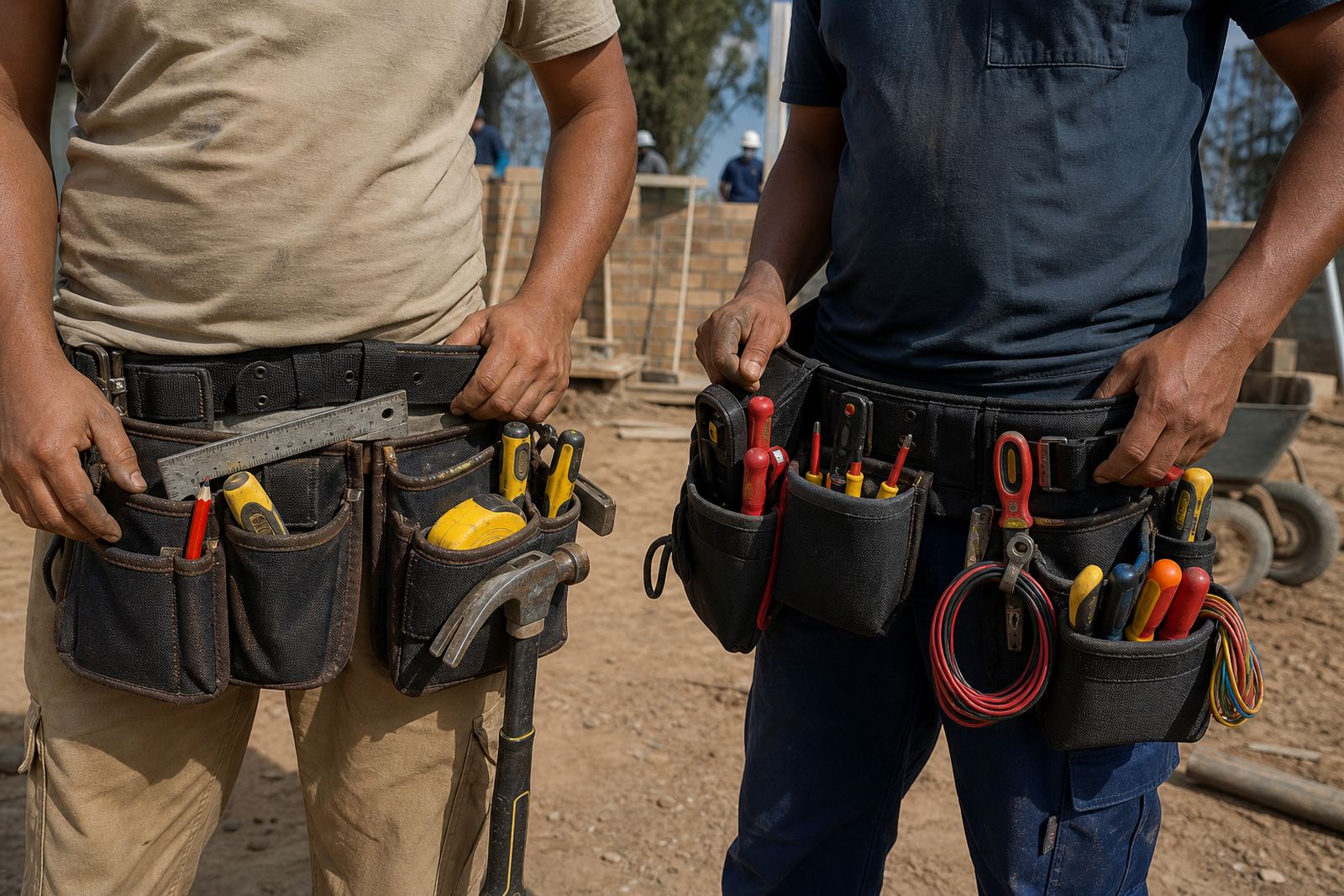
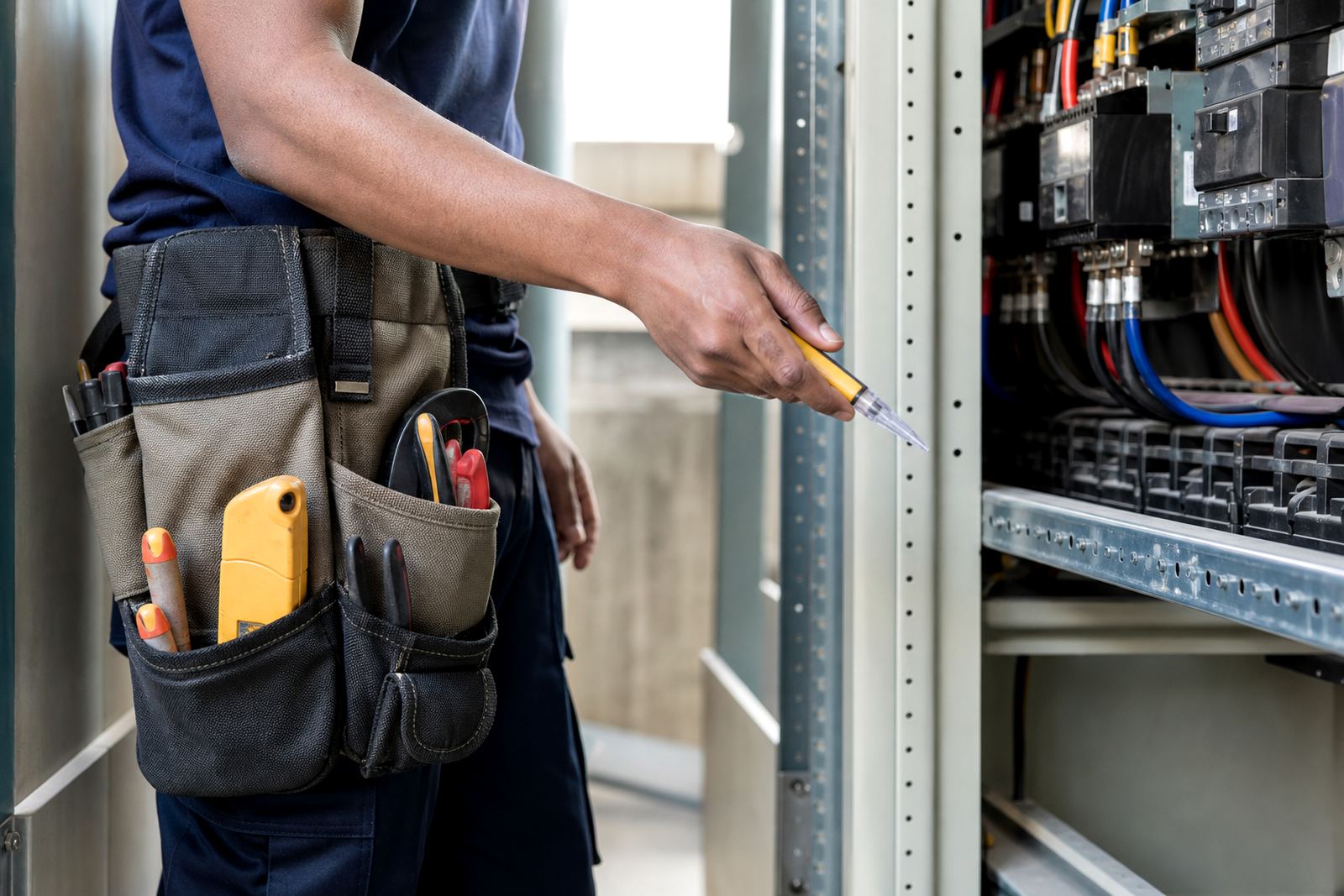
Builder Vs Electrician Pouches

Builder Vs Electrician Pouches

The key layout differences between builder-focused and electrician-focused waistbags.

Belt Comfort All Day

Belt Comfort All Day

Simple features that make a waist belt more comfortable during long shifts.

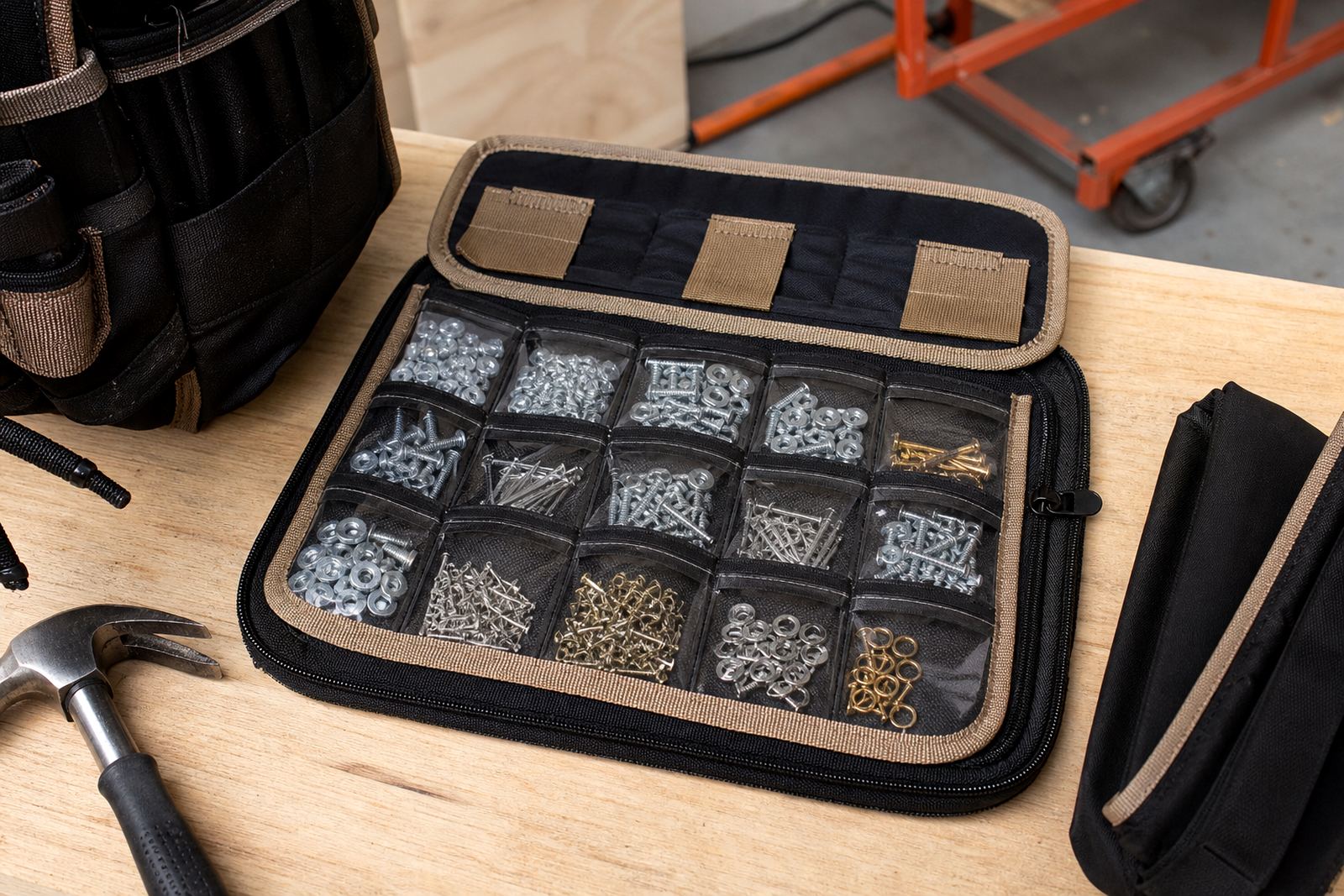
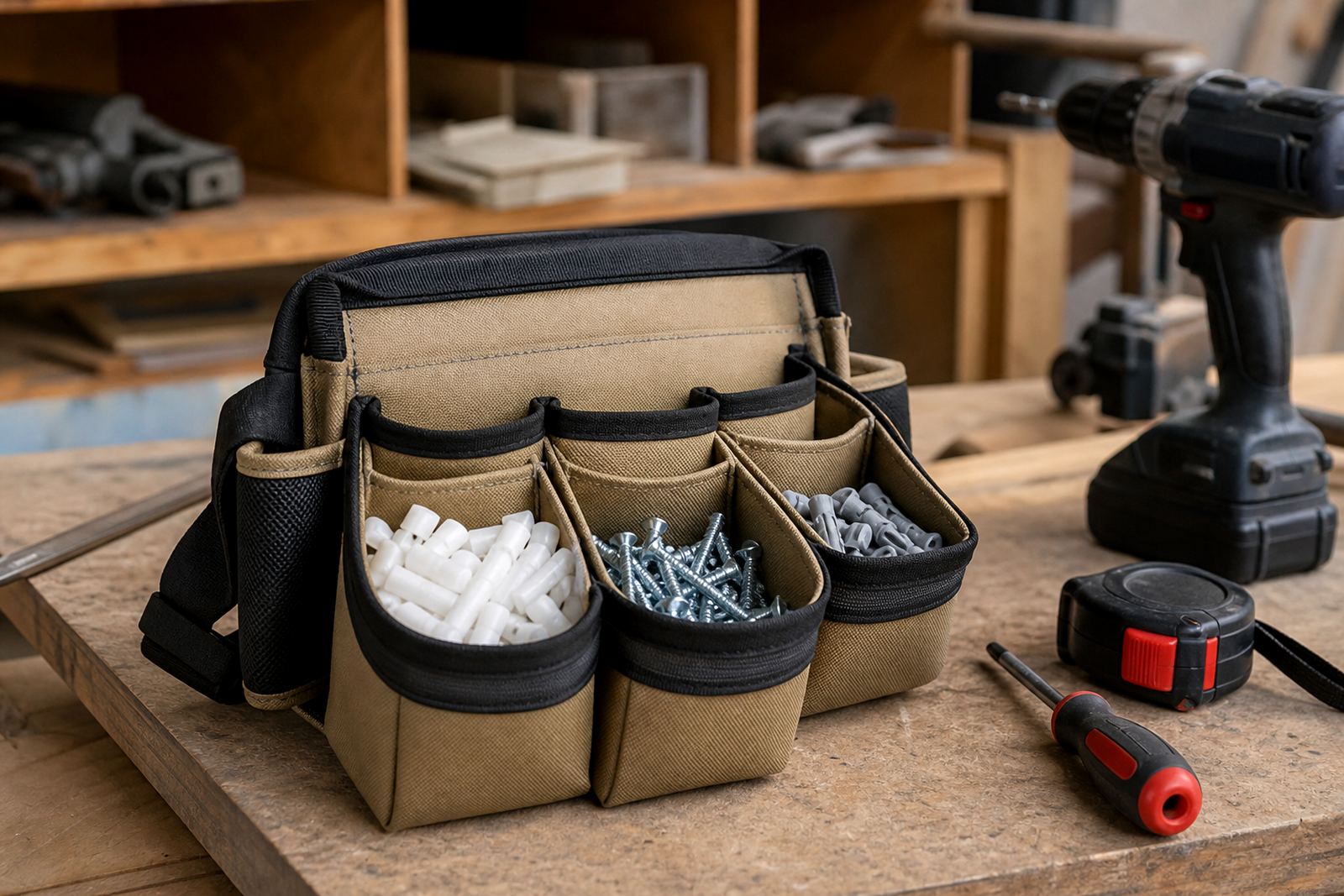
Organising Fasteners Better

Organising Fasteners Better

Ways to separate nails, screws and plugs to reduce delays and pocket clutter.

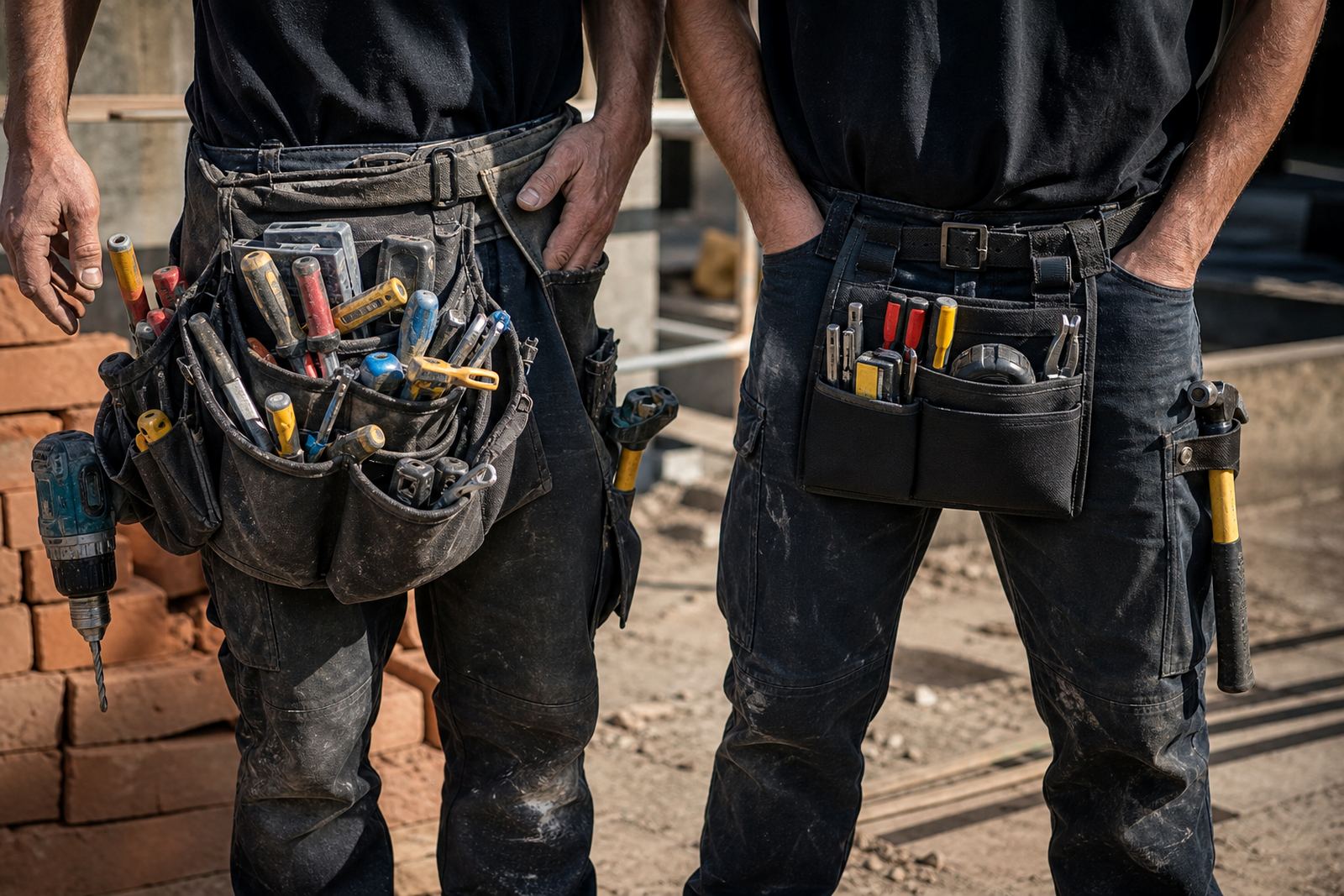
Common Pouch Overloading

Common Pouch Overloading

Why overloaded pouches slow work down and wear belts out faster.

Best Pouches For Fitouts

Best Pouches For Fitouts

Useful pouch features for teams moving between partitioning, services and finishing work.

Roof Work Carry Tips

Roof Work Carry Tips

Practical ideas for keeping essentials secure and accessible during roofing jobs.

Electrician Belt Essentials

Electrician Belt Essentials

Core items many electricians keep on hand for routine installations and upgrades.

Starter Belts For Apprentices

Starter Belts For Apprentices

What makes a good first belt setup for apprentices entering the trades.

Site Mobility And Belts

Site Mobility And Belts

How the right belt setup supports movement, climbing and quick task changes.

When To Use Compact Pouches

When To Use Compact Pouches

Jobs where smaller pouches outperform full rigs in comfort and speed.

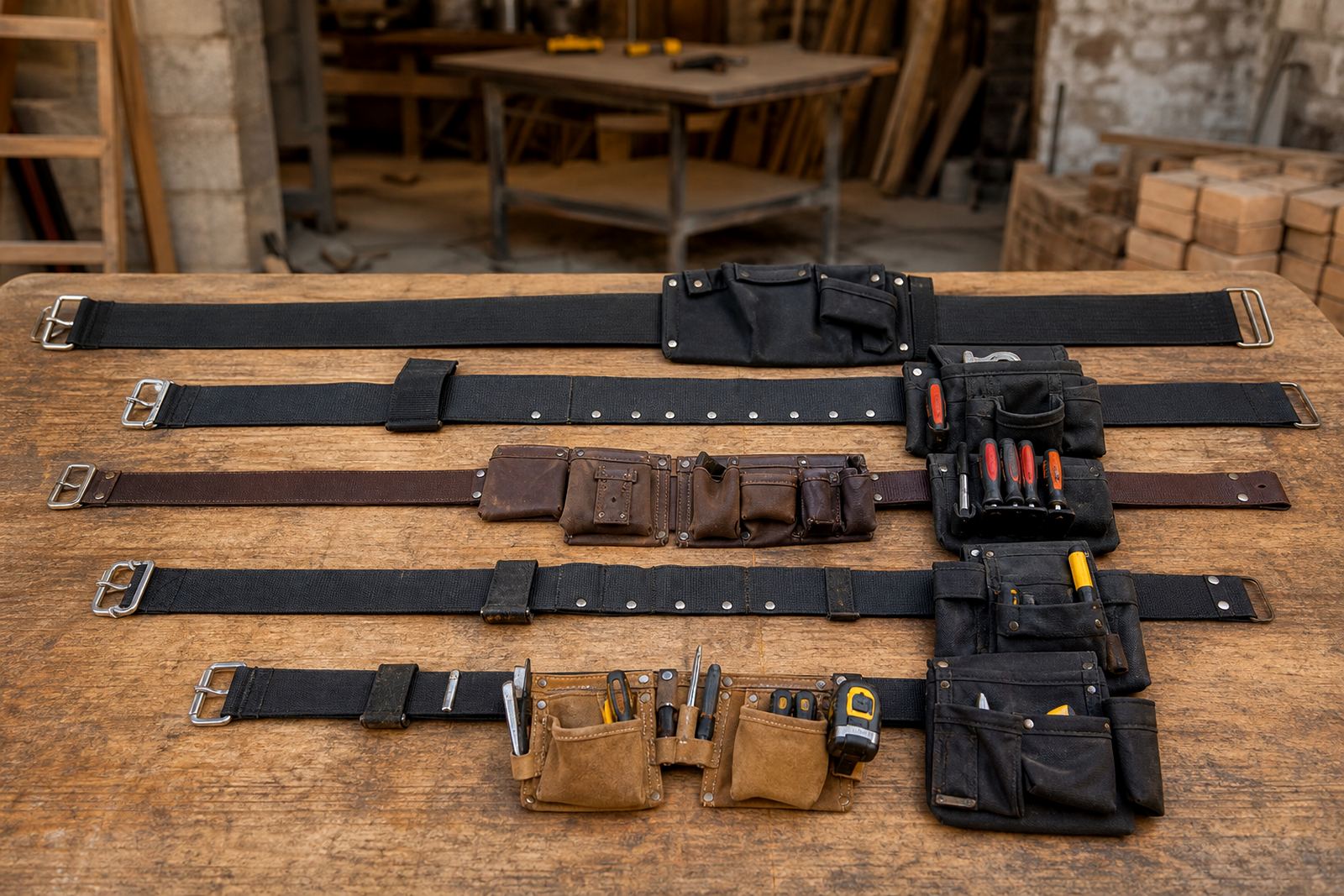
Heavy Duty Vs Light Duty

Heavy Duty Vs Light Duty

A practical comparison of lighter and tougher pouch options for different roles.

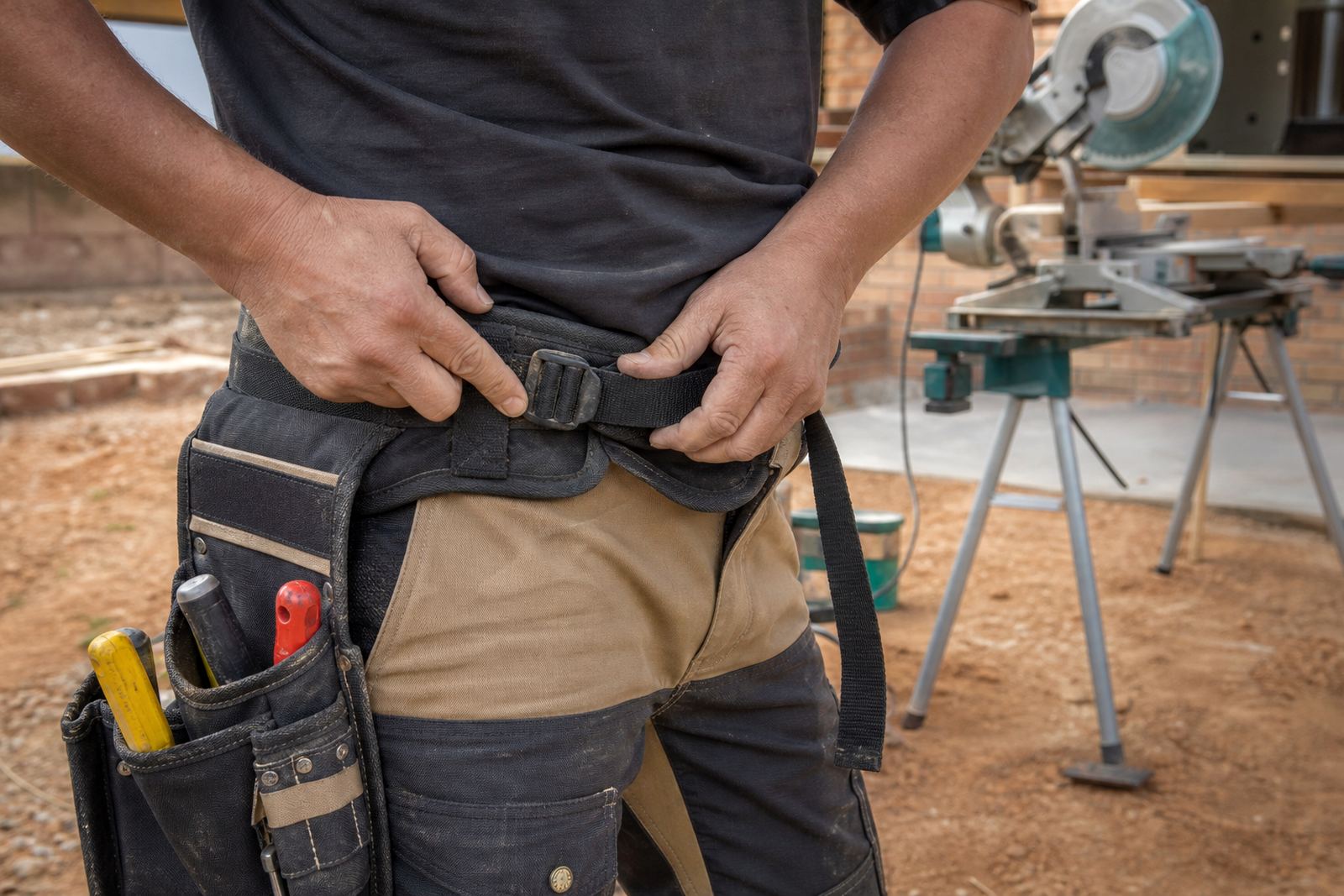
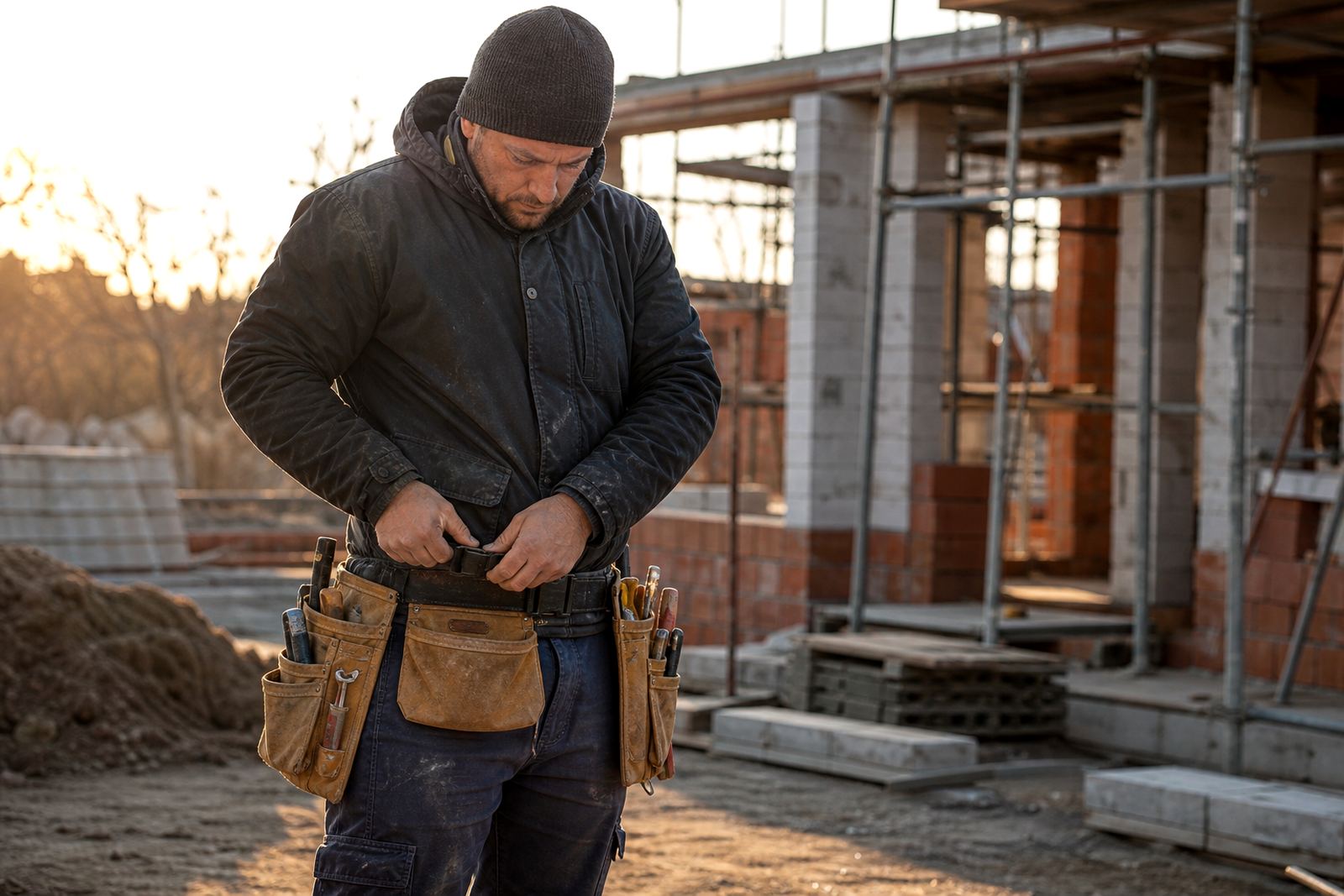
Belt Fitting Basics

Belt Fitting Basics

Correct fitting steps that improve comfort, balance and security while working.

Workshop Prep With Pouches

Workshop Prep With Pouches

How organised carry helps before tasks even begin at the workshop or van.

Reducing Tool Search Time

Reducing Tool Search Time

Smart pocket placement can cut down wasted motion and interruptions during work.

Pouch Care On Site

Pouch Care On Site

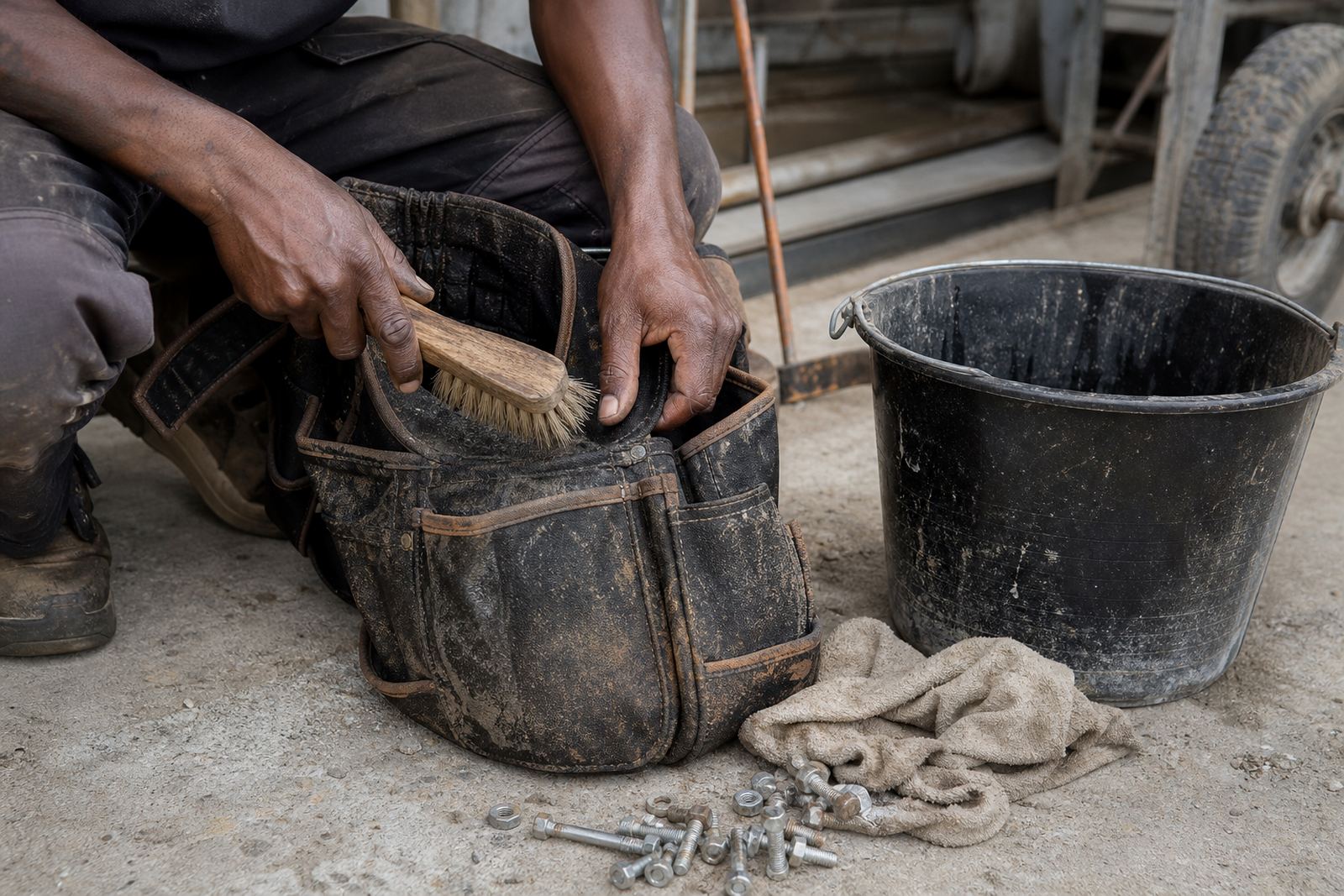
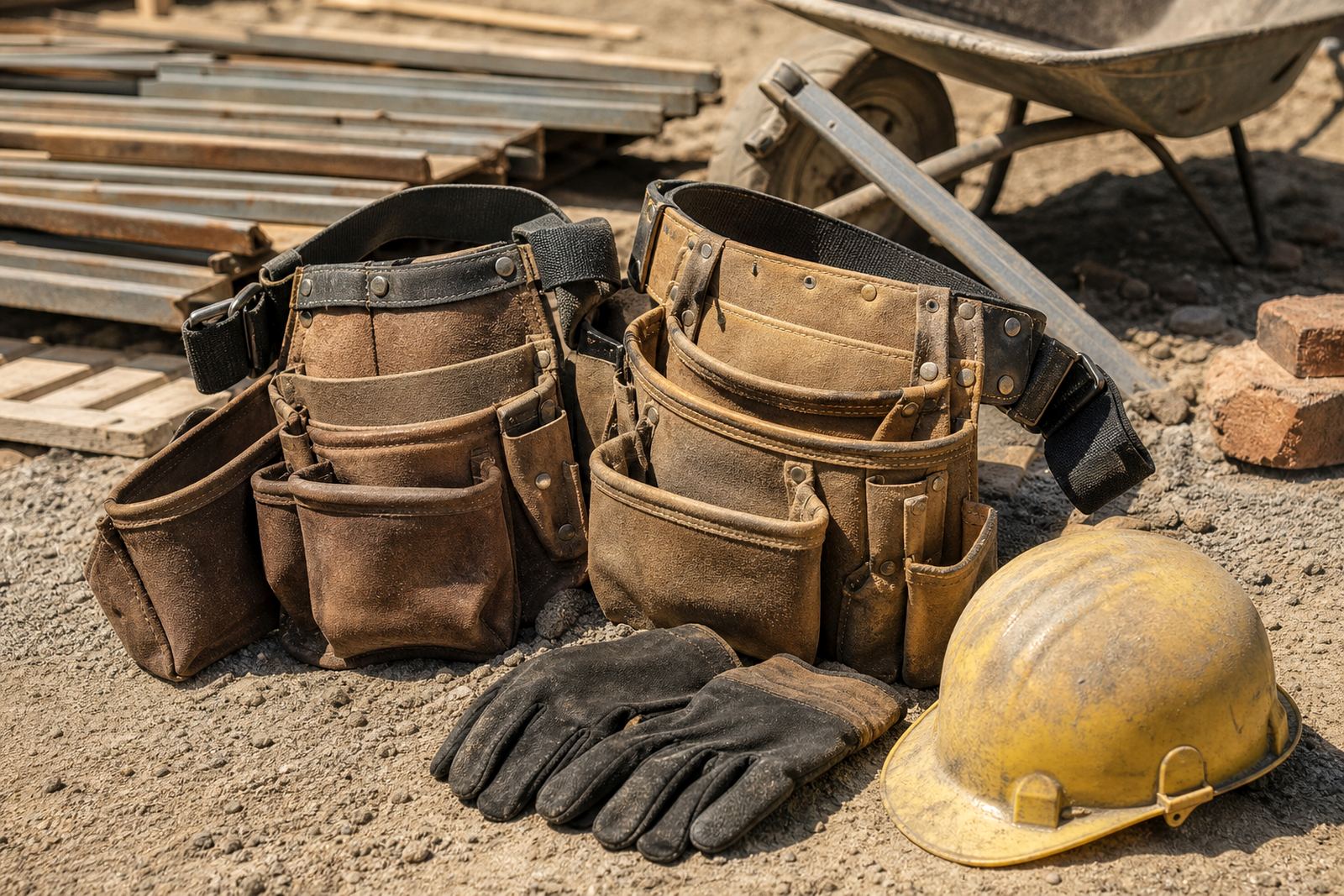
Basic care habits that help waistbags last longer in dusty, rough conditions.

Belt Balance Explained

Belt Balance Explained

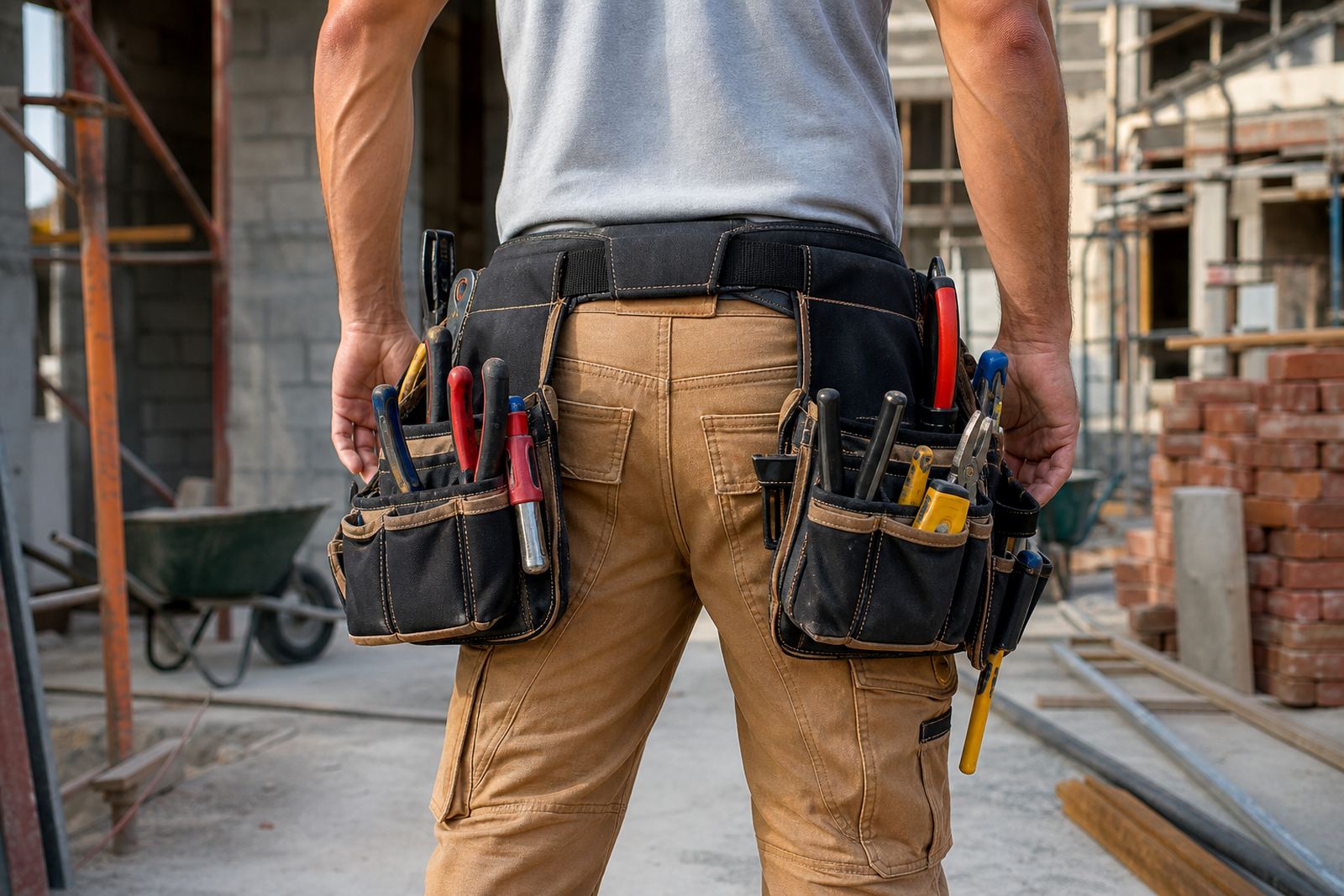
Why balanced loading matters for comfort, posture and easier access to tools.

Best Pouches For Builders

Best Pouches For Builders

A guide to useful pouch features for brickwork, framing and general building tasks.

Best Pouches For Maintenance

Best Pouches For Maintenance

What maintenance teams should prioritise when choosing compact everyday carry gear.

Van Stock And Belts

Van Stock And Belts

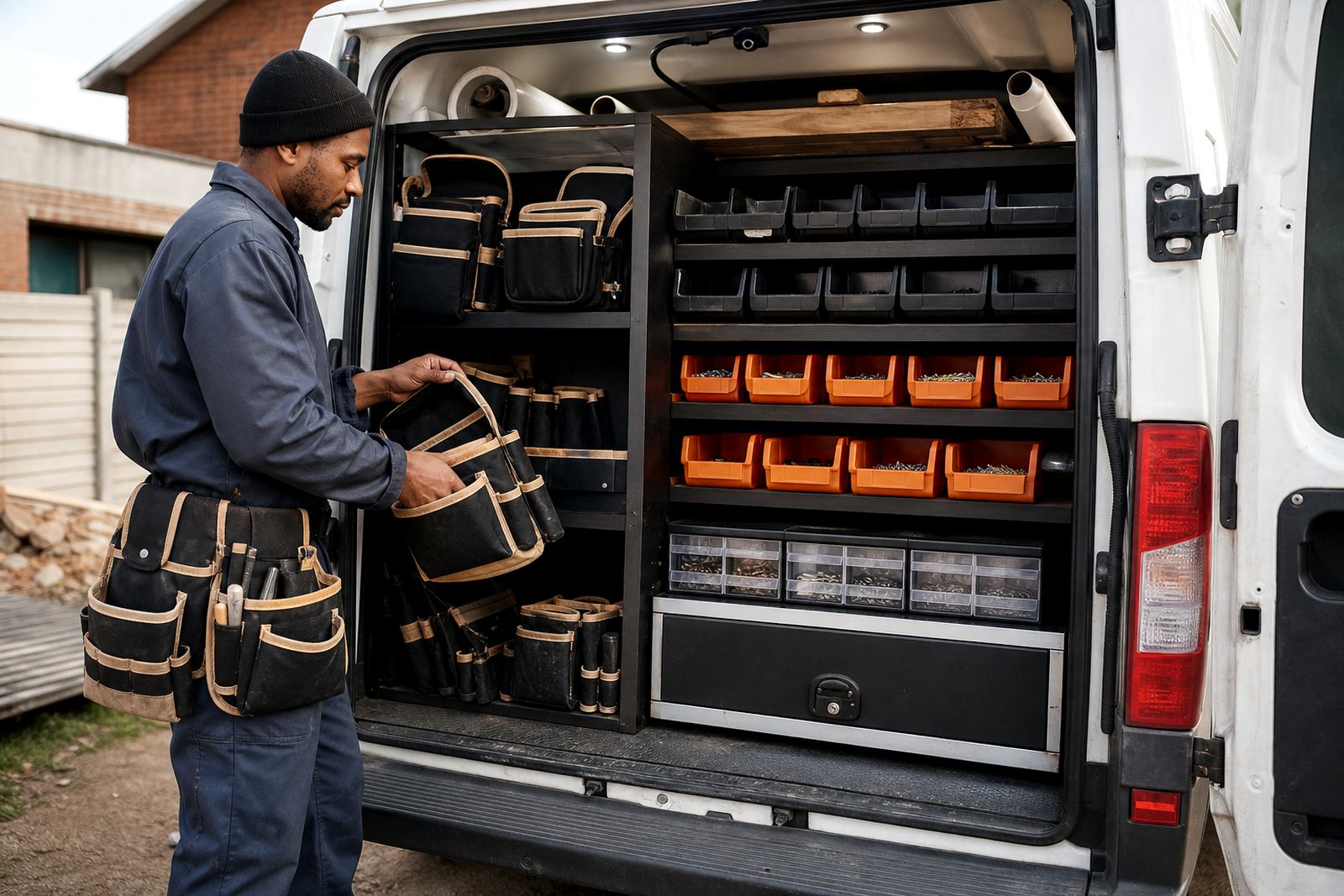
How carry gear works better when paired with a tidy vehicle stock system.

Weather And Material Choice

Weather And Material Choice

How site weather and conditions can influence pouch material preferences.

Using Divided Pockets

Using Divided Pockets

Why divided pockets help keep small hardware separate and easier to reach.

Keeping Testers Accessible

Keeping Testers Accessible

Placement ideas for electricians who need safe, quick access to testers.

Choosing Belt Width

Choosing Belt Width

A practical look at belt width, support and how it affects comfort.

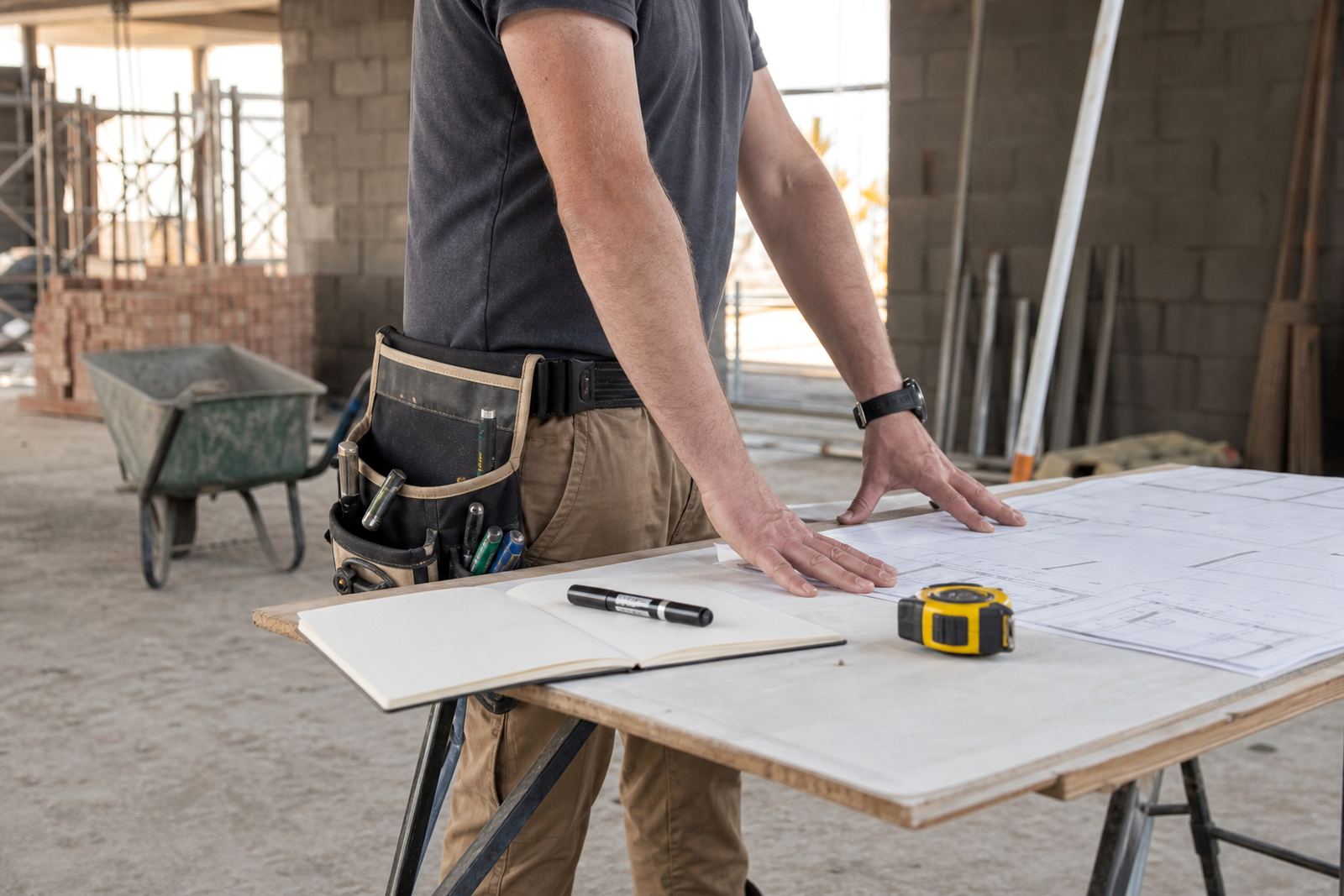
Supervisor Carry Needs

Supervisor Carry Needs

Simple carry setups that suit supervisors who need a few tools and notes.

Pouches For Tight Spaces

Pouches For Tight Spaces

Low-profile carry options for work in ceilings, shafts and crowded interiors.

Standardising Crew Kits

Standardising Crew Kits

Why contractors often choose shared pouch formats across teams and task groups.

Benefits Of Modular Pouches

Benefits Of Modular Pouches

How modular systems support changing tasks across different stages of a project.

Tool Carry For Renovations

Tool Carry For Renovations

Carry strategies for mixed-task renovation work where tools change room by room.

Faster Access On Ladders

Faster Access On Ladders

Ways to keep essential tools close during controlled ladder-based tasks.

Carrying Measuring Tools

Carrying Measuring Tools

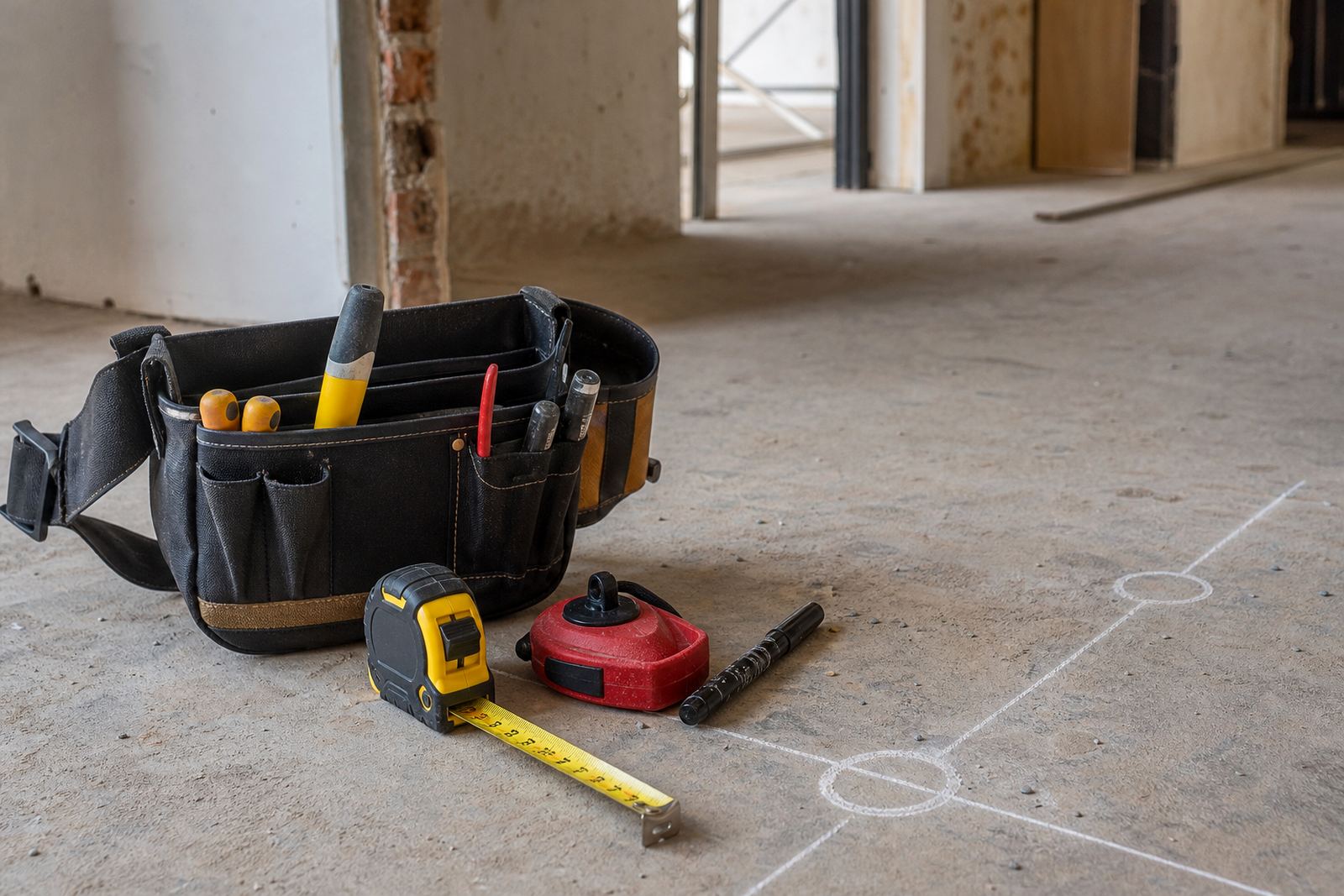
Useful pocket arrangements for tapes, markers, chalk lines and measuring accessories.

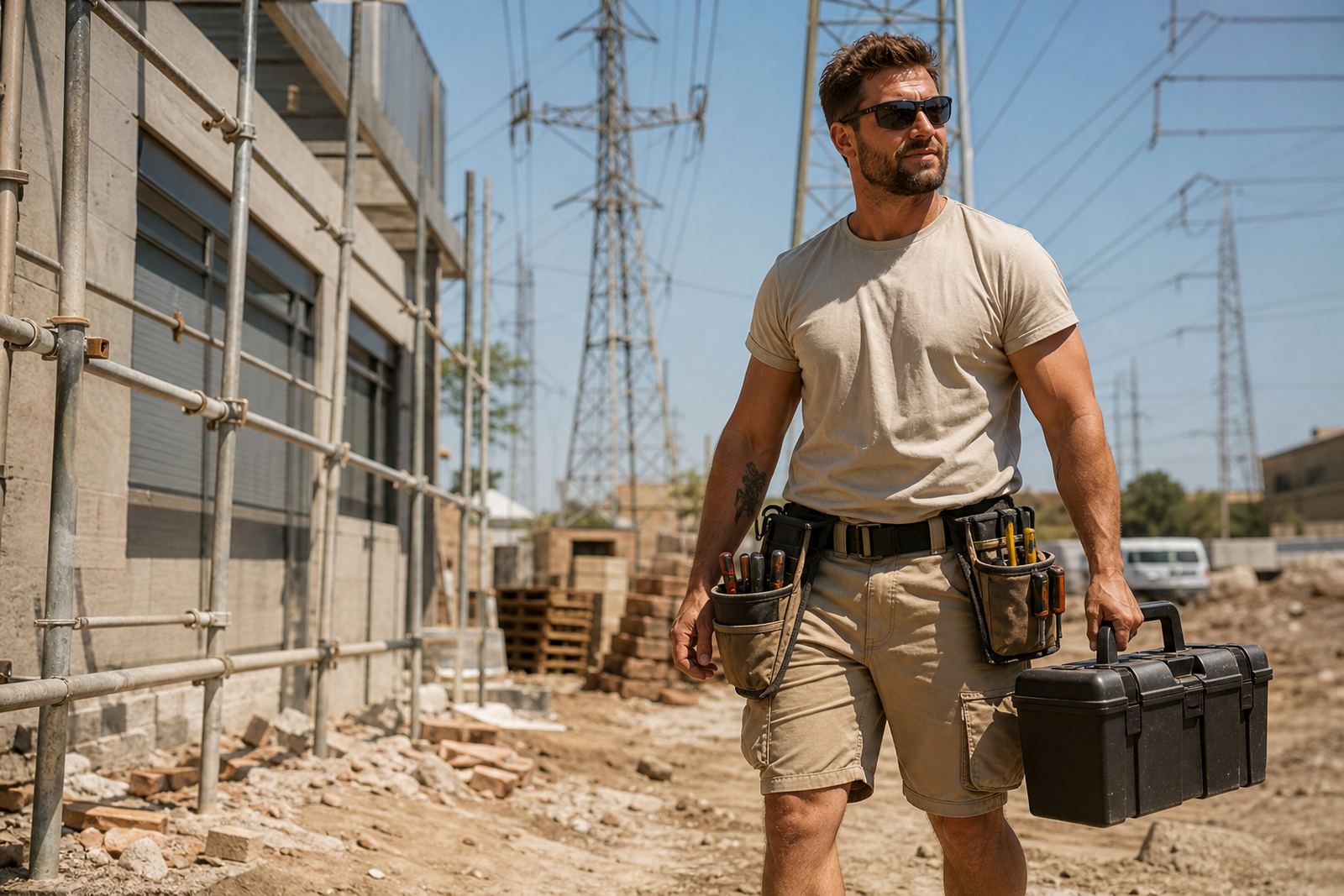
Trade Gear For Summer

Trade Gear For Summer

Comfort considerations for warmer working days and long outdoor shifts.

Trade Gear For Winter

Trade Gear For Winter

How layers and bulk clothing affect belt adjustment and pouch access in winter.

How to choose the right pouch for the job

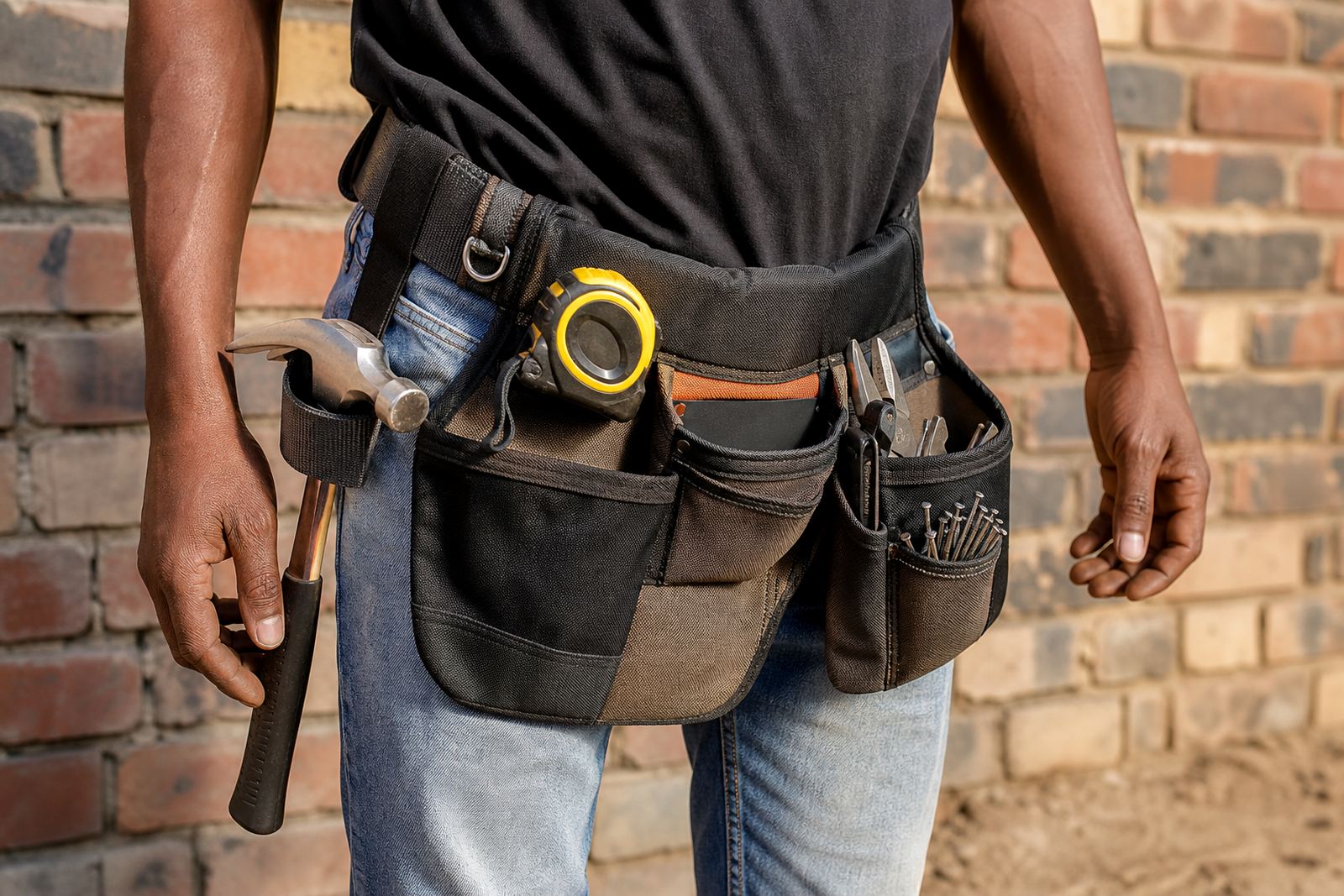
Different trades carry different loads, so the right pouch starts with what you use most often. A builder may need space for nails, a tape measure, pencil and fixing tools, while an electrician usually wants neat separation for cutters, drivers, testers and small fittings. Choosing the right layout saves time on site and keeps the essentials close at hand.

In Gauteng and along the coast, site conditions can change fast. Heat, dust and long shifts all affect comfort, so a pouch that sits well on the belt and does not swing around makes a real difference. Look at pocket depth, stitch lines, weight distribution and how easy it is to reach tools with one hand when the other is holding material or a ladder.

  • Match pocket size to the tools you carry most often
  • Check that the pouch stays secure when bending or climbing
  • Choose a belt that supports the full load without digging in
  • Keep separate pockets for sharp tools and loose fixings

Comfort matters on long shifts and hot days

A waist belt is worn for hours, sometimes from first callout to late afternoon tidy-up. If the belt cuts into the waist or the pouch hangs too low, fatigue builds quickly. A better fit helps your back and hips, especially when carrying a full set of tools across a site in Johannesburg, Pretoria or Midrand.

For teams working in coastal humidity or in and out of trucks all day, breathable support and balanced loading help reduce strain. It also helps to match the belt size properly before ordering in bulk, because a poor fit slows people down and can lead to re-issuing kit after the first week. Small details make a big differnce in daily use.

  • Check waist size with the full work layer on, not just a T-shirt
  • Test how the belt feels when loaded on both sides
  • Allow for movement, climbing and crouching
  • Confirm the fastening can be adjusted quickly on site

Building a practical kit for builders

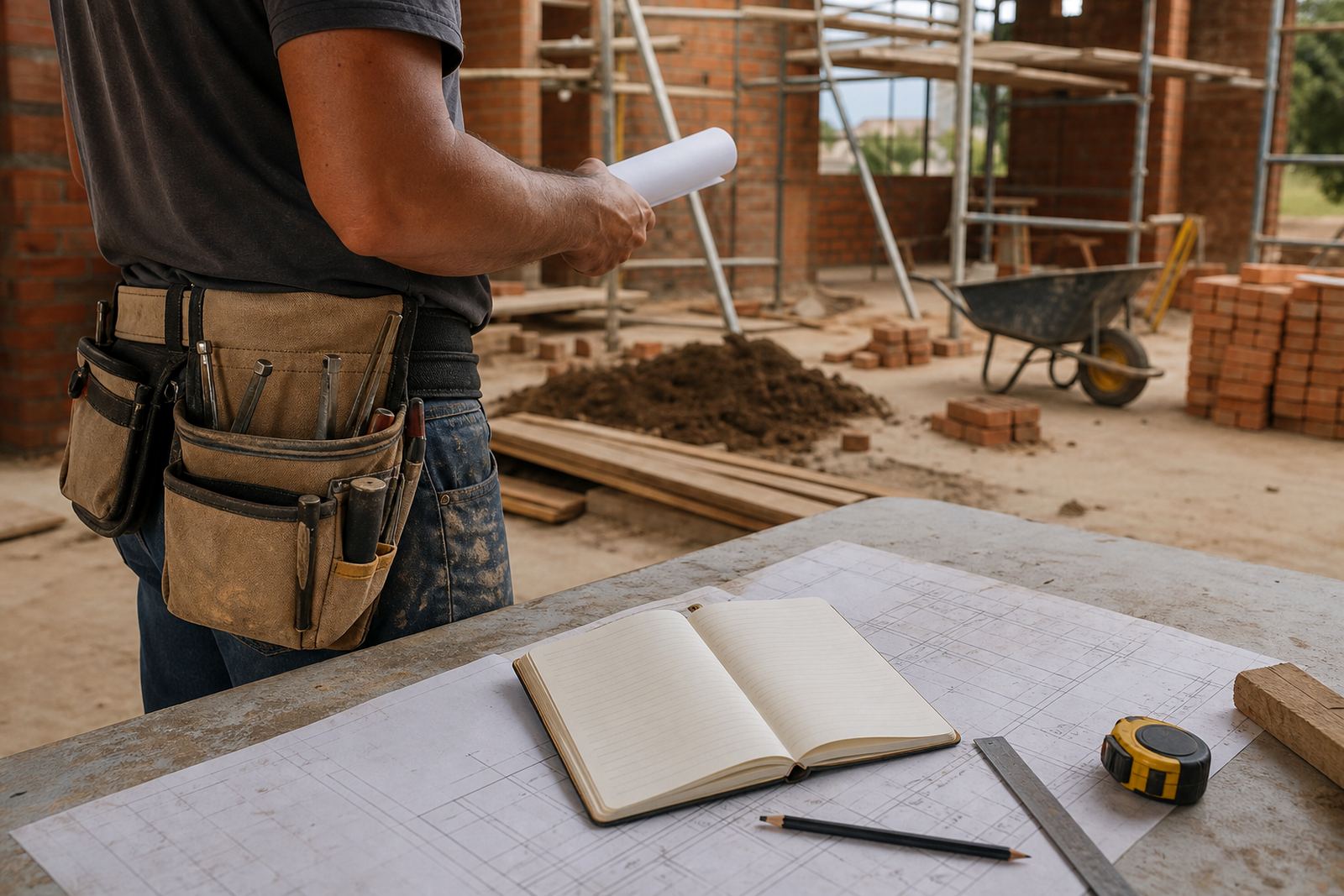
Builders often need a mixed setup that handles nails, screws, markers, measuring tools and small hand tools in one place. A well planned pouch layout helps the team stay organised when moving between formwork, finishes and snag lists. It also reduces lost time looking for fasteners or a pencil that has slipped to the bottom of a bucket.

For contractors managing multiple sites, starter kit builds and mixed trade kits can make ordering simpler. A good kit should suit the task list, the site conditions and the crew size, not just the stock available on the shelf. We also find that a clear layout helps new staff get productive sooner, especially on busy projects where organistion matters.

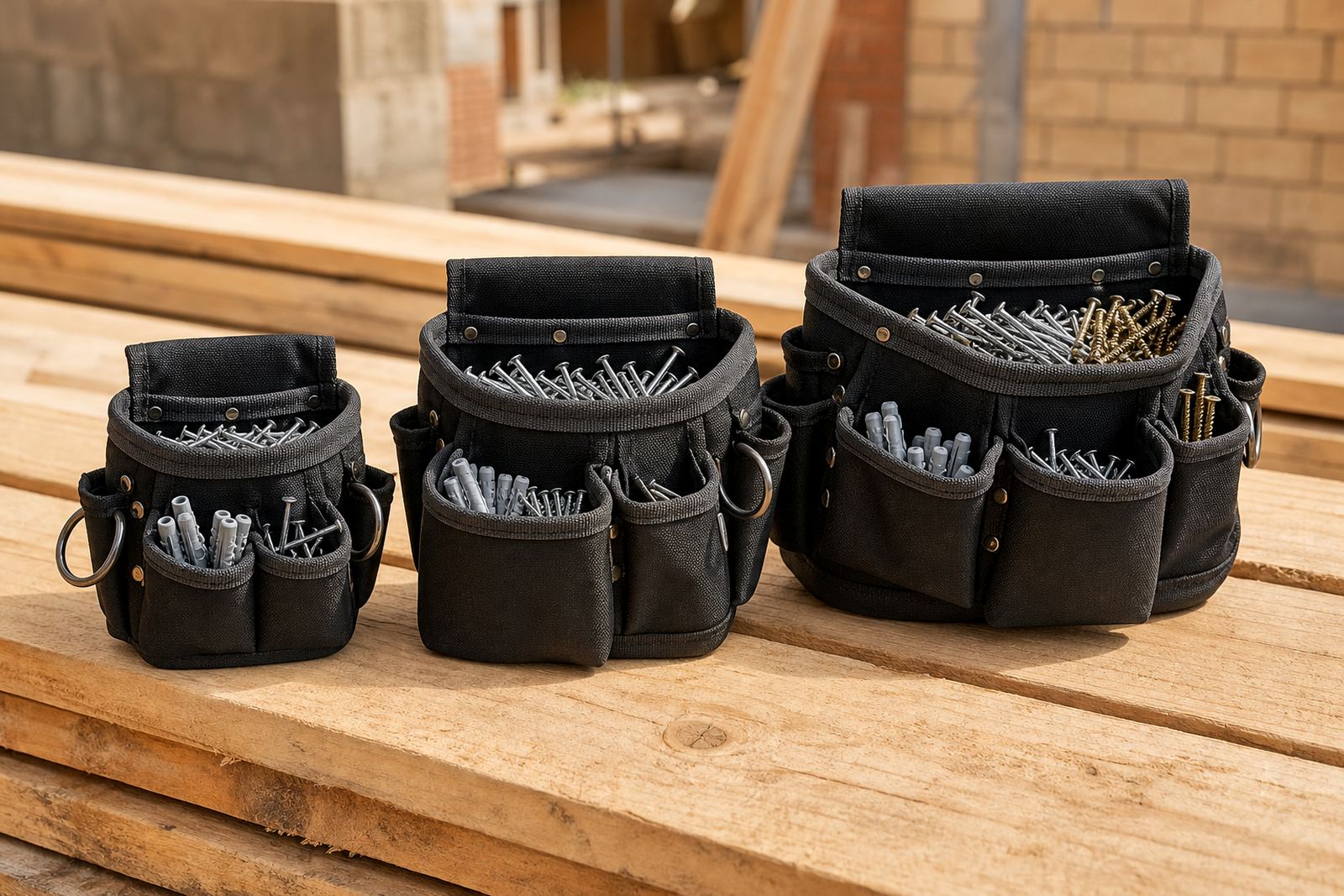
  • Nail bags work well for fasteners and small fixings
  • Deeper pockets suit larger tools and mark-up items
  • Wide belt loops help keep the load steady
  • Consider site rollout supply for teams joining in phases

Electrical kit layouts that keep tools sorted

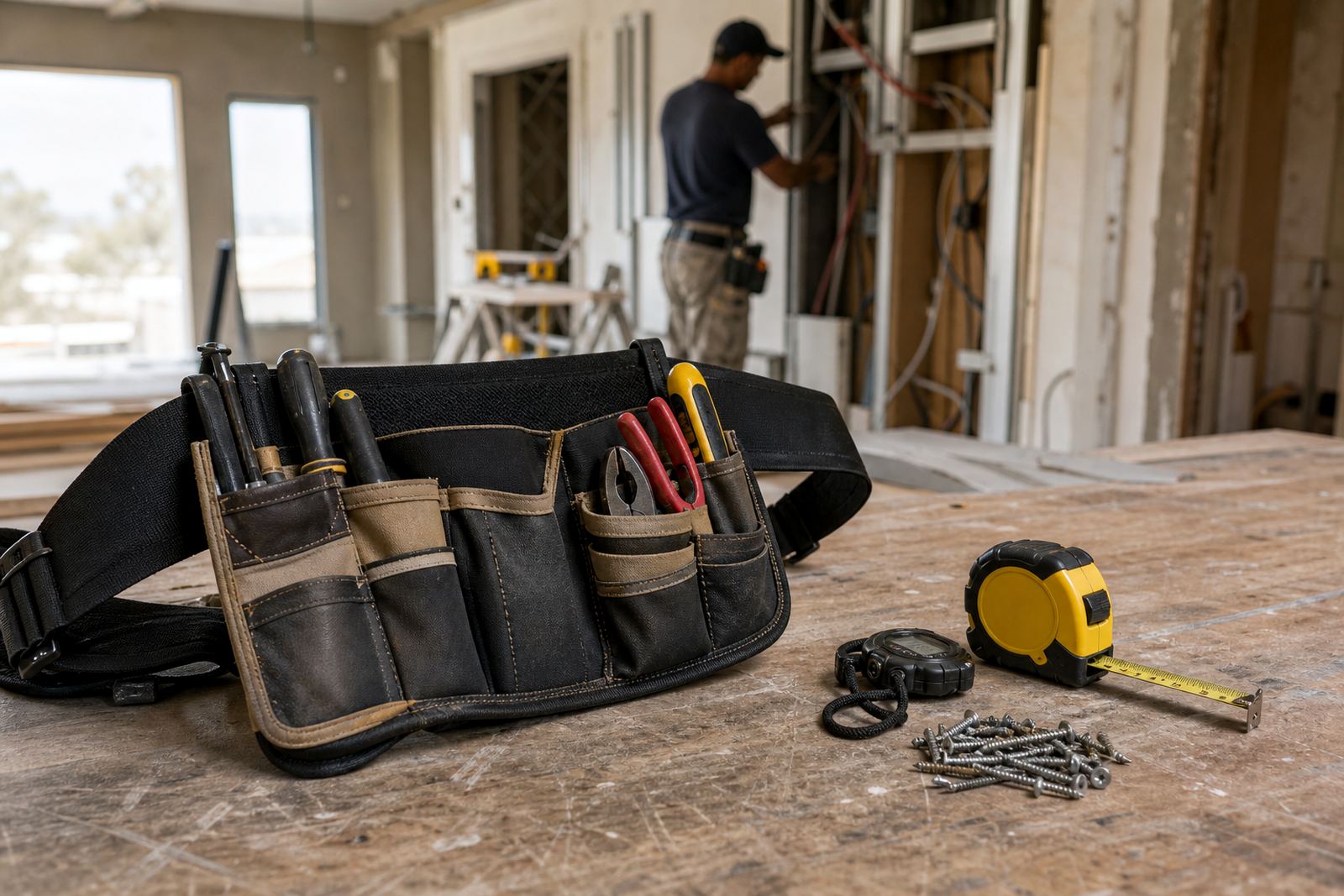
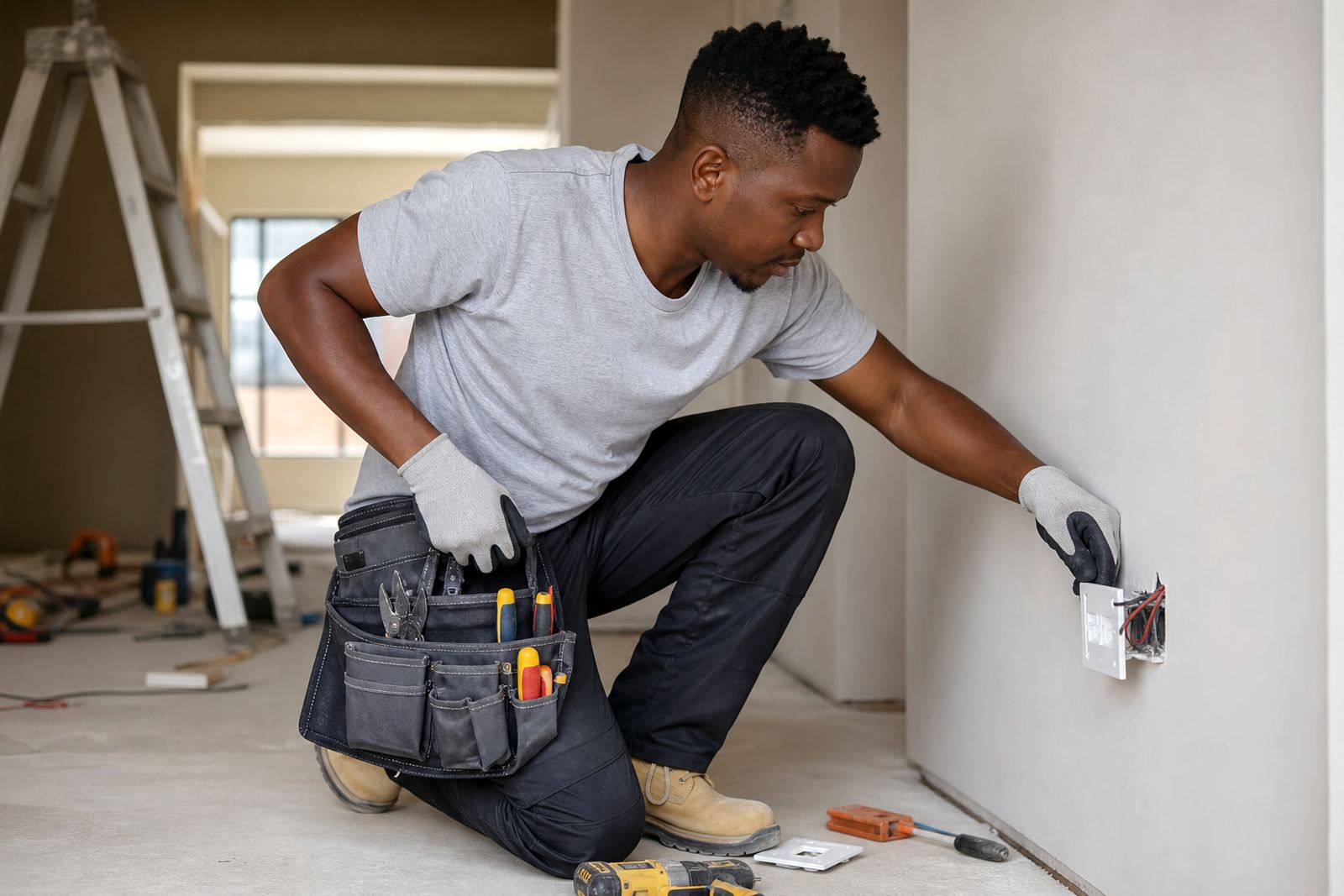
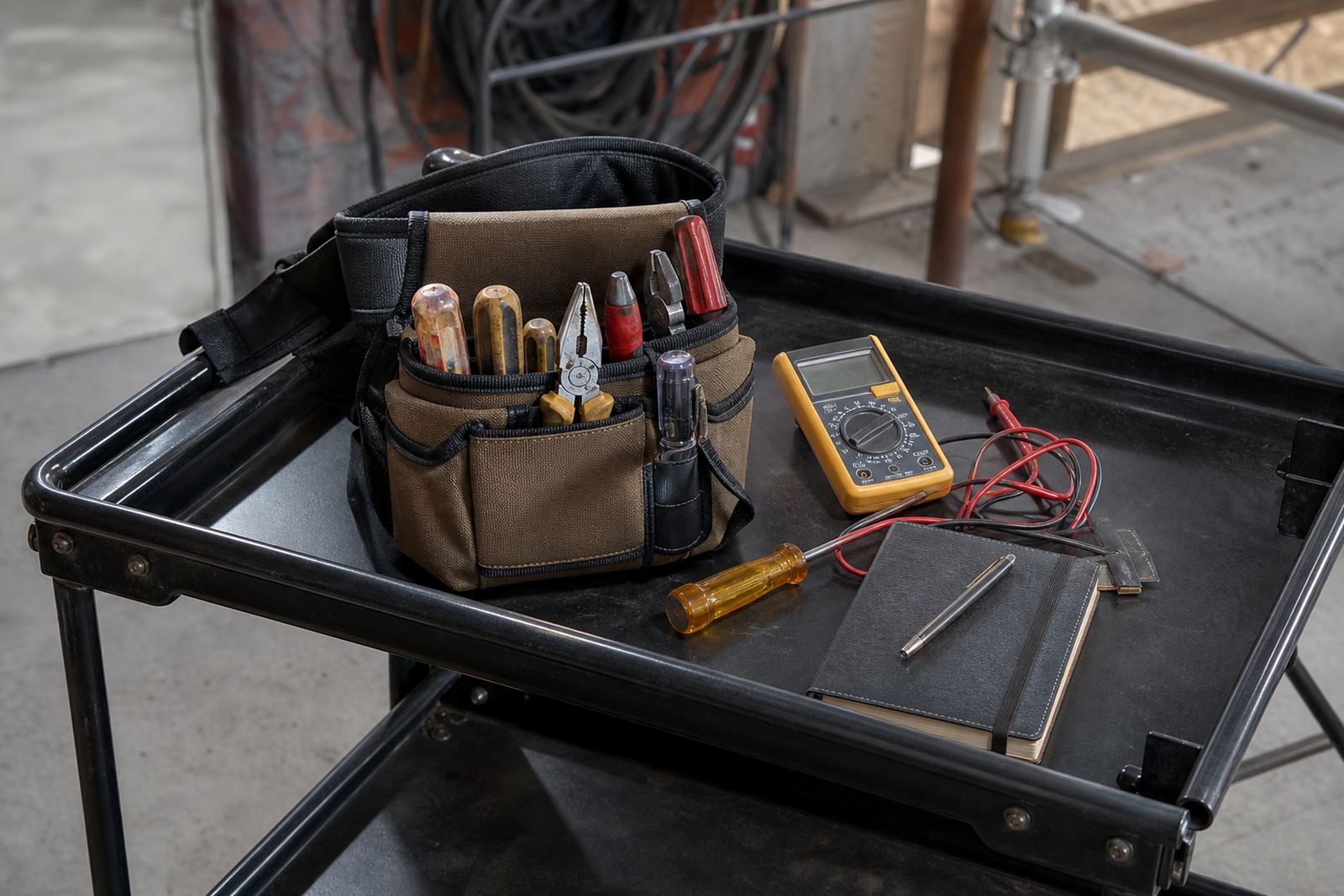
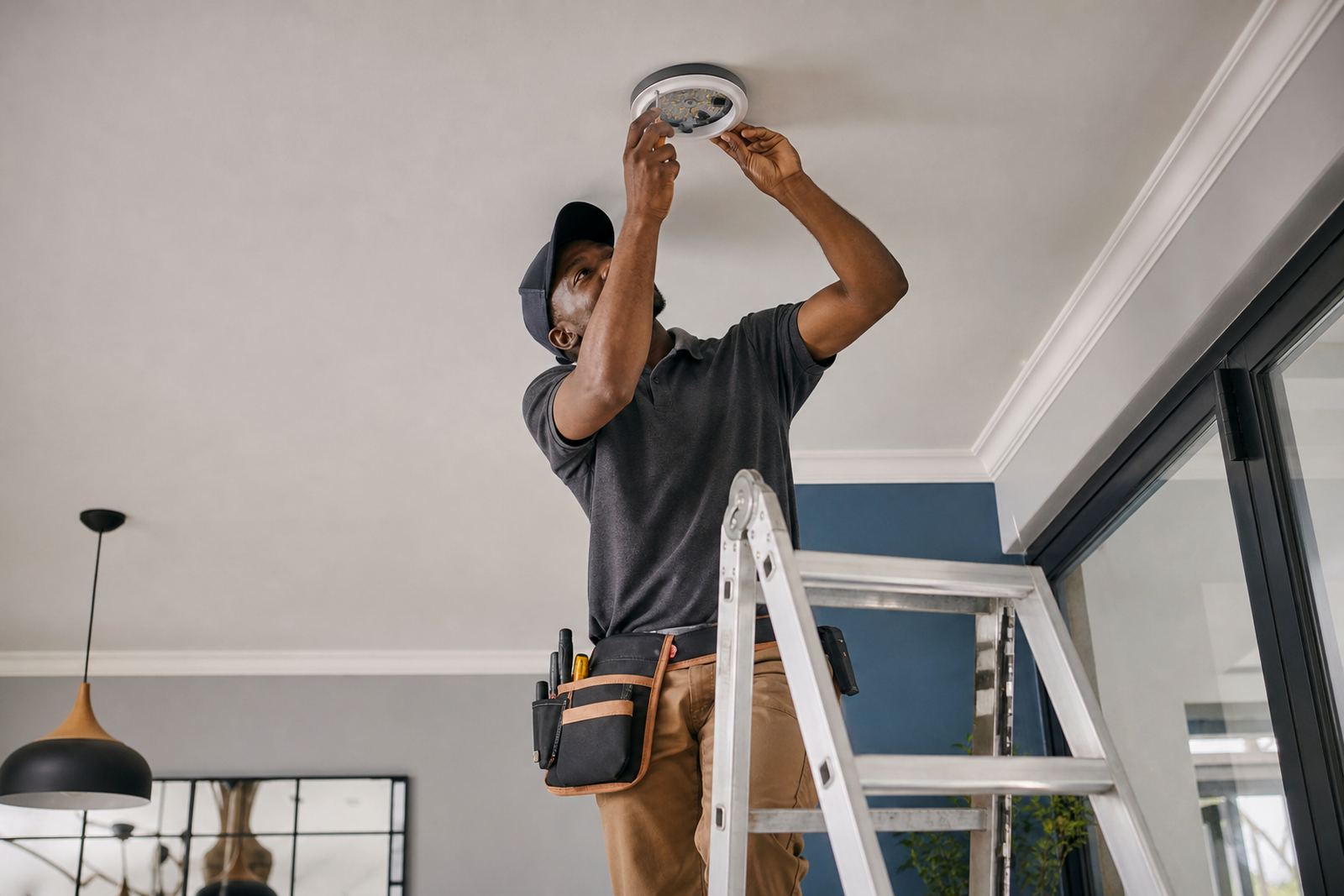
Electricians need quick access to insulated hand tools, terminals, tape, testers and fittings without mixing them up. A pouch with clear sectioning helps prevent small parts from disappearing and keeps sharp tools separate from fragile items. On maintenance jobs, that matters when you are working in ceiling spaces, plant rooms or service corridors with limited light.

When selecting electrical kit configs, think about the order you reach for tools in real work. The best layout is usually the one that follows your workflow, not the prettiest one. For teams doing fault finding, installation or callouts, a pouch that opens cleanly and closes securely saves time and helps keep parts from falling out between jobs.

  • Keep frequently used tools in the front or top pockets
  • Use separate space for consumables and fittings
  • Choose a belt that does not interfere with crouching
  • Plan for work in dark rooms or load-shedding conditions

Bulk orders, rollout planning and stock replenishment

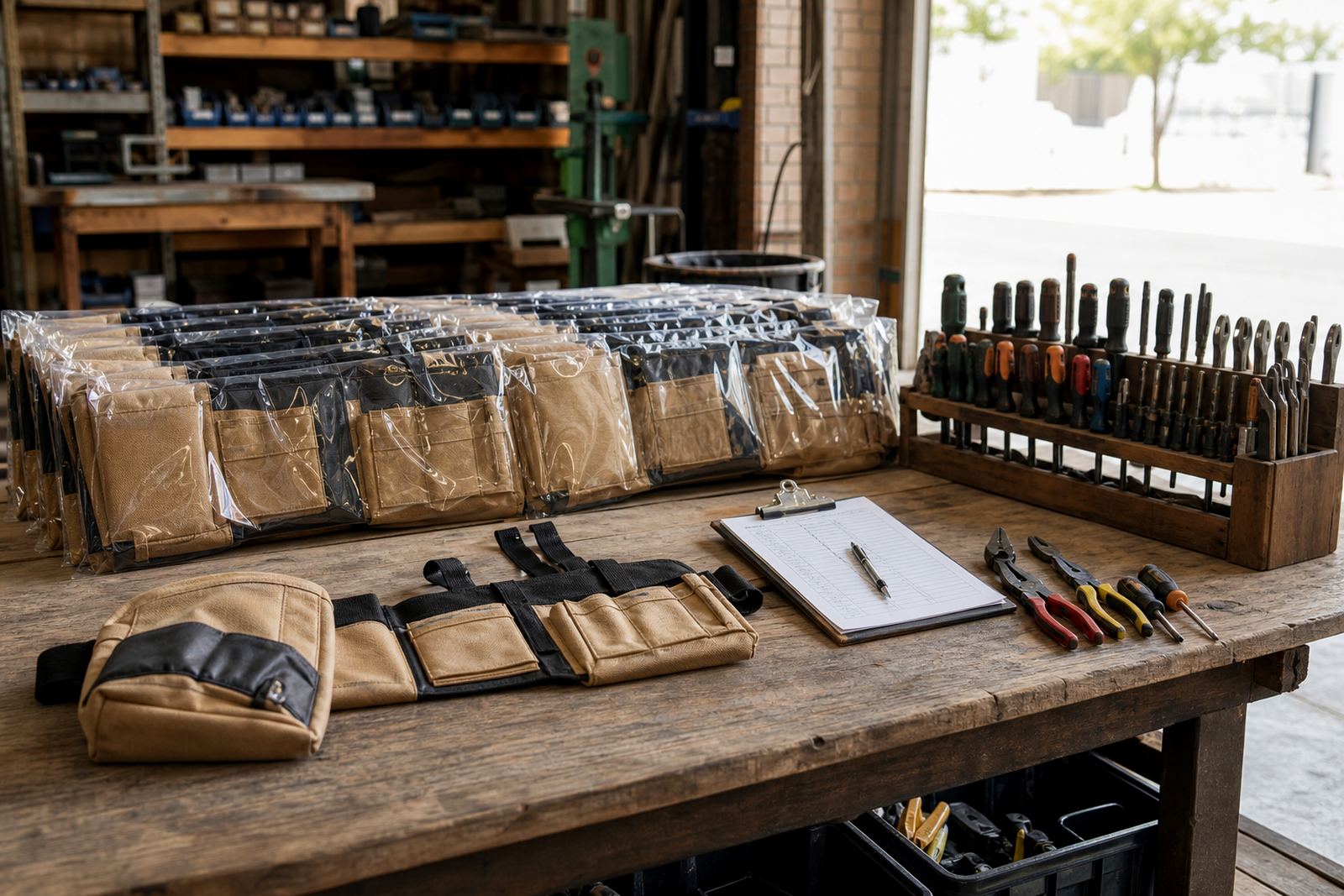
When you are setting up a full crew, the order needs to be practical from day one. Bulk team orders work best when the pouch layout, belt size matching and delivery planning are handled together. That way the team receives gear that suits the job, the site and the size range of the staff, without extra back and forth.

For contractors in Alberton, Johannesburg, Pretoria, Durban, Cape Town and Polokwane, we help with replenishment plans and project rollout supply so gear stays consistent across crews. It also helps to keep a record of which kits are used most often, so future orders can be adjusted for real job conditions and not just estimated from memory.

  • Set one standard kit for the team where possible
  • Keep a spare stock level for damaged or missing items
  • Review layout changes after the first few jobs
  • Use site specific selection for different trades or shifts

What the journal covers going forward

This journal is here to help buyers make sensible choices about work gear, from small pouch changes to full contractor order support. The focus stays on comfort, durability, access and everyday use on South African sites, with notes that are useful whether you are working in a small maintenance crew or managing a larger build team.

Expect practical guidance on pouch layout planning, utility waist belts, starter kit builds and mixed trade kits. The aim is simple: help builders and electricians choose gear that fits the way they work, handles local site conditions and holds up over time. That includes dry inland dust, coastal moisture and long days where the right layout makes the shift easier.

Questions we get asked

How do I choose between a tool pouch, nail bag and utility waist belt?

Start with the tools you use most. Builders often need space for fixings and marking items, while electricians usually need neater separation for hand tools, testers and small parts. A good waist belt should support the load and keep the pouch steady.

Do you help with team orders and site rollouts?

Yes. We assist with bulk team orders, starter kit builds, mixed trade kits and project rollout supply. We can also help with belt size matching and stock replenishment planning for ongoing site work.

Can the kit be matched to different sites and trades?

Yes. We offer site specific selection, pouch layout planning and electrical or builder kit configs so the gear suits the job, the crew and the site conditions.

Planning something? Send the team a message.

Contact form