Why shared pouch formats make crews faster
When every worker carries a different pouch setup, small delays add up fast. One man keeps reaching for the tape, another has the tester in a side pocket, and the apprentice is still figuring out where the fixings are. A shared format removes that guesswork, so teams can move from task to task with less stopping and starting.
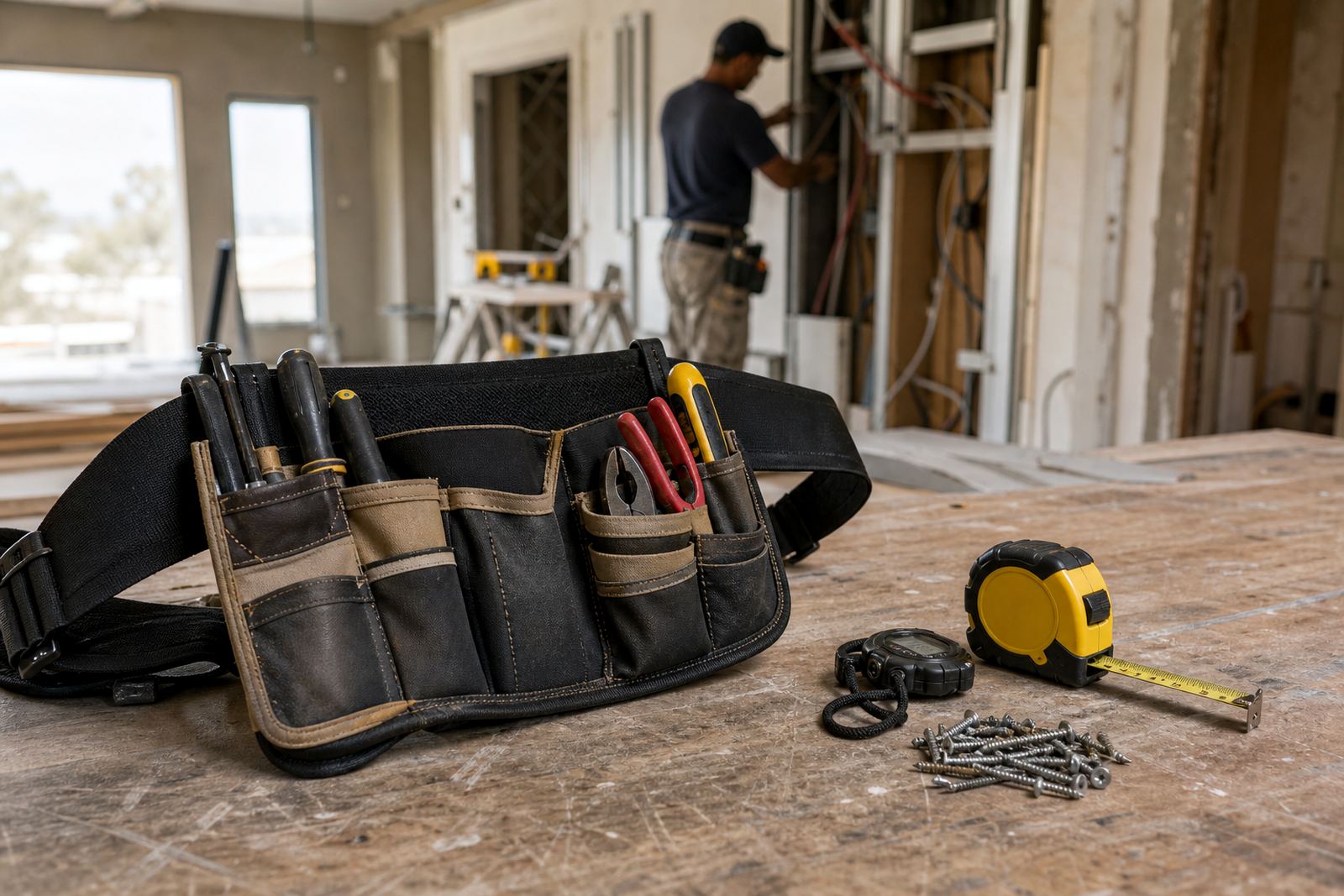
For builders and electricians, this is not just about neatness. It is about keeping the same tool positions across crews, shifts and sites. If the cutter is always on the right side and the screwdrivers always sit in the same pocket layout, a worker can pick up another kit and carry on. That matters on busy jobs in Alberton, Sandton, Pretoria or Durban where several trades may be working at once.
Standardising also helps site supervisors. It is easier to check what each crew should have, what is missing and what must be replenished before the next run. In practice, that saves time at the store, at the depot and on the scaffold.
How to match one format to different job types
A shared setup does not mean every worker carries the same load. It means the same basic layout can be adapted for different roles. Builders may need stronger nail bags, broader pockets for fixings and room for a hammer, while electricians often need lighter pouches with more separation for insulated tools, testers and small consumables.
The trick is to build a common structure and then adjust the contents. That way the crew learns one system, but each task group still gets what it needs. It also makes belt size matching easier because the same waist belt style can be issued across the team, with small adjustments for comfort and movement.
- Keep the core pocket layout similar across all crews
- Adjust pouch depth for nails, screws, connectors or small parts
- Use the same belt fitting method for easier issue and return
- Separate electrical tools from general building tools where needed
For contractor order support, this approach is simple to manage. You can set one standard for electricians, one for builders and one for mixed trade teams working on the same project.
What a standard kit should cover on real South African sites
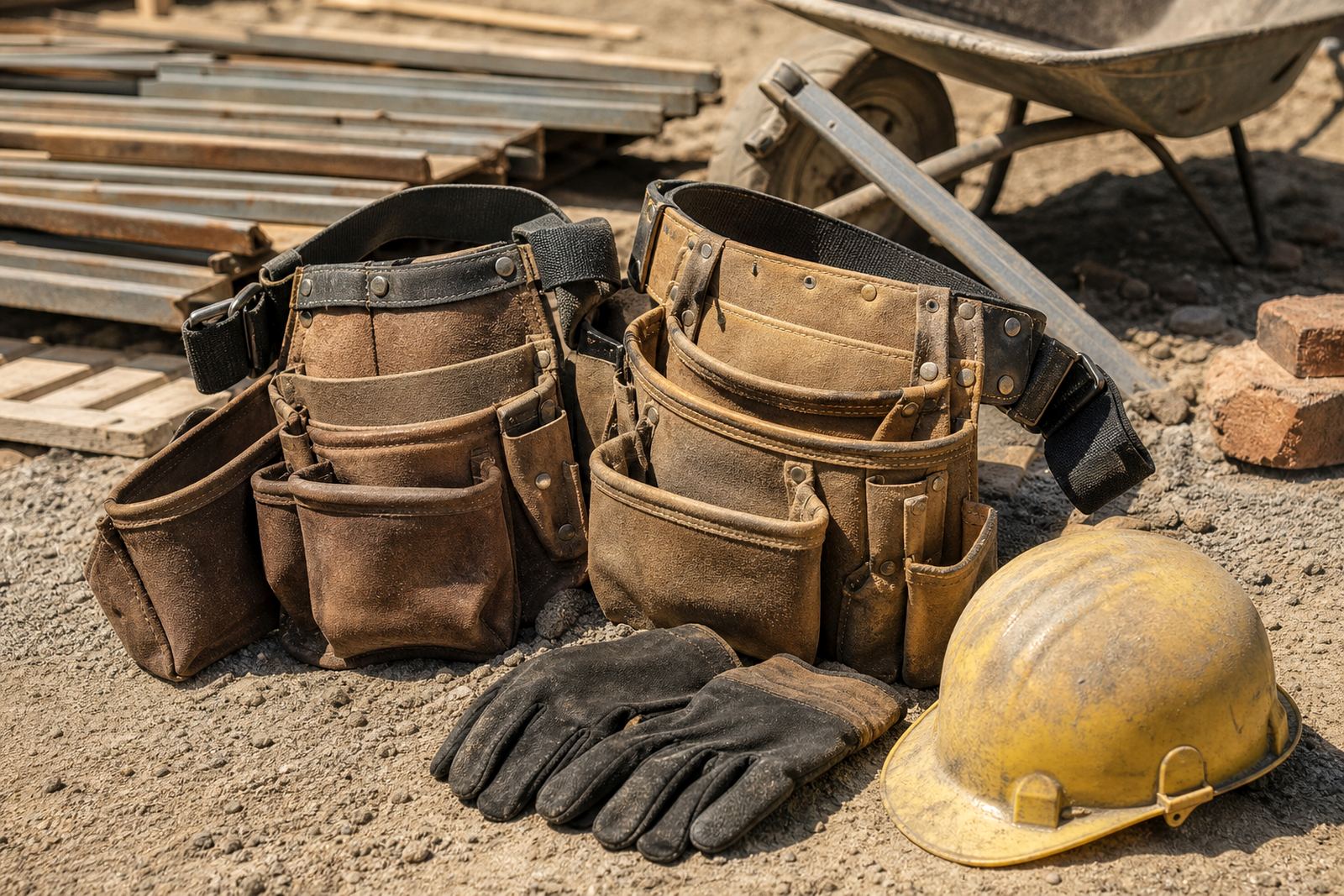
Local conditions matter. Coastal humidity can affect metal tools and fixings if pouches do not drain well or if gear is left in a damp bakkie tray overnight. Inland sites in Gauteng can be dusty and hot, with crews shifting between roof work, internal fit-outs and external brickwork in the same day. A good standard kit has to handle all that without falling apart.
It should also work during load shedding and after-hours call-outs, when teams may be starting early or finishing late. If the layout is clear and the pocket spaces are consistent, workers waste less time looking for items in poor light or during a quick job change.
Common items worth planning for include measuring tools, fasteners, blades, markers, insulation accessories and hand tools used daily. On larger projects, mixed trade kits can be prepared so the same crew format supports different site phases, from first fix to final snagging.
- Durable stitching for repeated daily use
- Enough pocket space without making the kit too heavy
- Comfortable belt support for long shifts
- Easy access to small parts without emptying the pouch
Why supervisors prefer one standard across the team
Supervisors and project managers often choose standard kits because they simplify oversight. If ten workers are all using similar layouts, it is easier to check compliance, spot missing items and plan stock replenishment. There is less back and forth and fewer personal variations that slow down issuing gear.
It also helps with training. New staff can learn one method instead of five different habits. That matters when crews change from one site to another or when a contractor takes on seasonal labour and needs everyone working to the same routine from day one.
A shared standard can also support site specific selection. For example, a housing development in Centurion may need lighter general-purpose kits, while a commercial fit-out in Cape Town may require more electrical kit configs because the work is more technical. The format stays familiar, but the load-out changes to suit the job.
A practical rollout for contractors and foremen
The best way to standardise is to start with a small trial. Pick one team, define the pouch layout and test it for a week or two. Watch how the crew uses it on the job, which pockets get used most and where any discomfort shows up. Small changes now prevent bigger problems later.
Once that is done, roll the same format out to the next team and keep the issue list simple. When everyone knows what belongs in each position, replacement orders become far easier. It also means starter kit builds can be prepared for new hires without guessing.
- Choose one core pouch format per trade group
- Agree on belt sizes and adjustment ranges
- List the standard tools and consumables for each kit
- Review the setup after each project phase
For larger contractors, project rollout supply can be staged by site, by crew or by task group. That keeps things orderly and avoids overbuying items that will not be used on the current job.
How Waistbags Pro supports standardisation from Alberton
From our base in Alberton, Gauteng, we supply builders and electricians across South Africa, including Johannesburg, Pretoria, Durban, Cape Town and Polokwane. Many of the enquiries we receive are not for one single pouch, but for a repeatable system that can be used across a whole crew. That is where planning makes the difference.
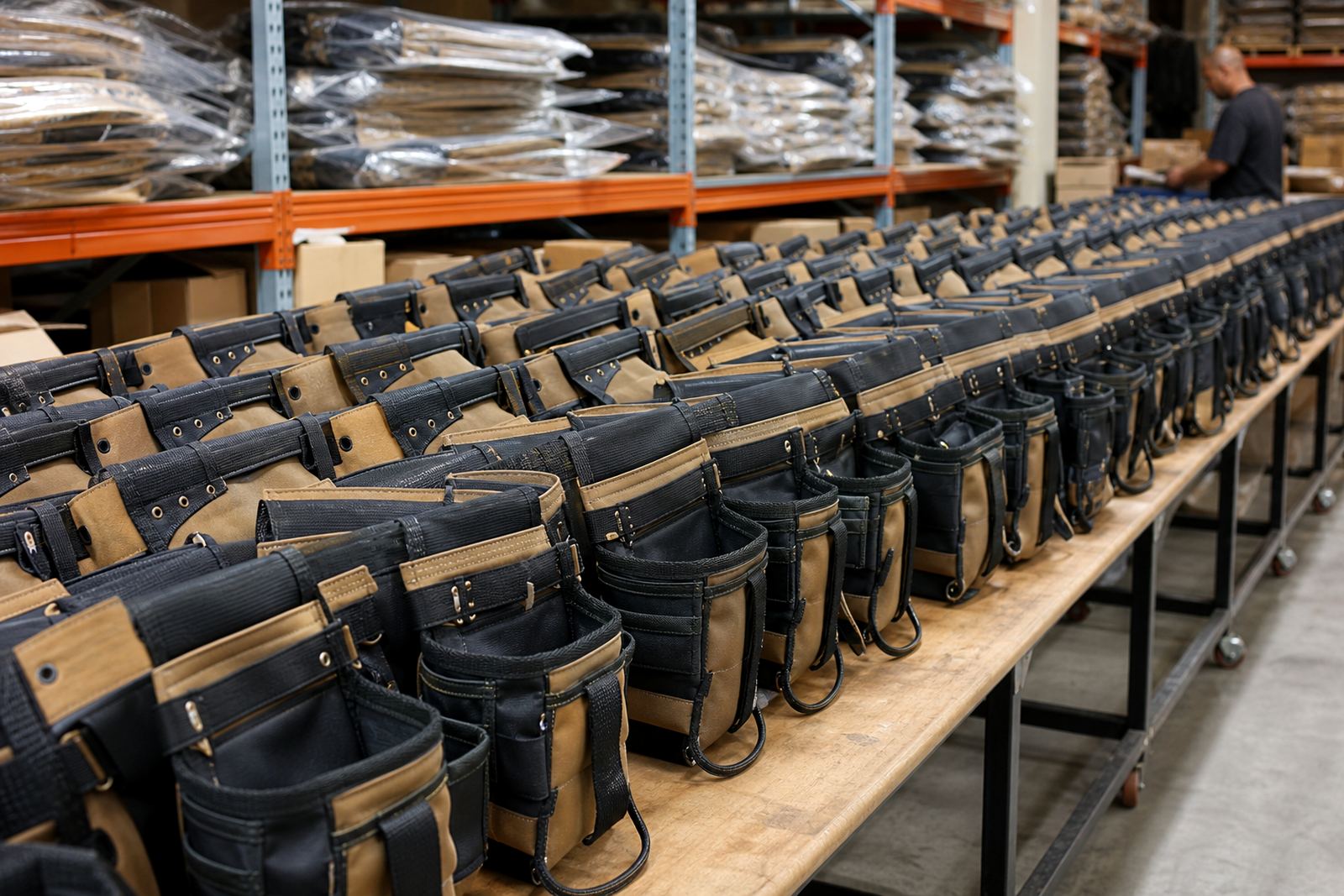
We help with pouch layout planning, belt size matching, bulk team orders and mixed trade kits. If a contractor needs a builder setup for one team and an electrical setup for another, we can work through the differences and keep the ordering process straightforward. The aim is to make the gear fit the work, not the other way round.
For companies managing multiple sites, stock replenishment plans are useful because they keep replacement items moving before a shortage affects the next shift. It is a simple way to keep teams supplied, especially when schedules are tight and site access is limited.
Clients usually reach us through the enquiry form on our contact page, and from there we can talk through the crew size, task mix and delivery plan. That keeps the process practical from the first order to the next restock.