

Why ladder work needs a different carry setup
Ladder jobs are not the same as ground work. You are often balancing with one hand, working in a tighter space, and trying to avoid repeated climbs down for a screwdriver, pliers or fixings. That is where a waist belt with the right pouch setup makes a real difference.
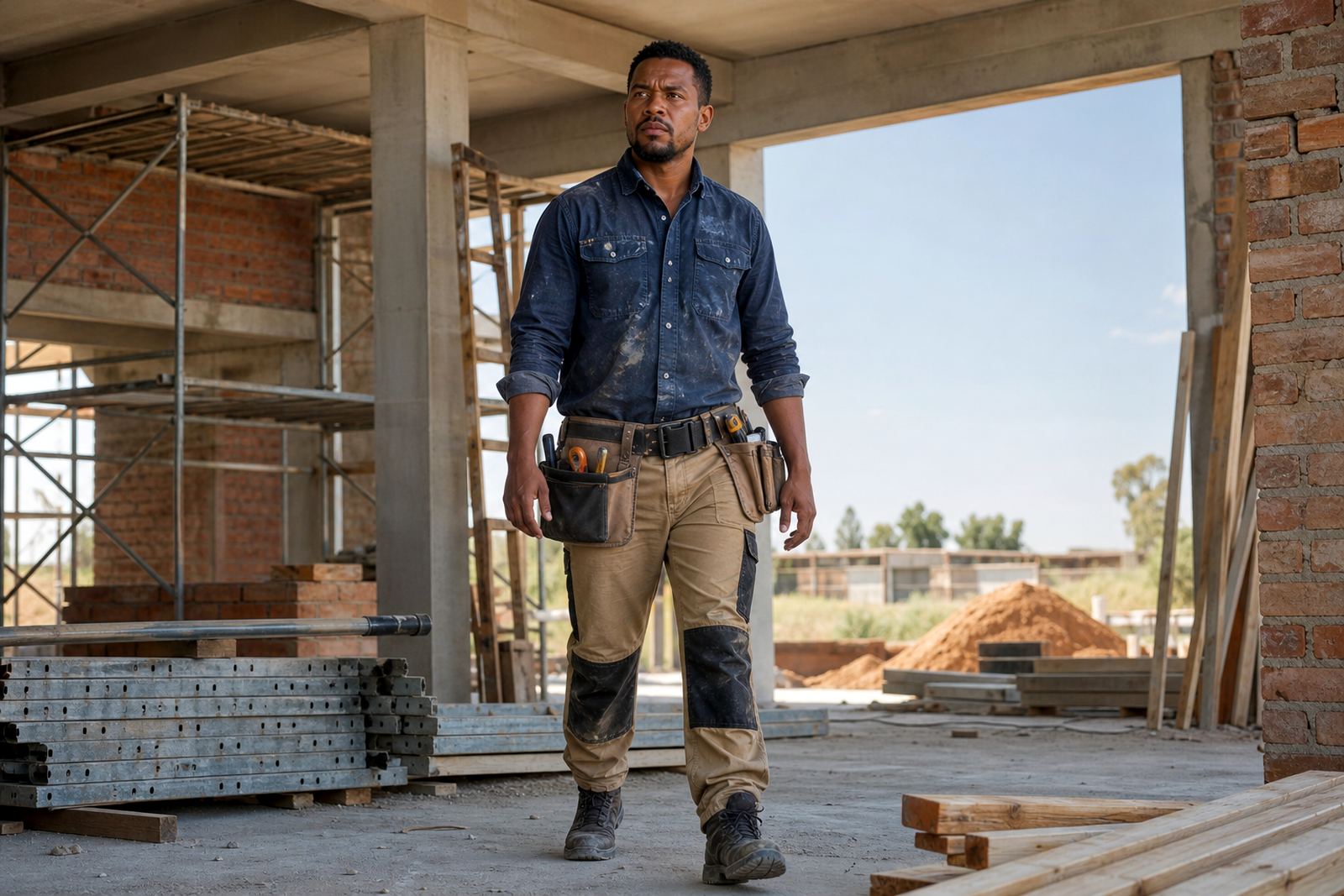
For builders and electricians, faster access is not about speed for its own sake. It is about keeping both feet planted when possible, reducing awkward reaches, and limiting the chance of dropping items onto panels or finished surfaces. On busy sites in Johannesburg or Pretoria, that can save time on every small task and help the crew keep moving.
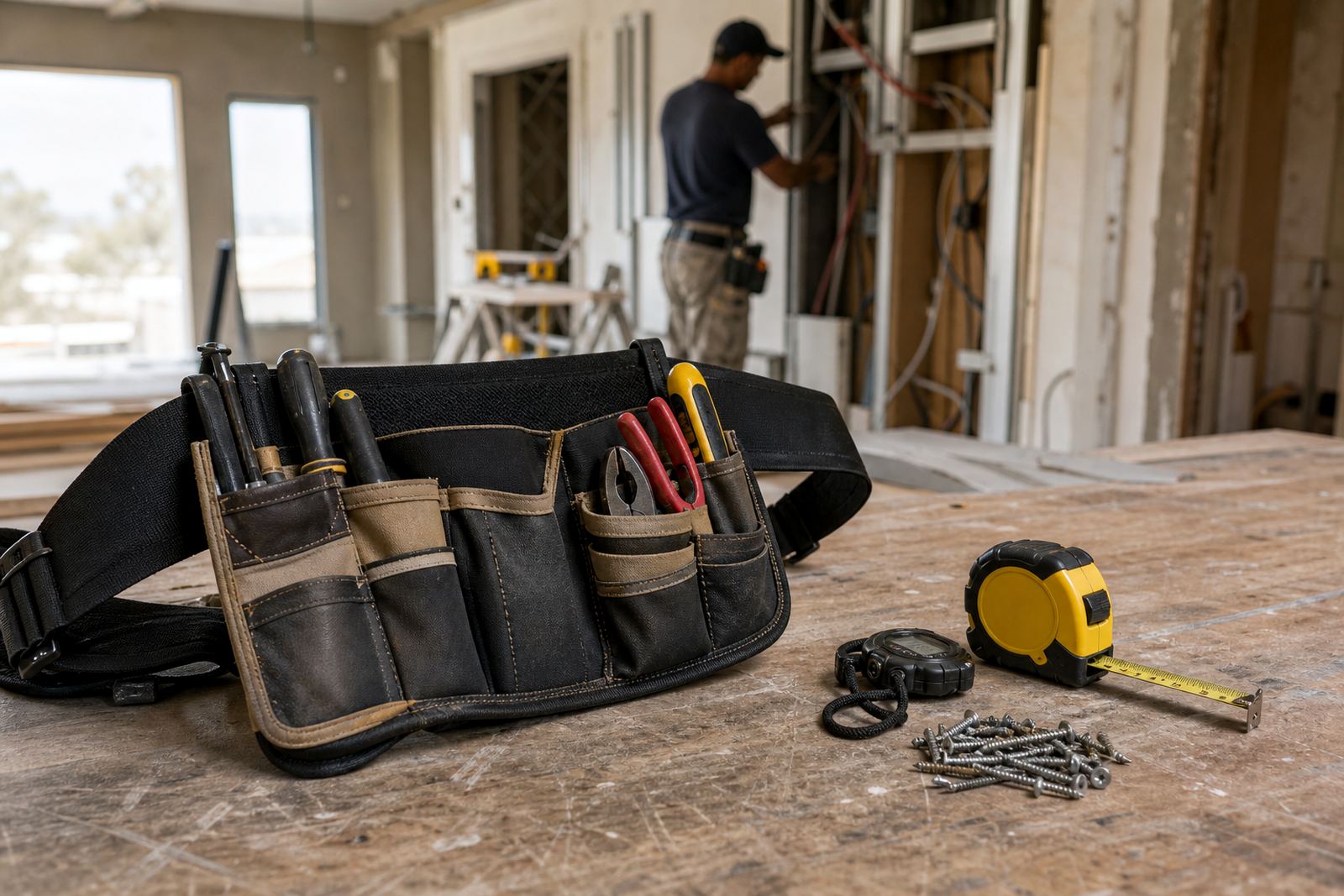
In practice, the best setup is the one that matches the task. A fitted pouch for fixings, a compact pocket for hand tools, and a belt that sits properly on the hips all help keep your hands free. If the belt slips or the pouch swings too much, the benefit disappears very quickly.
Set up your pouch around the task, not the habit
Too many workers carry everything just because it fits. That leads to overloading, more bulk on the hips and less space to move on a ladder. A better way is to prepare the pouch for the exact job in front of you.
For an electrician on a controlled ladder task, that might mean insulated hand tools, a few connectors, a marker, tape and a compact tester accessory. For a builder, it may be nails, screws, a tape measure, a pencil and a hammer loop. Keep the heaviest items low and close to the body so they do not swing out when you climb or lean.
- Keep only the tools needed for the next 15 to 20 minutes
- Place frequently used items in the front or dominant-hand side pocket
- Store sharp items in secure compartments, not loose in the pouch
- Use a separate pocket for fasteners so they do not mix with tools
- Check the pouch layout before the climb, not halfway up
This kind of planning helps on sites where the next ladder task is only a short section of cable or a few fixings, but the route up and down is still a hassle.
Balance, fit and comfort matter more than extra pockets
A pouch can only help if it stays comfortable through a full shift. On hot days in Durban, a belt that bites into the waist or rides up under a harness soon gets ignored. In cooler inland conditions, the same issue appears when layered clothing changes how the belt sits.
The right fit starts with the belt itself. It should hold the pouch in place without forcing the user to over-tighten. If the pouch is too low, it can bump against the ladder. If it is too high, it can limit movement when you kneel or bend. The goal is easy reach without extra strain.
For teams doing repeated ladder work, belt size matching is worth sorting early. A single size that is too loose for one worker and too tight for another causes constant adjustment, which wastes time and can distract from the task. A better fit also supports safer movement when carrying fasteners, small tools and hardware in one go.
Keep tools protected from weather and site wear
South African sites do not always give you ideal conditions. Coastal humidity can rust unprotected fixings, while fine dust in dry areas works into zips, stitching and pocket corners. A good waistbag should protect the contents well enough for daily use, but it still needs basic care.
After the shift, empty the pouch and remove dust, grit and loose metal bits. If nails or screws are left inside overnight, they can stain the lining or start corrosion. On municipal projects where the work runs over several days, this simple habit helps keep the kit ready for the next call out.
- Brush out dust before storing the pouch
- Dry the belt fully if it got wet during rain or wash-downs
- Sort out bent fixings and replace damaged fasteners immediately
- Check stitching, buckle wear and pocket edges each week
- Keep spare pouches ready for teams working in wet or salty air
That bit of maintenance is small, but it keeps the system dependable and reduces the chance of a pouch failing when it is needed most.
A local example from an Alberton renovation team
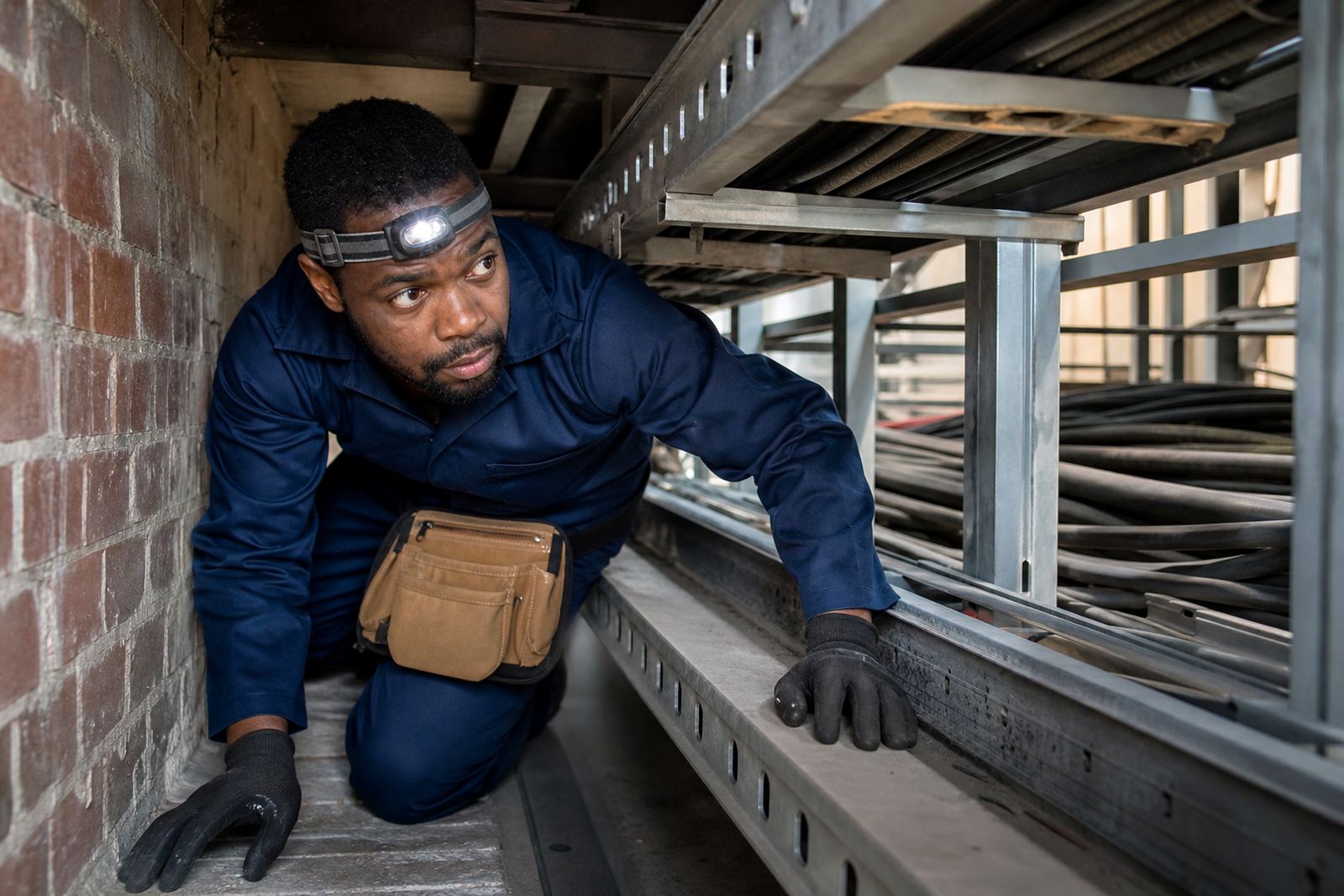
On a recent residential renovation in Alberton, a small team was doing controlled ladder work for light fittings, cable runs and finish fixing. The electrician kept a slim utility waist belt with the most used hand tools on the dominant side, while the builder carried a nail bag with screws, plugs and a pencil on the other side of the room.
The result was plain to see. Less climbing down for small items, fewer interruptions when the next screw or connector was needed, and less clutter on the ladder itself. Because the team had planned the pouch layout before starting, they spent more time on the job and less time moving around the site looking for the next tool.
For contractors working across Johannesburg, Cape Town, Polokwane or Midrand, the lesson is the same. If the task is controlled and repetitive, the carry setup should be just as controlled. The right pouch saves steps, keeps the hands free when needed, and helps the worker stay focused on what is in front of them.
Choosing the right kit for your crew
Different crews need different layouts. That is why it helps to match the pouch to the trade, the site and the kind of access the worker needs. A mixed trade team may need a few similar pouches with slight changes, while a specialist electrical crew may need a more specific layout for fast, safe access.
Waistbags Pro supplies tool pouches, nail bags and utility waist belts from Alberton, Gauteng, with support for bulk team orders, starter kit builds, mixed trade kits, contractor order support and stock replenishment plans. That makes it easier to keep the same carry standard across a crew, especially when several workers are doing ladder tasks on the same project.
If your team is setting up for a new site, it helps to think beyond storage and look at access, fit and movement. The best pouch is not the one with the most pockets. It is the one that keeps the right tools where the hand expects them, without getting in the way.