Start With the Job, Not the Bag
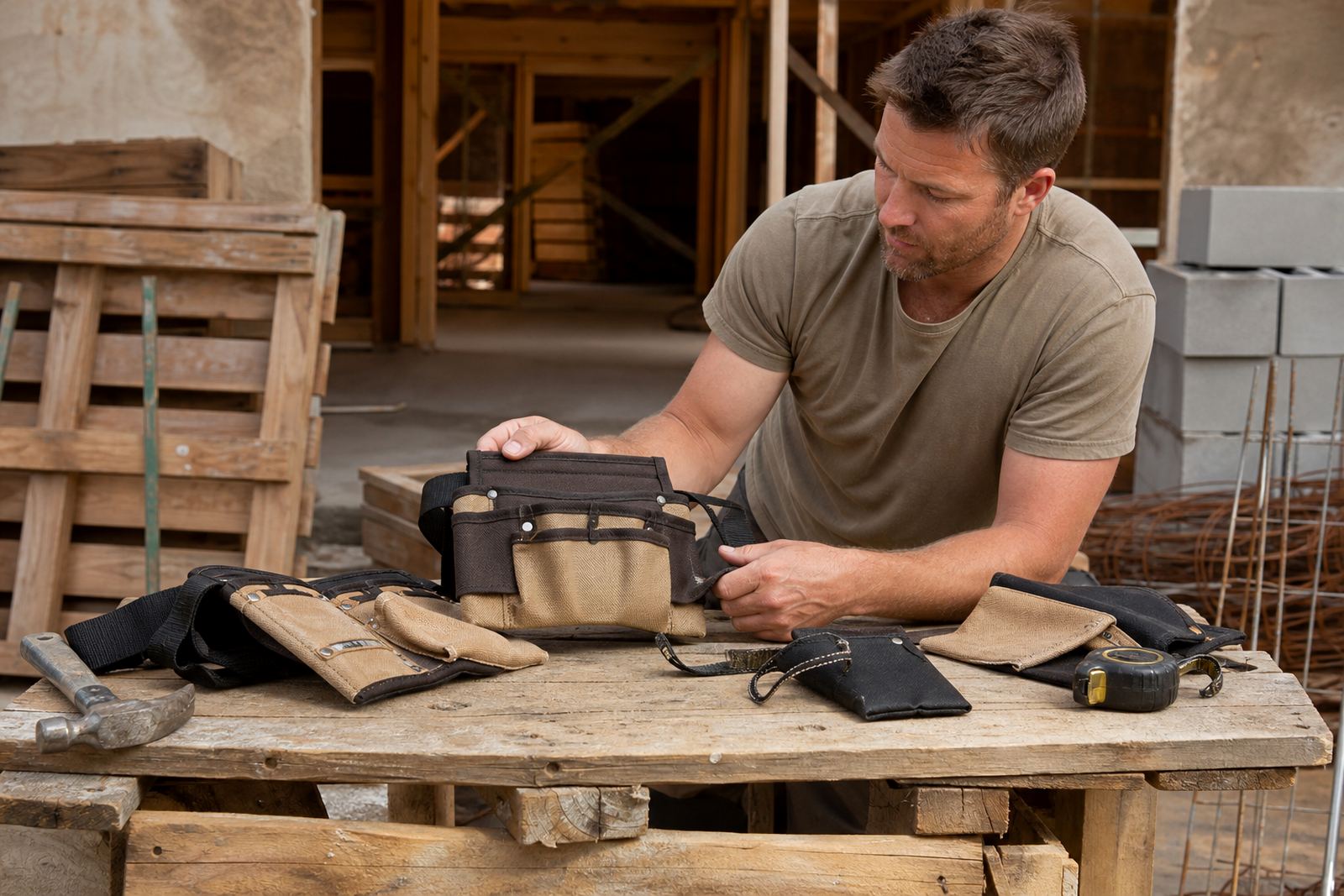
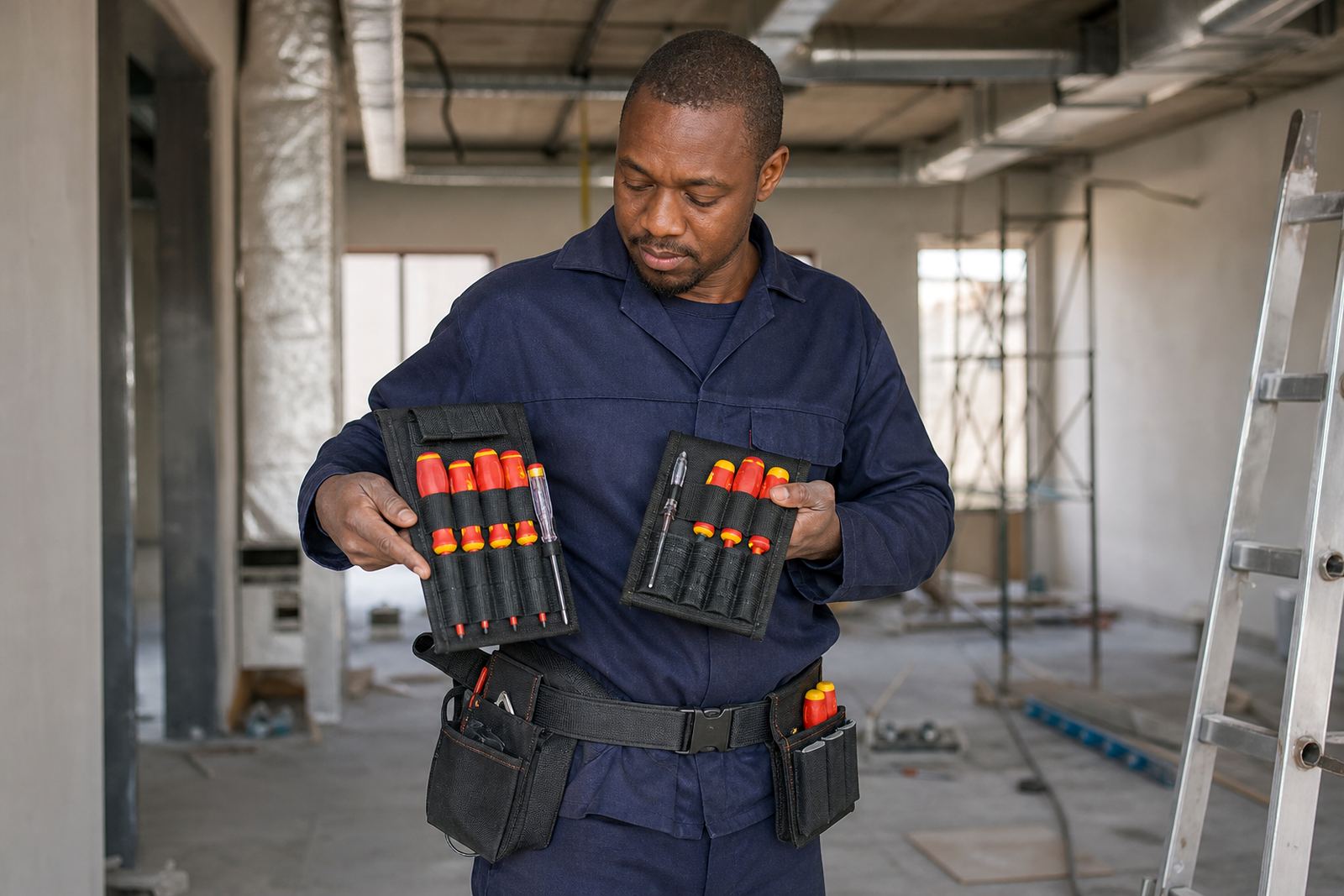
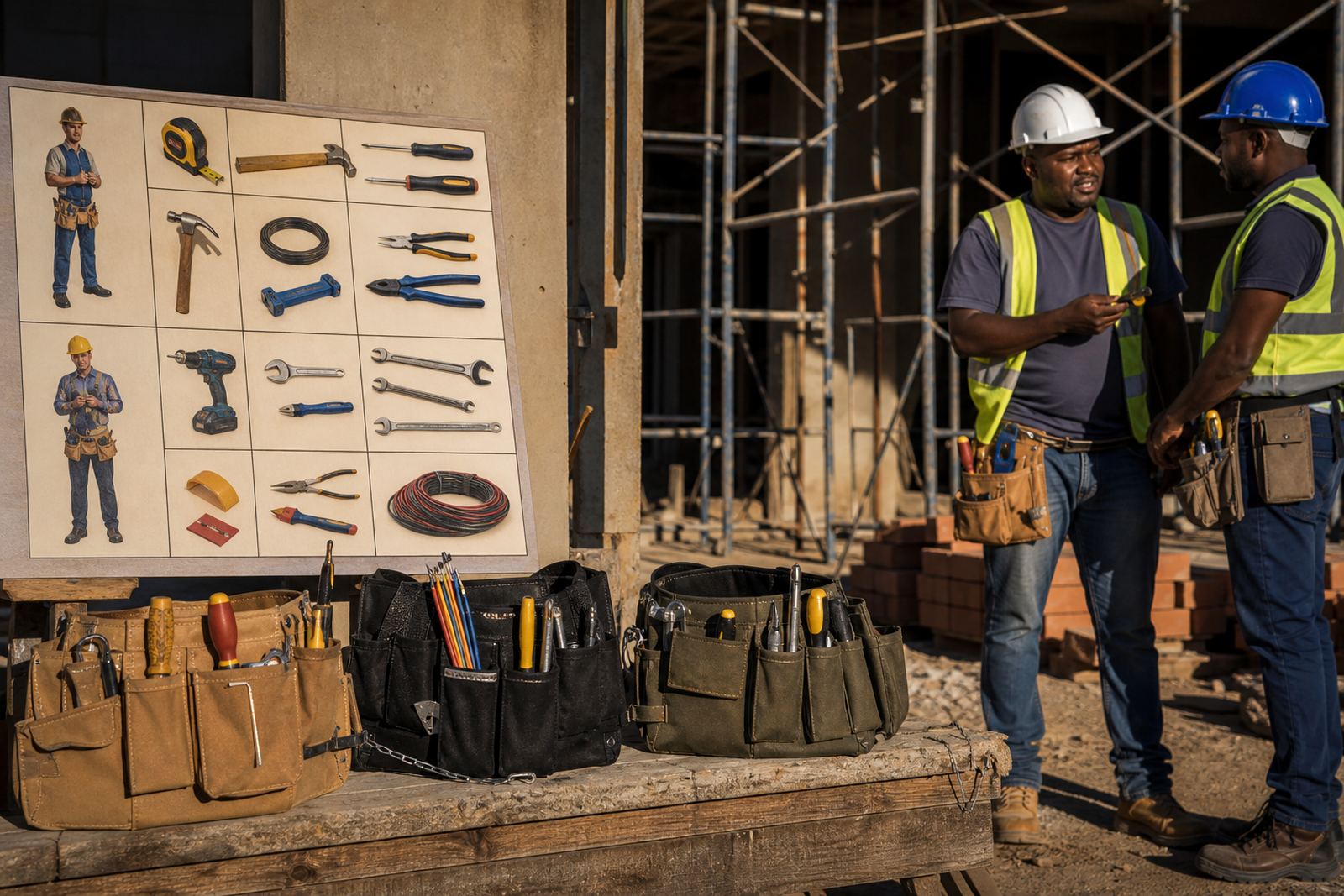
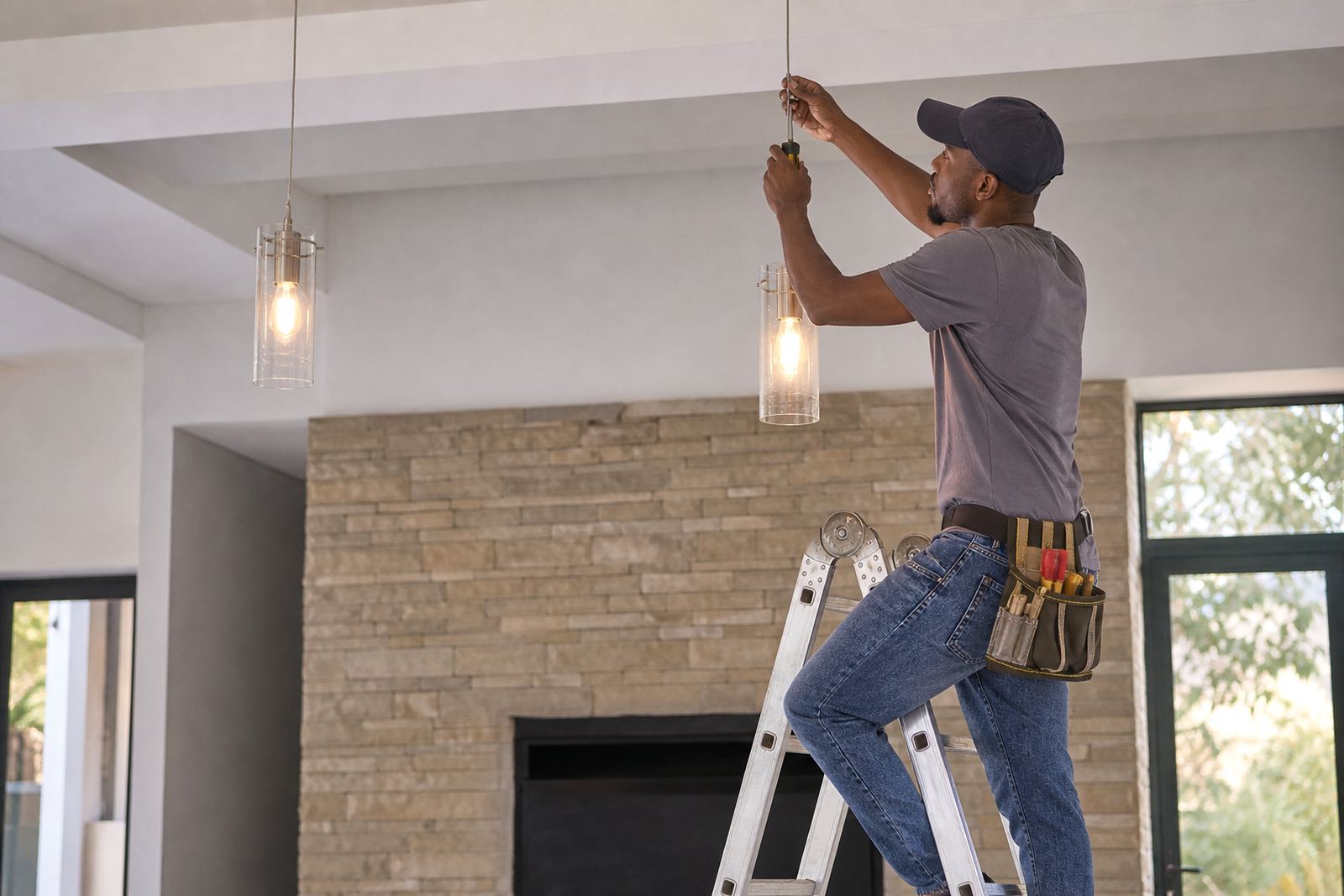
Different trade work asks for different carry setups. A bricklayer may need fast access to nails, tape and a pencil, while an electrician often needs a cleaner pouch layout for pliers, screwdrivers, testers and fixings. The right choice is the one that keeps your hands free, your tools close and your waist comfortable through a full day on site.
For teams working in Johannesburg, Pretoria or Midrand, speed matters on busy sites. Along the coast in Durban or Cape Town, salt air and humidity can put extra strain on fittings and stitching, so a practical, hard wearing layout helps. If you are building a kit for repeated daily use, start by matching the pouch style to the actual task and work rhythm.
How to Choose the Right Belt Fit
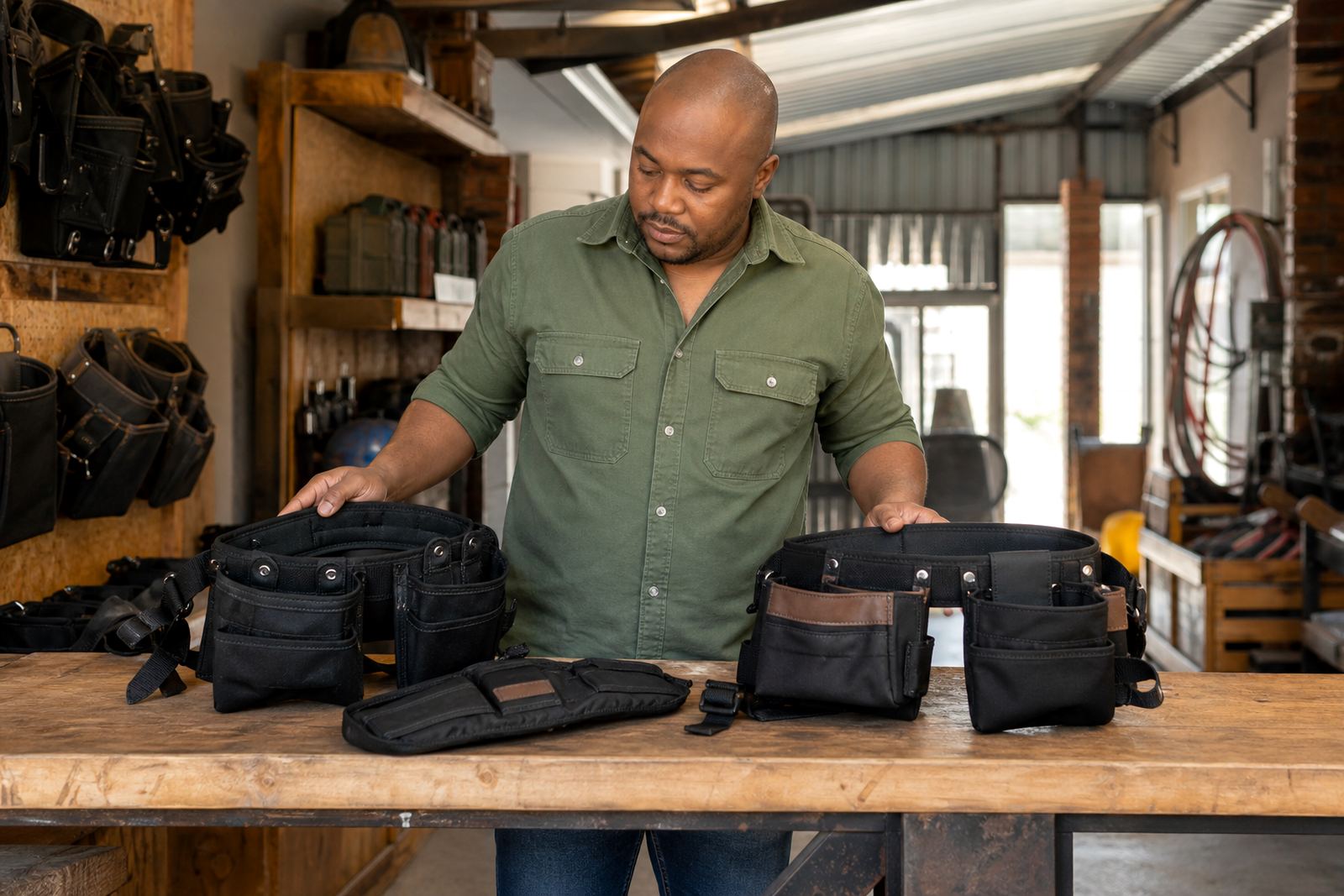
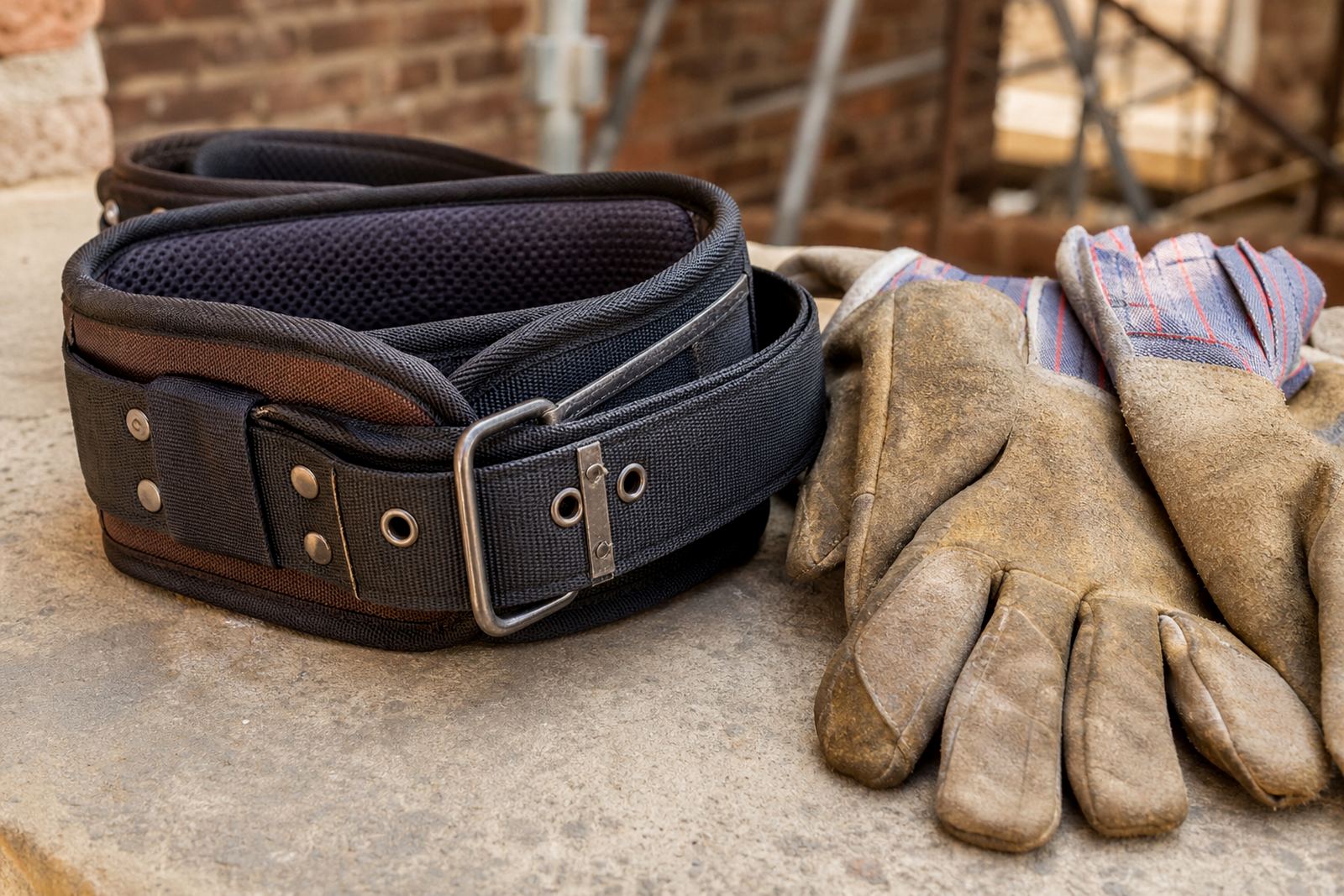
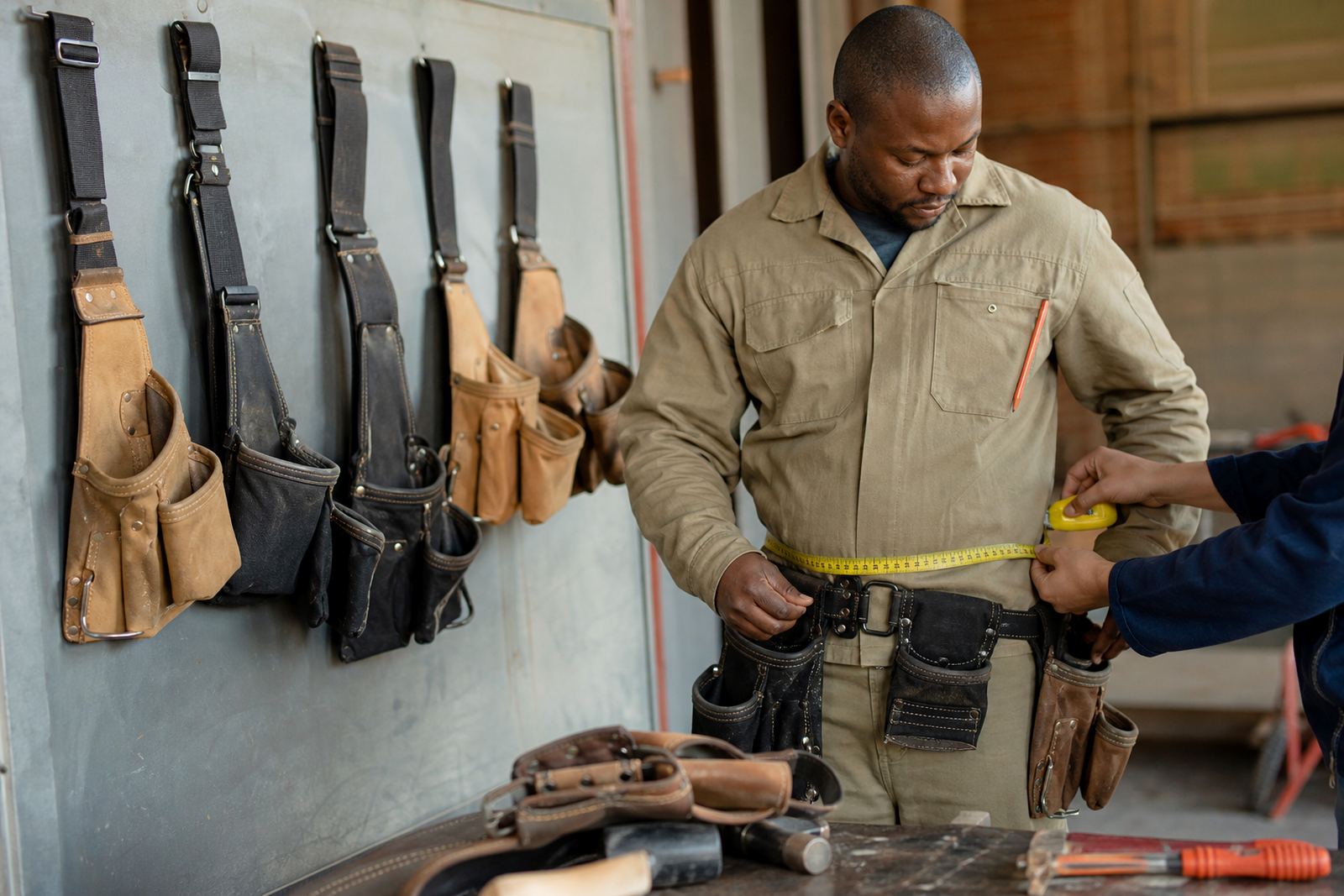
A good belt should sit steady without digging in, twisting or sliding when you bend, climb ladders or work in a confined space. Fit is especially important for long shifts, because a belt that rides up gets tiring quickly and can slow you down when load-shedding jobs or after-hours callouts stretch into the evening.
- Measure over the clothing you usually wear on site, not over a thin shirt only.
- Allow room for movement when kneeling, climbing or reaching overhead.
- Check that the buckle or fastening is easy to adjust with work gloves on.
- If you carry heavier hand tools, choose a belt that spreads weight evenly across the waist.
For builders and electricians in Gauteng, belt size matching can save time and reduce returns. A well-fitted belt also makes it easier to rotate between winter layers and lighter summer clothing without changing your whole setup.
Pouch Layouts for Builders and Electricians
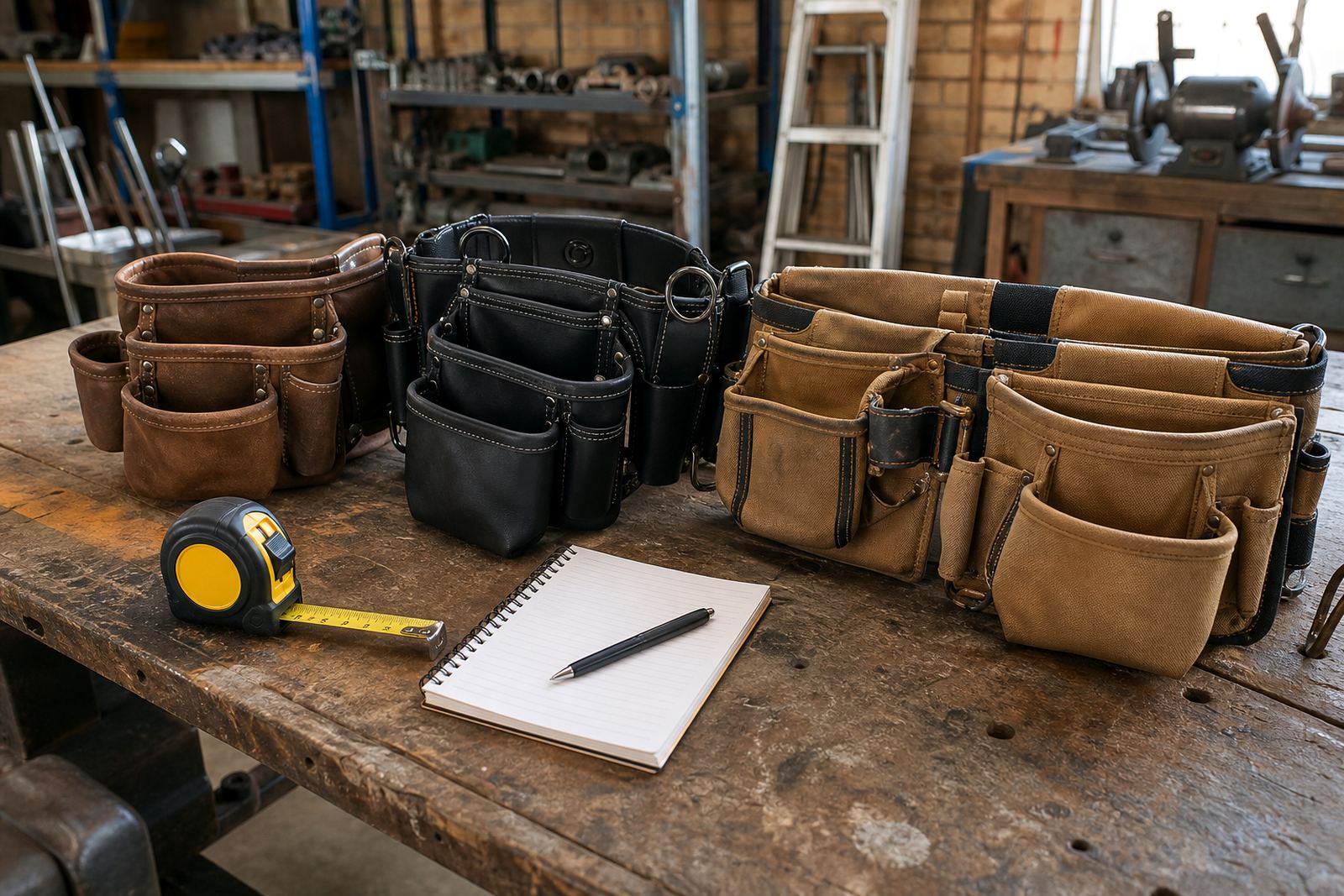
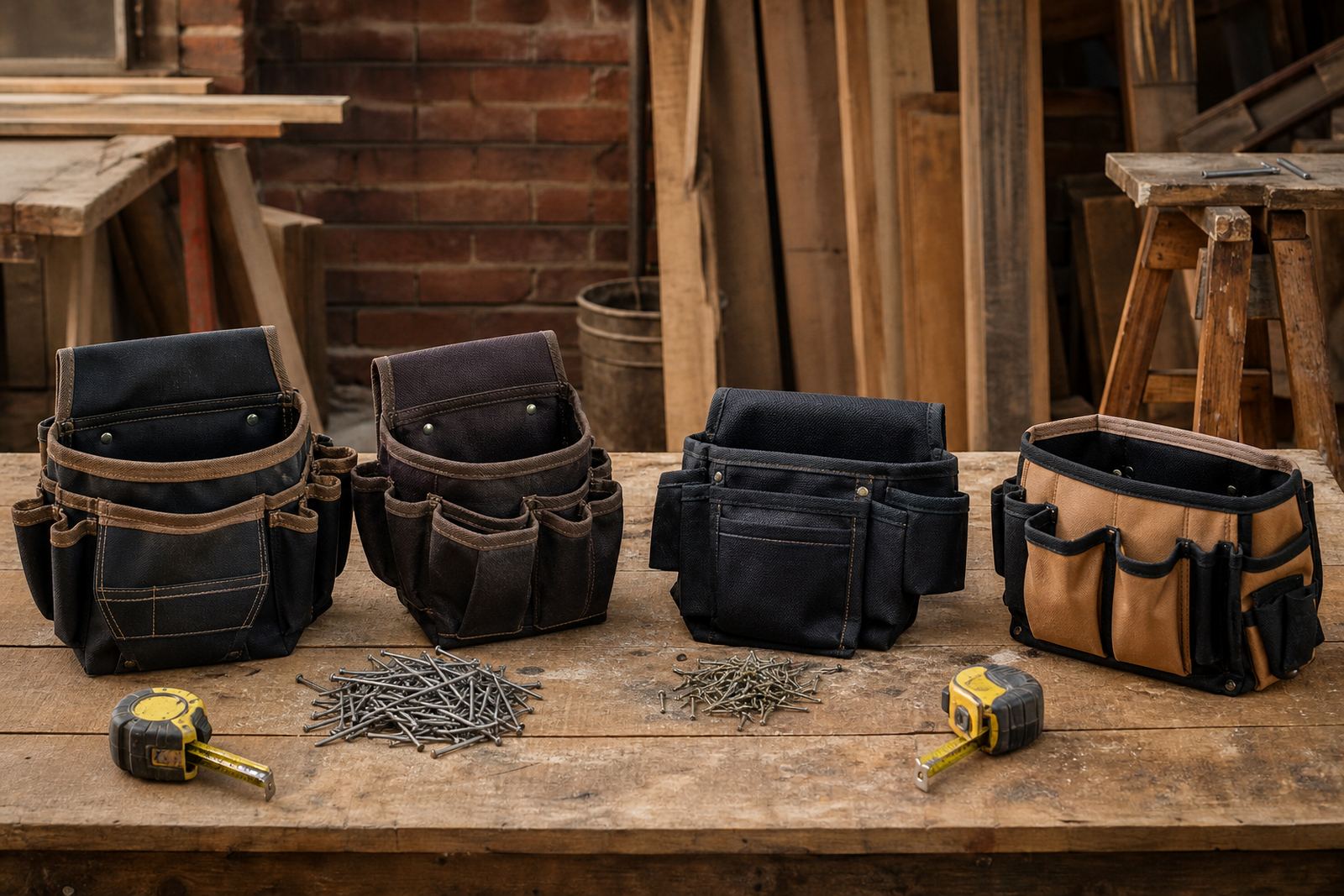
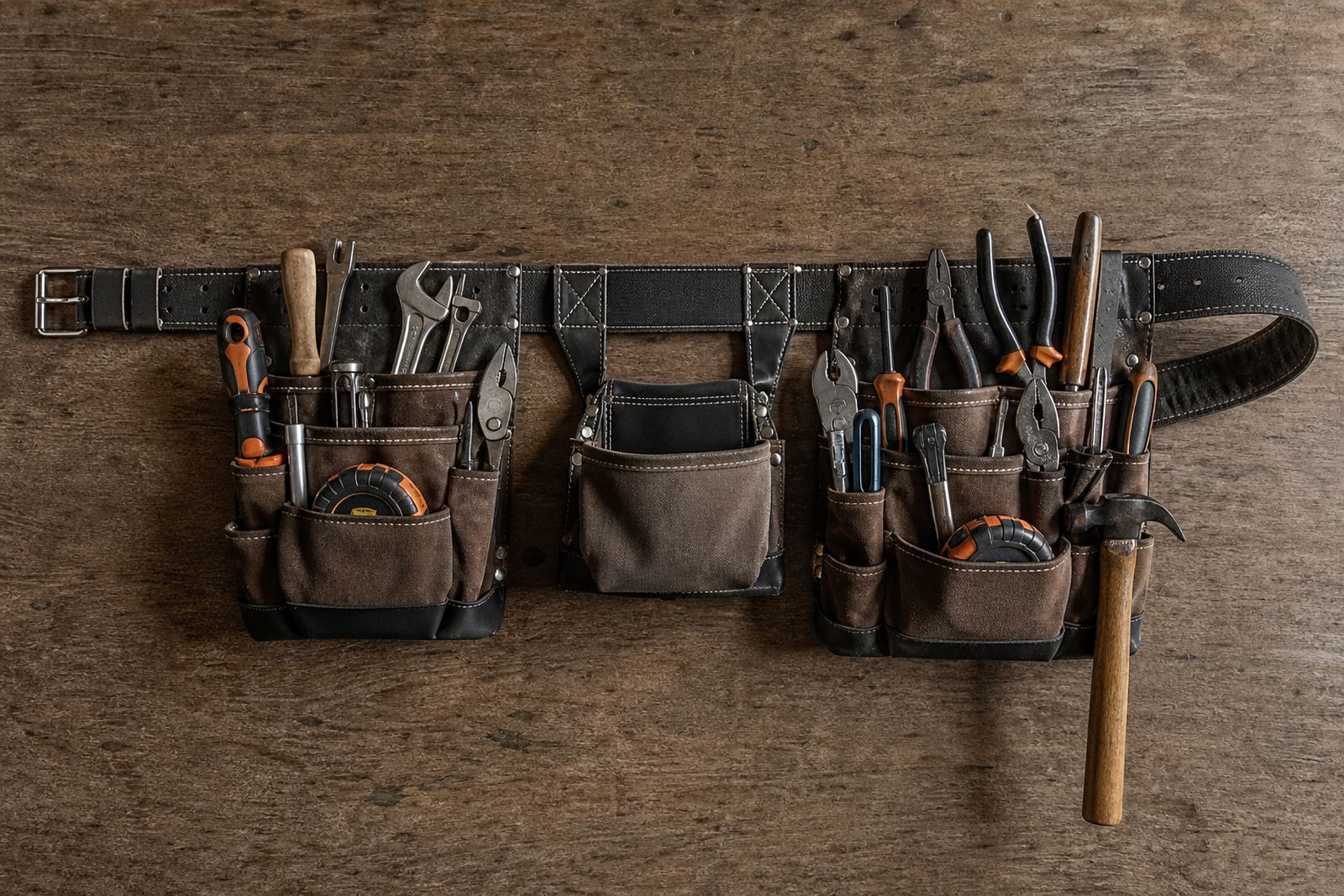
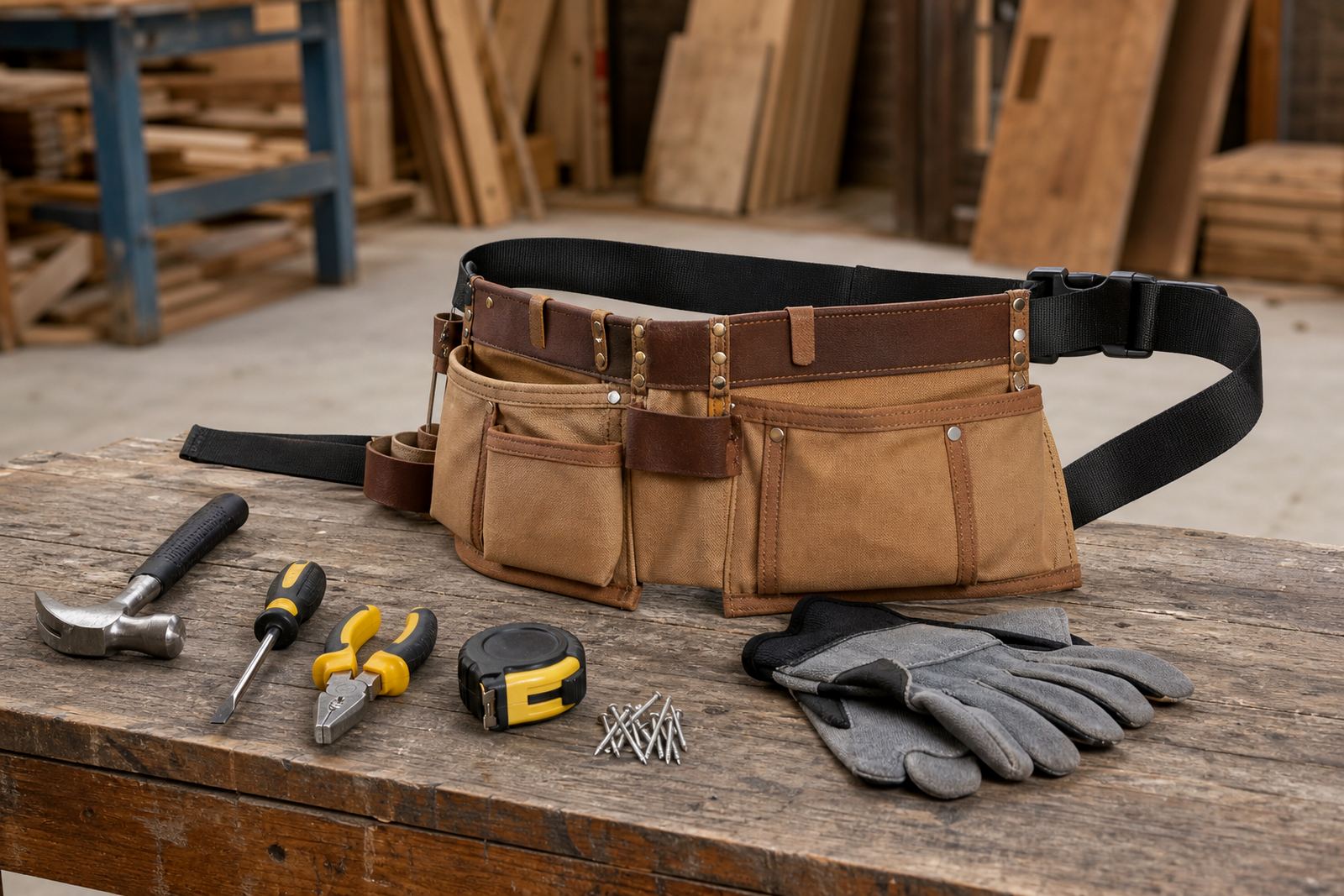
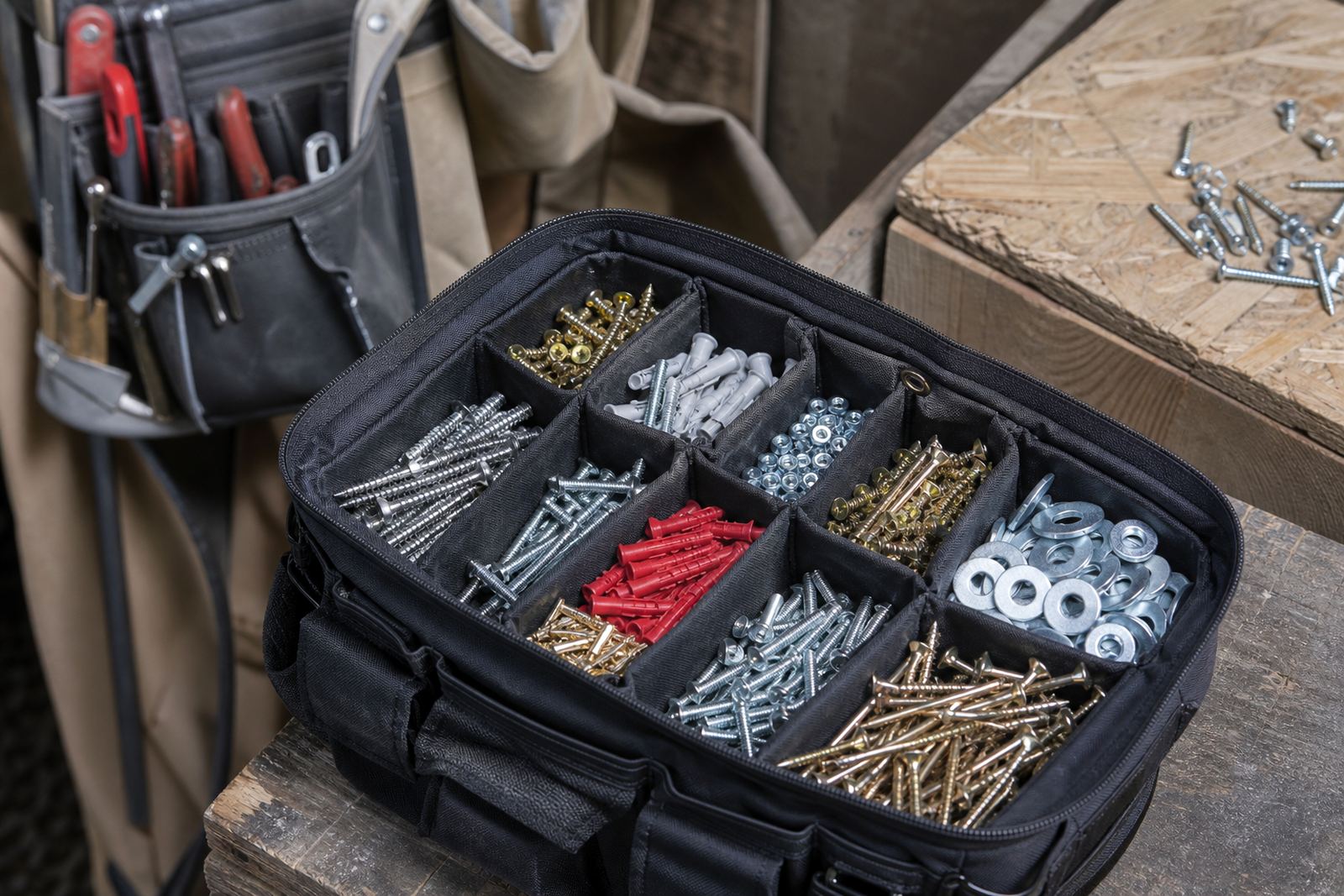
Layout changes everything. Some users want open pockets for quick grab access, while others prefer a more contained layout so small parts do not fall out when moving between floors or scaffolding. Electricians often benefit from narrower pockets and separated sections, while builders may prefer a wider pouch with space for fasteners and site basics.
- Open front sections for quick access to nails, screws and clips.
- Deeper pockets for heavier hand tools that need a secure hold.
- Divider sections for keeping sharp tools and small parts apart.
- Hammer loops, tape slots and utility holders for everyday carry.
On mixed trade sites in Cape Town, Polokwane and Centurion, a balanced layout can help contractors move between tasks without swapping kits all day. That saves time and keeps the work flowing, even when the site changes from framing to finishing or from first fix to final install.
When a Starter Kit Makes Sense
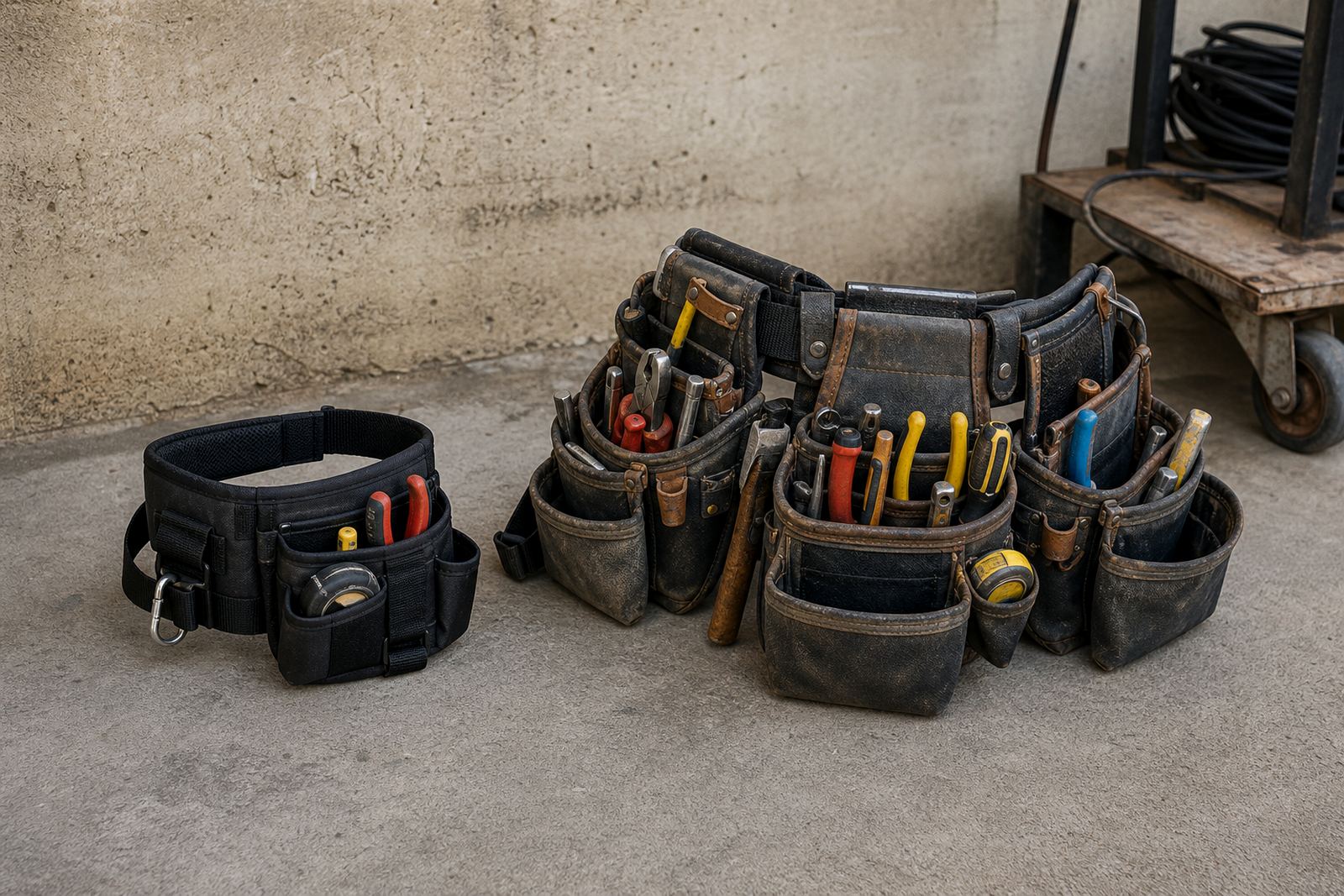
A starter kit is useful when a new team member needs the basics ready from day one, or when a contractor wants a standard setup for multiple workers. It also helps when you are rolling out kit across more than one site and want everyone carrying a similar load. That makes stock control easier and helps supervisors see what is missing before the job slows down.
Starter kit builds are worth considering for small contractors, foremen and teams who want a simple, practical entry point. They can be matched to builders, electricians or mixed trade work, depending on the tools and the type of job. For project rollout supply, consistency matters as much as the bag itself.
Comfort and Durability on Long South African Workdays
Comfort is not a luxury when you are on your feet from early morning to late afternoon. A belt that stays comfortable on site, in a workshop, or during outdoor installs can reduce fatigue and help the crew keep pace. Good stitching, reliable fasteners and sensible pocket placement all matter, especially when the weather changes and the day runs long.
Durability also matters in municipal and commercial work where tools get used hard. Dust, concrete splatter and daily handling put strain on every seam. If your team works near the coast, moisture and salt can speed up wear, so choosing a practical setup with long term use in mind is worth it.
Use These Guides to Plan Bulk Orders
These guides are designed to help buyers make the right call before ordering. Whether you need a few belts for a small crew or a larger supply plan for multiple sites across South Africa, it helps to think through fit, pouch count and task type first. That way the order supports the work instead of creating more admin later.
- Bulk team orders for contractors and foremen.
- Mixed trade kits for sites with builders and electricians on the same crew.
- Stock replenishment plans for regular replacement and top ups.
- Site specific selection for location, task type and work conditions.
From Alberton to Durban, Cape Town and Polokwane, the best setup is the one that keeps tools organised and easy to reach. If you are comparing options, use these guides as a practical check before you commit.