Start With the Work You Actually Do
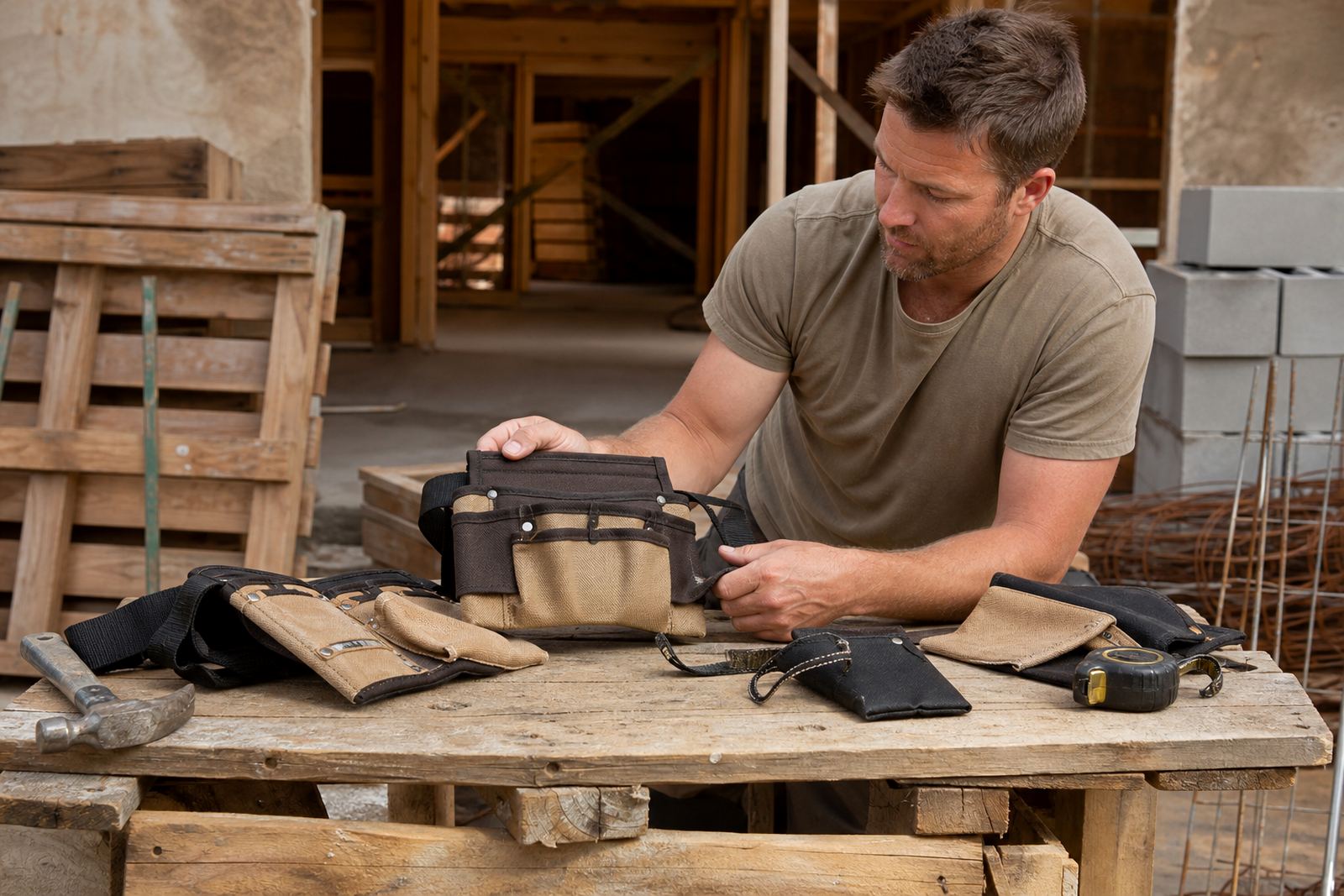
The right nail bag depends on the job. A bricklayer carrying fixings all day has different needs to an electrician moving between panels, ladders and ceiling spaces. Before you compare styles, write down what you carry most often and how often you need each item.
For heavier site work, a bag with deeper pockets and firmer structure helps stop fasteners from spilling when you bend or climb. For electrical work, smaller grouped pockets can keep screws, sleeves, cutters and a marker in a set place so you are not hunting for them at 7am on a cold Alberton morning.
- List your daily items first, not the extras
- Separate loose fixings from hand tools
- Think about kneeling, climbing and overhead work
- Check whether you work in heat, dust or coastal humidity
Pocket Volume: Size Matters More Than Count
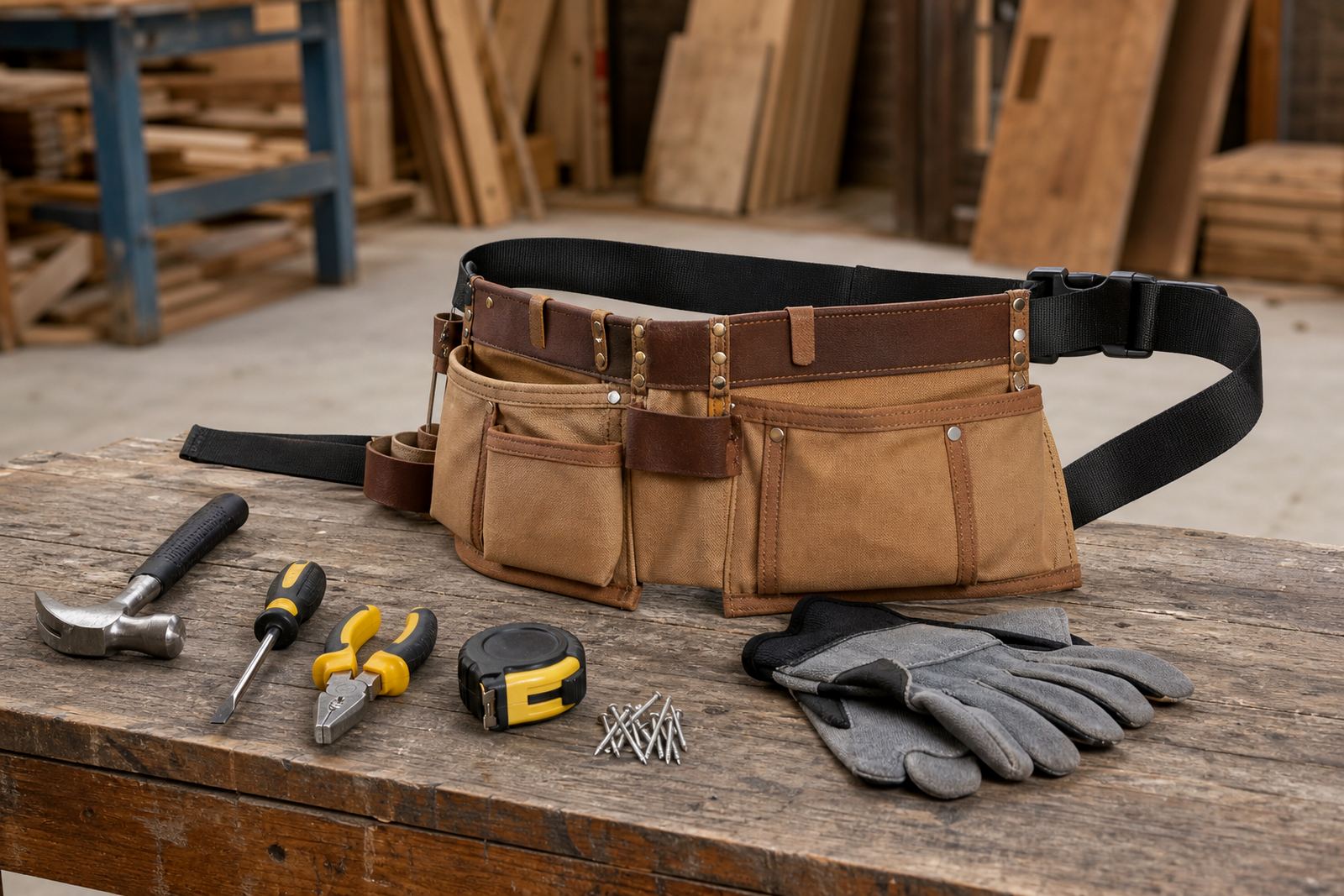
Many buyers look at the number of pockets and stop there. That is a mistake. Two bags can both have six pockets, but one may suit small fixings and the other may take larger nails, clips and compact tools. Pocket volume tells you how much each section can hold without bulging or turning awkward on the hip.
Look for a mix of pocket depths. Shallow pockets are useful for pencils, insulation tape and bits you need quickly. Deeper pockets suit fasteners and larger hand tools. If you carry mixed items, choose a layout that lets the weight sit low and close to the body, not hanging out from the belt.
- Check pocket depth, not only pocket count
- Make sure small items do not fall through open tops
- Choose reinforced bottoms for heavy fasteners
- Look for separate sections for sharp tools and loose stock
Access Speed When Gloves and Dust Get in the Way
Good access saves time on site. If you have to fight with tight openings or tiny flaps every few minutes, the bag slows you down. In South African construction conditions, where dust, heat and load shedding schedules can change the pace of a day, you want pockets that stay open enough for one-handed use.
Test how easily you can reach common items. Can you get to a pencil, driver bit, pliers or pack of nails without pulling the bag off? Are the pocket mouths wide enough for gloved fingers? A practical bag should let you work without stopping to sort and restack after every task.
- Open and close each pocket with one hand if possible
- Check whether flap closures snag on gloves
- Make sure items do not jam when the bag is full
- Confirm you can access tools while kneeling or on a ladder
Carry Comfort for Long Shifts
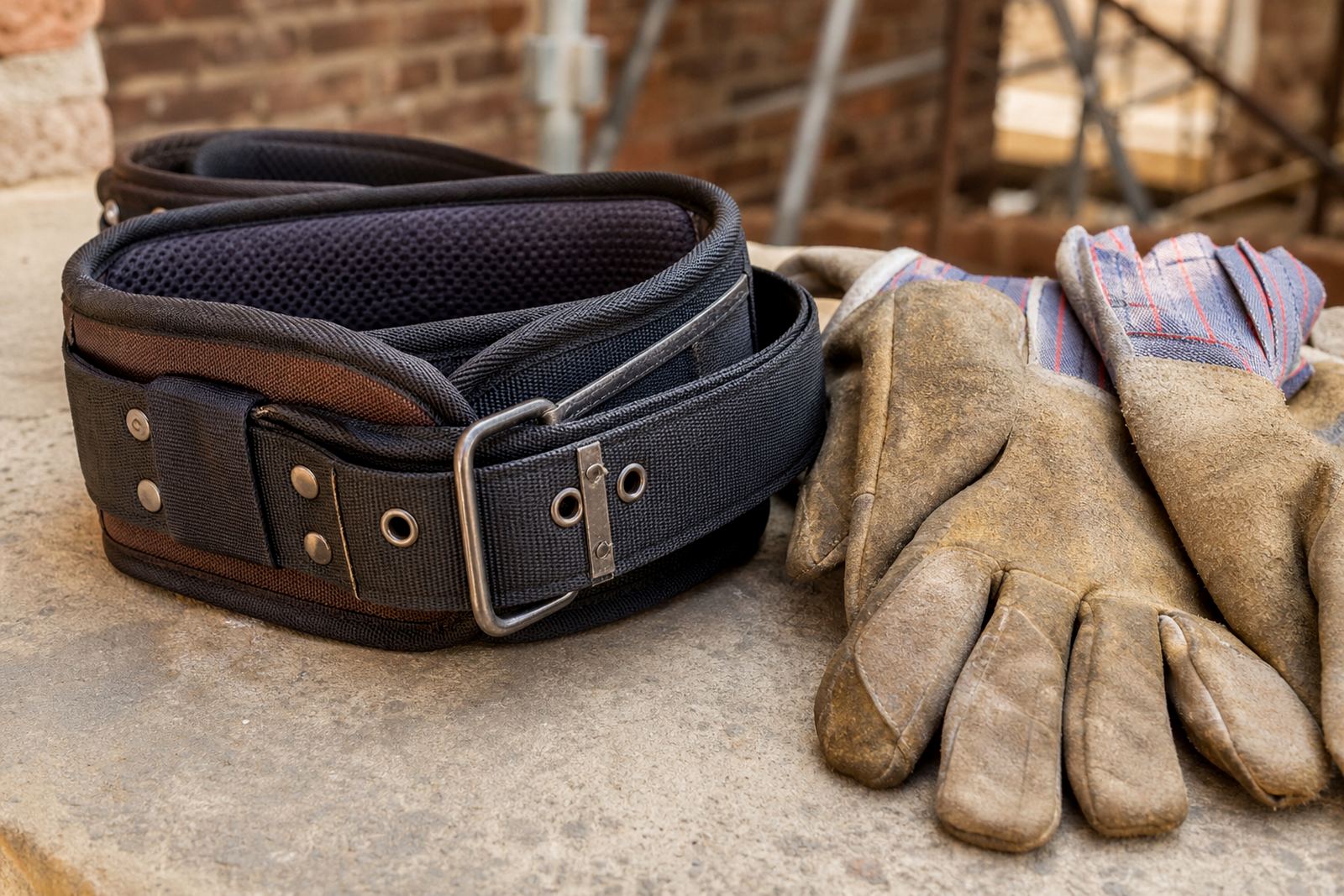
Comfort matters once the bag is loaded. A waist bag that feels fine in the shop can become tiring after a full day on a site in Pretoria or Durban. Look at belt width, padding, stitching and how the weight spreads across the hips. A narrow belt may feel neat, but it can dig in when the bag carries nails, screws and a few hand tools.
If you are comparing options, wear the belt with a realistic load. Walk, bend, reach and climb a step ladder. The bag should stay steady without swinging or twisting. Adjustable sizing also matters because over a shirt, jacket or rainwear you may need extra room in winter and a tighter fit in summer.
- Choose a belt that adjusts easily over layered clothing
- Look for padding where the belt sits on the hip
- Check stitching around stress points and loops
- Make sure the bag does not slip when you lean forward
Material, Stitching and Site Conditions
Construction sites are hard on gear. Sharp edges, concrete dust, rain and sun all shorten the life of a poor bag. A good nail bag should have strong fabric, neat stitching and reinforcement where pockets meet the belt. If you work near the coast, humidity can also affect metal parts and the feel of the fabric over time.
Inspect the finishing before you buy. Loose thread, weak rivets and thin pocket edges usually show up later as tearing or sagging. If you are supplying a team in Johannesburg, Cape Town or Polokwane, think about the mix of work conditions they face and select gear that can handle repeated daily use.
- Check seams at the bottom of pockets
- Look for reinforcement on high-wear points
- Consider weather exposure and storage conditions
- Make sure metal parts do not rust easily
Simple Comparison Checklist Before You Order
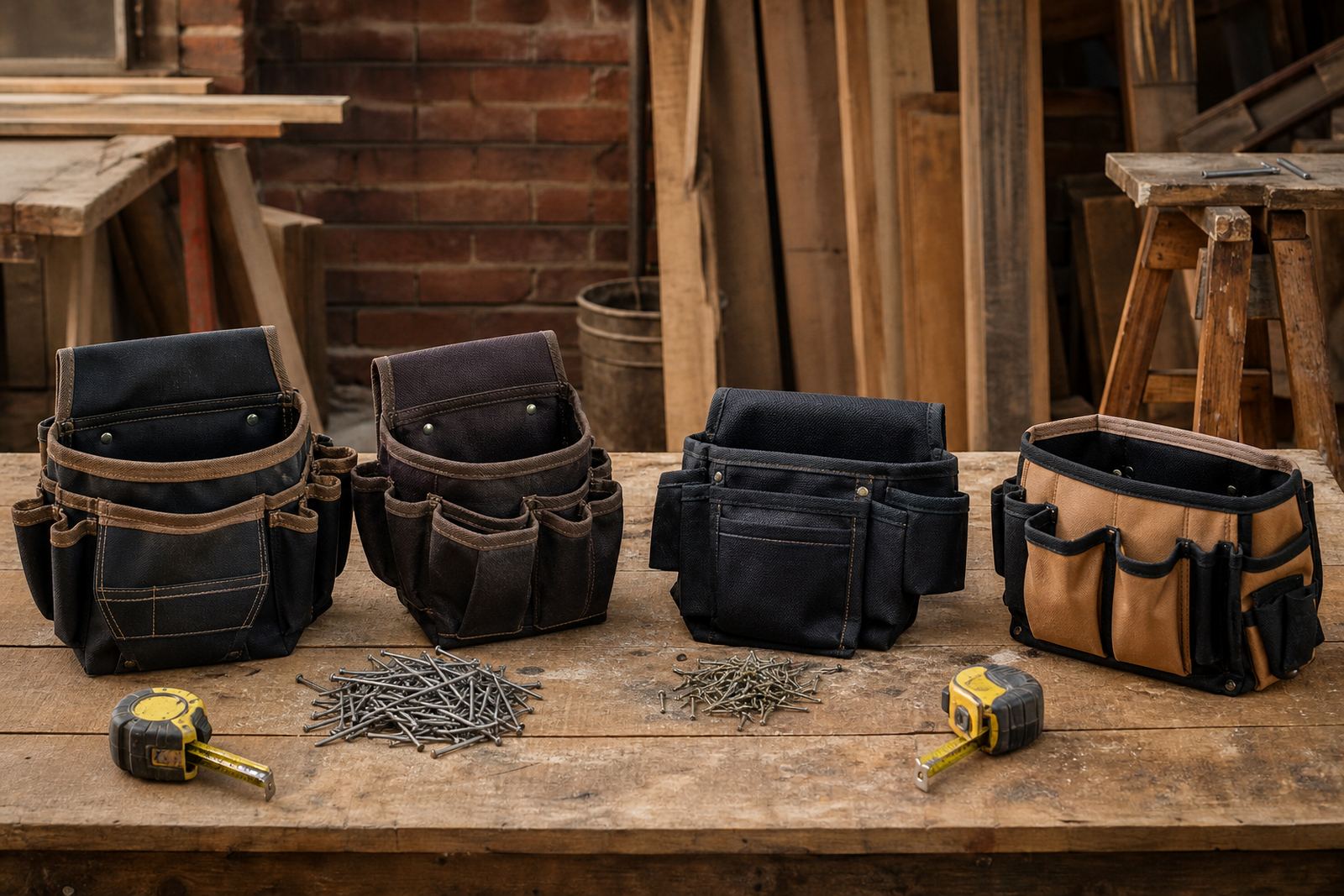
Use a short checklist before you place a bulk order or buy for yourself. This keeps the decision practical and helps you avoid bags that look suitable but do not suit the actual job. If possible, compare two or three layouts side by side using the same load of tools and fixings.
For contractor teams, a standard layout can make ordering easier and reduce confusion on site. For mixed trade crews, you may need different pocket plans for builders and electricians. Our team in Alberton supports starter kit builds, mixed trade kits and pocket layout planning for sites across South Africa.
- Does the bag hold your daily items without overcrowding?
- Can you reach key tools quickly with one hand?
- Does the belt sit comfortably after 30 minutes of wear?
- Will the bag suit your site conditions and weather exposure?
- Can you scale the same setup for a team order?
When a Custom Layout Makes More Sense
Sometimes the standard setup is not enough. If your crew carries different fixings from one project to the next, a custom layout can save time and reduce clutter. This is common on refurbishment sites, electrical fit outs and contractor rollouts where the same bag needs to work across different tasks and teams.
Custom ordering is worth considering when the bag needs to match a specific trade routine, a belt size range, or a project schedule. It also helps when you need to stock the same setup for multiple sites from Midrand to Centurion, without guessing which pockets will get used most. A small change in pocket placement can make a big difference once the work starts.