Start With the Jobs You Do Most Days
Before you choose a pouch, list the work you do every week. A builder who handles setting out, fixing, measuring and light finishing will need a different carry setup from someone moving between blockwork, formwork and snag repairs. The aim is to keep the hand tools you reach for most often within easy reach, without overloading your belt.
On busy sites in Johannesburg, Pretoria or Durban, a practical pouch saves time at every stop and start. You should be able to grab your tape, pencil, knife, plugs or fasteners without digging around. That matters when the gang is waiting, the weather turns, or load-shedding cuts the light and you need to finish a task fast.
- Write down your daily tools in order of use.
- Separate measuring tools from fixings and small parts.
- Check whether you need one pouch or a left and right setup.
- Keep the carry list short enough to stay comfortable for a full shift.
Choose a Pouch Layout That Matches Your Trade
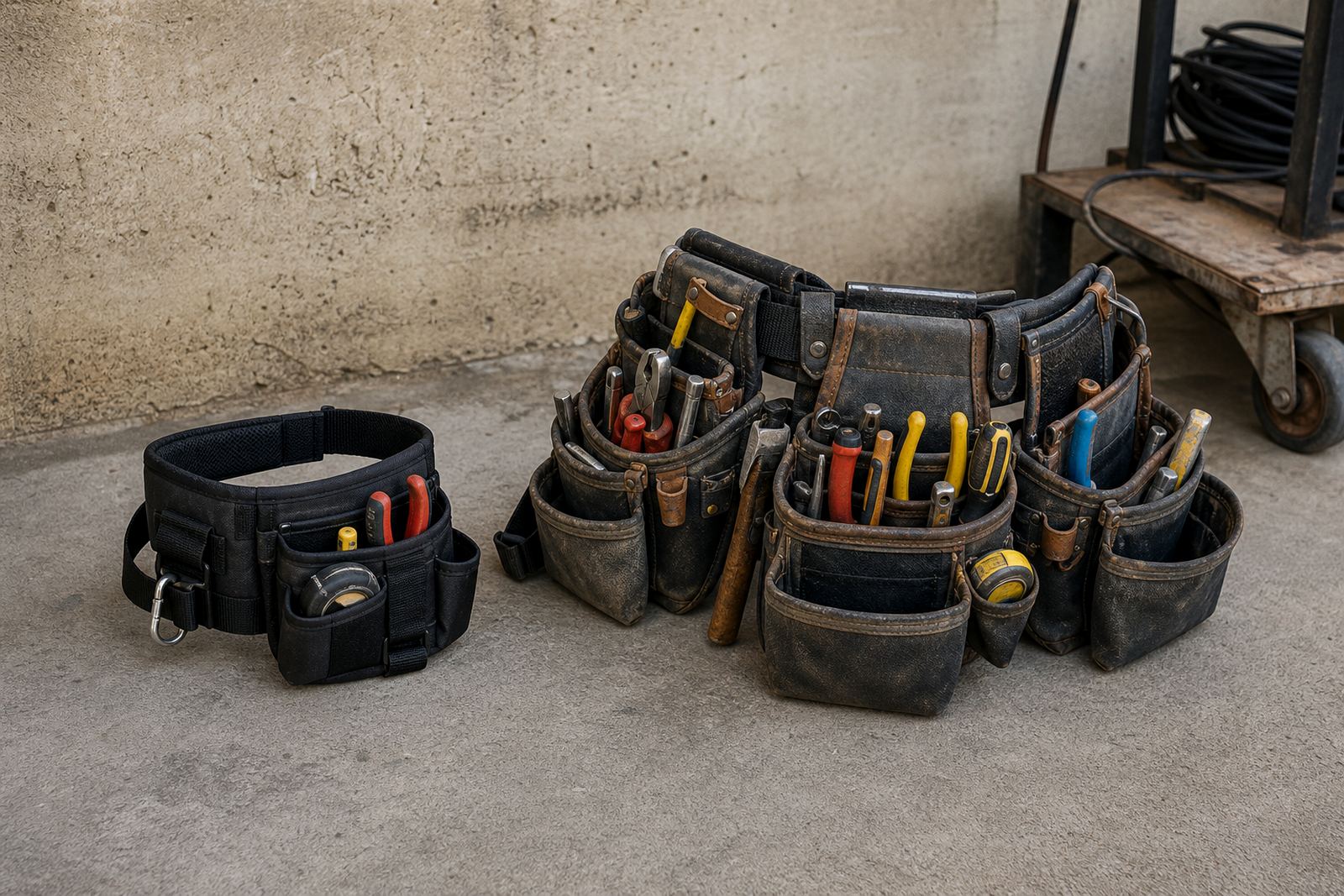
Builders usually work best with open pockets, a few deeper slots and one secure compartment for small items. Deep pockets help keep fasteners, wall plugs and chalk from spilling out when you move around scaffolding or a site yard. Smaller front slots are useful for pencils, markers, nail sets and a utility knife.
If you also handle electrical tasks, think carefully about separating sharp tools from testing gear and small fittings. A neat layout reduces rummaging and helps prevent damaged items. For mixed teams on large developments, we often suggest a starter kit build that keeps the pouch setup consistent across the crew.
- Open pockets for quick access items.
- Deeper slots for nails, screws and small fixings.
- One closed pocket for items that must not fall out.
- Space for a tape measure without crowding the rest of the pouch.
Check Belt Fit Before You Buy
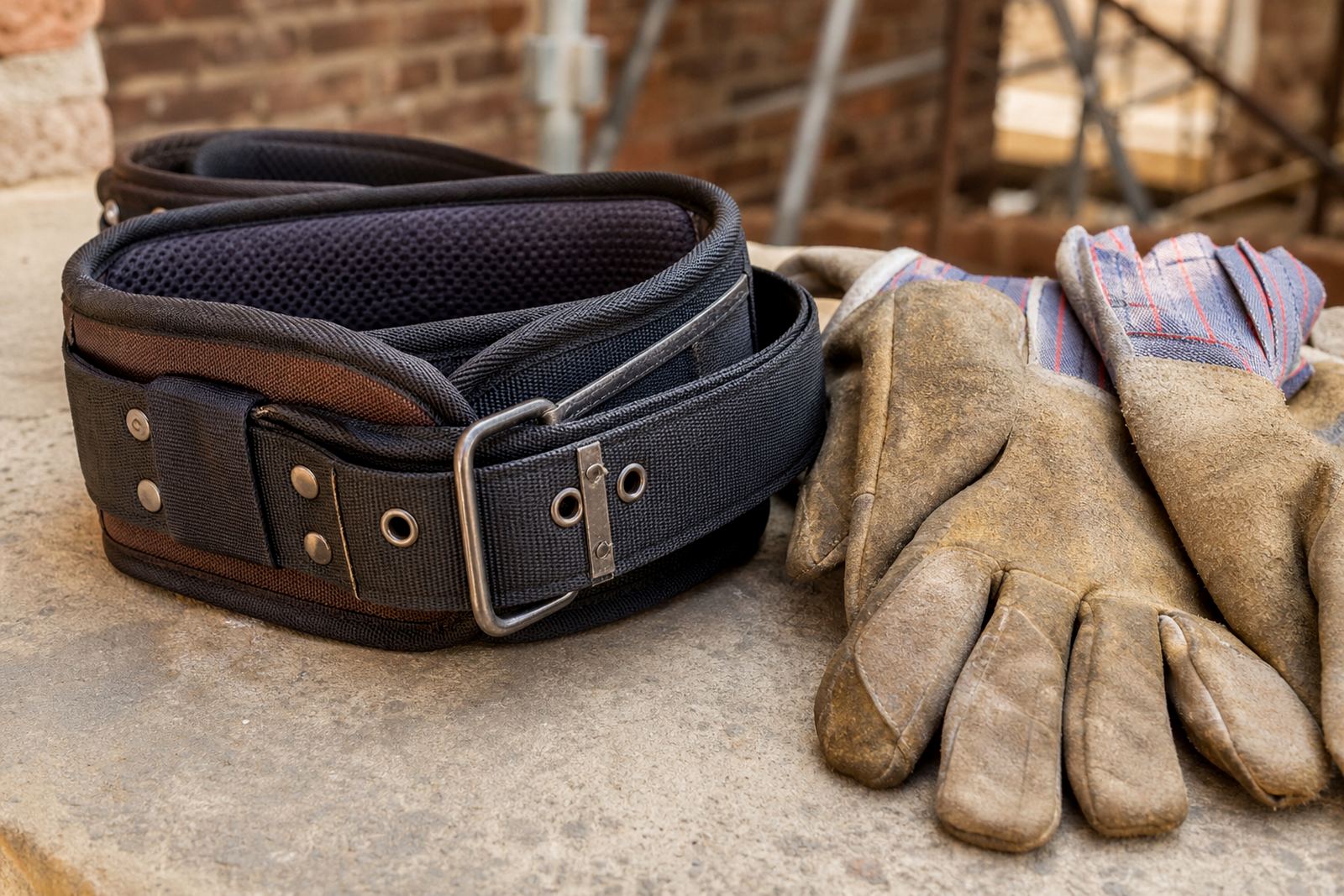
A pouch only works properly if the belt fits well. Too loose and the pouch shifts on the hip. Too tight and it starts digging in by mid morning. For builders who bend, climb and kneel often, the belt should sit firm but not restrictive. A good fit also helps keep the weight balanced so your lower back does not take a beating.
When ordering for a team, use belt size matching for each person rather than guessing. One size does not suit everyone and a poor fit leads to early wear. If your crew works along the coast in Durban or Cape Town, also look for materials that cope with humidity and salty air. That little bit of care can help the gear last longer, even when the site conditions are rough.
- Measure over work clothes, not just casual clothing.
- Check that the buckle closes securely and adjusts easily.
- Make sure the pouch does not twist when loaded.
- Test it with the tools you actually carry.
Match Material and Stitching to Real Site Wear
Builders pouches take knocks, dust and sharp edges every day. You need strong stitching, firm pocket walls and material that can handle abrasive use. Reinforced corners are important because that is where wear usually starts. A pouch that holds its shape makes it easier to keep tools organised, especially when the day gets busy and you are moving between tasks on the run.
Ask whether the pouch is suited to the type of site you work on. Indoor finishing work may be lighter, while rough construction sites need more support around stress points. If you are supplying crews across Alberton, Midrand or Polokwane, it is often better to choose a tougher build from the start instead of replacing weak pouches later.
- Look for reinforced seams and pocket edges.
- Check for abrasion resistance on the base panels.
- Choose a finish that is easy to clean after cement dust and site dirt.
- Make sure metal parts or clips do not snag clothing.
Build a Daily Carry List That Stays Practical
The best pouch is the one that carries only what you need for the day. A heavy pouch slows you down and makes climbing ladders or stepping over rubble more awkward. Keep the carry list tight and review it by task. A carpenter style day and a site supervision day do not need the same load. If you are carrying too much, split the load between two pouches or move some items to a larger kit bag.
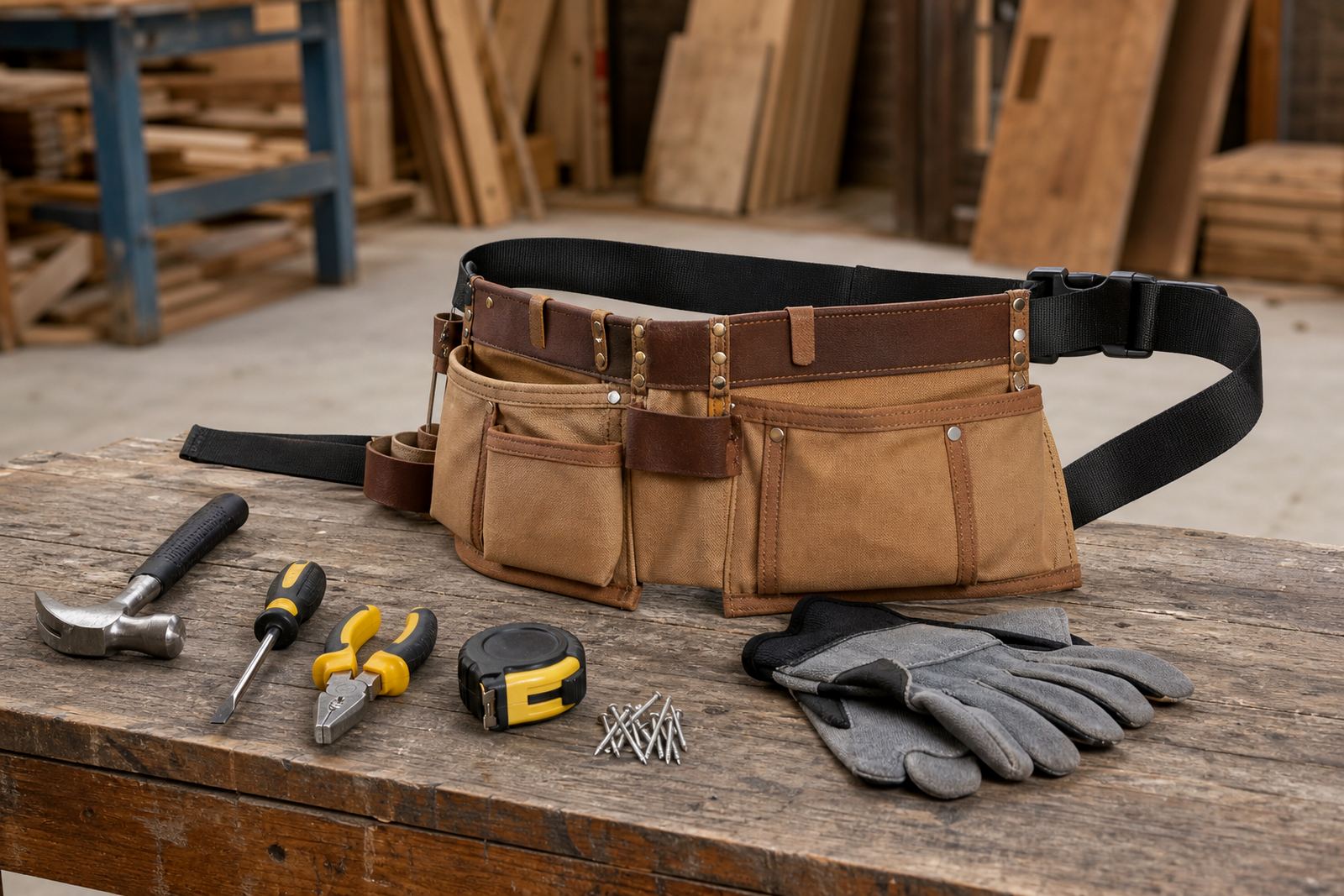
A simple carry list for builders might include a tape measure, pencil, chalk, knife, small hammer, screws, plugs, a marker and one or two specialist items for the job. That is enough for most day to day tasks without turning the pouch into a storage bin. It sounds simple, but it saves real time once the job starts.
- Keep only daily-use tools in the pouch.
- Move spare stock back to the van or site box.
- Empty broken off screws, dust and offcuts at the end of the shift.
- Reset the pouch each morning before work starts.
Use a Simple Buying Checklist for Teams and Projects
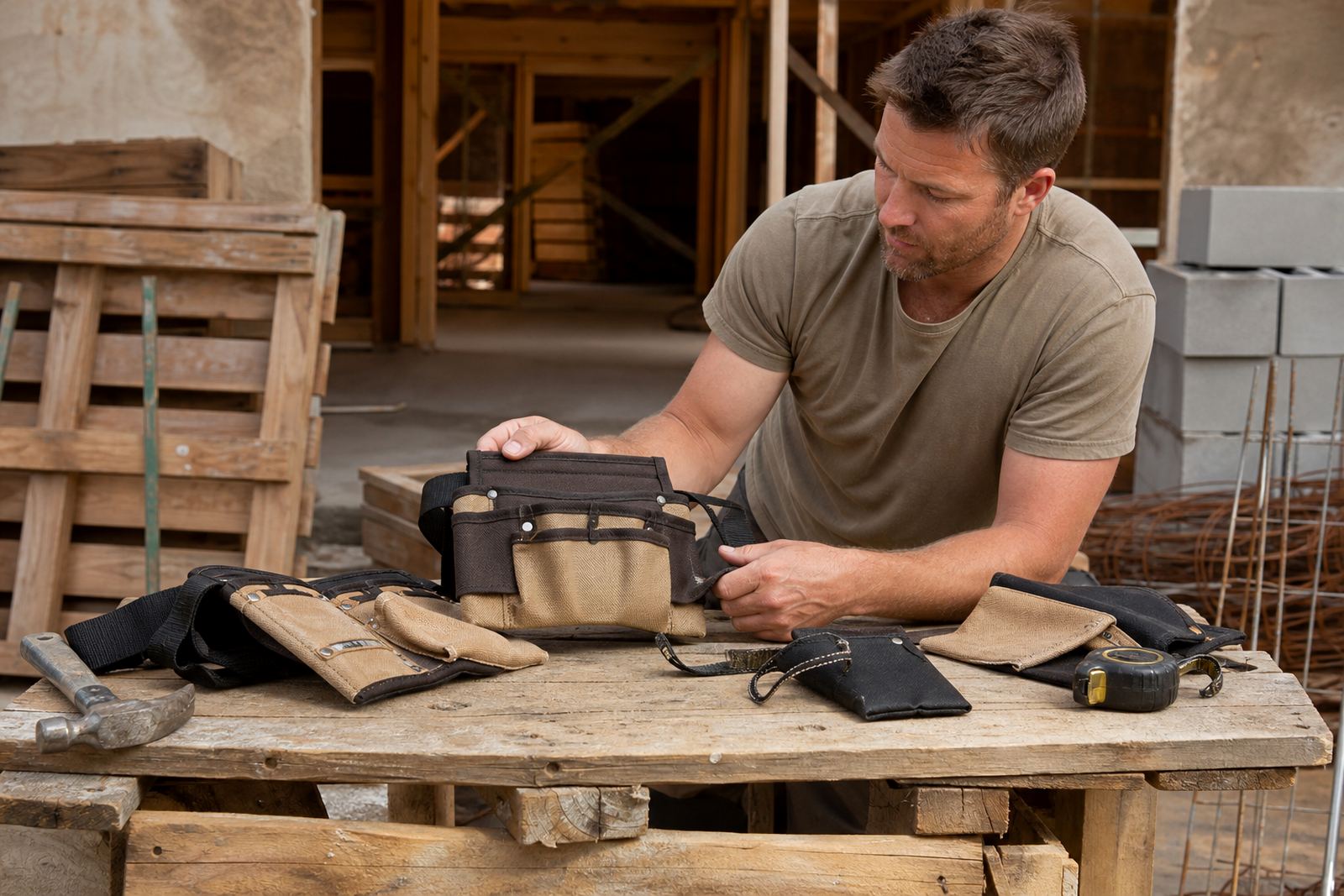
If you are buying for a crew, make the order around actual job roles. A foreman, bricklayer and site support worker may need different pouch layouts and belt sizes. This is where project rollout supply helps, because it keeps the order consistent and avoids mix ups on delivery. For builders working across South Africa, especially on time sensitive jobs, that kind of planning saves a lot of back and forth.
Before placing an order, go through a short checklist and confirm what the team needs on site. That reduces waste and helps you buy the right mix the first time. Our team in Alberton works with bulk team orders, contractor support and mixed trade kits for builders and electricians who need practical gear, not extras they will never use.
- Confirm the number of users and their belt sizes.
- List the daily tools each role carries.
- Decide whether you need starter kit builds or mixed trade kits.
- Plan stock replenishment if the site will run for several months.
When to Replace a Worn Pouch
Even a well made pouch has a working life. Replace it when the belt holes stretch, the stitching opens, the pockets collapse or the pouch no longer sits properly on the hip. If tools are falling out or you are constantly adjusting the belt, the gear is no longer doing its job. A worn pouch can slow the whole day down and create avoidable losses.
For regular site use, check your pouches at the end of each week. Small repairs are fine, but once the structure starts to fail, it is better to move on. That keeps the crew organised and helps avoid the kind of minor delays that add up over a month. In our experience, teams that inspect their carry gear regularly get better use from it and fewer surprises on site.