When a padded belt is worth choosing
A padded utility belt makes the most sense when your pouch load stays on your waist for most of the day. Builders carrying tape, pliers, markers, fasteners and a hammer feel the difference after a few hours, and electricians often do the same when they move from one point to the next across a site. If the belt is thin and stiff, pressure builds up at the hips and lower back, especially on uneven ground or when you bend often.
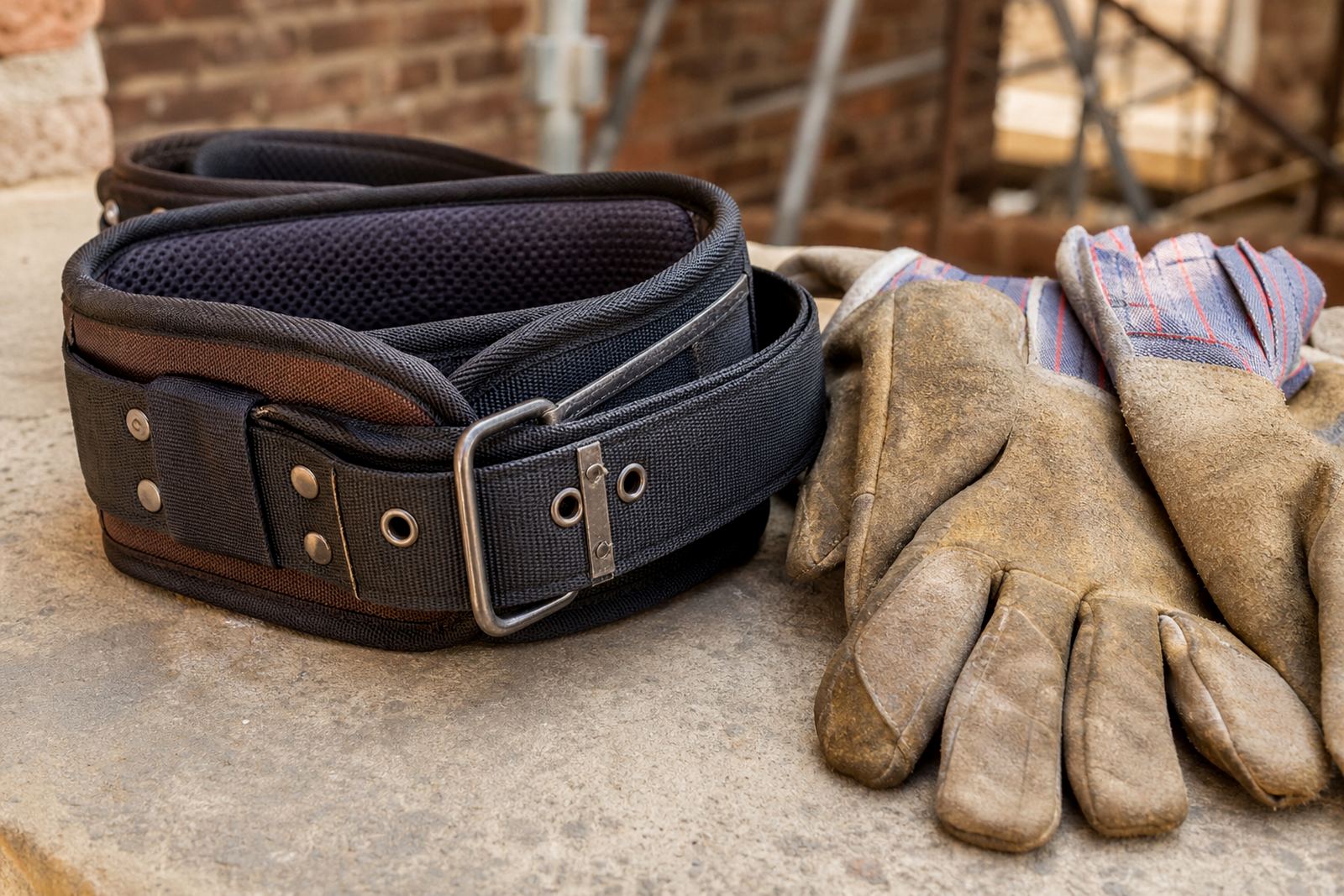
Padded belts are not only about softness. They help spread the weight across a wider contact area so the belt sits more evenly. That can reduce hot spots at the sides and stops the pouches digging in when you crouch or climb. In hot inland weather or damp coastal conditions, this matters because sweat and friction can make an ordinary belt feel worse by midday.
- Choose padding if you carry full pouches for 6 to 10 hour shifts
- Choose padding if your work includes climbing, kneeling or constant walking
- Choose padding if you move between light and medium tool loads during the day
- Choose a simpler belt if you only carry a few small items for short tasks
How padding changes support during a long shift
Padding does not replace good fit, but it improves the way the belt sits on your body. A well sized padded belt helps the load stay centred so it does not twist as you work. That is useful on building sites where you bend, lift and turn often. It also helps reduce the sharp feel of buckle edges or pouch corners against the body.
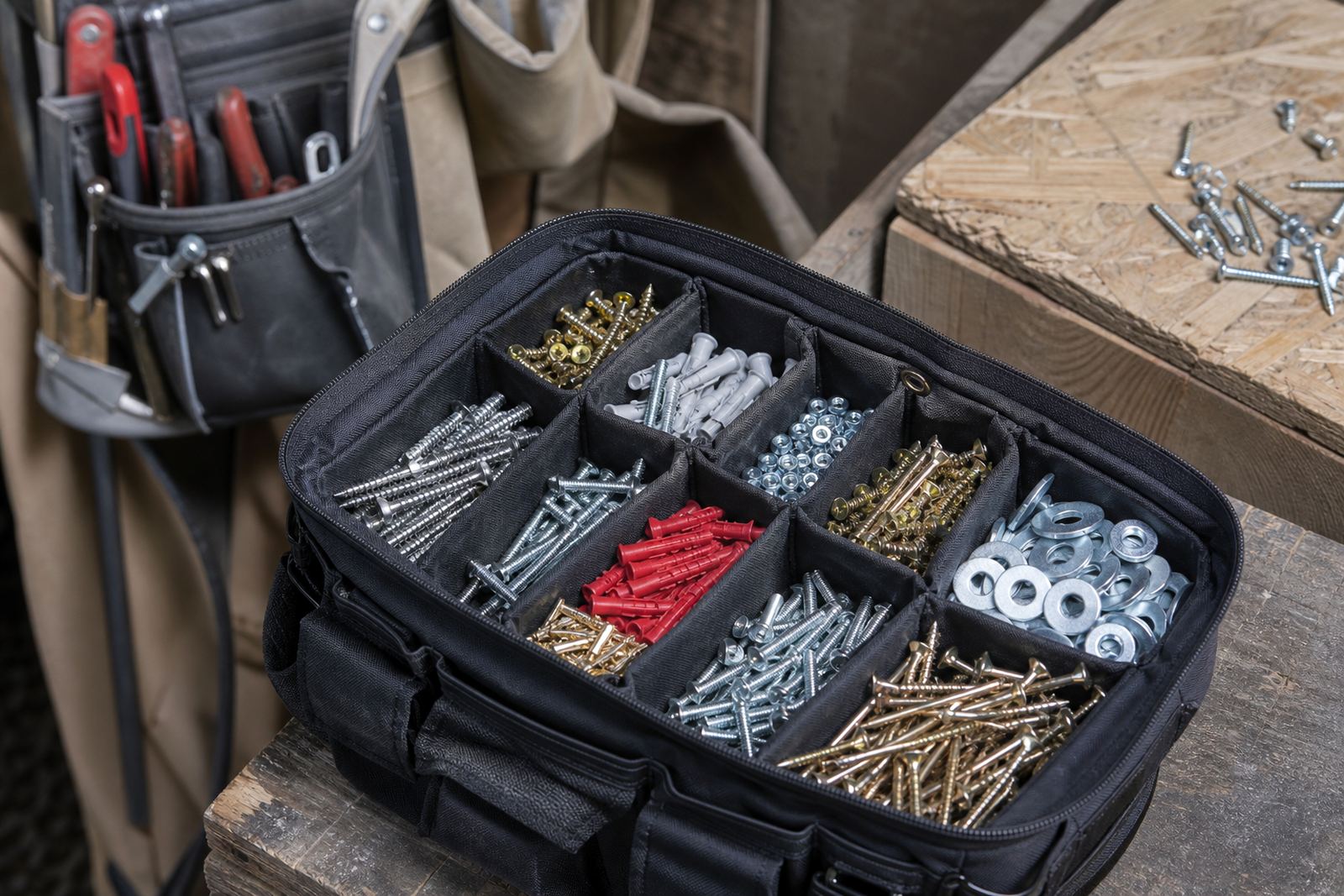
For electricians, support matters when you carry insulated tools, connectors, testers and fixings in small pouches. For builders, the extra cushioning helps when the pouch load shifts after you add nails, screws or a heavier tool. The goal is steady support, not a soft belt that sags. If the belt is too loose, the padding moves and the weight pulls unevenly anyway.
- Better weight spread across the hips
- Less rubbing when you move around a lot
- Reduced pressure points near the buckle and pouch mounts
- More stable feel when the pouch load changes during the day
Quick fit check before you buy
The best belt padding is only useful if the belt size matches your body and your kit. Before you choose, measure your waist where the belt will actually sit, not where your trousers rest. If you wear a thick work shirt, jacket or rain gear in winter, allow for that extra layer. In South Africa, site conditions can change fast, so a belt that feels fine in the morning may pinch by late afternoon if it is too tight.
Check that the padded section covers the main load area and not just a small strip near the front. The belt should stay flat against your body without rolling. If the pouches sit low, the belt may feel heavier and pull at your lower back. A good fit test is to walk, bend and reach up before you commit to a setup.
- Measure waist size with workwear on
- Check where the padding starts and ends
- Test buckle comfort when seated and standing
- Make sure the belt does not ride up or roll over when loaded
Padding for builders versus electricians
Builders usually benefit from broader padding because their kit can be bulkier and heavier. Nails, screws, measuring tools and small hand tools add up fast. The belt needs enough support to hold that weight without cutting into the waist, especially when the day includes concrete work, framing or roofing. A padded belt can also be helpful when workers swap between different pouches on the same project.
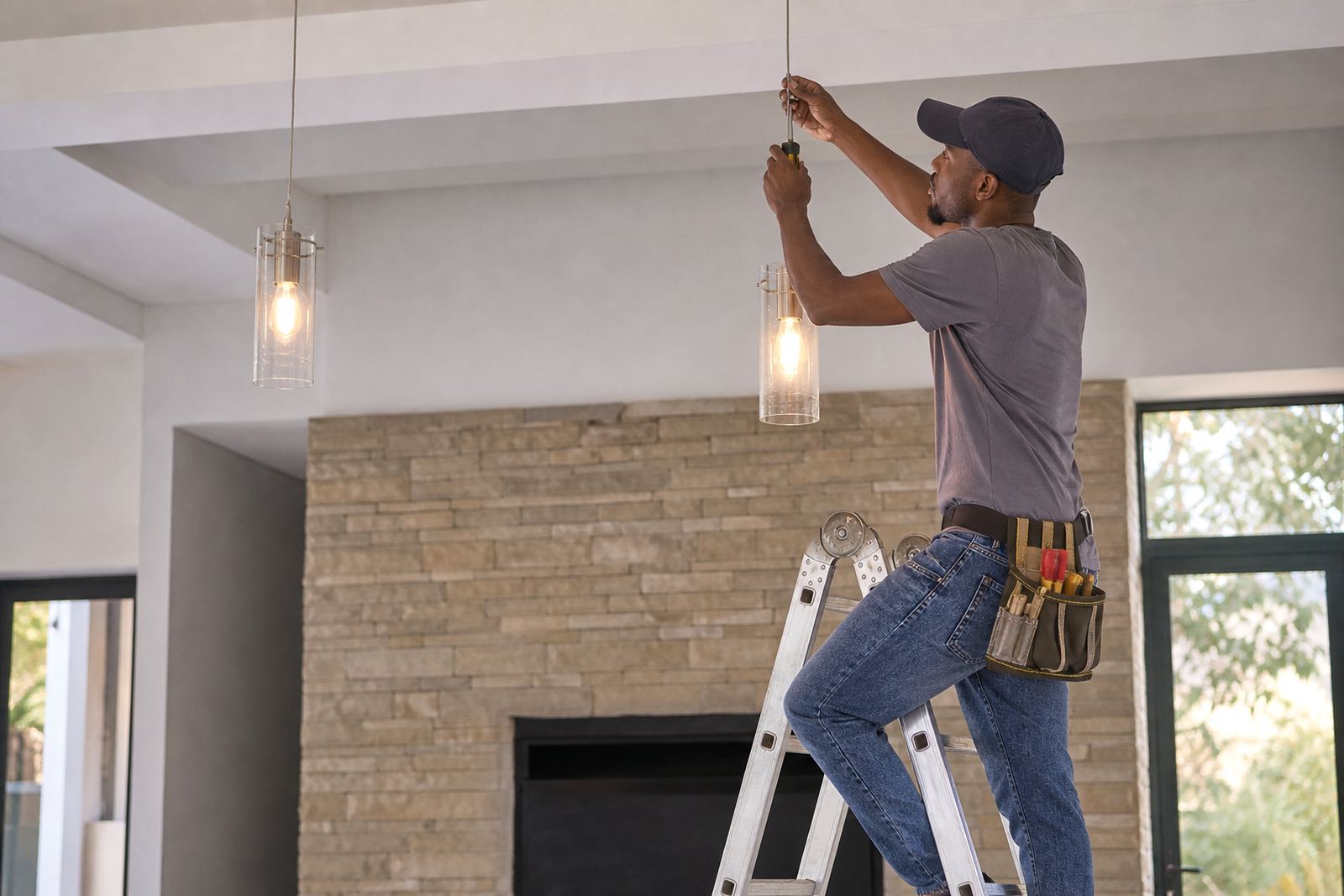
Electricians often need a different balance. Their tools may be lighter, but they need fast access and tidy organisation. For that reason, a slimmer padded belt can work well if it keeps the pouch line close to the body. It should not get in the way when reaching into cable trays, ceiling voids or plant rooms. The right setup depends on the tools you carry and how often you need them.
- Builders: look for wider support, stronger belt hold and space for heavier pouches
- Electricians: look for lighter padding, close fit and quick access to small tools
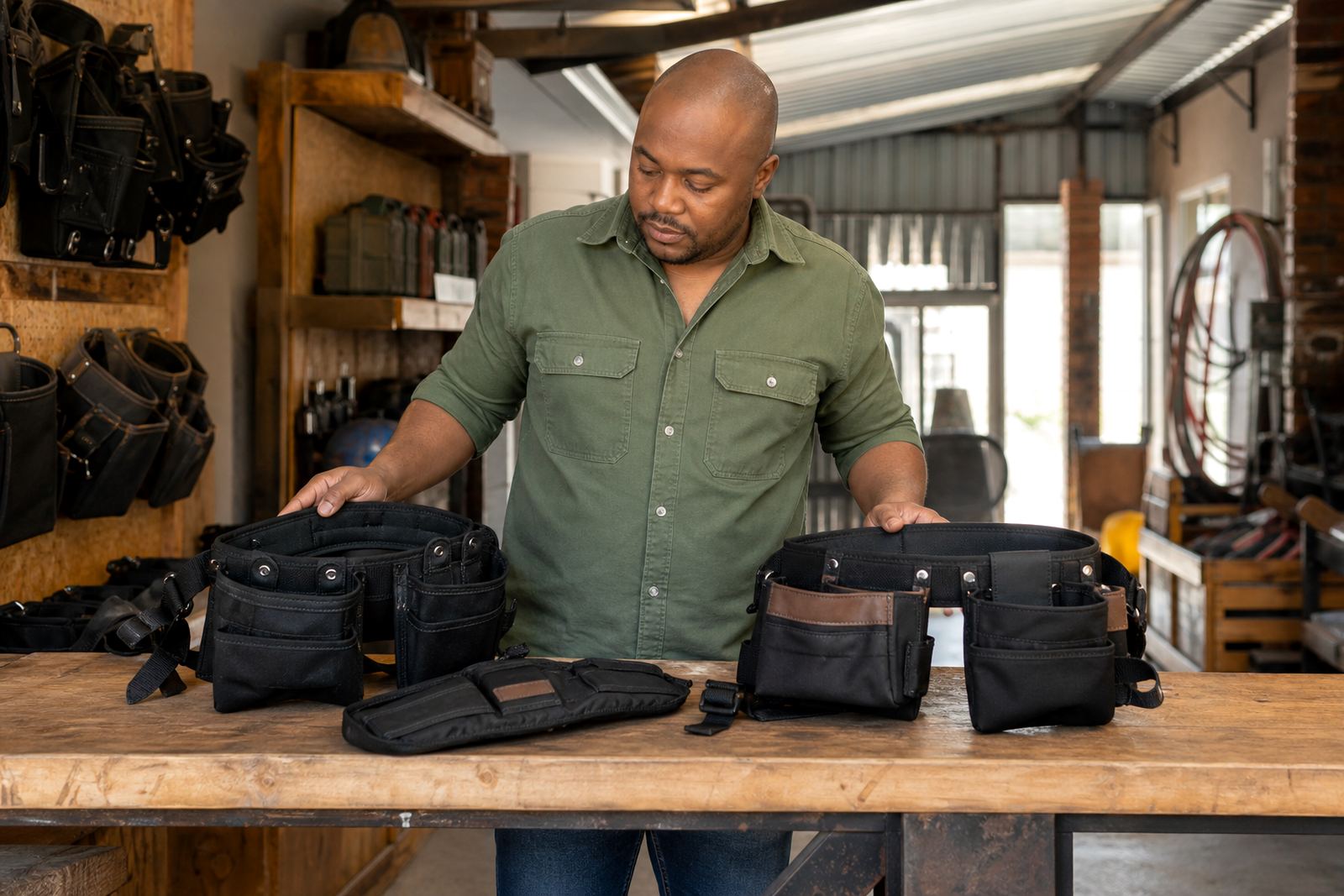
- Mixed trade teams: use different belt widths for different tasks rather than one setup for everything
Signs your current belt needs more support
If you finish the day with sore hips, red marks or a belt that keeps slipping, the support is probably not right. Some workers try to fix this by tightening the belt harder, but that can make the pressure worse. Others add more pouches and wonder why the belt feels worse by the afternoon. The answer is often better padding and a better layout, not just more tension.
Watch for early warning signs during the first week of use. If the buckle presses into your stomach when you sit, or if the pouches swing when you walk, the belt is not matching the load. In damp weather around Durban or on hot sites in Gauteng, sweat can also make an under padded belt move more than expected. When that happens, the body works harder to keep the kit in place.
- Red marks or pressure near the hips after a shift
- Belt sliding down while walking or climbing
- Pouches tipping forward when loaded
- Lower back fatigue from carrying the kit all day
Choosing a padded belt setup for site work
Start with the tools you use most often, then build the belt around those items. A practical setup keeps the heaviest tools close to the centre and the lighter items where they are easy to reach. If you work on several sites across Johannesburg, Pretoria or the coastal cities, a balanced kit saves time and cuts down on unnecessary strain. It also makes stock planning easier when teams need repeat orders or starter kits for new staff.
Use this simple checklist before placing an order or setting up a team issue:
- List the items carried every day and the items carried only sometimes
- Decide whether you need extra padding or a lighter belt profile
- Match belt size to the user, not just to the pouch count
- Check if the team needs mixed trade kits, starter builds or contractor order support
- Plan for delivery and replenishment so the team is not short on site
At Waistbags Pro in Alberton, we help builders and electricians choose belt padding and pouch layouts that suit the work, the site conditions and the load they carry. If your team works through long shifts, a better fit can save a lot of wear and tear over time.