

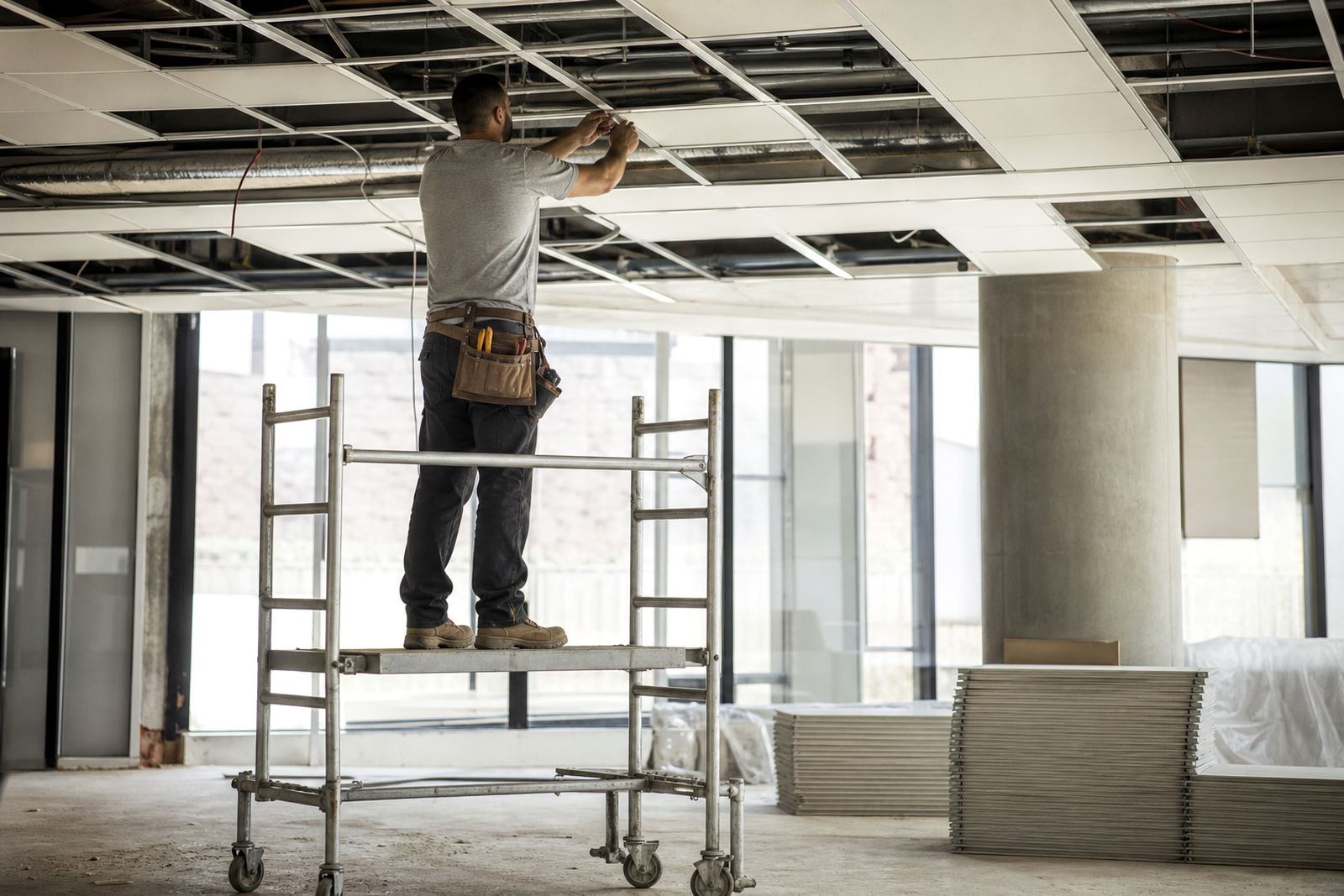
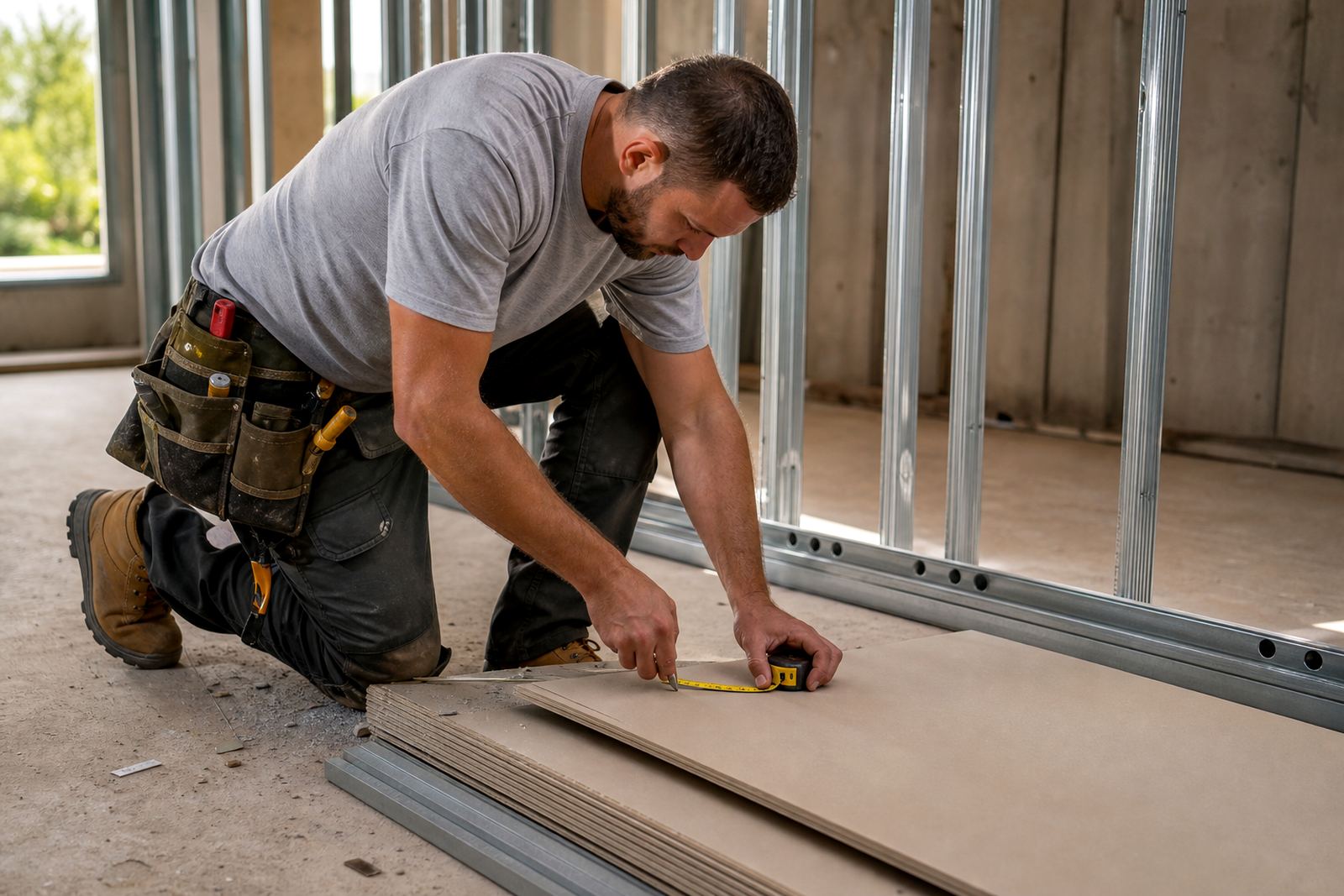
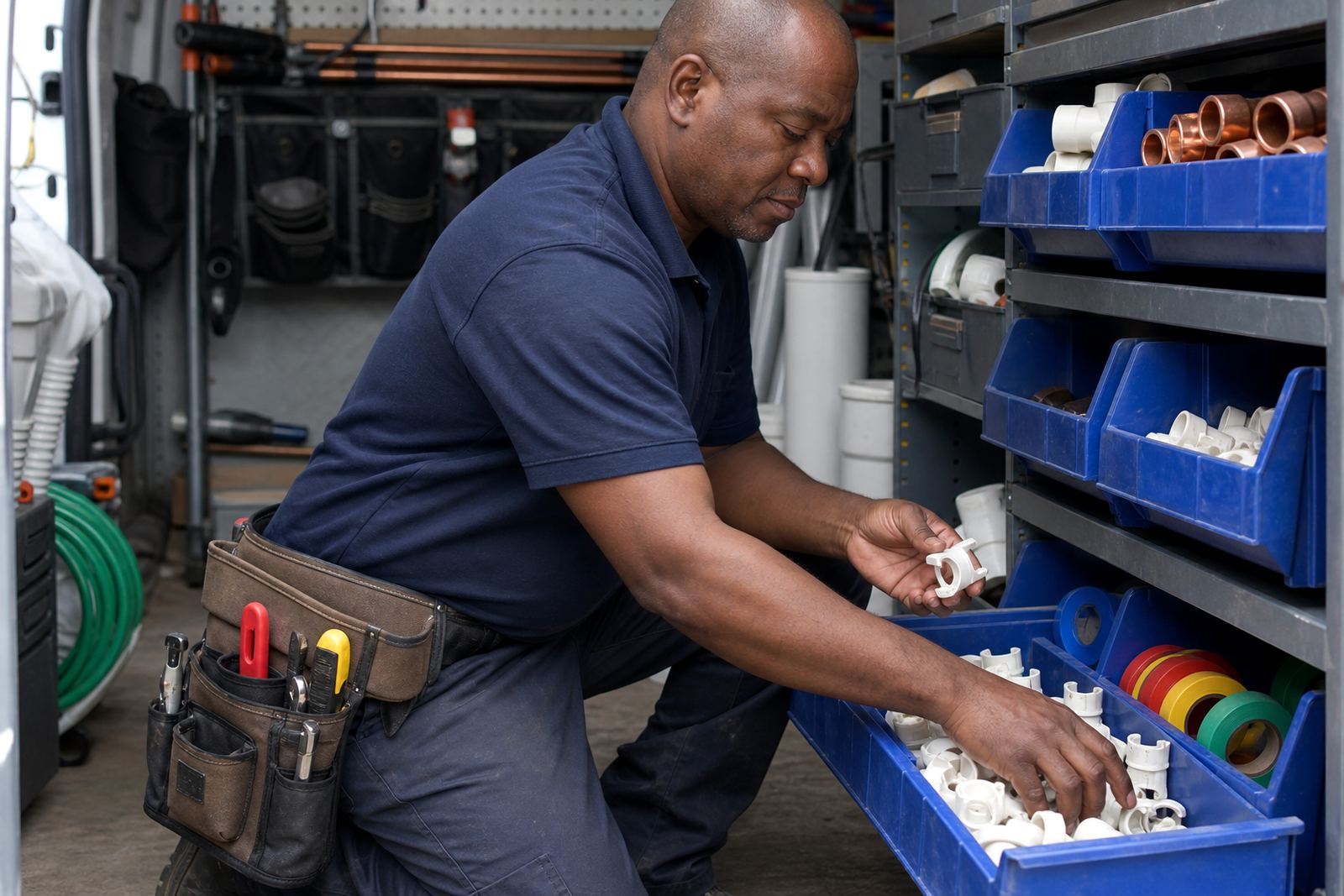

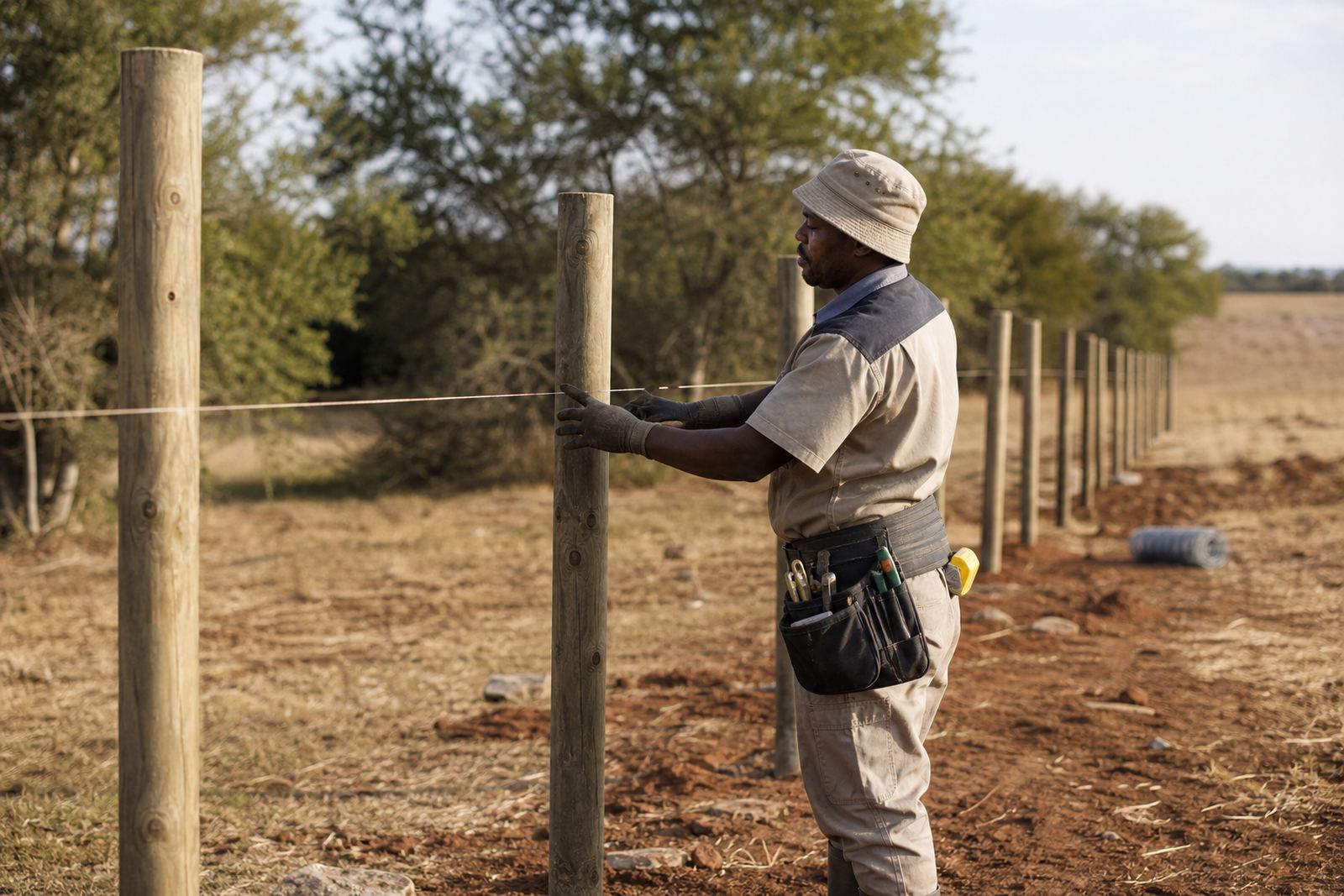
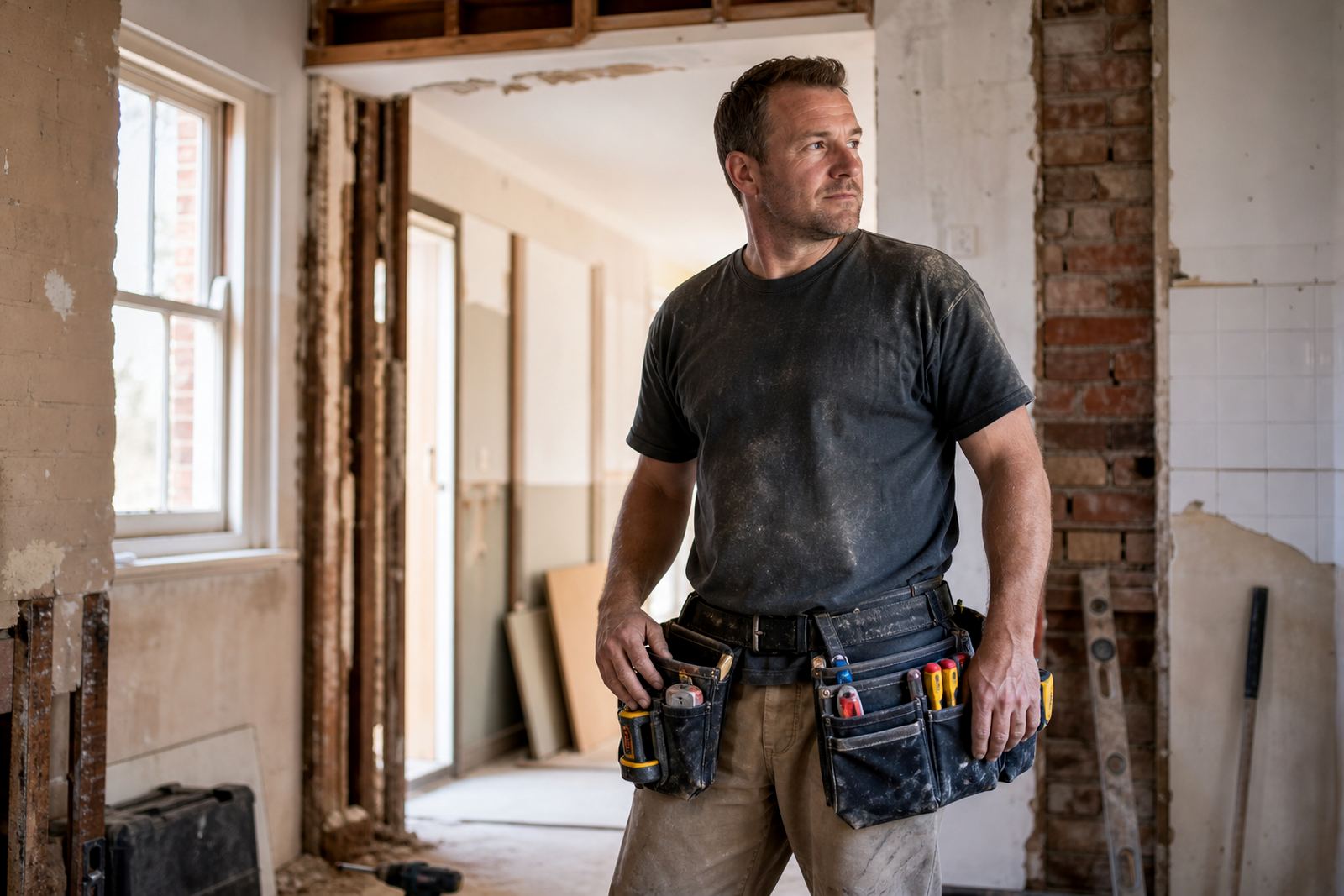

Choose the right carry for the job
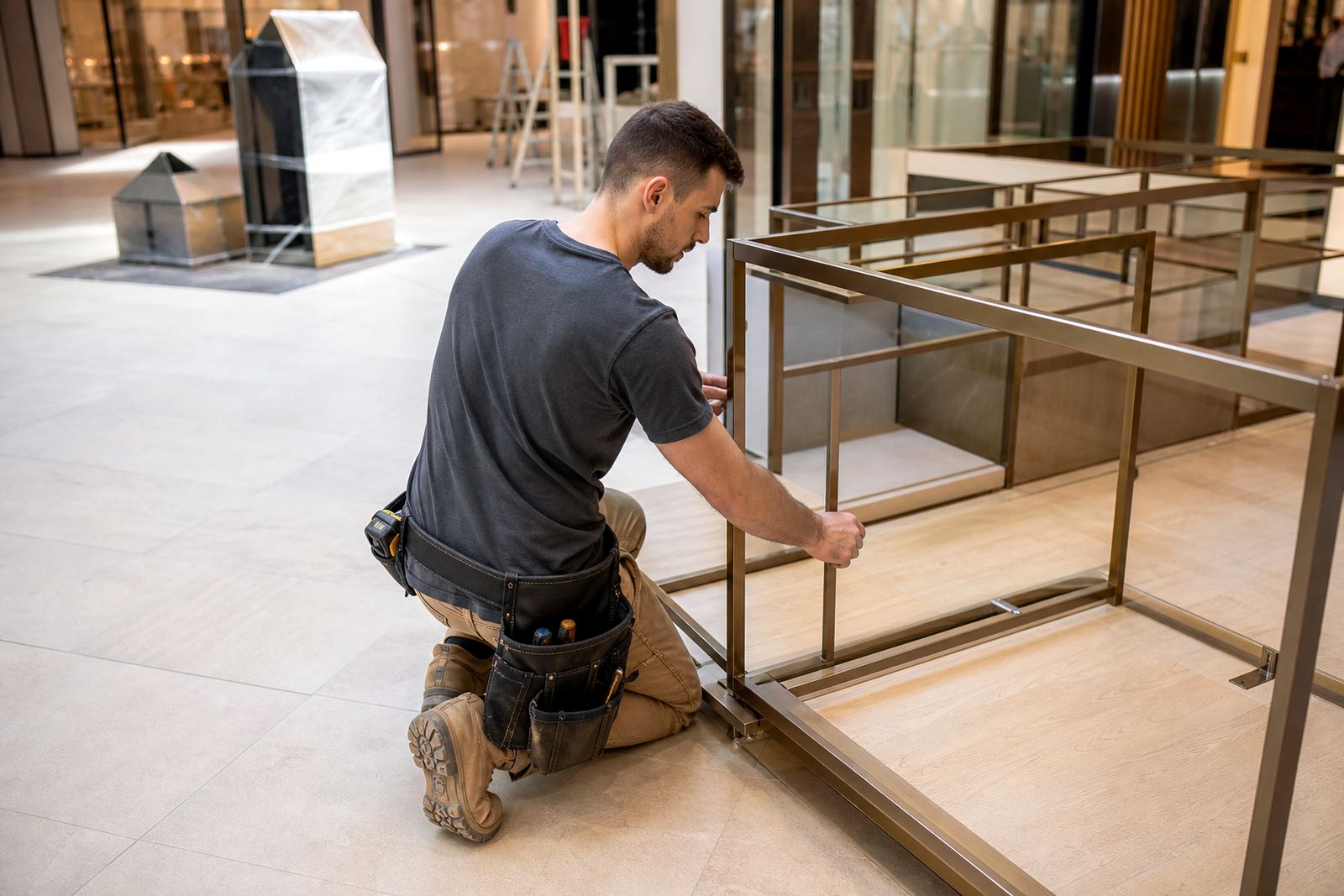
Not every trade needs the same pouch layout. A bricklayer carrying fixings, a first-fix electrician with testers and insulation tape, or a contractor moving between rooms all need different access, weight balance and pocket depth. That is why this range includes tool pouches, nail bags and utility waist belts in different sizes and pocket counts.
When selecting a setup, think about what you reach for most often, how much you climb or crouch, and whether you work in hot inland conditions or damp coastal air. In Alberton, Johannesburg and Pretoria, many teams prefer a lighter belt for all-day wear. In Durban and Cape Town, clients often ask for materials that hold up to moisture and daily site movement.
Builders who need quick access on site
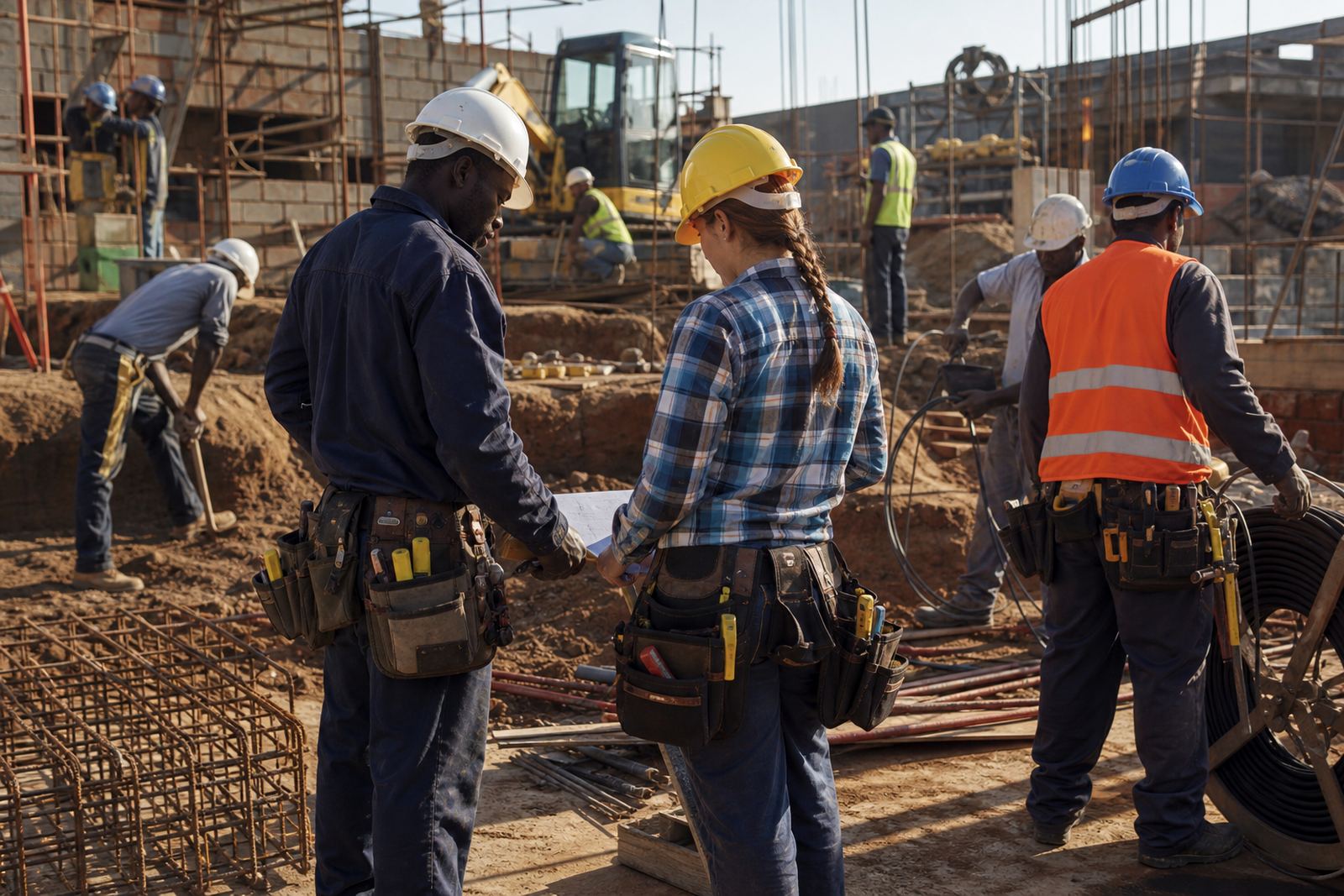
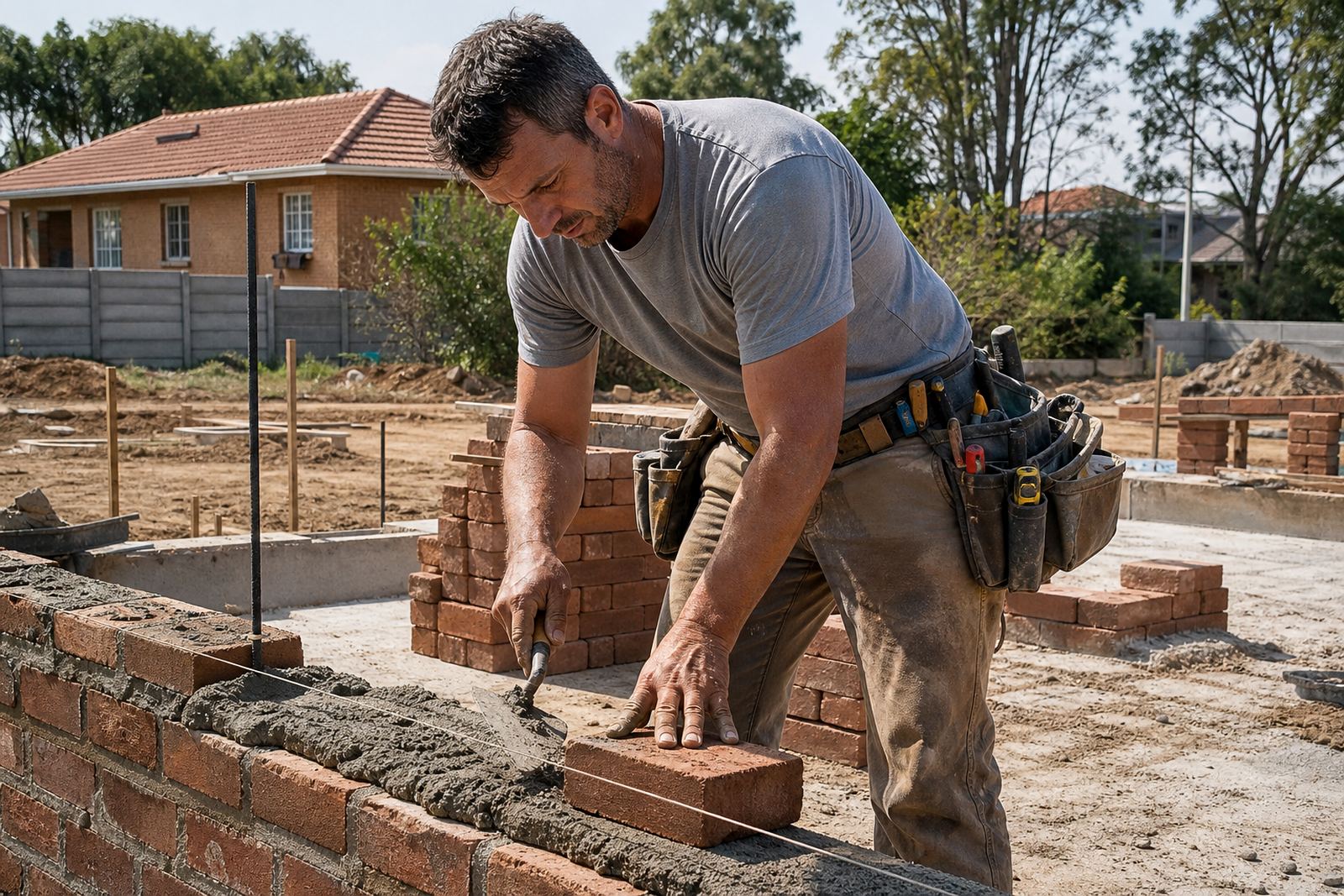
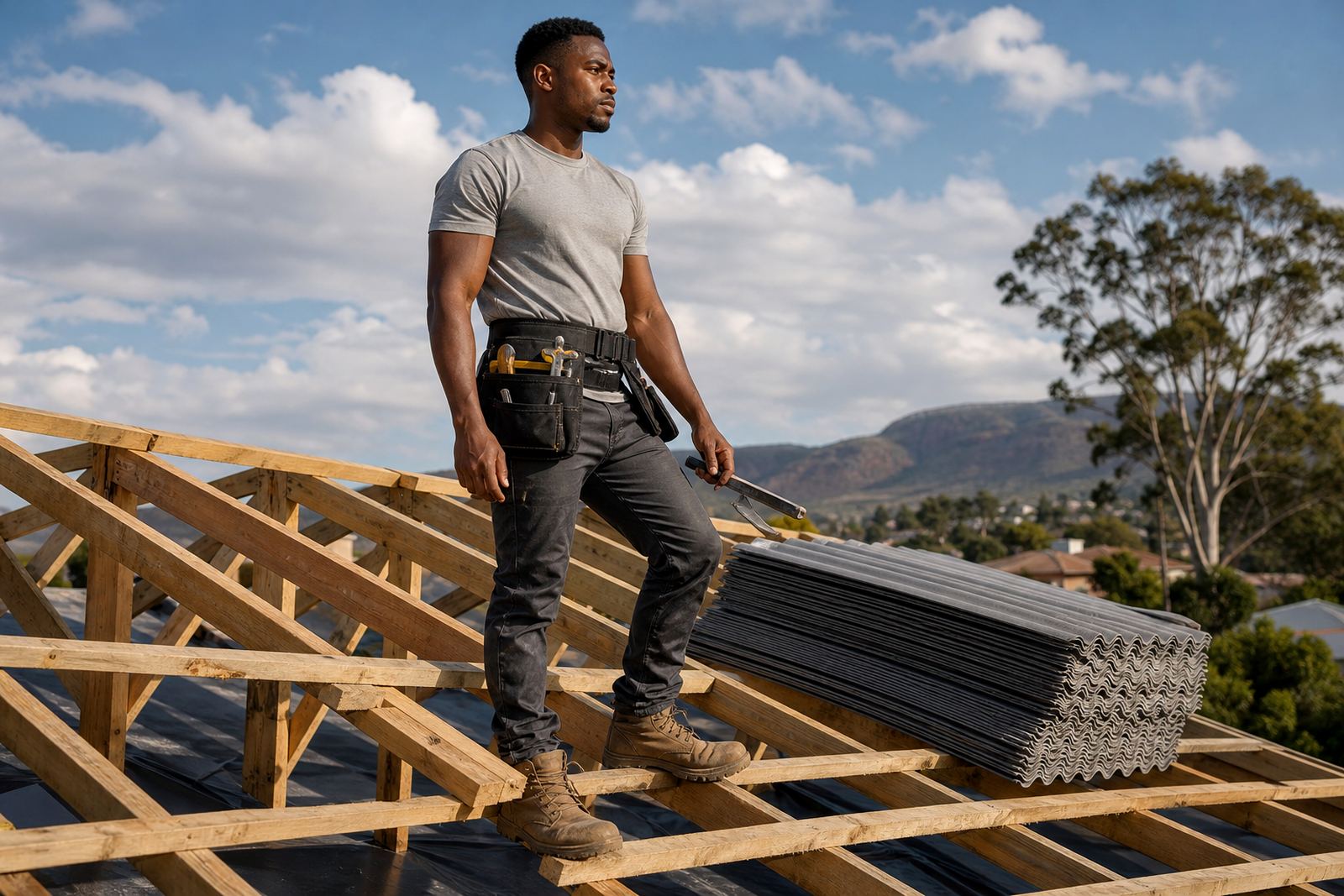
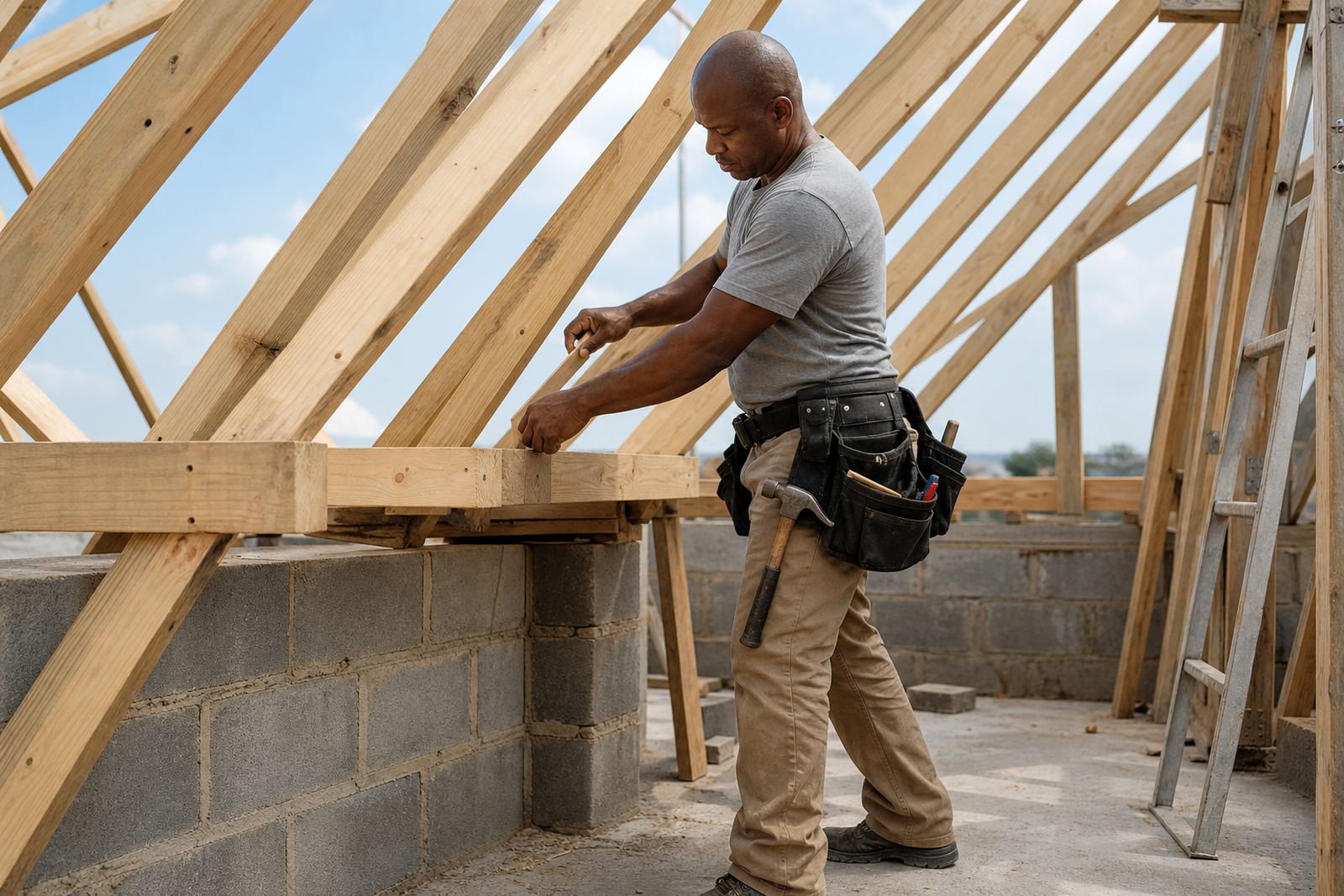
Builders often need a pouch that keeps fixings, pencils, tape measures and hand tools within easy reach. On busy sites, delays add up fast, especially when teams are moving between brickwork, shuttering and finishing tasks. A good belt should sit steady at the waist, leave room for movement and keep the weight close to the body.
- Nail bags for fast access to fixings and small hand tools
- Utility belts for a wider mix of pockets and loops
- Starter kit builds for new crew members or smaller teams
- Bulk team orders for consistent kit across a site
If you are ordering for a foreman and multiple labour teams, matching the pouch layout across the crew can make stock checks easier and reduce missing items at the end of the day.
Electricians who work neatly and move often
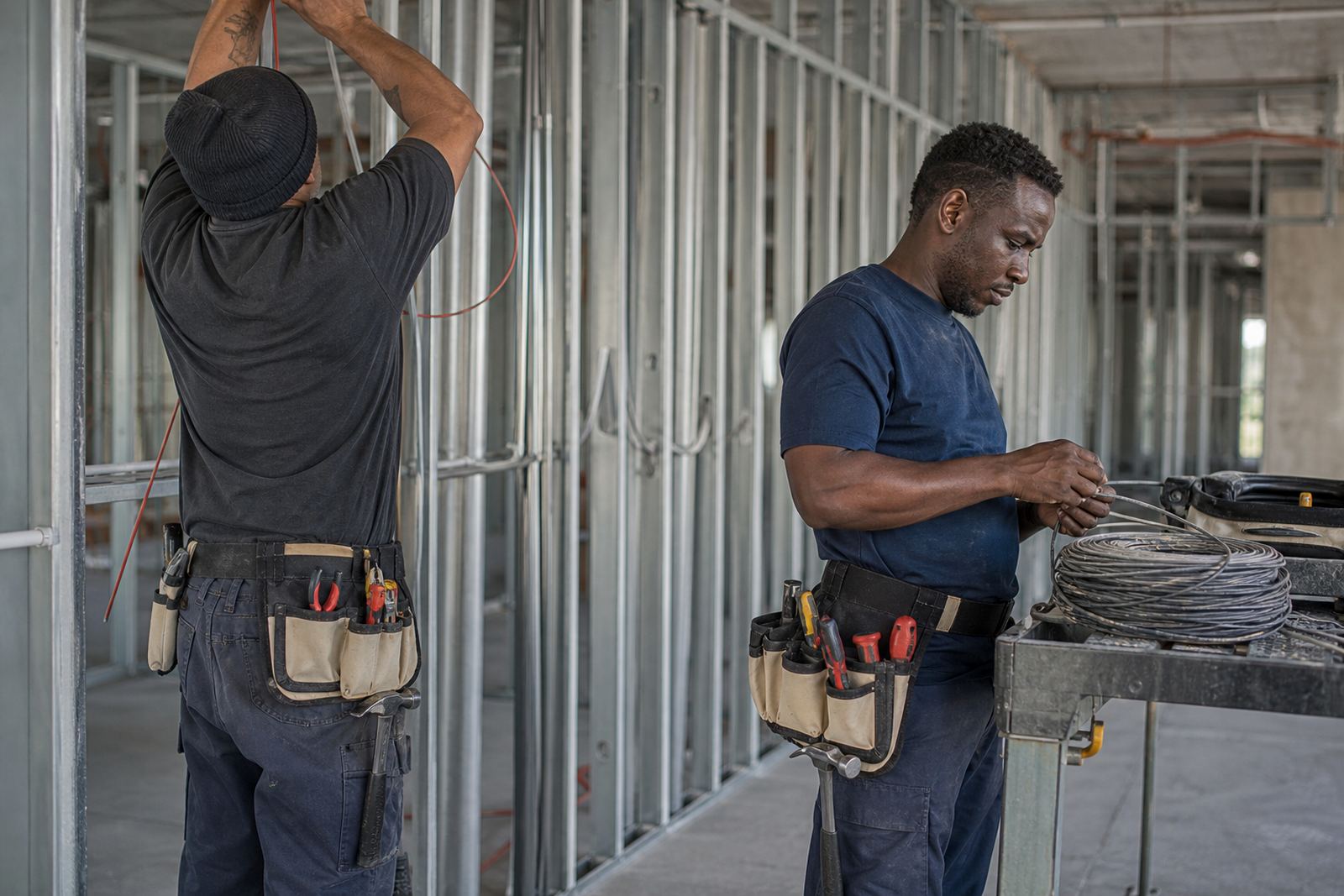
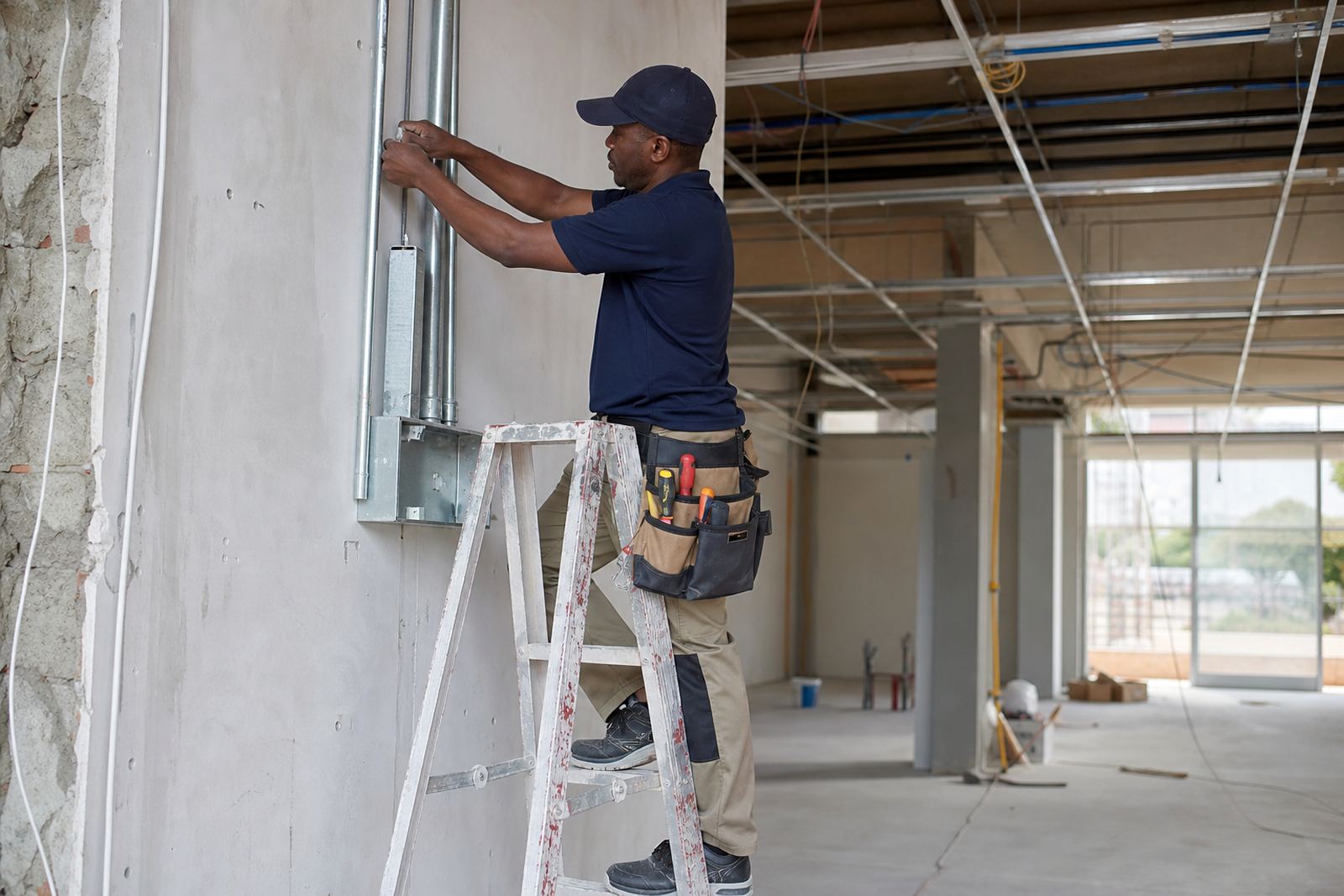
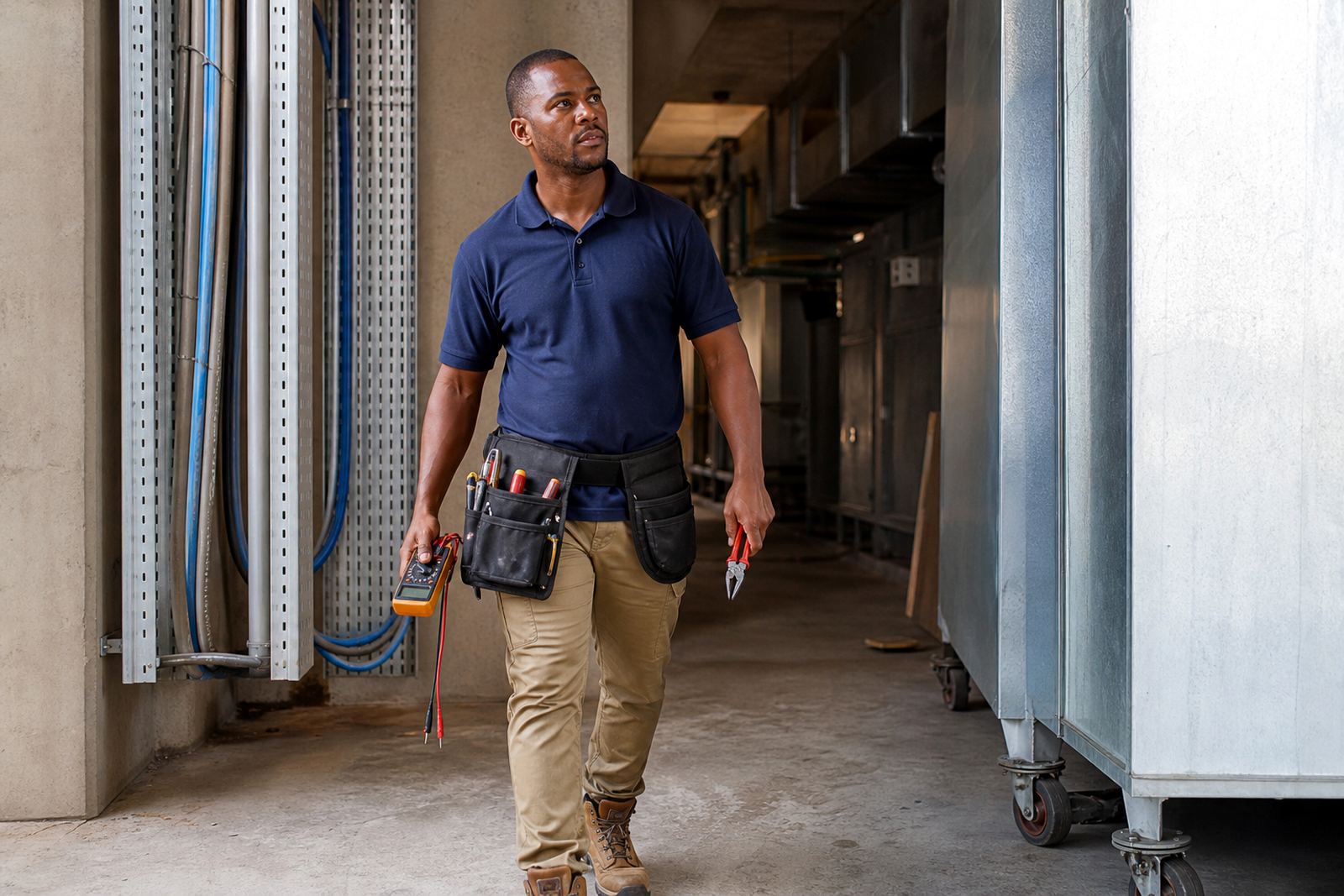
Electricians usually need a different layout from general building crews. There is often a mix of small hand tools, connectors, fasteners, testers and consumables that need to stay organised without becoming bulky. A compact pouch can help keep the working side tidy while leaving the other side free for movement on ladders, in ceilings or through tight plant rooms.
For load-shedding callouts, maintenance jobs and new installations, a belt that stays comfortable during long shifts matters just as much as pocket space. Many electricians prefer a setup that keeps sharp or delicate items separate from general tools, so the right configuration can save time and reduce wear on the gear.
- Electrical kit configs for daily service work
- Site specific selection for indoor or outdoor jobs
- Belt size matching for a snug, secure fit
- Mixed trade kits where one crew handles several tasks
Ordering for teams, contractors and project rollouts
Some customers only need one pouch, while others are setting up crews for a housing development, commercial fit-out or ongoing maintenance contract. For those orders, we help with layout planning, stock planning and delivery timing so the right gear reaches the right team when needed. That matters when work is spread between Midrand, Centurion, Polokwane and the coast and there is no time for mixed-up sizes.
Project rollout supply is useful when you want one standard across many workers. It keeps training simpler and makes it easier to replace worn items later. If your team is based on different sites, a consistent pouch setup also helps supervisors see who is carrying what at a glance.
- Contractor order support for repeat and staged orders
- Stock replenishment plans for active crews
- Delivery planning for site timelines and town-by-town drops
- Custom orders for specific pocket layouts or belt sizes
How local conditions affect pouch choice
South African working conditions can be hard on carry gear. Dusty sites, wet weather, coastal humidity and long hours all affect how a pouch wears. In Gauteng, dust and heat can stiffen lighter materials if they are not cared for properly. Near the coast, moisture can affect stitching, buckles and metal fittings if a kit is left wet after the shift.
That is why the right choice is not only about pocket count. It is also about comfort, fit and how often the belt will be worn. A well chosen setup should not swing around when climbing scaffolding, and it should not pinch or dig in after a full day on concrete, roofs or service runs.
Find the trade page that matches your work
This hub gives you a starting point, but the best result comes from matching the pouch to the task. Builders, electricians and mixed crews all use gear differently, and the pages linked from here help you narrow the choice. You can compare small daily carry options, larger tool pouches and belt systems for teams that need more storage.
If you are unsure where to start, look at the kind of work your team does most often, then choose the page that reflects that job profile. From there, the right layout usually becomes clear, whether you are ordering for a single site in Alberton or supporting crews across Johannesburg, Durban, Cape Town and beyond.