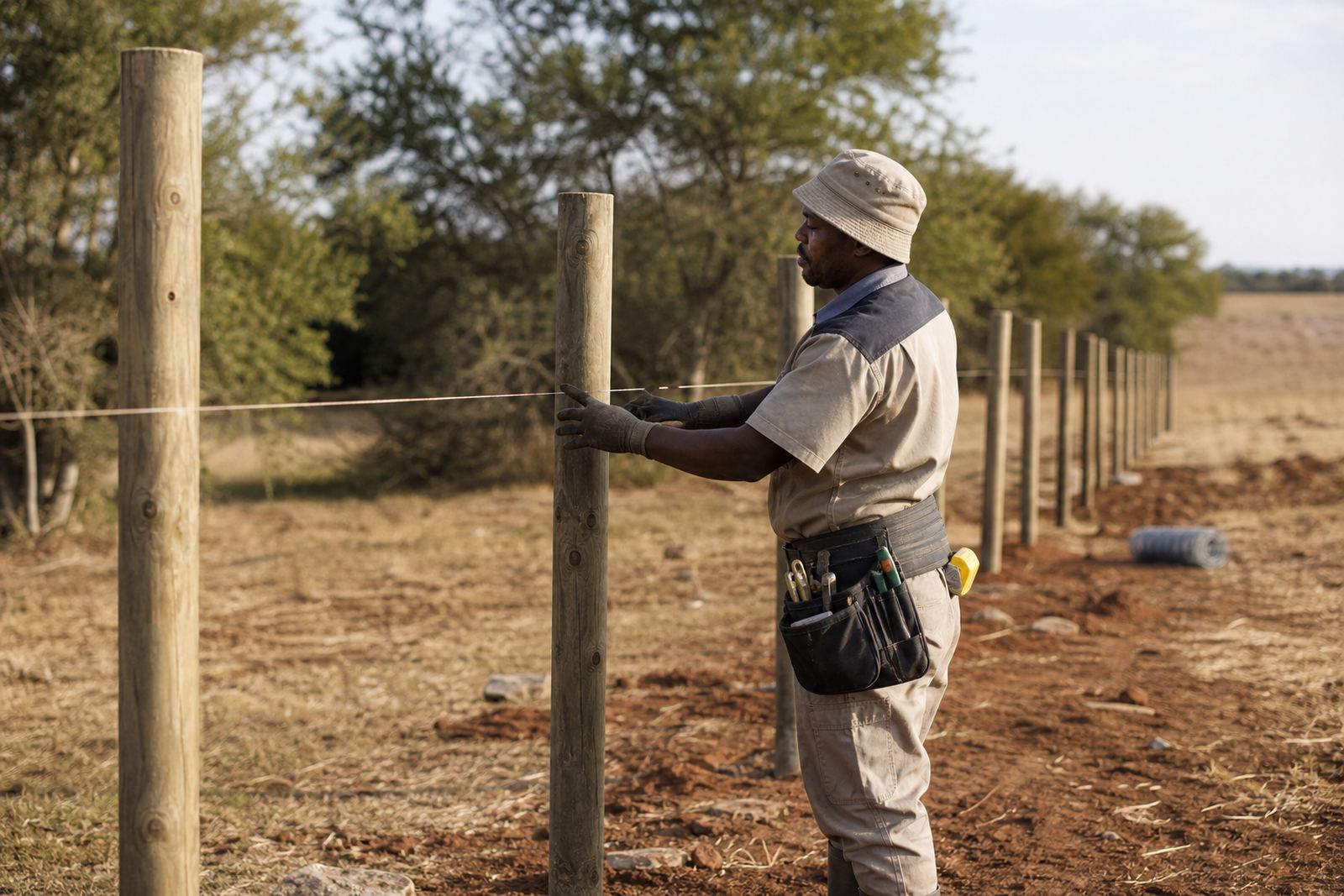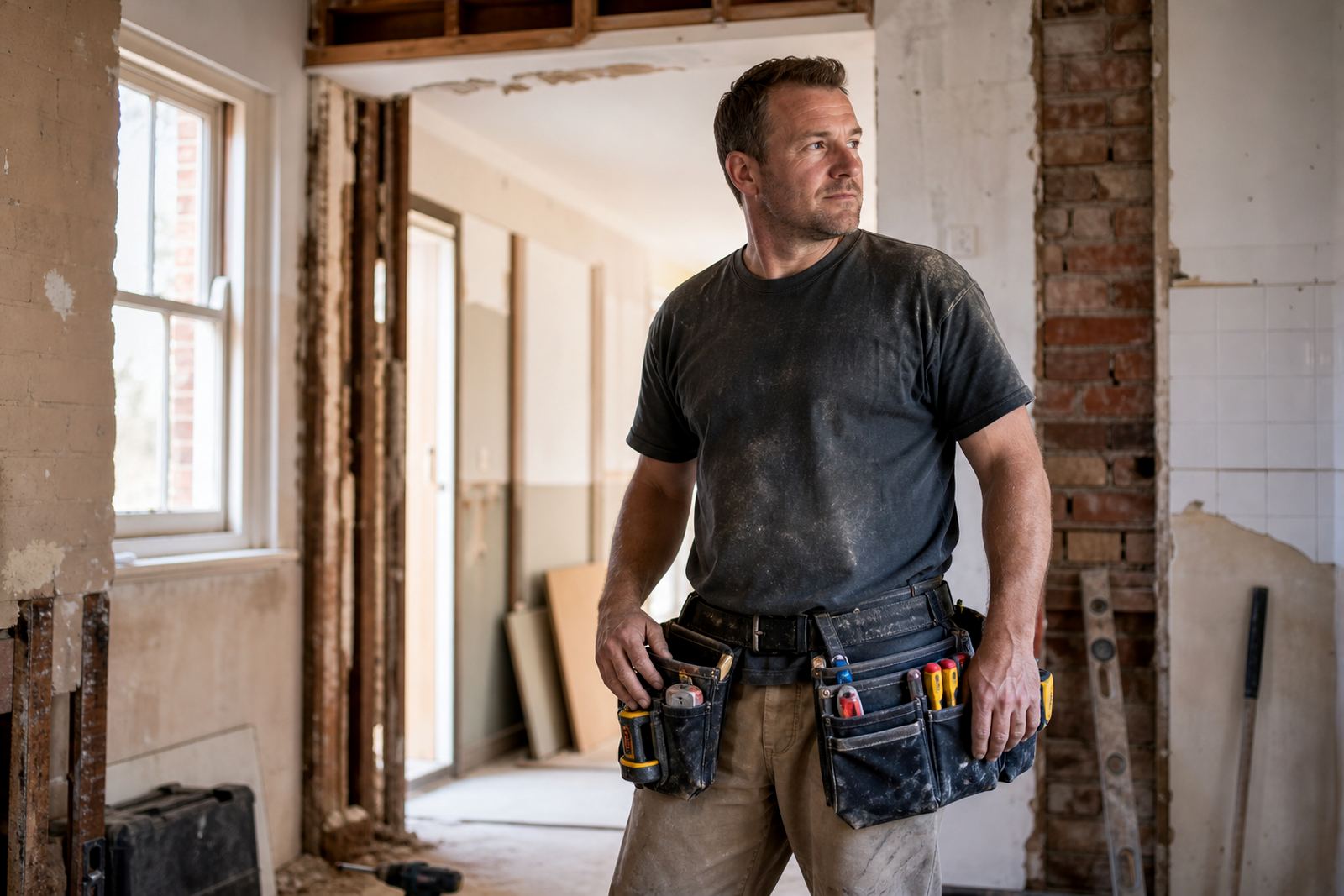

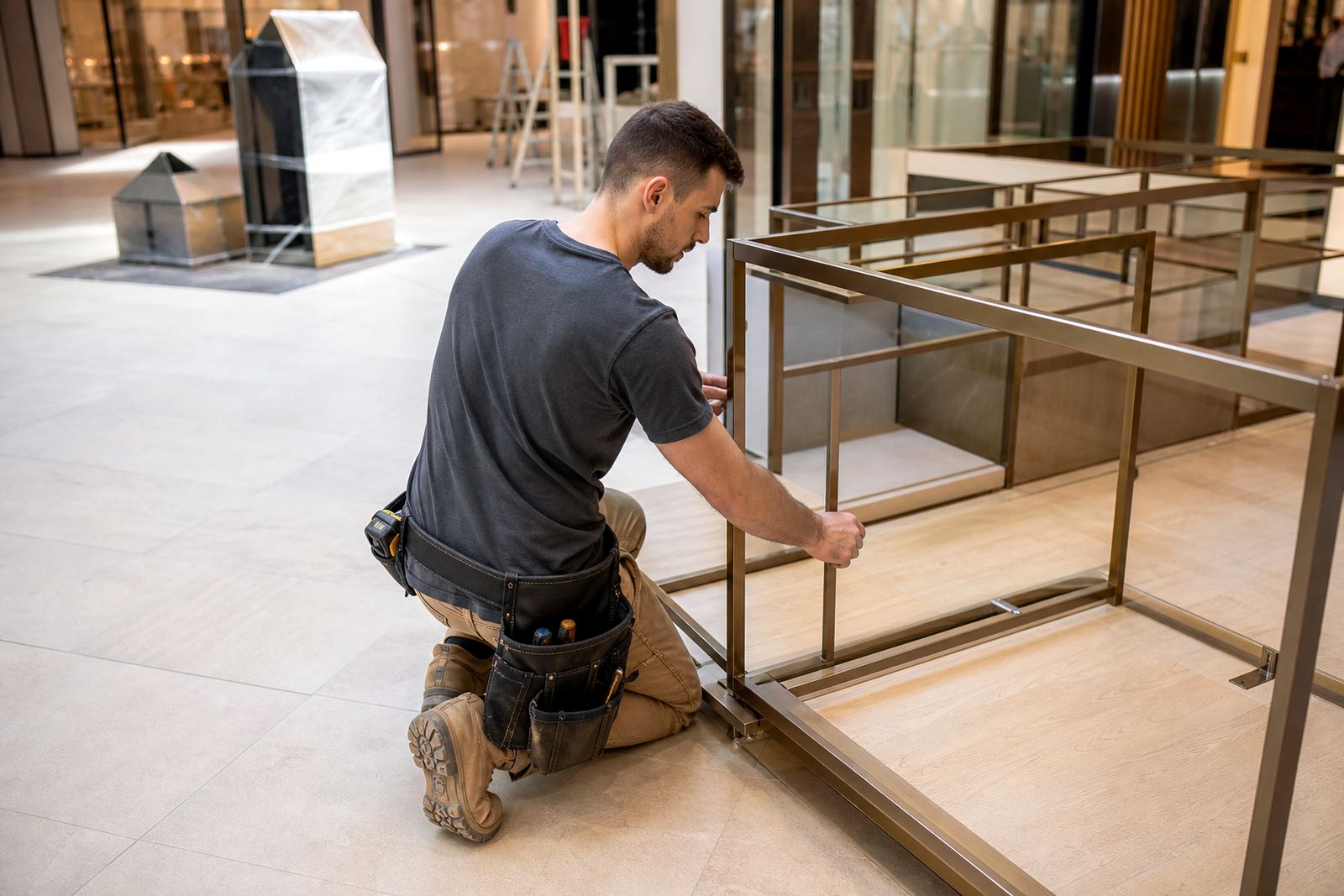
Compact Carry for Fit-Out Work in Tight Aisles
Shopfitting work is not like open-site building. You are moving through narrow aisles, around display units, behind counters and along walls where there is little room to swing a bag or set tools down. A good waist belt setup keeps the essentials on your body so you can measure, fix, mark and adjust without stopping every few minutes.
For this use case, the best pouch layout is usually compact and balanced. You want enough space for the day’s common tools but not so much bulk that the pouch catches on shelving, door frames or stock. Many shopfitters in Johannesburg, Pretoria and Cape Town prefer a lean setup that keeps weight close to the hips and leaves the front clear for kneeling and reaching.
- Claw hammer or small tack hammer
- Utility knife with spare blades
- Tape measure, 5 m to 8 m
- Pencil, marker and scribe
- Screwdrivers, a few common bits and bit holder
- Fasteners, plugs, anchors and small fittings
- Small pliers, side cutters and a compact spanner
For many fit-out tasks that is enough to keep a person moving for a full shift without overloading the belt. If the job includes more electrical work, the pouch can be adjusted for testers, insulated hand tools and fixings. If the work is mostly carpentry or joinery, the layout can lean towards fasteners, drivers and measuring gear.
Typical Shopfitting Kit Mix for Daily Use
A shopfitting crew often handles a mix of light carpentry, hardware fitting, signage support and small electrical fixes. The pouch needs to hold different item sizes without turning into a jumble. One side usually carries hand tools, while the other side carries fixings and consumables. That split helps when you are working in a hurry and need to grab the right item first time.
The most useful kit sets are built around the tasks that come up most often on retail jobs. In Alberton and the wider Gauteng area, many teams ask for layouts that can handle both installation and snagging work. For teams that move between sites, it is smart to keep the pouch setup standard so everyone knows where each item sits.
- Basic install pouch with measuring, marking and screwdriving tools
- Hardware pouch for screws, anchors, washers and wall plugs
- Nail bag style layout for small fasteners and loose parts
- Utility belt with left and right pouch balance
- Mixed trade kit for carpentry plus light electrical work
When the layout is planned well, the pouch becomes a work habit rather than just storage. That matters on fit-outs where every minute counts and access to the right tool can save a second trip back to the van or site box.
How to Plan a Pouch Layout That Works in Tight Spaces
Good layout planning starts with the job, not the bag. A shopfitting crew should think about where the work happens, what hand is used most often, and how often tools need to be put back. If you work inside a shop while customers are nearby, a tidy pouch setup also helps keep the job looking professional and reduces the chance of dropping bits onto finished floors.
For compact work, keep heavy items low and near the centre. Put the tape measure and knife where they can be reached with one hand. Keep loose hardware in separate pockets or pouches so screws do not mix with plugs and small fittings. If the belt sits too low, it can pull at the hips. If it sits too high, it can ride up when bending or climbing step stools.
- Match pouch size to the task, not to the biggest possible load
- Keep daily tools in the same pocket positions on every site
- Use smaller compartments for screws, clips and terminals
- Check belt size with the clothing worn on site, including winter layers
- Test the setup while kneeling, reaching and turning in place
For teams working in Durban or coastal Cape Town, humidity can affect metal fixings and some stored items. It helps to keep fasteners dry and wipe down the pouch after wet work or when moving between dusty and damp areas. That small habit can save wear on the contents and make the kit last longer.
Common Mistakes Shopfitters Make With Waist Belts
One common mistake is carrying too much. A pouch packed with every tool from the van is slower than a smaller setup with the right daily items. Another mistake is letting the belt drift out of balance. If one side carries all the heavy gear, the belt twists and the pouch starts to swing while you move around fittings, displays and tight corners.
Some teams also choose a pouch that is too deep. Deep pouches can hide small items at the bottom and make it harder to find what you need quickly. Another issue is mixing sharp tools with soft consumables. Blades, drills bits and drivers can damage tape, marking pencils or gloves if everything is thrown into one pocket.
It is also easy to ignore belt sizing. A waist belt that fits over a light shirt may become uncomfortable once layered over a hoodie, rain jacket or tool apron. For contractors working on rollout projects across Pretoria, Midrand and Centurion, it is worth checking sizing before a large order goes out.
- Overloading the belt with extra tools not needed for the day
- Using pouches that are too large for aisle work
- Failing to separate sharp tools from hardware
- Choosing the wrong belt size for different uniforms
- Not planning for kneeling, lifting and repeated movement
A well matched setup saves time and reduces strain. That matters on long install days, especially when the crew is moving from one site to the next and load-shedding or delayed access has already eaten into the schedule.
Budget Ranges for Shopfitting Teams in Rand
Shopfitting budgets vary depending on whether you are buying for one installer, a small crew or a full rollout team. The right budget depends on how many trades are included, how much storage is needed and whether the order is for daily use or a starter issue. In most cases, it is better to buy a practical setup that lasts than to keep replacing light pouches after a few months.
For a single worker, a basic pouch and belt setup can start from around R350 to R750. A more complete mixed kit for shopfitting tasks may range from about R850 to R1 800 depending on the number of pockets and the type of belt. For team orders, the cost per person can come down when layouts are standardised and the order is planned in one go.
- Starter setup: R350 to R750
- Standard daily-use kit: R850 to R1 800
- Team order planning: pricing varies by quantity and configuration
- Replacement parts and add-ons: budget for spares over time
For projects with repeated site visits, it makes sense to plan stock replenishment as well. That includes extra blades, fixings and replacement pouches so the crew is not left short mid-project. Clear planning also helps when work is spread across Johannesburg, Durban, Cape Town and Polokwane, where delivery timing and site access can differ from one job to the next.
How Waistbags Pro Supports Shopfitting Crews Nationwide
Waistbags Pro works with builders and electricians across South Africa from Alberton, Gauteng. The team includes Sibusiso Mthembu as Managing Director, Annelise van Wyk in Operations, Kagiso Molefe in Sales, Nokuthula Dlamini in Customer Support, Johan Strydom in the warehouse and Lerato Moeketsi handling custom orders. That means orders can be set up for one person or for a whole project team with matching layouts.
Shopfitting customers often need practical guidance before placing an order. The most useful support is usually simple: what tools are carried every day, how much space is available on the belt, and whether the crew needs mixed trade storage or a dedicated electrical layout. From there, the order can be matched to the work rather than guessed from a catalogue.
Clients can reach us through the enquiry form on the contact page for bulk team orders, pouch layout planning, belt size matching, starter kit builds, mixed trade kits and project rollout supply. That is often the easiest way to get the right setup for fast-moving fit-out work, especially when the crew needs consistent kit across several towns and provinces.