What fencing crews carry on site
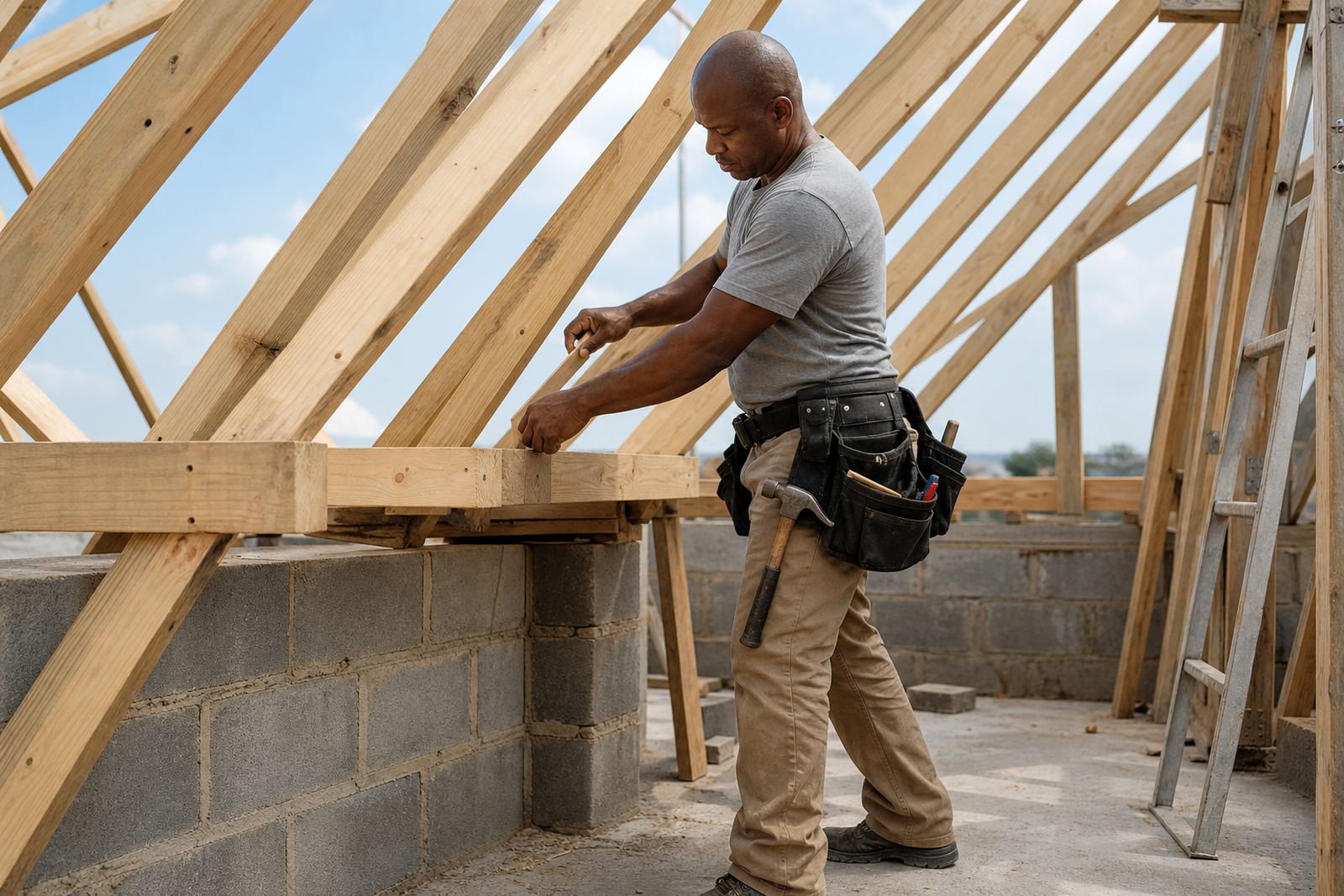
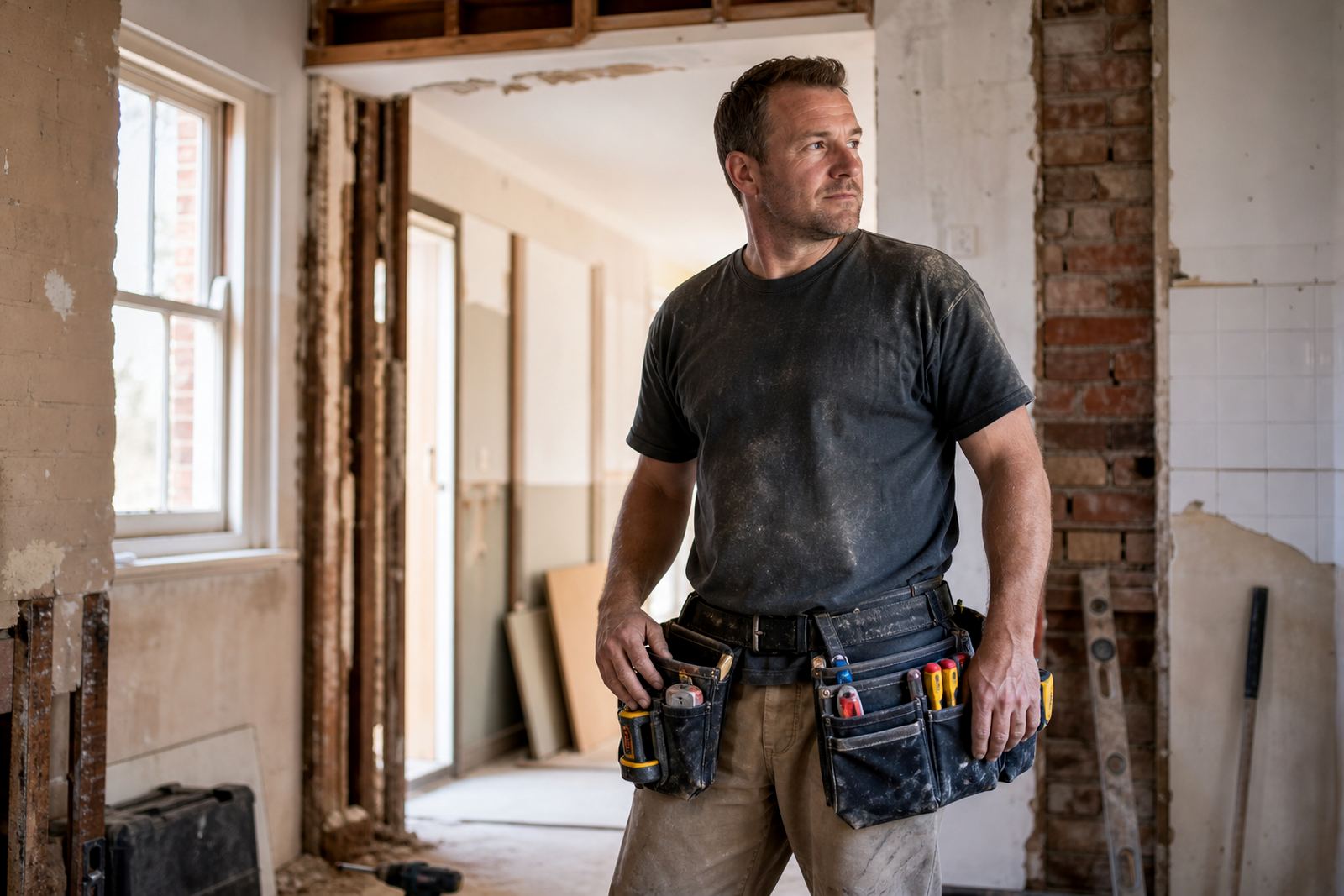
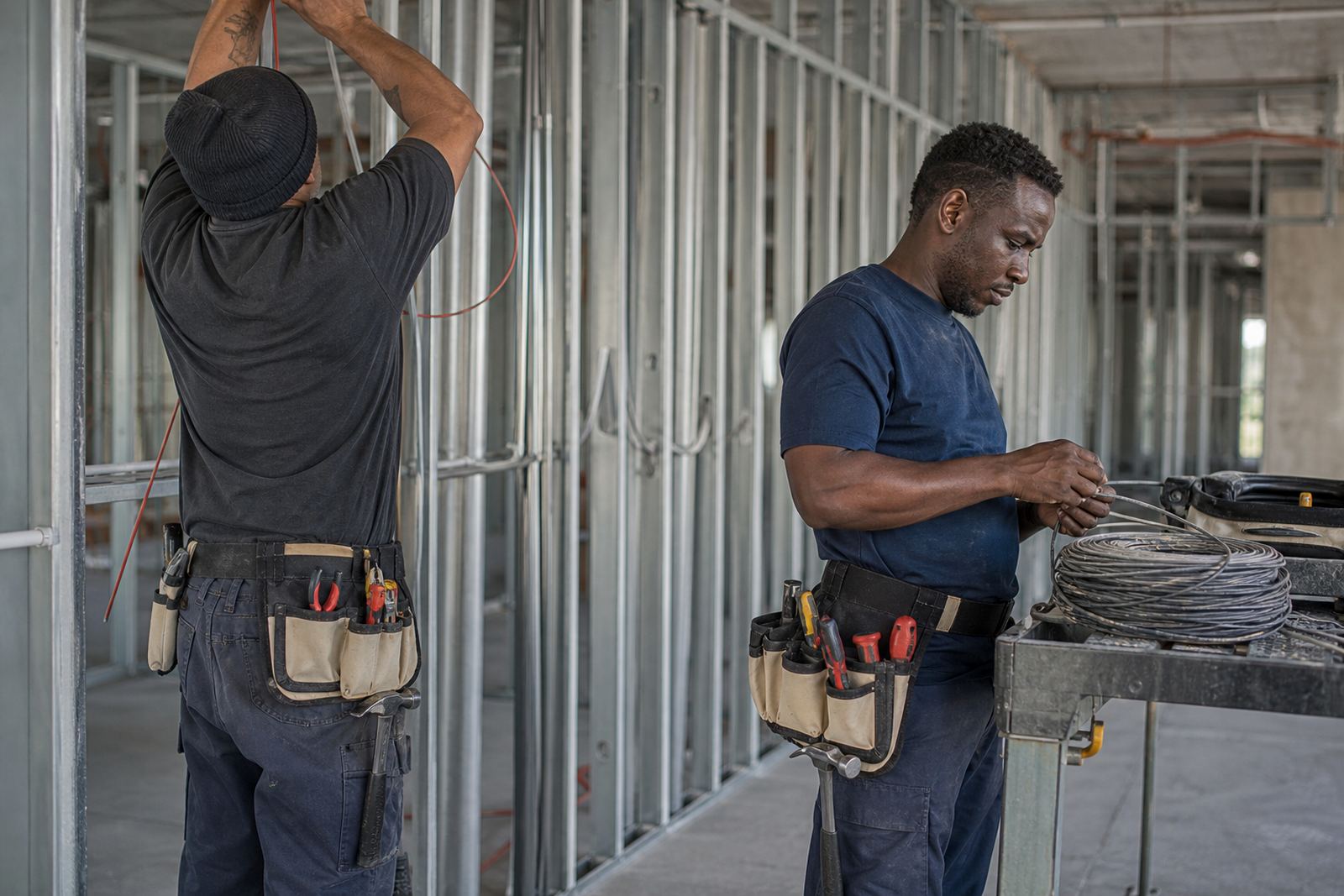
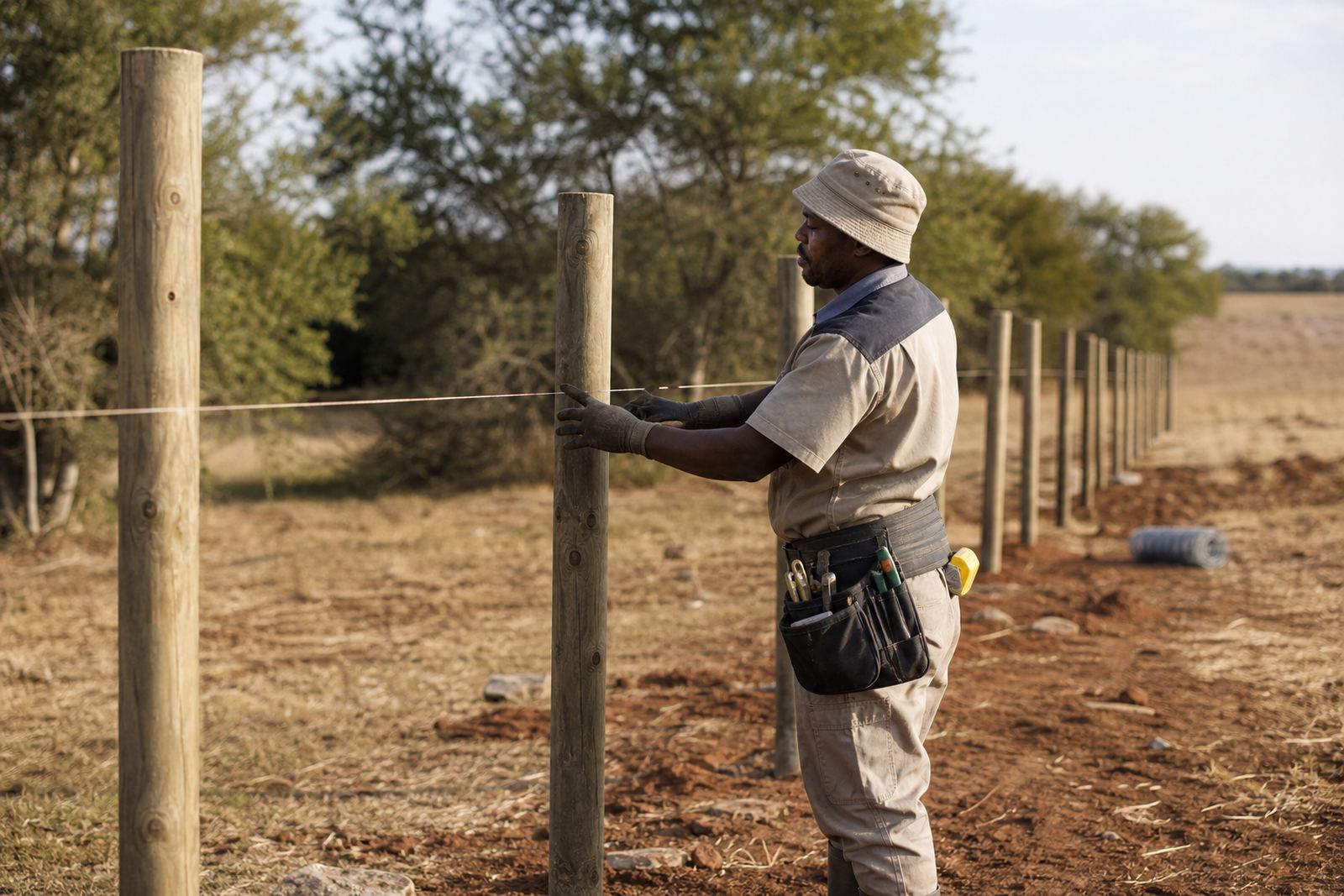
A fencing team rarely works with only one type of fastener or one set of tools. On a normal job you may be moving between line setting, post fixing, wire tensioning and gate fitting, so the pouch has to carry mixed items without turning bulky or awkward. For a two or three person crew, the right belt setup keeps the fast moving hand tools where they are needed, not buried in a toolbox back on the bakkie.
For this use case, we usually look at pouches that can handle staples, screws, pliers, cutters, a tape measure, pencil, markers and a small square or layout tool. If your team works on long runs in Gauteng or out on exposed coastal sites around Durban and Cape Town, the material choice matters too because humidity and fine dust both shorten the life of weak stitching and thin fabric.
- Staples and fixings for fence line work
- Cutters, pliers and crimping tools
- Tape measure, pencil and marker
- Small layout tools and spare blades
- Gate fittings and tie wire where needed
A practical pouch layout for fencing work
A good fencing pouch should support quick movement from one task to the next. Most crews do best with a main pouch on the dominant side for fasteners and hand tools, and a smaller pocket or sleeve for measuring and marking gear. If the belt sits too low it catches on wire and offcuts, while a belt that is too tight becomes uncomfortable by mid morning, especially on long residential boundary jobs in places like Centurion or Midrand.
The ideal layout depends on whether the team is doing plain wire fencing, palisade work or repair and maintenance. Builders who handle fencing as part of a wider site package often want a mixed trade kit that can be used with gloves on and still give quick access to the tools that get used all day. Sibusiso and the team can help match belt size and pouch layout to the number of workers and the type of fence being installed.
- Keep fasteners in the deepest section of the pouch
- Separate cutters and pliers so edges do not knock together
- Use a smaller pocket for pencils, clips and layout markers
- Choose a belt that allows bending, kneeling and lifting without shifting
- Plan left handed or right handed carry before bulk ordering
Common mistakes fencing teams make
One of the biggest mistakes is choosing a general purpose pouch that looks fine on a shelf but fails on a job. Fencing crews need something that stays stable when walking uneven ground, climbing in and out of a bakkie or working along a municipal boundary where access is tight. Another mistake is overloading one pouch with too many metal items. That makes the belt sag and slows everyone down.
It is also common to ignore weather exposure. In coastal areas, cheaper hardware and weak stitching can wear faster when there is salty air and daily moisture. In inland work around Pretoria or Polokwane, dust and heat can build up inside poorly shaped pockets. Crews working through load-shedding also need to keep small tools organised because once the lights drop on a site, you do not want to waste time searching for the right cutter or marker.
- Buying one belt size for the whole team without checking fit
- Using soft pouches that collapse when partly filled
- Mixing sharp tools and loose fixings in the same pocket
- Ignoring water exposure, dust and heat on site
- Ordering without considering how the team actually moves during the day
Sizing, comfort and crew rollouts
For fencing contractors, comfort is not a luxury item. A belt that digs into the hips or rides up at the back can reduce output before lunch. When we help with belt size matching, we look at the body size of the wearer, the weight of the load and whether the crew uses layers of workwear in winter. This matters on early starts in Johannesburg and on windy job sites in Cape Town where extra clothing can change the fit.
Starter kit builds work well for new crews, while larger contractors often prefer mixed trade kits for different teams. If one crew handles preparation and post setting while another handles wire and fittings, the pouch mix can be adjusted so each worker carries what they use most. That keeps the load balanced and helps reduce missed tools, lost fasteners and unnecessary back and forth to the supply vehicle.
- Check waist size with work trousers on, not casual clothes
- Match belt width to the amount of kit carried each day
- Use lighter pouches for younger or smaller crew members
- Allow for winter layers if the team works early mornings
- Plan for different roles within the same fencing crew
Budget ranges for fencing crews in Rand
Budget depends on the number of workers, the level of wear expected and whether you are ordering a single issue pouch or a full team rollout. A basic fencing pouch for light site use may start around R250 to R450 per worker. Mid range options for regular contractor use usually fall between R450 and R850. Heavier duty belts and pouch sets for constant daily work can range from R850 to R1 500 or more, depending on layout and capacity.
For a small fencing crew, a starter kit build can often be planned around R1 500 to R4 500 for a few workers, while larger contractor orders with mixed trade kits and replenishment planning may sit much higher. The point is to buy once with the actual job in mind rather than replacing worn pouches every few months. A properly matched setup usually saves money over time, especially when the team is moving between different sites across Gauteng, KwaZulu-Natal and the Western Cape.
How Waistbags Pro supports fencing teams
Waistbags Pro supplies tool pouches, nail bags and utility waist belts from Alberton, Gauteng to crews across South Africa. Our work with fencing teams often includes contractor order support, pouch layout planning, belt size matching and delivery planning for sites in Johannesburg, Pretoria, Durban, Cape Town and Polokwane. Whether you are equipping a small repair crew or a bigger rollout team, the aim is the same: keep tools organised and within reach.
For fencing work, our team can help you select a practical mix of pouches for staples, screws, cutters and layout tools, then pair that with the right belt size for the people doing the job. If your order needs to be split across branches or project teams, we can also help with stock replenishment plans and site specific selection so each crew gets the right kit without overbuying. Use the enquiry form on our contact page to start the process and we will work through the details with you.
- Bulk Team Orders for contractors and fencing crews
- Pouch Layout Planning for mixed fastener and tool loads
- Belt Size Matching for individual workers
- Starter Kit Builds and Mixed Trade Kits
- Project Rollout Supply and Delivery Planning