
Pouches That Keep Pace With Renovation Work
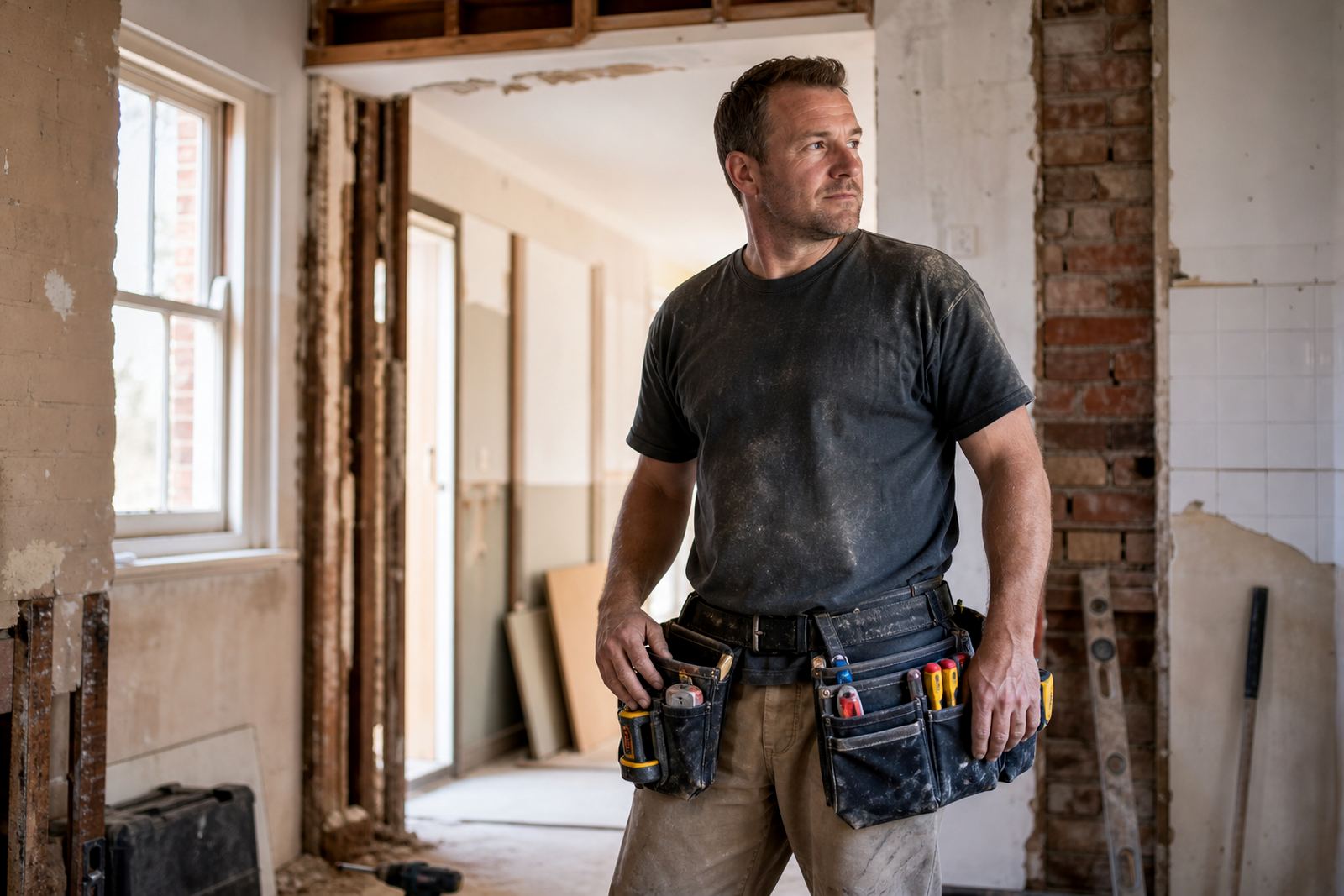
Renovation sites change by the hour. One day it is demolition in a lived-in house in Alberton, the next it is skirting, fittings, patching or final electrical work in a block of flats in Pretoria. A contractor cannot keep walking back to a toolbox for screws, plugs, blades, markers and testers, so the waist setup has to match the stage of the job.
Waistbags Pro supplies tool pouches, nail bags and utility waist belts for builders and electricians who need a sensible carry system from start to finish. The aim is simple: keep the right items on the body, keep the hands free, and keep the job moving even when load-shedding interrupts power tools or lighting on site.
What Renovation Contractors Usually Carry
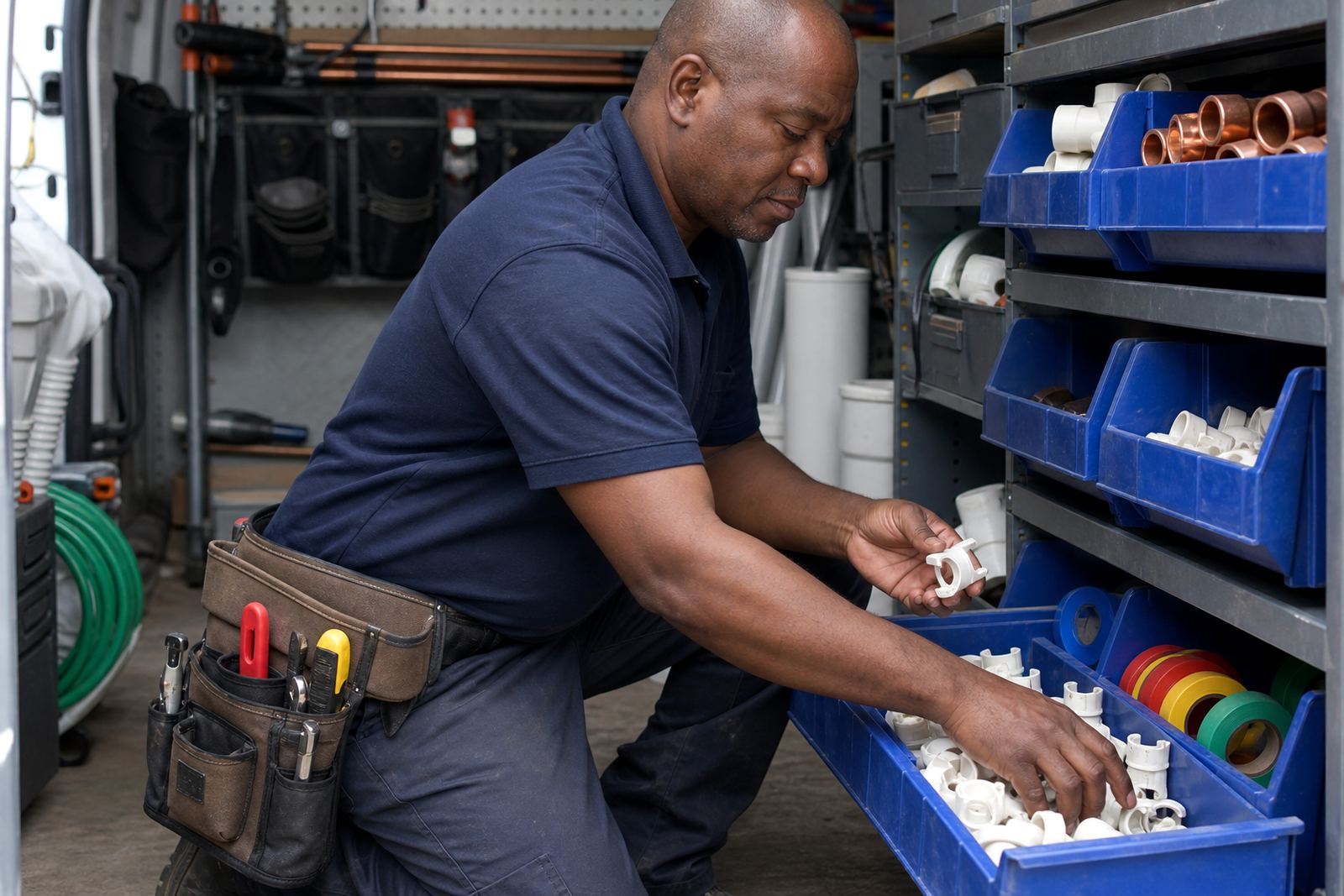
A typical renovation pouch setup is lighter than a full framing rig, but it still needs space for daily consumables and a few essential tools. The exact load depends on whether the crew is opening up walls, fitting new units, doing surface repairs or managing electrical changeovers. Coastal humidity in Durban and Cape Town can also affect steel fixings and small tools, so some teams prefer more covered storage for fasteners and blades.
- Mixed screws, plugs and rawl items for different wall types
- Tape measure, pencil, marker and knife
- Hammer, small pry bar and nail punch
- Insulated driver set and side cutters for electrical work
- Spirit level, chalk line and small square
- Blades, cable ties, connectors and tape
For contractors handling both repair and install tasks on the same site, a mixed trade layout often works better than a single-purpose bag. That lets the worker shift from stripping out old fittings to installing the new ones without constant reshuffling.
How To Plan The Layout Before The Crew Starts
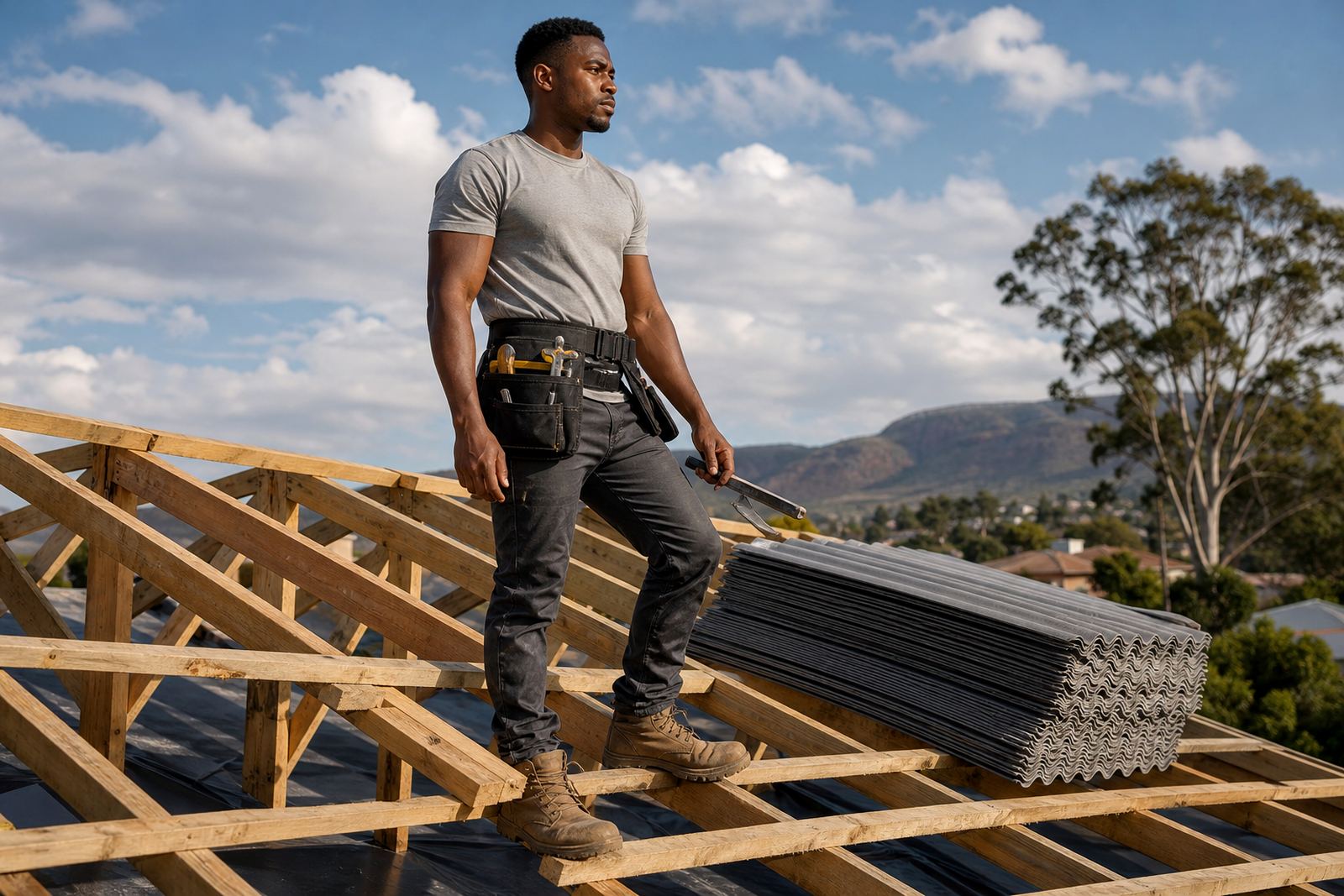
Good pouch layout saves time, but it also reduces fatigue. If the heaviest tools sit too far forward the belt pulls, and if small items are loose they disappear in the bottom of the bag. We usually advise starting with the job sequence. Put the items used every 10 minutes in the front pockets, the items used a few times a day on the side and the heavier tools closer to the centre of the waist belt.
For renovation crews in Johannesburg, Midrand and Centurion, where teams often move between multiple units in one day, a starter kit build can help standardise what each installer carries. That makes stock control easier too, because the foreman can see what is missing before the next site visit. If the team is doing electrical work, keep tester and cutters on the dominant hand side. For builders, keep nail and screw access where the hand naturally reaches without twisting the body.
- Match the pouch size to the trade task, not just the crew size
- Keep fasteners separate from sharp tools to avoid wear and snags
- Choose belt length that allows winter clothing and summer shirts
- Use a layout that still works when kneeling, climbing or crouching
- Plan for replacement stock so crews do not run short mid project
Common Mistakes On Renovation Sites
The most common mistake is overloading one pouch with every item the worker owns. That sounds practical at first, but after two hours the belt starts to drag and the crew slows down. Another mistake is using a belt that is too small, especially where layered clothing or rain gear is part of the day. In winter in Gauteng, many sites start cold then warm up quickly, so the fit needs a bit of tolerance.
We also see contractors mixing sharp cutting items with electrical parts or loose fasteners. That leads to damaged stock and unnecessary delays. On municipal projects, especially where inspections are strict, a poorly organised pouch can mean the wrong connector or fitting goes missing at the exact point it is needed. The result is avoidable rework and a frustrated team.
A final issue is buying for one job only. Renovation work changes from strip-out to finishing, so a setup that suits demolition may not suit final fixings. A flexible pouch and belt combination is usually the safer buy, because it can be adjusted as the project stages change.
Budget Ranges For Different Renovation Teams
Budget depends on whether you are kitting out one contractor or a full crew. For a basic renovation pouch setup with a belt and a few practical pockets, many firms start around R450 to R850 per worker. That covers straightforward daily carry for lighter repair and installation tasks.
A mid-range setup for mixed trade work, where the contractor needs better organisation and more pocket options, often sits between R900 and R1 600 per worker. For teams that want a more specific configuration with belt size matching, starter kit builds or mixed trade kits, budgets can move to R1 800 or more depending on quantity and layout. Bulk orders usually bring the per-unit cost down, which helps when a contractor is gearing up for a full project rollout or stock replenishment plan.
We also help contractors balance the first purchase against future use. If the same kit must serve demolition, repair and finishing, it may be worth spending a little more on a setup that lasts longer and can be reconfigured later. Cheap kit that fails after a few months usually costs more in the end.
Supply Support For Alberton And Beyond
Waistbags Pro is based in Alberton, Gauteng and supports renovation contractors across South Africa, including Johannesburg, Pretoria, Durban, Cape Town and Polokwane. Our team works with contractors who need practical supply support, not guesswork. Whether it is contractor order support for one site or delivery planning for several crews, we keep the process straightforward.
The team includes Sibusiso Mthembu, Annelise van Wyk, Kagiso Molefe, Nokuthula Dlamini, Johan Strydom and Lerato Moeketsi, each focused on a different part of the order process. Clients reach us through the enquiry form on our contact page, where they can ask for pouch layout planning, site specific selection or electrical kit configs before placing the order. That helps reduce returns and keeps the tools where they should be, on the worker and not back in the van.
When A Renovation Crew Should Upgrade Its Kit
If your team is sharing pouches, borrowing belts or carrying loose fixings in pockets, the kit is already slowing the job down. The same applies when the crew keeps losing screws, blades or small tools because there is no defined layout. Renovation work is busy enough without that sort of wastage.
An upgrade makes sense when the site changes daily, when crews work in pairs, or when different trades need different carry options on the same project. A well planned waist bag setup helps builders and electricians move cleanly through demolition, repair, installation and finishing, with less shuffling and fewer stops. That is often the difference between a day that runs smoothly and one that ends with a scramble for missing parts.