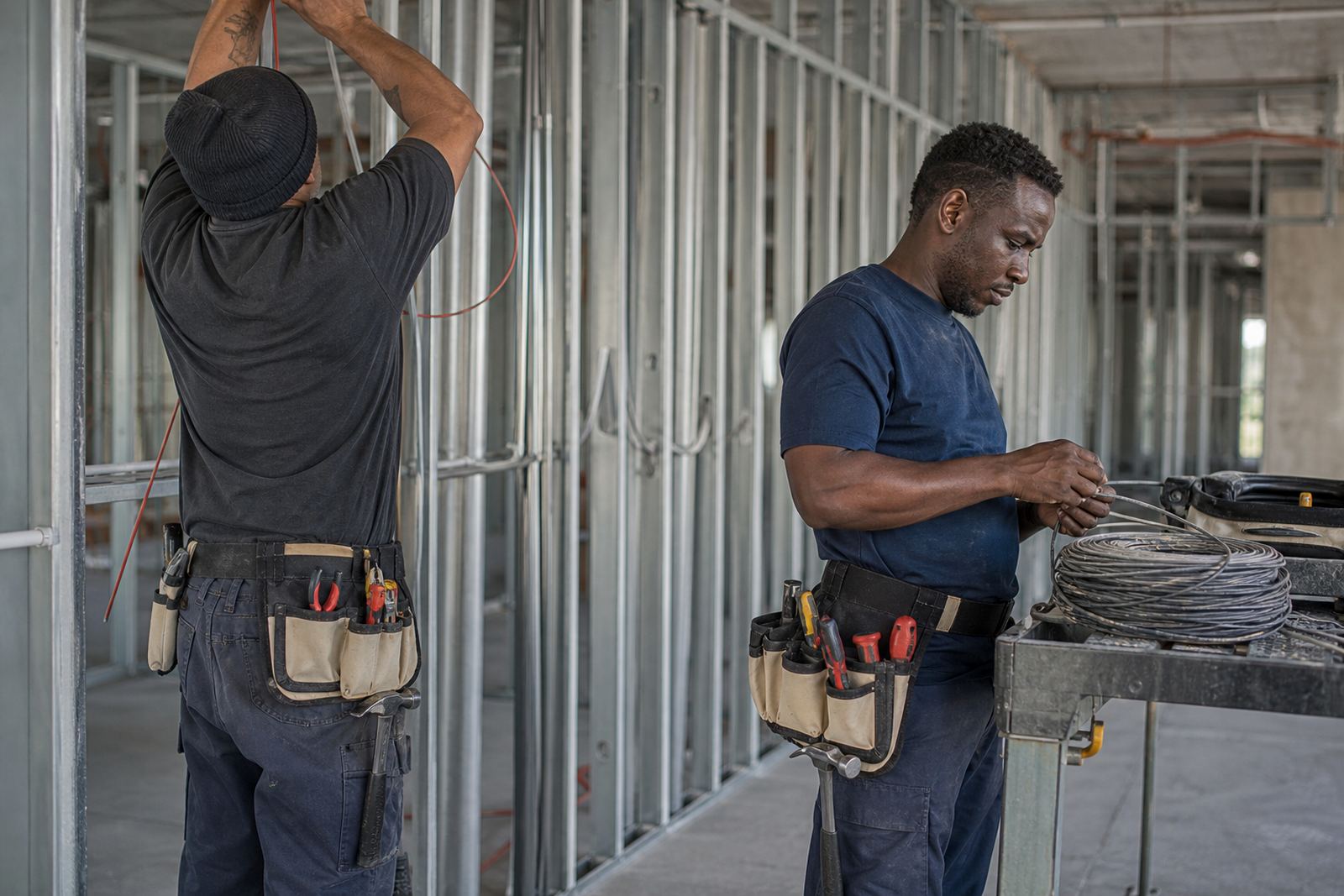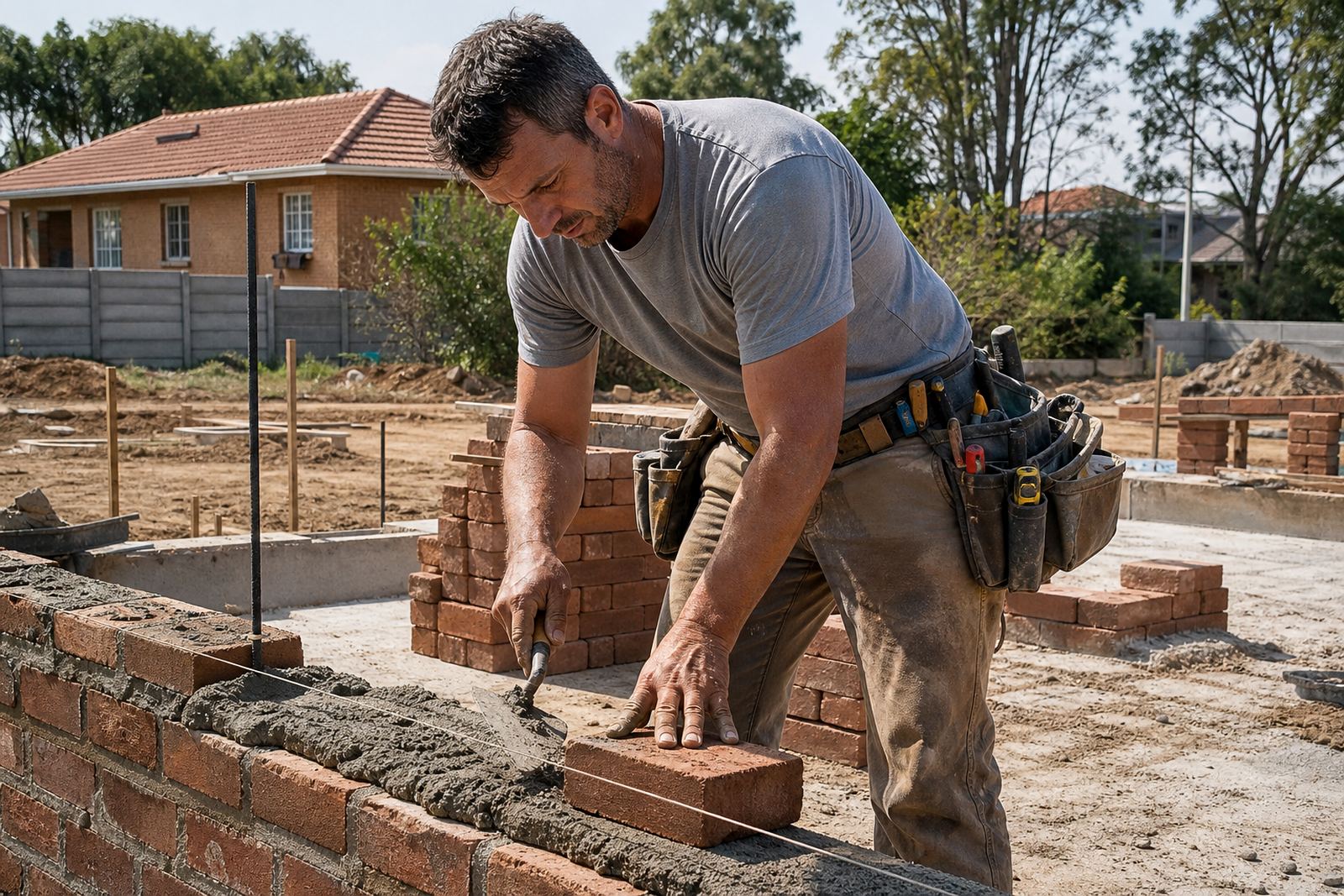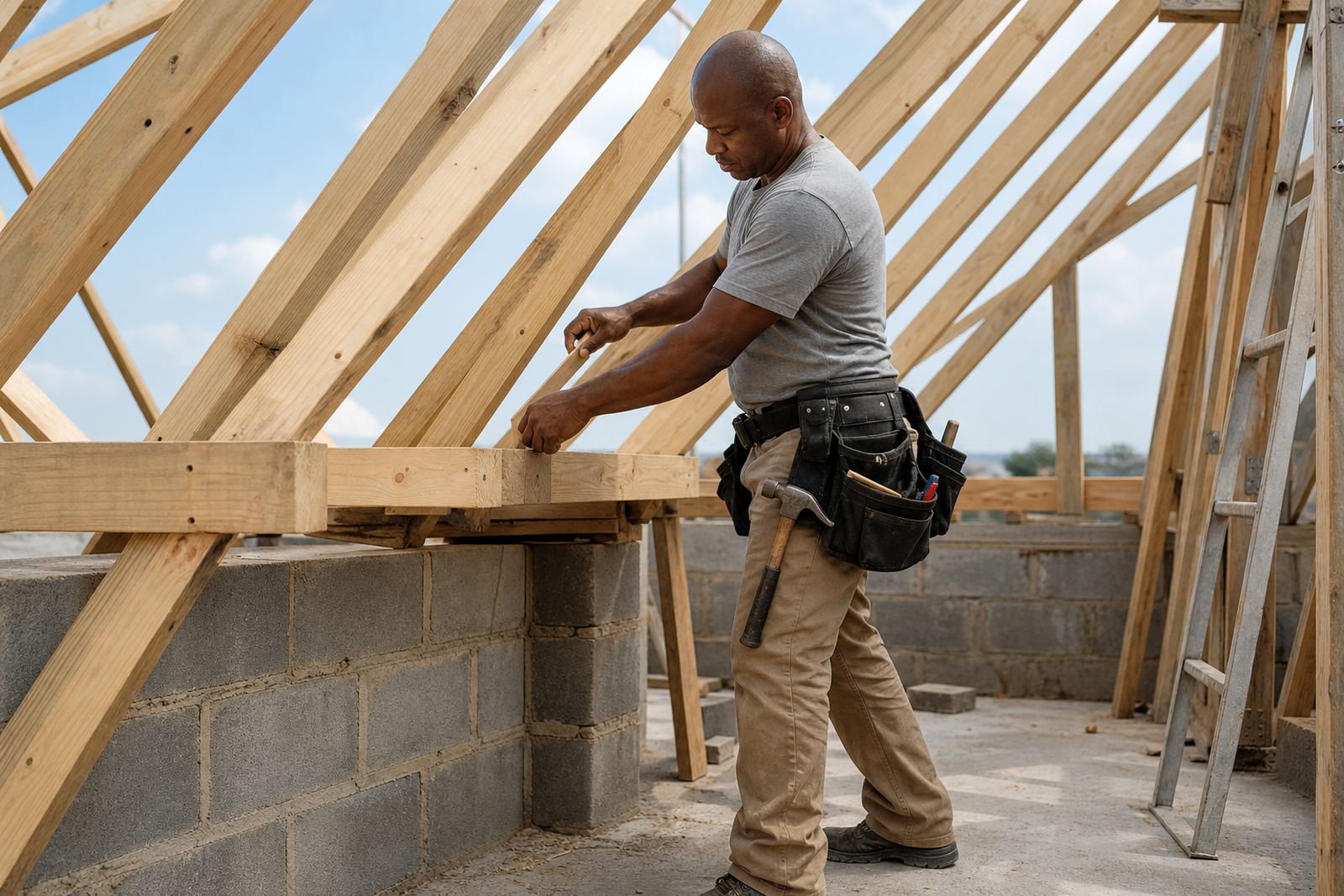
Why property facilities teams use waist packs every day
In property facilities work, the job changes by the hour. One call may be a loose hinge, the next a blocked drain cover, then a light fitting, then a tenant lockout. A waist pack keeps the small items on hand so staff do not keep walking back to the van or storeroom for every minor task.
For Alberton teams and site crews in Johannesburg, Pretoria, Durban, Cape Town and Polokwane, this means less time lost between jobs and fewer missed items during busy shifts. It also helps when a team is moving through stairwells, parking areas, plant rooms and tenant spaces where hands need to stay free.
We usually see facilities teams choose a simple layout that carries the basics without adding bulk. Too much weight on the waist gets tiring by midday, especially when the day includes ladder work, lock inspections or repeated trips across a large site.
Typical carry set for maintenance and support staff
A good property facilities setup is not the same as a builders kit or an electrical pouch full of trade tools. It needs to suit small repairs, access control checks and daily site support. The goal is light carry, good separation and quick reach.
- Small screwdriver set or multi-tip driver
- Adjustable spanner, pliers and side cutters
- Utility knife and replacement blades
- Flashlight or compact inspection light
- Measuring tape and marking pencil
- Padlock keys, spare keys or access tags
- Insulation tape, cable ties and small fixings
- Notebook, pen and job card slips
Some teams also carry gloves, earplugs, fuses, screws and small connectors in separate pockets. If the pouch is used for lock-ups, security rounds or tenant services, add a simple section for keys so they do not scratch other items or disappear into the bottom of the bag.
Planning the pouch layout before you issue it
Pouch layout planning matters more than people think. If the right-hand side is packed with heavy tools and the left side holds only paper and tape, the belt will pull unevenly. That gets uncomfortable fast and makes staff more likely to leave items behind at the end of a round.
Start by grouping tools by task. Put cutting tools together, measuring items together and access items together. Keep the most used items at the front or on the dominant hand side. For teams with mixed duties, a neutral layout works best so the pouch can be issued to different staff members without constant adjustment.
When we help with site specific selection, we normally look at the task list first: planned maintenance, call outs, cleaning support, lock and key handling, or basic handyman duties. That gives a better result than buying one standard pouch for every person and hoping it suits all roles.
- Keep weight balanced left to right
- Place sharp items in closed pockets or sleeves
- Separate clean items from dusty fixings
- Leave a pocket open for notes or receipts
- Match pocket count to the actual task list, not just habit
Choosing belt size and comfort for long shifts
Comfort is a major factor when staff are walking large properties or standing for long periods. A belt that is too short will sit badly over a jacket or overalls. One that is too long can shift when bending or climbing stairs. Belt size matching should be done before bulk issue, not after complaints come in.
For property teams, the best option is usually a belt that adjusts easily over workwear. If staff wear layers in winter or rain gear on coastal sites, allow extra room. In humid areas like Durban or along the Cape coast, materials also need to handle moisture and daily wipe downs without going limp.
We advise checking how the belt sits when the pouch is loaded with actual tools, not just when it is empty. A pouch can feel fine on the counter and still sag badly once pliers, tape and keys are added. That small test saves money and reduces returns.
Common mistakes that slow facilities work down
One common mistake is overloading the pouch with every possible item. That turns a practical carry solution into a heavy lump that gets taken off after lunch. Another is mixing maintenance tools with cleaning materials and loose hardware, which makes it hard to find what is needed when the call comes through.
Some sites also buy too many pouches with the same pocket count. Different staff need different layouts. A handyman, a gatehouse runner and a maintenance supervisor will not carry the same set of items. It is better to issue the right fit to each role than to force one design across the whole team.
We also see teams skip stock replenishment planning. Small items like blades, cable ties, screws and batteries run out quietly. If they are not checked weekly, the pouch looks ready but is missing the basics. That can delay a repair on a busy site, especially when suppliers close early or delivery slots are tight.
Budget ranges for property facilities kits in Rand
Budget depends on the type of pouch, the number of pockets, belt quality and whether you are ordering for one site or several branches. For simple facilities carry, a basic waist pouch package can start from about R180 to R320 per unit. Mid-range options with stronger stitching, more pockets and better belt support often sit between R350 and R650.
For mixed trade kits, starter kit builds and bulk team orders, planning the full issue usually gives better value. A small team of 5 to 10 staff may spend around R2 500 to R6 500 for a practical setup, depending on contents. Larger project rollout supply for estates, retail centres or school groups can run from R8 000 upwards when belts, pouches and consumables are included.
Delivery planning and stock replenishment plans help keep costs steady over time. That is often better than buying at the last minute when a site has already run out of support items and every day starts with a rush.
How to order for one site or a full property portfolio
Waistbags Pro works with facilities teams, contractors and property managers who need organised carry across different sites. From Alberton, Gauteng, we supply Johannesburg, Pretoria, Midrand, Centurion, Durban, Cape Town, Polokwane and other areas across South Africa.
If you are ordering for a single building, send through the task list, staff count and the type of work done each day. For multi-site portfolios, it helps to separate the order by role and by branch. That makes issue, replacement and replenishment much easier to manage.
- Bulk Team Orders for property and maintenance staff
- Starter Kit Builds for new hires
- Mixed Trade Kits for shared facilities teams
- Contractor Order Support for temporary crews
- Delivery Planning for multiple sites and staggered handovers
Clients reach us through the enquiry form on our contact page, and our team can help match the right pouch, belt and layout for the work on site. It is a straightforward way to keep small tools where they belong and make daily rounds a bit easier.