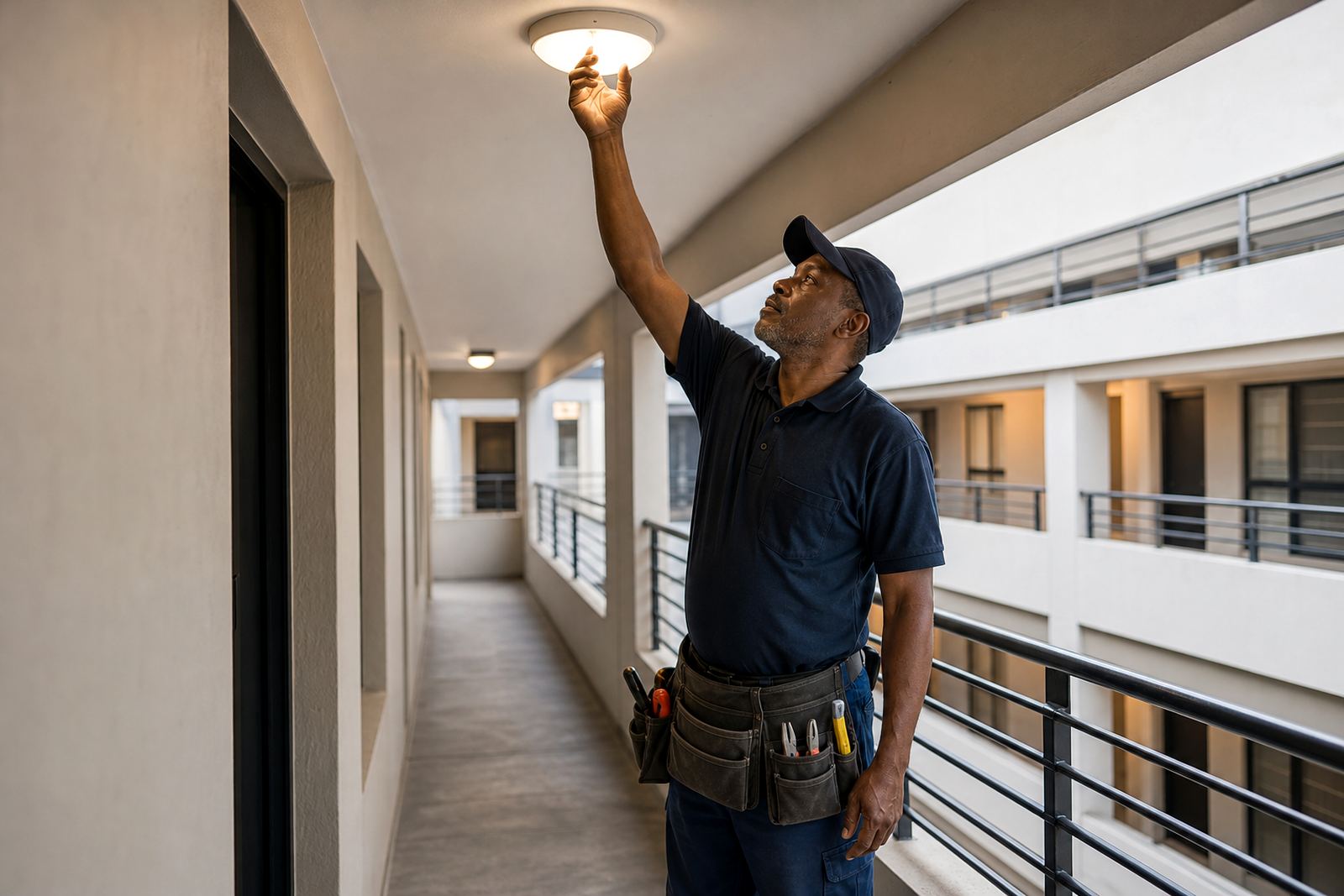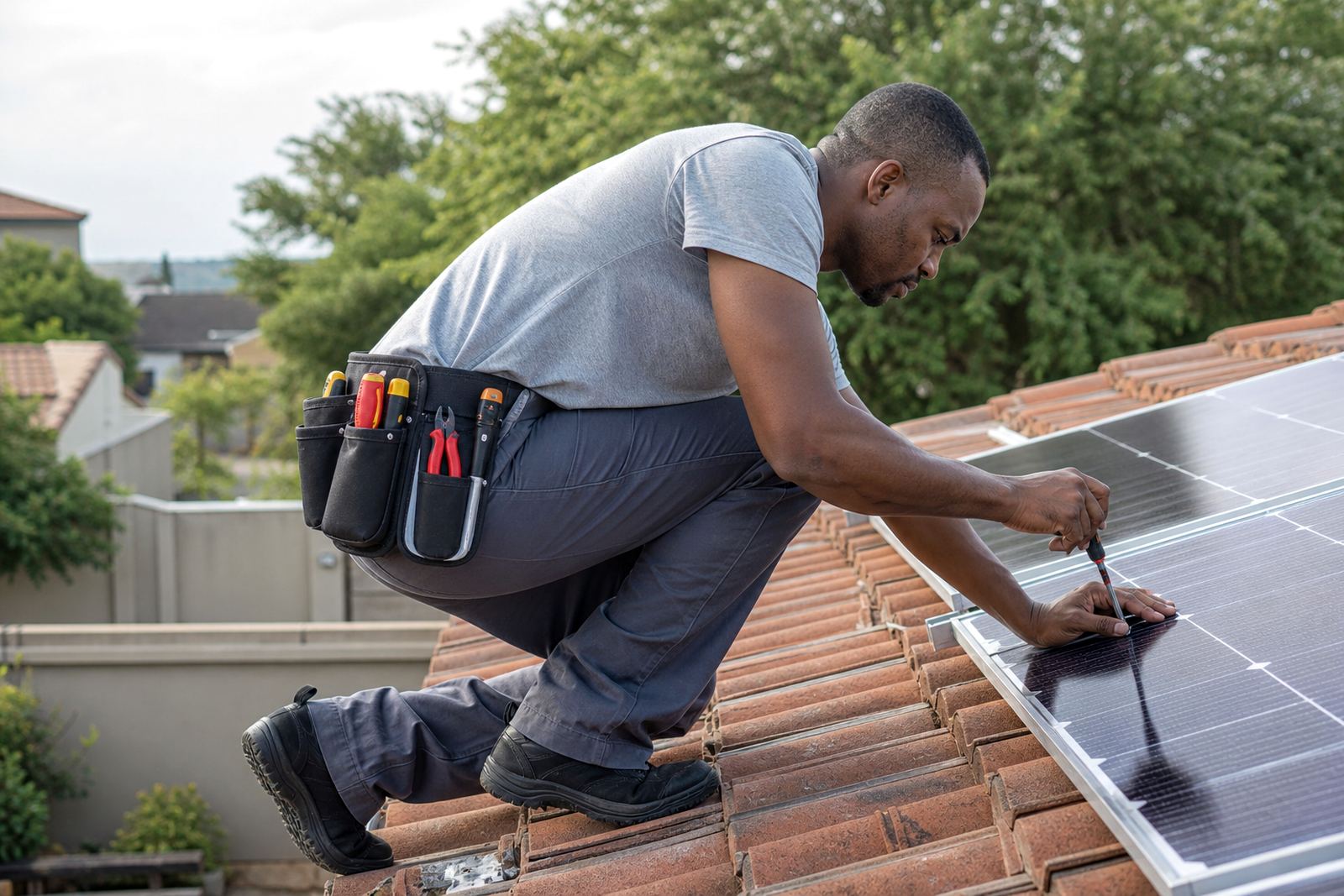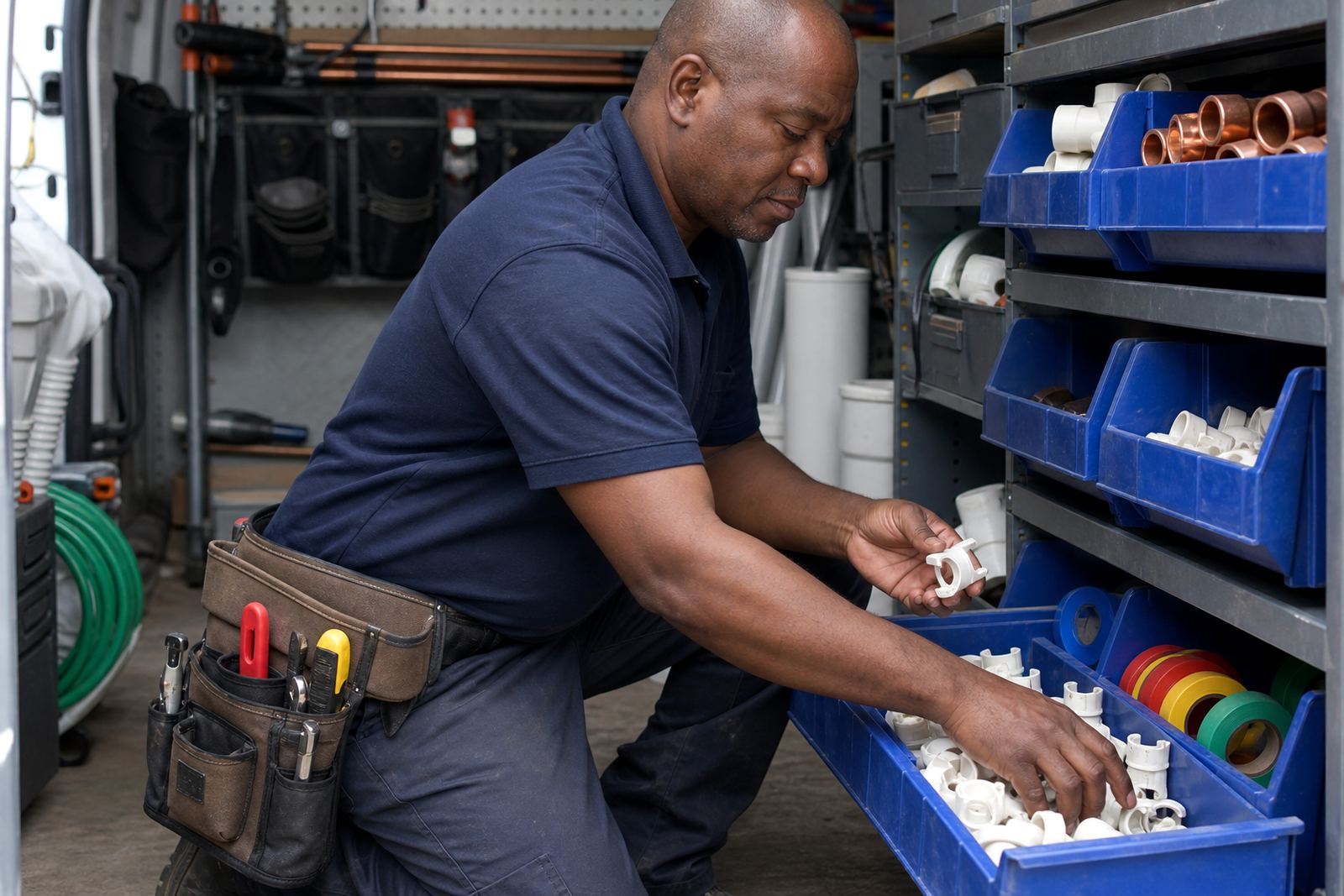

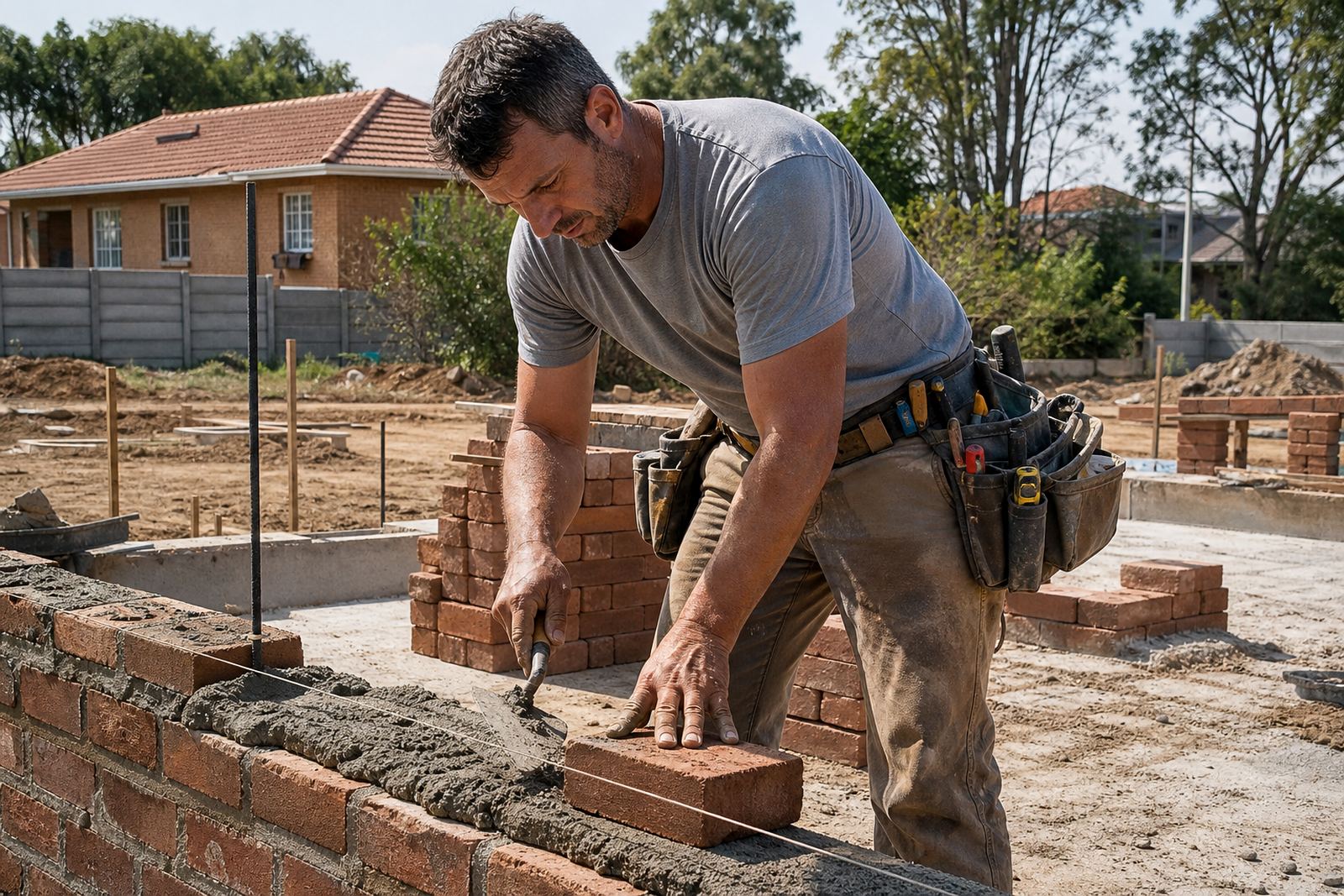
Built for the pace of a house site
On a home build, the day moves fast. One minute you are setting out walls, the next you are fixing noggins, checking measurements or walking a frame with a tape in hand. A good tool pouch keeps the little items where you can reach them without dropping screws into the sand or climbing down every ten minutes. It also helps when the site is busy and you need to keep your carry neat and safe.
For builders, the right pouch is less about style and more about daily use. You want enough space for fixings, pencils, a knife, a tape, marking tools and a few hand tools, but not so much bulk that it gets in the way when you bend, climb or kneel. In coastal areas like Durban and Cape Town, it helps to choose materials that handle humidity and salt air better. In Gauteng, where sites can be dusty and windy, strong stitching and easy-clean surfaces matter just as much.
A practical layout for builders carrying the essentials
Most house builders do best with a pouch layout that separates fasteners from tools. That means one pocket for screws and nails, one slot for a tape measure, another for pencils and markers, and a deeper section for a knife, pliers or a small level. If you work with a helper or move between tasks often, a balanced layout saves time and keeps your hands freer. It also reduces the chance of reaching for the wrong thing with gloves on.
- Front pockets for screws, anchors and nails
- Side slot for a tape measure
- Dedicated space for pencils, chalk or markers
- Deeper pouch for a knife, pliers or small adjustable tool
- Loops or holders for frequently used hand tools
A utility waist belt should sit snugly without digging in. If it rides too high or too low, it becomes a nuisance by mid morning. Belt size matching is worth doing properly, especially for teams where different people will use the same kit on shift. A bad fit leads to fatigue, slipping and uneven weight across the hips, which gets old quick on longer house builds.
Matching pouch sizes to the job stage
House building is not one single task, so the pouch should match the stage of the work. During setting out and framing, a lighter pouch with room for tape, markings and fixings is often enough. Once carpentry, roof work or second fix starts, many builders want extra depth for fasteners, bits and small tools they use all day. For snagging and finishing work, a smaller setup can be better because it stays out of the way in tight rooms and around paint or plaster.
We often see teams buying one large pouch for everything, then finding it too heavy or too loose for daily use. A better approach is to plan for the actual tasks on site. If your crew is moving between walls, doors, fascia work and general repairs, mixed trade kits can help you build one setup for the main builder and another for the labour side. That way the gear fits the work, not the other way around.
- Light setup for measuring, marking and fixings
- Medium setup for framing and first fix work
- Compact setup for finishing and snagging
- Extra carry for teams handling mixed tasks on one site
Common mistakes that slow a site down
One common mistake is overloading the pouch with everything you own. That makes it heavy, noisy and awkward to move in tight spaces. Another is choosing pockets that are too shallow, so nails and screws work their way out when you crouch or climb. Some builders also skip belt size matching and then wonder why the pouch keeps sliding round after lunch. It may seem minor, but on a full day it becomes a real irritation.
Another issue is buying a general purpose carry system that does not suit house work. Builders need quick access to fixings and a proper place for tape storage, not just one big open bag. If the layout is wrong, the pouch becomes a catch-all for loose bits and ends up slowing you down. We also advise checking stitching, rivets and strap comfort before placing bulk orders. A cheap option can cost more later if it fails midway through a project, especially on sites where replacements are not easy to source at short notice.
Budget ranges for home building crews
Budget depends on how many pouches you need, whether you are buying for one person or a whole team, and how much carry capacity you want. For a single builder needing a basic working setup, it is sensible to plan from around R250 to R600 for a simple pouch and belt combination. Mid range setups for regular site use often fall between R600 and R1 200, especially when you want better padding, stronger stitching and more pocket separation. For mixed crew orders, larger projects and better organised kit builds, the total can move higher depending on the quantity and layout.
Bulk team orders are usually the best value when a site needs several matching kits. That helps with stock control, training new workers and keeping the crew looking consistent on site. It also makes replenishment easier when a pouch gets worn or a belt fails. If you are rolling out kits across multiple house builds, ask for project rollout supply and stock replenishment planning so you can keep delivery moving without running short. No one wants to stop work because the right pouch is missing on a Monday morning.
Planning supply for sites in Alberton and beyond
We work from Alberton, Gauteng and supply builders and electricians across South Africa, including Johannesburg, Pretoria, Durban, Cape Town and Polokwane. That matters when you need delivery planning for sites that are spread out or when your crews are moving between suburbs. Our team handles contractor order support, starter kit builds, site specific selection and electrical kit configs or builders kit configs depending on the job. If your house project includes a mix of trades, we can help separate the carry by role so each person gets what they actually need.
For home building work, the right pouch should make the day easier, not add another task. If you need help with pouch layout planning, belt size matching or a mixed trade kit for a new build, send an enquiry through the contact page. We will help you choose a setup that suits daily carry, site conditions and the pace of the work.