Plumbing Support Crews Need Fast Access, Not Loose Pockets
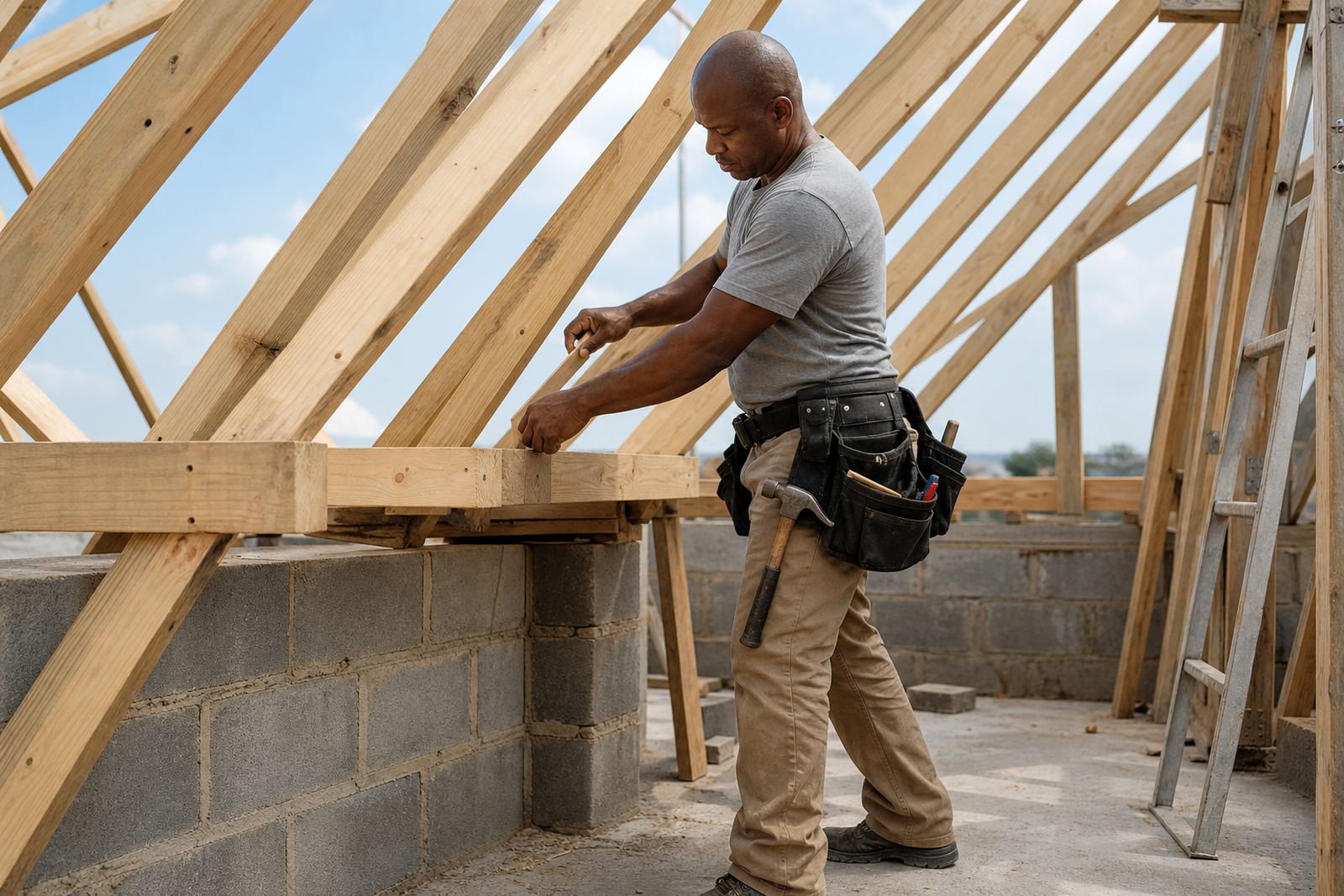
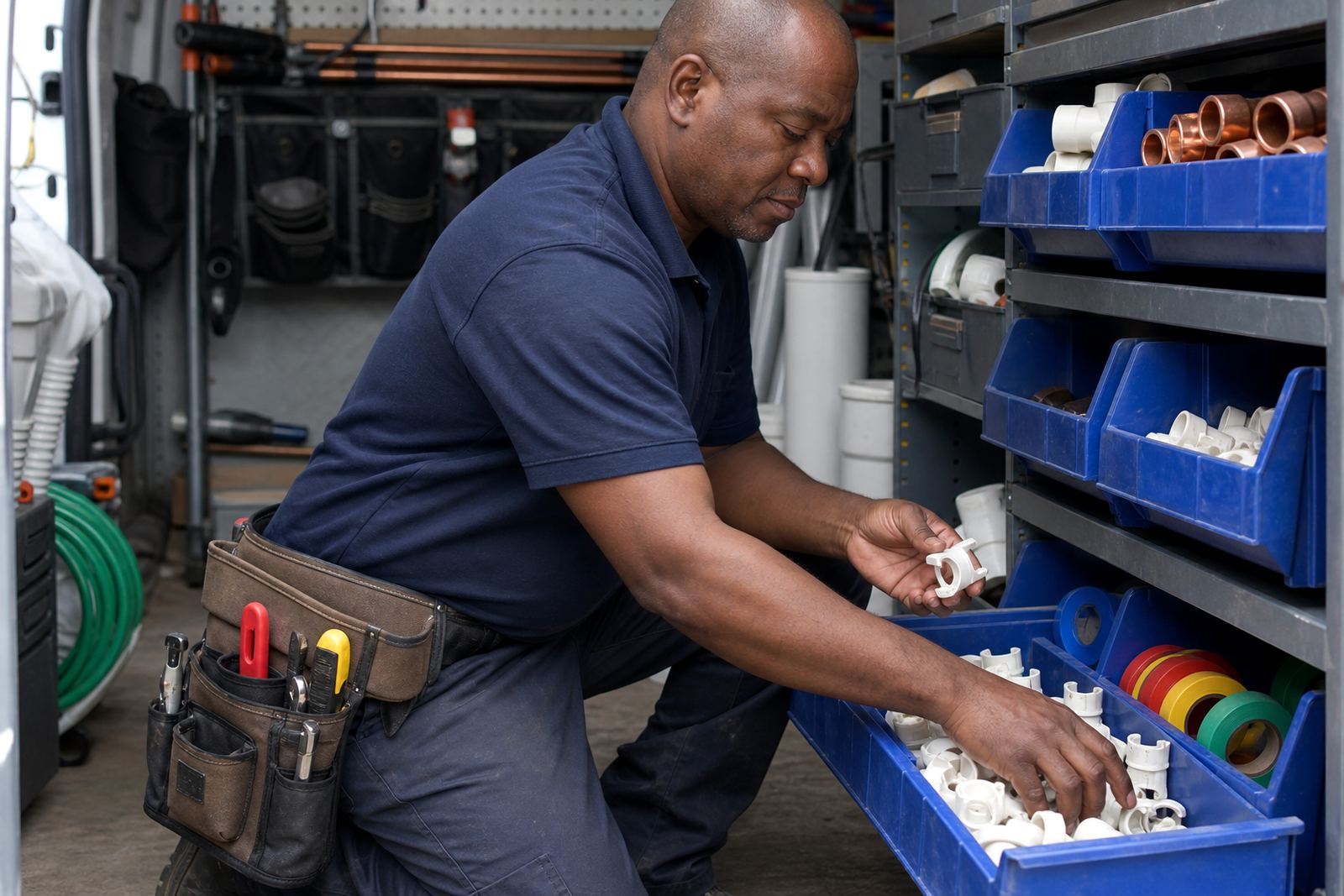
Plumbing support work is full of short jobs and constant movement. One minute you are sorting washers and clips on a repair call, the next you are holding a torch under a sink or crawling into a ceiling space to check pipe runs. A proper waist pouch keeps the small items where they should be, so the crew does not waste time fishing through overalls or carrying a tray back and forth.
For plumbers and support crews in Johannesburg, Alberton, Pretoria and the coastal cities, the main challenge is keeping the load light while still having the right fittings close by. A pouch should hold daily-use items without pulling on the hips, and the belt must stay secure when bending or climbing ladders. In humid areas near Durban or Cape Town, material choice matters too because sweat and moisture can make lighter gear wear out quicker.
Good layout starts with the job type. For a simple maintenance call, you need a smaller pouch with room for a tape measure, adjustable spanner, screwdriver set, PTFE tape and a few fittings. For more active support work, add extra compartments for seals, screws, clips and a marker. The aim is to carry enough for the first fix, not the whole van.
A Practical Kit For Plumbing Support Jobs
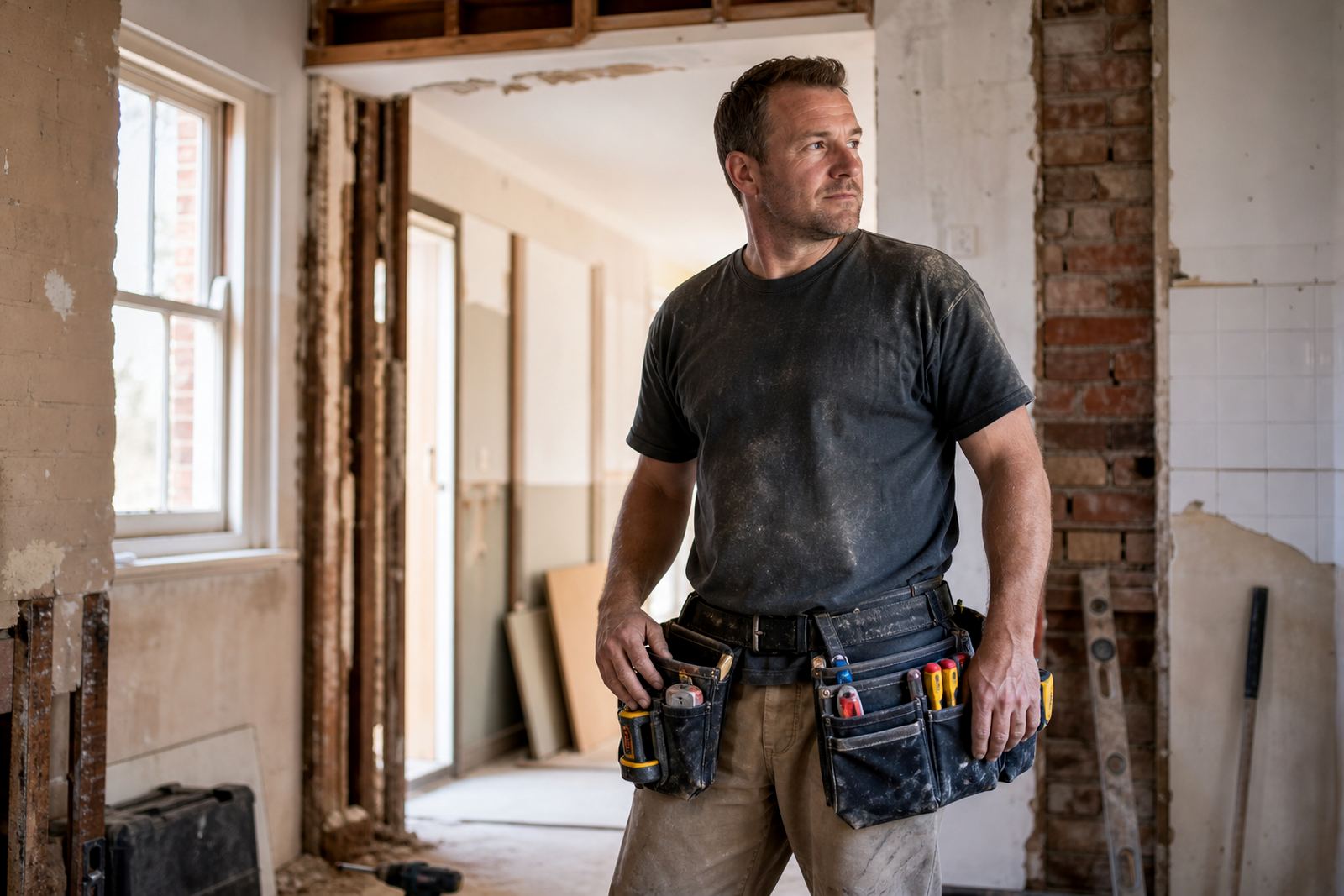
A plumbing support pouch works best when it matches the real loadout. Heavy tools should stay on the belt only if they are used all day. Small parts need pockets that close properly so fittings do not fall out in a trench or on a roof.
- Small spanners and a compact adjustable spanner
- Screwdrivers for clamps, covers and brackets
- PTFE tape, washers, seals and small couplings
- Marker, pencil and a compact tape measure
- Utility knife, side cutters and pliers
- Fasteners, clips and a few spare fittings
For support crews that move between sites, mixed pouch setups are often better than one large bag. One pouch can hold small fittings, while another carries hand tools and consumables. That split makes the load easier to balance and it is less tiring over a 9 or 10 hour shift. On larger contracts, the supervisor may also want matched kits for each team member so stock control stays simple.
Layout Planning For Comfort And Speed On Site
Layout planning is where the difference shows. A right-handed fitter will usually want the most used tools on the dominant side, with parts storage on the front or support side. If the crew wears rain gear, dust coats or heavy work trousers, belt length and pouch width must be checked before issue. A belt that sits too high can dig into the ribs when kneeling, while one that is too loose will ride up and twist.
In practice, the best setup is usually a two pouch layout: one side for tools, the other for consumables. This gives cleaner access and helps stop small parts from ending up mixed with sharp tools. For teams that work in pump rooms or around municipal infrastructure, keeping the layout consistent across the crew also makes it easier to find items quickly when someone shouts for a seal or cutter.
- Match belt size to winter and summer clothing layers
- Keep the heaviest items centred and low on the waist
- Separate sharp tools from seals and soft consumables
- Use closed pockets for screws, clips and washers
- Check that the pouch does not interfere with kneeling or ladder work
Common Mistakes That Slow Plumbing Teams Down
One common mistake is overloading the pouch with everything from the workshop. That makes the belt sag, reduces movement and causes back strain over time. Another problem is mixing too many tiny items in one open compartment, which leads to lost fittings and slow repairs. It is better to carry fewer things and refill from the vehicle when needed.
Some crews also choose pouches that are fine for general trade use but not ideal for plumbing. If the pockets are too deep, small washers disappear. If they are too shallow, fittings fall out when the worker bends over. And if the belt material is weak, it can stretch after a few weeks of daily use. This matters even more for contractors working in dusty inland areas or salty coastal air where gear takes a beating.
A final mistake is buying one size for everyone. Body shape, work style and task type all affect comfort. A crew member doing service calls in Pretoria may need a lighter pouch than a plumber doing installation support on a new build in Midrand. Measuring properly at the start saves money later because the right fit gets used every day instead of sitting in the storeroom.
Budget Ranges For Plumbing Support Pouches And Belts
Budget depends on pouch size, belt construction and how much the team needs in one order. For individual plumbing support use, a basic pouch and belt setup can start in the lower range, while a more fitted arrangement with better storage and stronger stitching will cost more. As a guide, many teams plan around R350 to R750 per person for a practical starter setup, depending on the layout and number of compartments.
For contractors equipping a crew, mixed orders often give better value. A bulk team order can bring the per-user cost down, especially when the same pouch model is issued across several sites. Larger rollout projects or contractor supply programmes may sit between R900 and R1 800 per person when the kit includes extra pouches, stronger belts and matched hand tool storage. If the team only needs replacement belts or a small add-on pouch, the spend is much lower.
It also helps to plan for stock replenishment. Plumbing work wears through small consumables fast, so a regular top-up plan stops last minute buying and keeps the crew ready for callouts. For teams working around schools, estates or municipal maintenance contracts, having spare kits in Alberton or Midrand makes site response quicker and keeps the job moving.
When A Plumbing Support Team Should Upgrade The Kit
There are a few signs that it is time to move from a basic pouch to a fuller setup. If the crew keeps overstuffing pockets, losing fittings, or carrying tools in the hand instead of on the belt, the current arrangement is no longer working. If the team starts handling more service calls, more shutdowns, or more work in restricted spaces, the storage needs usually change as well.
Waistbags Pro works with contractors, maintenance teams and project supervisors who need practical support for daily plumbing tasks. That includes belt size matching, pouch layout planning, starter kit builds and mixed trade kits when plumbing support overlaps with general site work. Orders can be arranged for teams across South Africa, with delivery planning for Johannesburg, Pretoria, Durban, Cape Town and Polokwane.
- Upgrade when the pouch is causing delays on repeat jobs
- Upgrade when the belt no longer fits over workwear properly
- Upgrade when crews need more organised fittings storage
- Upgrade when contract work expands to larger sites or rollout jobs
For plumbing support crews, the right pouch is not about carrying more. It is about carrying the right few items in the right place, so the team can work faster, safer and with less clutter on site.