Why solar crews need a different belt setup
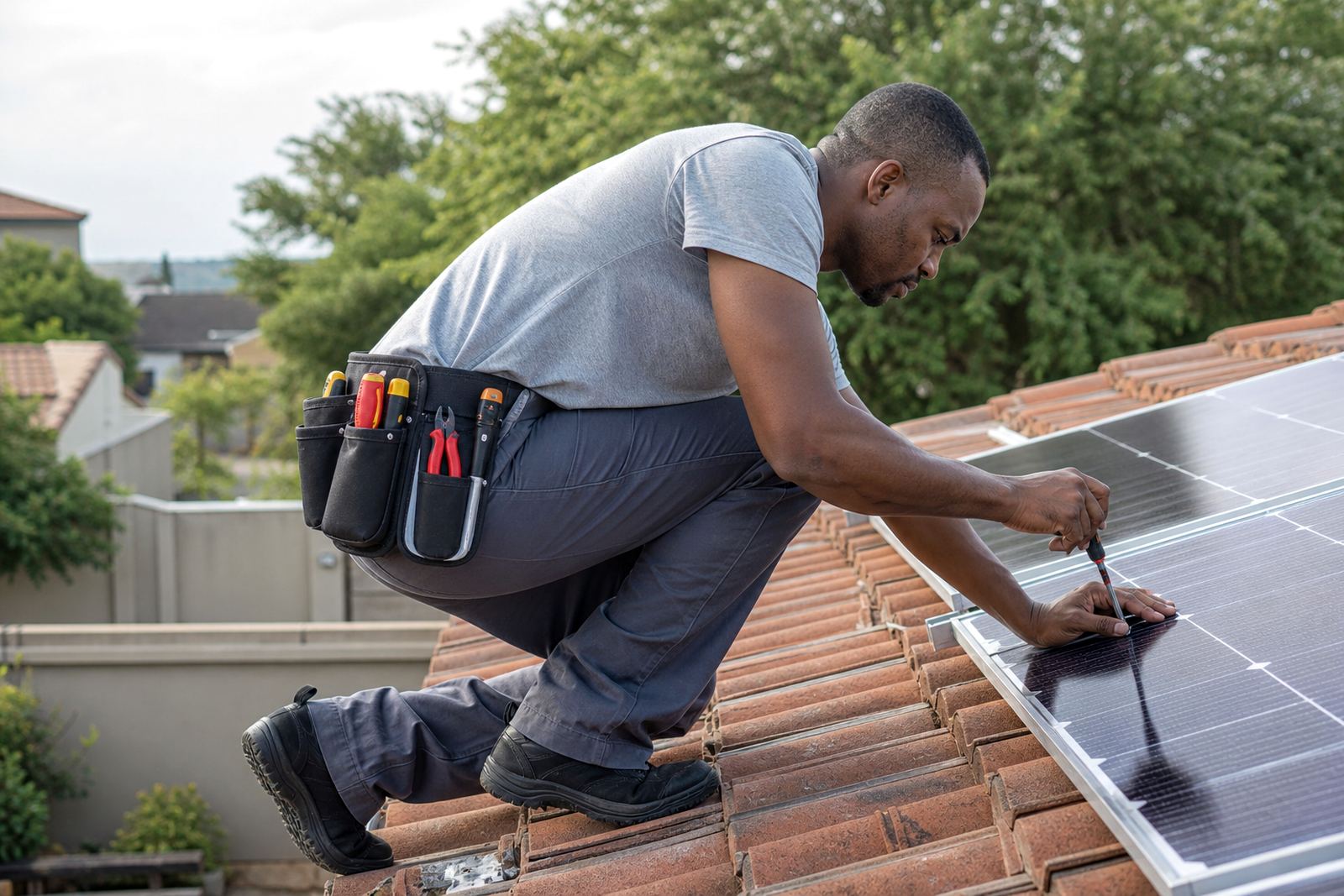
A solar job is not the same as a general building site. You may spend half the day on ladders, in roof trusses, around combiner boxes or beside an inverter, so your waist setup has to carry the right small items without swinging about. A belt that is too heavy on one side will pull at your hip and slow you down by the afternoon.
For installers in Alberton, Johannesburg, Pretoria, Durban, Cape Town and Polokwane, the best setup is usually a balanced pouch pair with enough room for cable ties, ferrules, terminals, a measuring tape and a few hand tools. Coastal humidity in Durban and Cape Town can also punish soft materials, so the choice of fabric and stitching matters more than many teams first think.
Typical solar installer kit to keep on the belt
A clean kit layout saves time on roof jobs and keeps loose items from ending up in a van tray or on the ground. Most solar installers prefer a lighter carry than electricians on heavy commercial work, but they still need good separation for fixings and small parts.
- Cable ties in mixed lengths for module management and cable runs
- Connectors, lugs and ferrules in small containers or pouches
- Screwdrivers, side cutters, crimping tools and a compact tape measure
- Fixings for brackets, clamps and conduit clips
- Pencil, marker, small torch and test items for checks at the point of work
Keep the weight low and close to the body. If the belt hangs too low, it catches on ladders and guard rails, and that is a nuisance when you are moving fast on a rooftop.
Layout planning for balanced movement and safe access
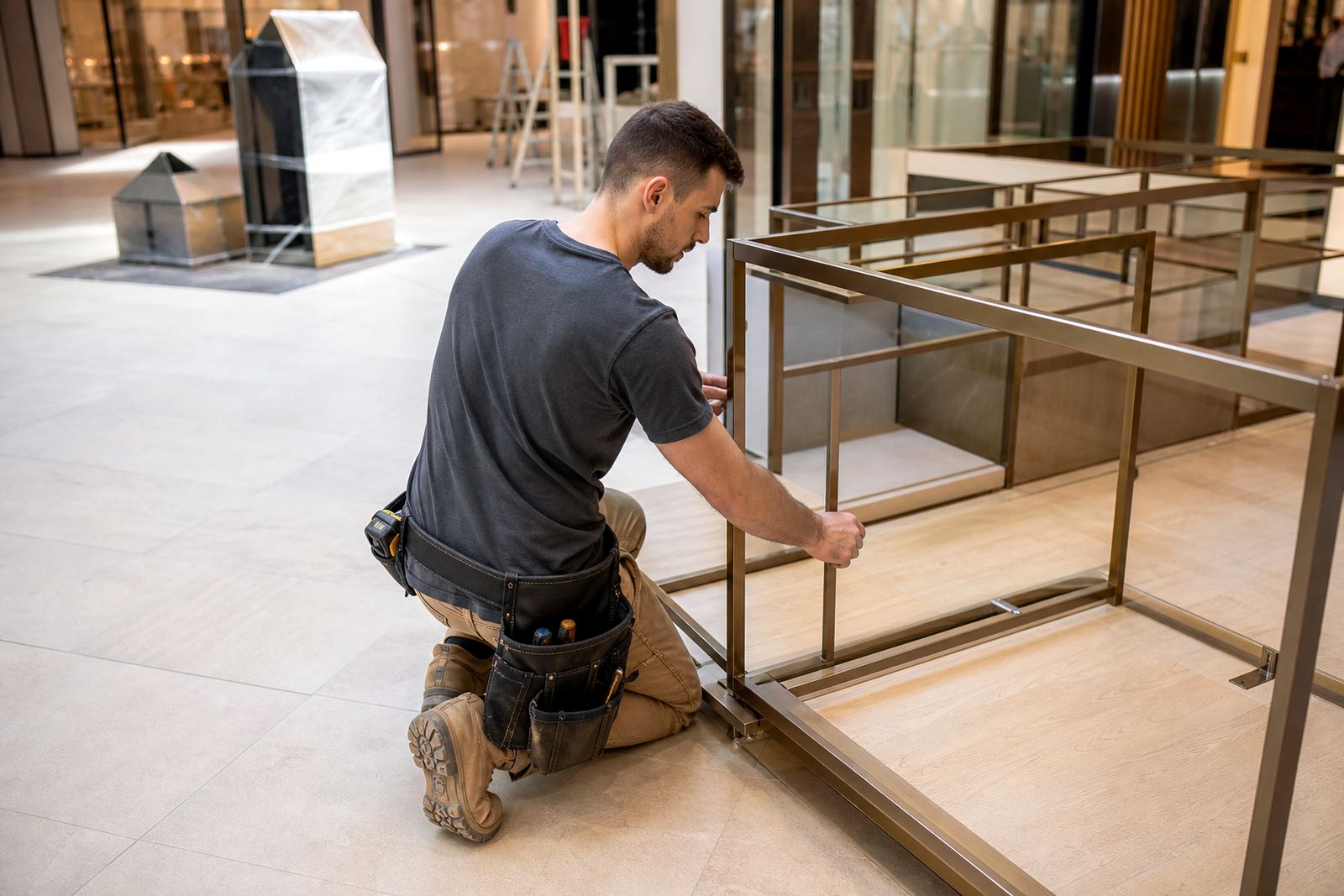
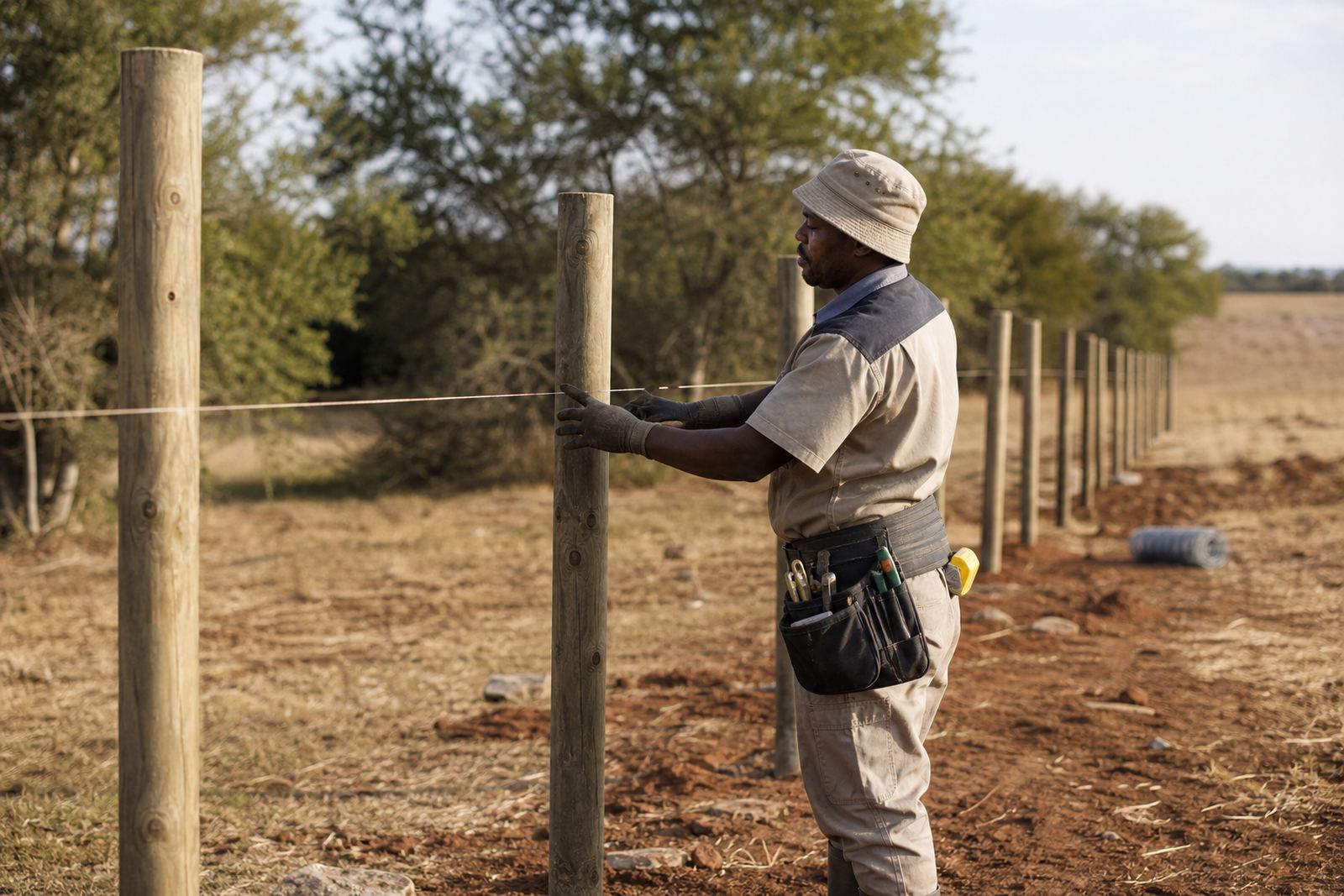
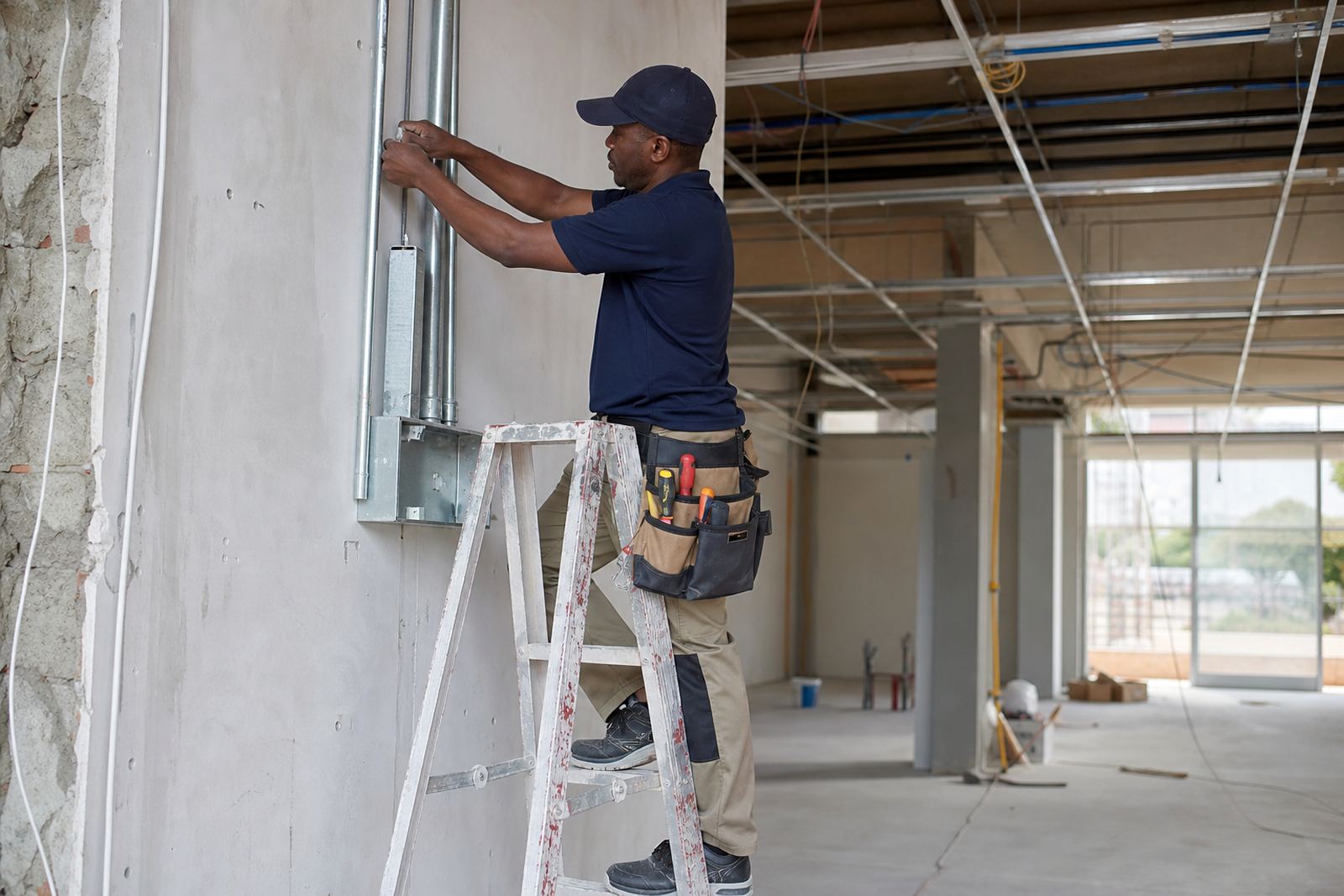
Good pouch layout is not only about storage, it is about movement. Installers often use one side for tools and the other side for fasteners and consumables, with the heaviest items kept near the centre line. That keeps the belt from twisting when you bend or step sideways on uneven ground.
We often suggest a simple setup for solar crews:
- Dominant hand side for the tools you reach for most often
- Support side for fixings, cable ties and spare consumables
- Central loop or clip area for tape measure, gloves or a small torch
- Space left clear so harnesses, jackets or seat belts do not snag it
If the team is working across several site types, from domestic rooftops to small commercial arrays, a modular layout gives more flexibility than a packed all-in-one pouch. It is easier to swap one pouch than repack the whole belt every morning.
Common mistakes solar installers make with waist belts
The most common problem is overloading the belt with items that should stay in a van or a tool bag. Once the pouch gets too full, installers start dropping screws, bending tools and rummaging for parts at the wrong time. Another mistake is choosing a belt that is too large and then tightening it down so hard that it digs in after a few hours.
Some teams also forget that solar work changes through the day. You may begin with roof layout, then move to wiring, then back to final fit-off. If the pouch only suits one task, it becomes awkward. A good setup should still feel comfortable after lunch, not just when you leave the yard.
Budget ranges for solar installer teams
Budget depends on whether you are fitting one installer out or setting up a full crew. For a basic working belt with a practical pouch arrangement, many buyers plan around R450 to R900 per person. That usually covers a sensible entry level setup for light to medium daily use.
For more organised mixed trade kits, or where the belt needs stronger stitching, better padding and extra pouch space, expect roughly R900 to R1 800 per person. Larger contractor orders and project rollout supply can be planned in stages so you do not overbuy before the team size is final. We also help with stock replenishment plans for crews that work across Johannesburg, Pretoria, Durban, Cape Town and Polokwane.
How we help with solar site supply in South Africa
Solar work needs quick decisions, especially when the site is far from the main office or the team is spread across multiple towns. Our Alberton base supports supply into Gauteng and nationwide, with branch coverage for Johannesburg, Pretoria, Midrand, Centurion, Durban, Cape Town and Polokwane. If a contractor needs a repeat order for several installers, we can help with pouch layout planning, belt size matching and starter kit builds.
Teams usually reach us through the enquiry form on our contact page. From there, we can talk through the kit mix, the number of installers, and the type of work being done, whether it is domestic solar, small commercial installs or contractor maintenance. That keeps the order practical and the belt usefull on site.