Why electricians choose a proper waistbag setup
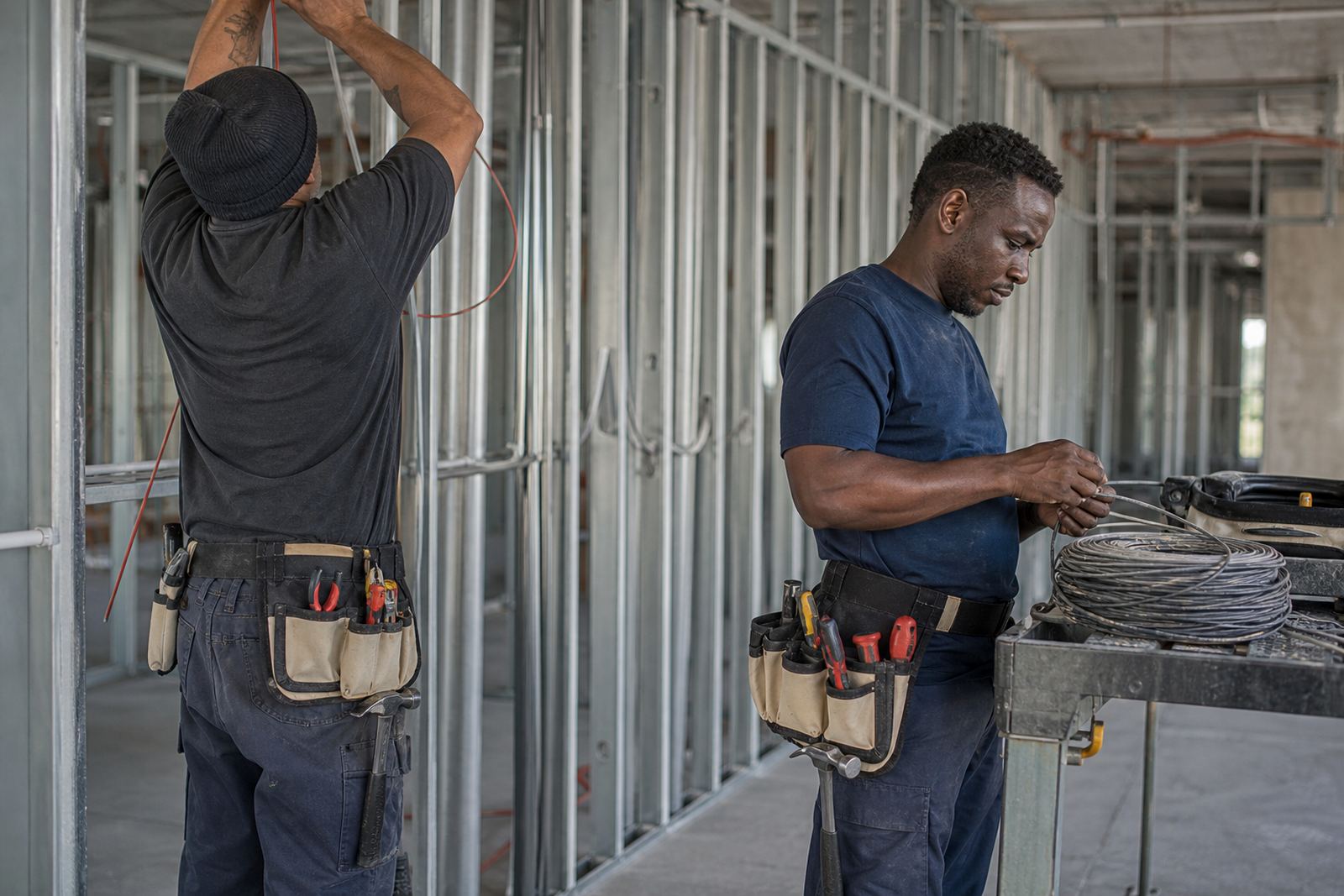
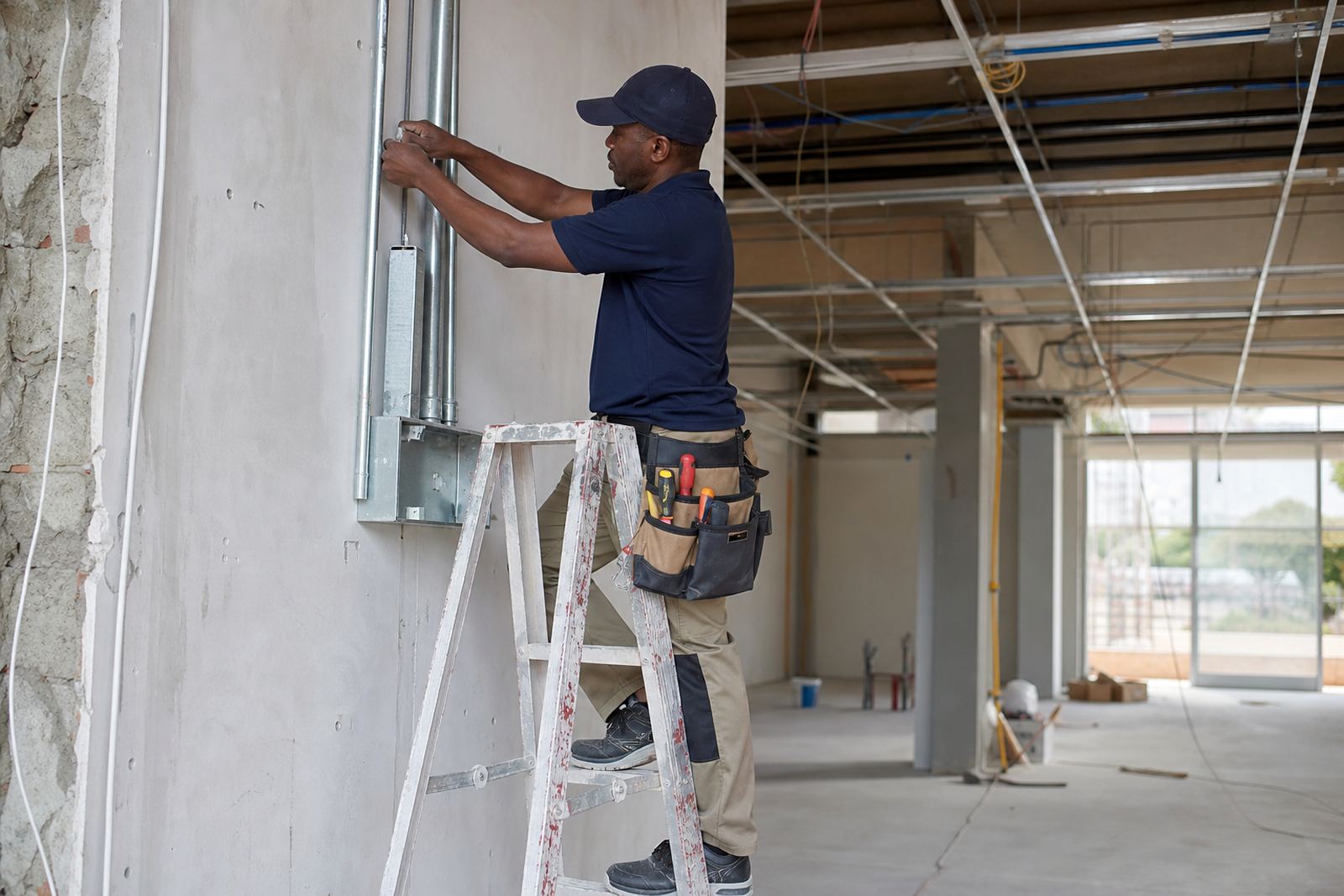
On an installation job, the right pouch layout makes a noticeable difference. When you are moving between a ceiling void, a DB board, a ladder and a set of power points, you need fast access to screwdrivers, pliers, test pens, crimpers, insulation tape and fixings. A good waist bag keeps the working set on your body, so you spend less time walking back to the van and more time getting the job done.
In Alberton and the wider Gauteng area, electricians often work on new builds, add-on circuits, maintenance call-outs and tenant fit-outs. That means you need a setup that can handle dust, heat, load-shedding schedules and long days on site. The pouch should sit comfortably over a work shirt or hi-vis vest, and it must stay balanced when loaded with tools and clips. A bag that pulls to one side becomes a nuisance very quickly.
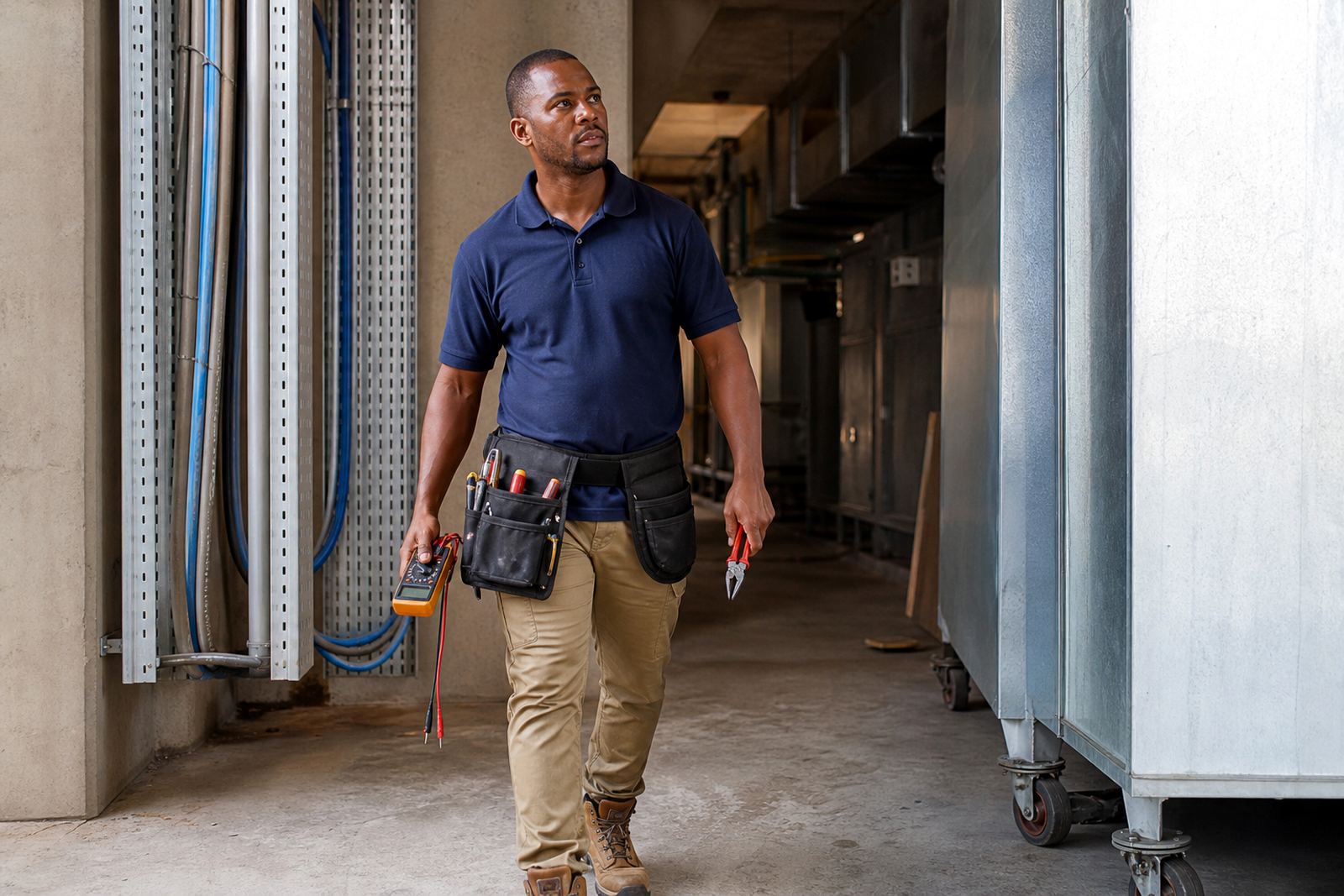
For electrical work, the goal is simple: keep the main hand tools on one side, small consumables on the other, and your tester where you can reach it without fumbling. That sort of organisation saves time, and it also reduces the risk of dropping parts in ceiling spaces or near live boards.
Typical electrician kit for site and maintenance work
Most electricians do not need a giant bag. They need the right items in the right place. A practical electrical installations setup usually includes a compact pouch, a nail bag or utility pouch for fixings, and a belt that can take repeated use without stretching out.
- Insulated screwdrivers in the most used sizes
- Combination pliers and side cutters
- Voltage tester or test pen
- Wire strippers and crimping tool
- Small spanner set or adjustable spanner
- Box of screws, plugs, clips and cable ties
- Insulation tape, marker and a torch
- Spare blades, ferrules, lugs and small terminals
For electricians doing domestic call-outs, a lighter setup is often better. For commercial work or project rollout, a larger pouch set can carry more fixings and spare parts. If you are working in coastal areas such as Durban or Cape Town, materials should be checked for rust resistance because humidity will show up quickly on cheap fasteners and metal clips. It is worth matching the pouch to the job type, not just buying the biggest one available.
How to lay out tools so you work faster
Tool layout should follow the way you work. Put the items you use every few minutes on the dominant side, and keep lower-use pieces in the back pockets or secondary compartments. Testers and pens should sit high enough to grab without looking down for too long. Small parts like screws, cable clips and connectors should have a closed or semi-closed pocket so they do not spill when you crouch or climb.
We usually advise electricians to think in zones. One zone for hand tools, one for consumables, and one for testing and marking. That way your pouch remains tidy even after a long day on the job. If you carry too much in one pouch, it becomes bulky and starts slowing you down. If you split it sensibly, the weight feels better and the kit lasts longer.
For team work, it also helps to standardise the setup. A foreman can specify one layout for installers and another for testers, which makes stock planning easier. It also helps new staff settle in quicker because they know where the common items should be kept.
Common mistakes on electrical jobs
One common mistake is overloading the belt. People often fill every pocket on day one, then find the setup uncomfortable by lunch time. Another mistake is mixing sharp tools, loose screws and delicate testing equipment in the same pocket. That causes damage, and it slows you down when you need a single item in a hurry.
Another issue is buying a bag that does not match the belt size. If the belt rides up or twists, the whole setup becomes frustrating. It is also worth checking whether the pouch stays closed while you move. On stairwells, in roof spaces or when you are bending into under-counter work, loose fixings can spill and disappear quickly.
- Do not choose a pouch only by pocket count
- Do not ignore belt sizing and clip strength
- Do not mix heavy tools with small consumables
- Do not use corroded fasteners in humid areas
- Do not leave testers rubbing against sharp metal edges
We also see teams underestimating how often the kit is used. If a pouch is for daily electrical work, it should be selected for repeated opening, closing and kneeling, not just for one neat photo. It needs proper stitching, practical access and enough space for real site use.
Budget ranges for electricians in Rand
Budgets vary depending on whether you are buying one setup for a single electrician or building a full team issue. For a basic starter pouch set, many customers look in the range of R250 to R450. That is usually suitable for lighter domestic work or as a first kit for a new apprentice.
A more practical mid-range setup for regular electrical installations often falls between R450 and R900. This is where you get better padding, stronger belt support and more sensible storage for tools and fixings. For contractors building multiple kits for a site team, the spend can go from R900 upwards depending on quantity, mix and layout requirements.
If you are replacing worn kit across an office, workshop or crew, it helps to plan the order in stages. Start with the highest-use roles first, then add the rest after checking how the belt sizes and pouch arrangement are performing. That avoids wasted spend and it keeps everyone working from a setup that suits the job.
Planning supply for teams across Gauteng and beyond
For electrical contractors in Johannesburg, Pretoria, Midrand, Centurion and Alberton, supply planning often matters as much as the product choice. Jobs start early, sites change, and stock needs to be available when the crew is loaded and ready. A good plan covers starter kits, replacement units, and extra pouches for new staff or short-term projects.
We also help with mixed trade kits where electricians need a combination of tool pouches, nail bags and utility belts for general site work. That is useful for contractors handling maintenance teams, project rollouts or smaller teams that need a flexible setup. Stock replenishment planning can be arranged so the same team does not lose time waiting for basic items like clips, screws and cable ties.
- Bulk team orders for contractors and foremen
- Starter kit builds for new electricians
- Belt size matching for comfort and stability
- Site-specific selection for domestic or commercial work
- Delivery planning for branches and active sites
When the kit is matched properly, electricians work cleaner and faster. It becomes easier to keep parts organised, keep tools secure and keep the day moving, even when the power schedule is tight or the site is spread over several floors.