
Why maintenance crews need lighter carry gear
In factories, estates, office parks and municipal sites, maintenance work is rarely a full build. The team is moving from a leaking tap to a loose fitting, then onto a door closer or light fitting, often in the same hour. That means the carry setup must be compact, easy to clean and simple to reset at the end of the shift.
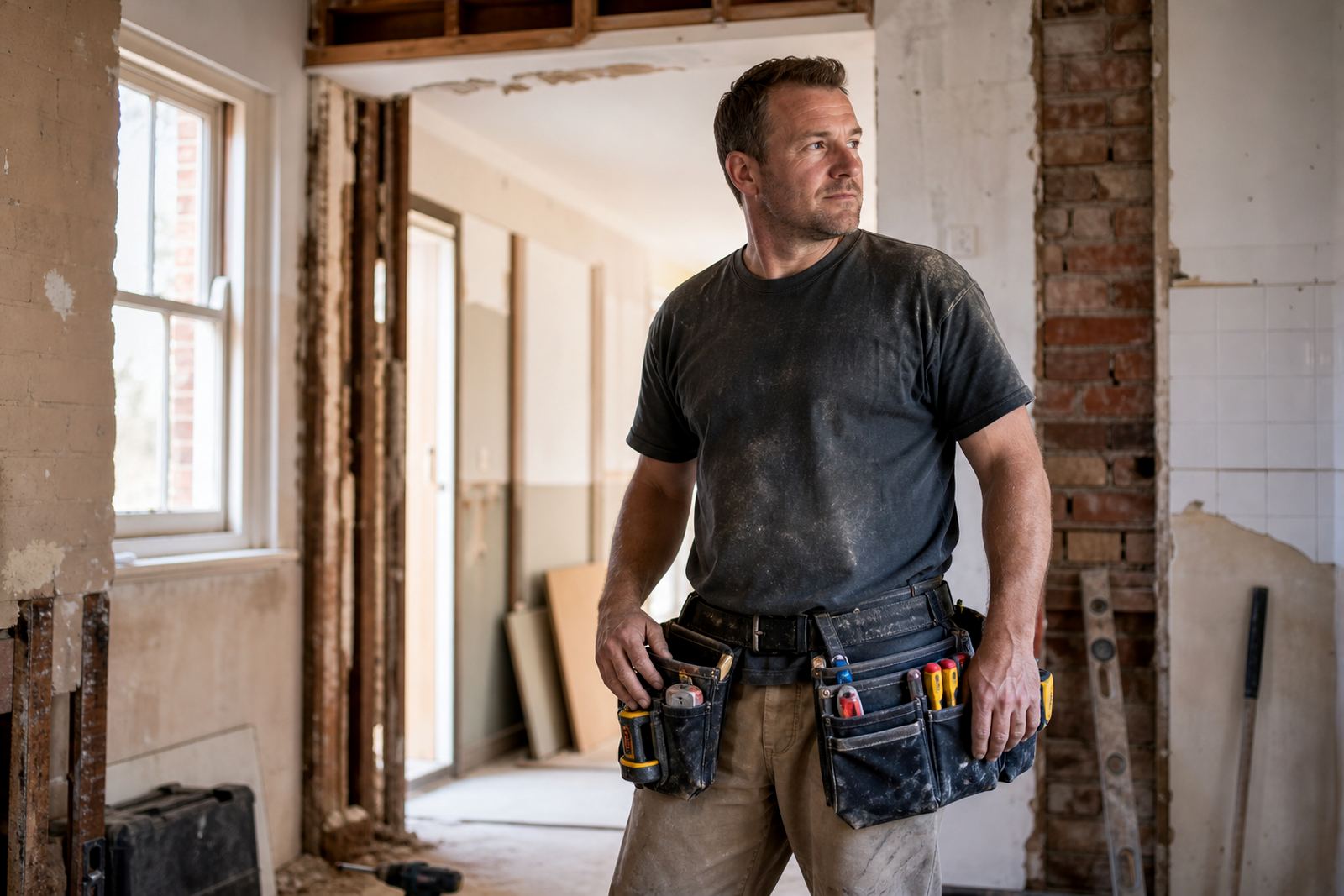
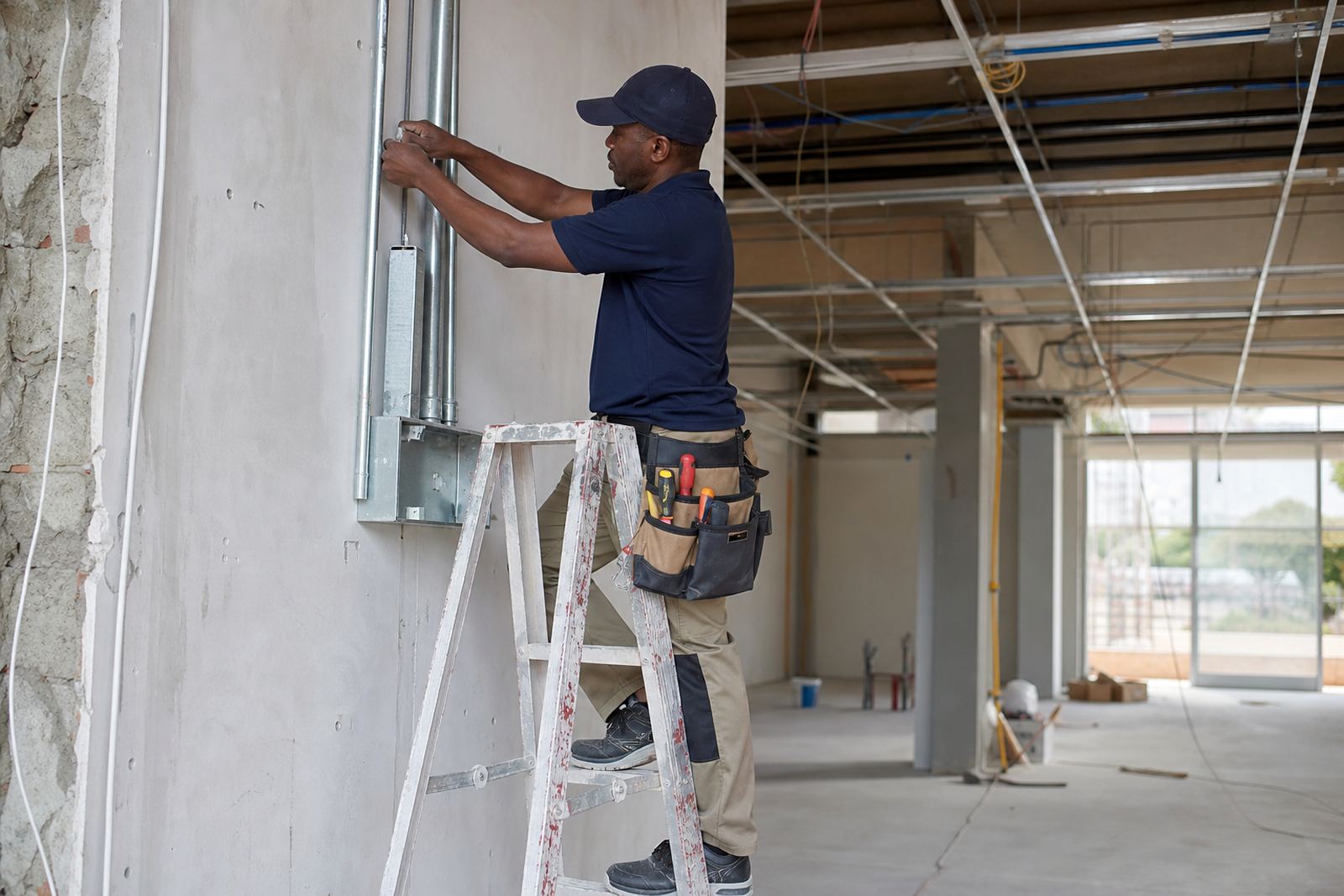
For this kind of work, a large pouch can become a problem. It knocks against ladders, catches on handrails and gets in the way when crawling under panels or working in tight plant rooms. A low-bulk waist pouch keeps the day organised without adding strain. It also helps when load-shedding interrupts planned repairs, because the crew can move quickly with only the essentials on hand.
Typical kit for inspections and small fixes
Most maintenance teams only need a practical core set. The exact layout changes by trade, but the aim stays the same: keep the everyday items in one place and leave the bulkier tools in the van or toolbox. That gives a cleaner workflow for call-outs, especially when several jobs are stacked across Johannesburg, Pretoria, Durban or Cape Town.
- Utility waist belt with a secure buckle and adjustable fit
- Two to four pouch layout for fasteners and small consumables
- Nail bag or utility pocket for screws, wall plugs and terminals
- Loop or sleeve for a pencil, marker, tester or small screwdriver set
- Dedicated space for tape measure, blades and a compact spanner set
- Optional clip points for a torch or small multi tool
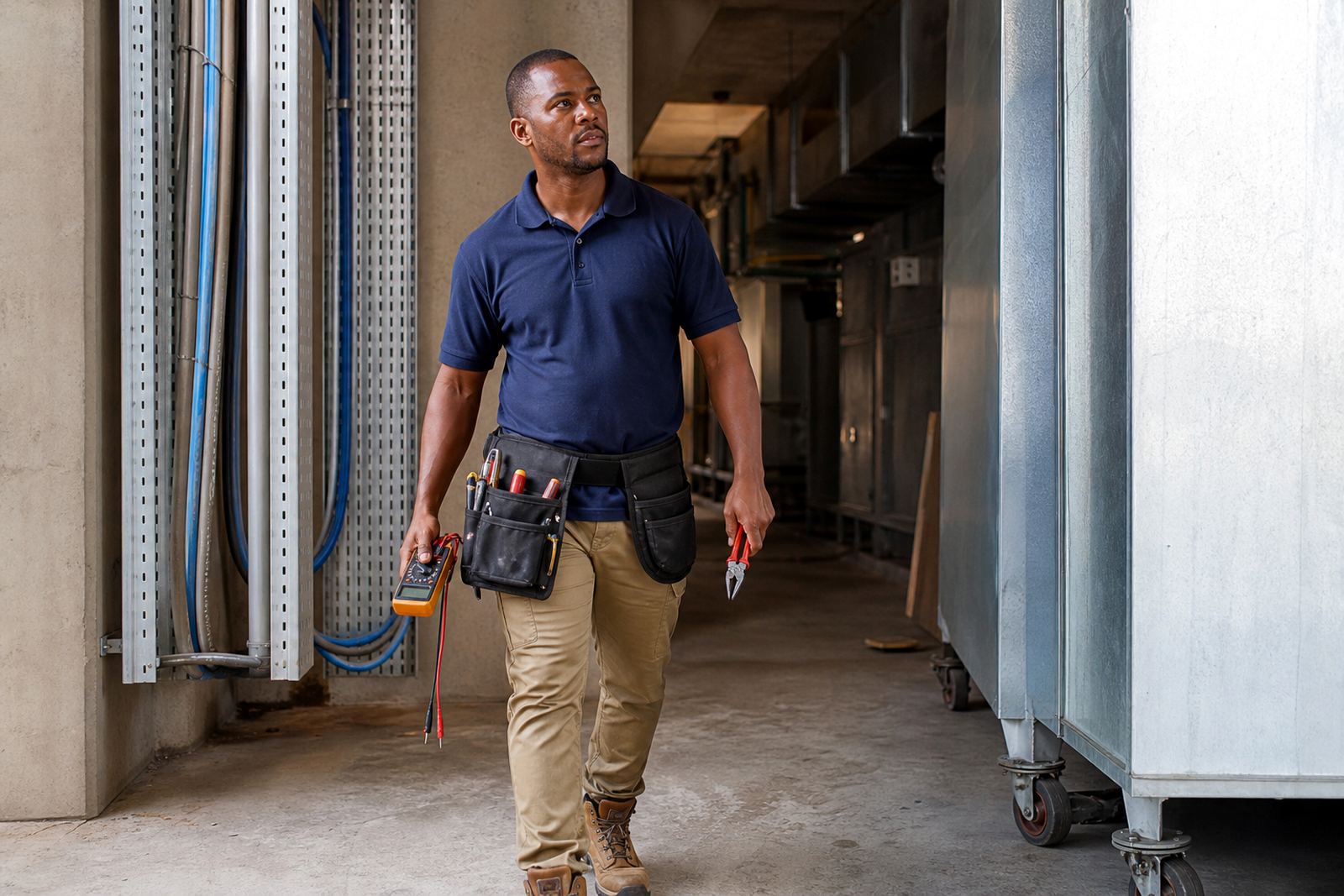
For electrical maintenance, the pouch should separate fasteners from test items. For building upkeep, a deeper pocket may suit plugs, anchors and masonry bits. It does not need to be fancy, just ordered in a way that makes sense for the job.
Planning the pouch layout for repeat call-outs
Layout planning saves time on site. If a technician keeps reaching across the body for the same item, the pouch is set up badly. The best layouts place the most used tools on the dominant-hand side and keep the least used items further back. On a busy day, that small change can shave minutes off every job and reduce fustration too.
We often suggest splitting a maintenance setup into three parts: fixings, hand tools and access items. Fixings include screws, anchors and terminals. Hand tools include screwdrivers, pliers and a cutter. Access items include torch, keys and a metre or tester. This approach works well for service teams because the pouch can be reset quickly before the next call-out.
- Keep the weight centred so the belt does not twist during movement
- Use one pocket for clean items and one for dirty or used parts
- Match pouch depth to the size of the fixings you carry daily
- Choose wider belt sections if the team spends time on ladders or kneeling
- Mark each kit by role to avoid mix-ups between electricians and general maintenance staff
Common mistakes maintenance teams make
The biggest mistake is overloading the belt. Teams often pack in everything just because space is available, then spend the day fighting the weight. Another common issue is buying a single general pouch for every role. A plumbing helper, an electrical tech and a general repairs runner do not all carry the same items, so the pouch should reflect the job not the shelf.
Another error is poor sizing. If the belt rides too loose, it slips over overalls and work trousers. If it is too tight, it becomes uncomfortable during bends and climbs. Coastal teams in Durban or Port Elizabeth also need attention to rust and moisture, so any metal parts should be checked regularly and dried after wet work. A simple monthly inspection of stitching, rivets and buckle points helps avoid surprise failures on site.
Budget ranges for low-bulk maintenance kits
Budgets depend on how many staff need kit, how often the team works in the field and whether the order is for starter units or a full rollout. For small service teams, a basic belt and pouch setup can start from about R180 to R350 per person. Mid-range maintenance kits with more pockets and stronger belt support usually fall between R350 and R650 per person.
For supervisors, specialist technicians or mixed trade teams, a more detailed layout with added storage and role-specific pockets may range from R650 to R1 200 per person. Bulk team orders bring the per-unit cost down, especially when the same layout is repeated across a crew. If the site needs several variants, we can assist with mixed trade kits so each person gets the right loadout without overspending.
How Waistbags Pro supports maintenance teams
From our base in Alberton, Gauteng, we supply maintenance teams across South Africa with tool pouches, nail bags and utility waist belts suited to daily service work. Our team helps with belt size matching, pouch layout planning, starter kit builds and stock replenishment plans for sites that run scheduled maintenance or contractor call-outs. Whether the work is in a school, shopping centre, warehouse or residential estate, the aim is the same: keep the kit practical and easy to carry.
Clients across Johannesburg, Pretoria, Midrand, Centurion, Durban, Cape Town and Polokwane can send an enquiry through our contact page for order support and delivery planning. If you need a single crew kit or a larger rollout for multiple technicians, we can help shape the order around the workday, the site rules and the tools your team reaches for most often.
- Bulk Team Orders for supervisors and multi-site maintenance crews
- Site Specific Selection for indoor, outdoor and plant room work
- Electrical Kit Configs and Builders Kit Configs for mixed service teams
- Contractor Order Support for phased replenishment and replacement cycles