Fit-out work needs a different carry setup
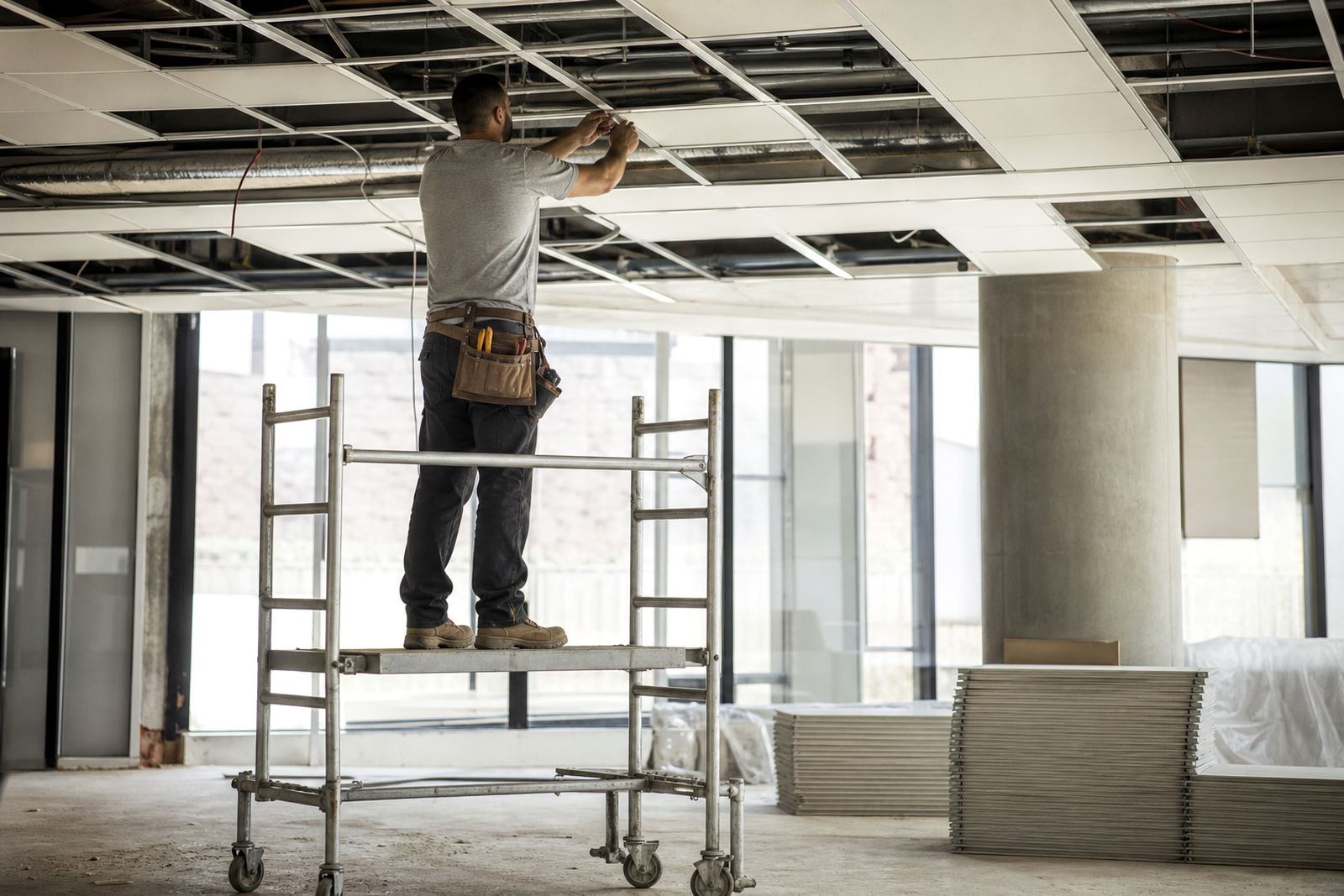
Commercial fit-outs are not the same as general building work. One hour you are setting out for partitions, then you are up on a ladder for ceiling services, then back on the floor for trims, fixings and final adjustments. That kind of movement calls for a carry setup that sits close to the body, keeps the common tools visible and does not snag on tight access points.
For teams working in malls, office parks, hospitals and mixed-use developments, a waist belt must stay comfortable through long shifts and handle repeated bending, climbing and kneeling. In Gauteng sites, where contractors often work through load-shedding changes and rushed programme updates, the last thing a crew needs is time lost hunting for screws, testers or a pencil.
We work with builders and electricians who need practical carry options for fast handover work, snag lists and live-site adjustments. The aim is simple: fewer trips back to the tool box and quicker access to the items used most often.
Typical kit for partitions, ceilings and services
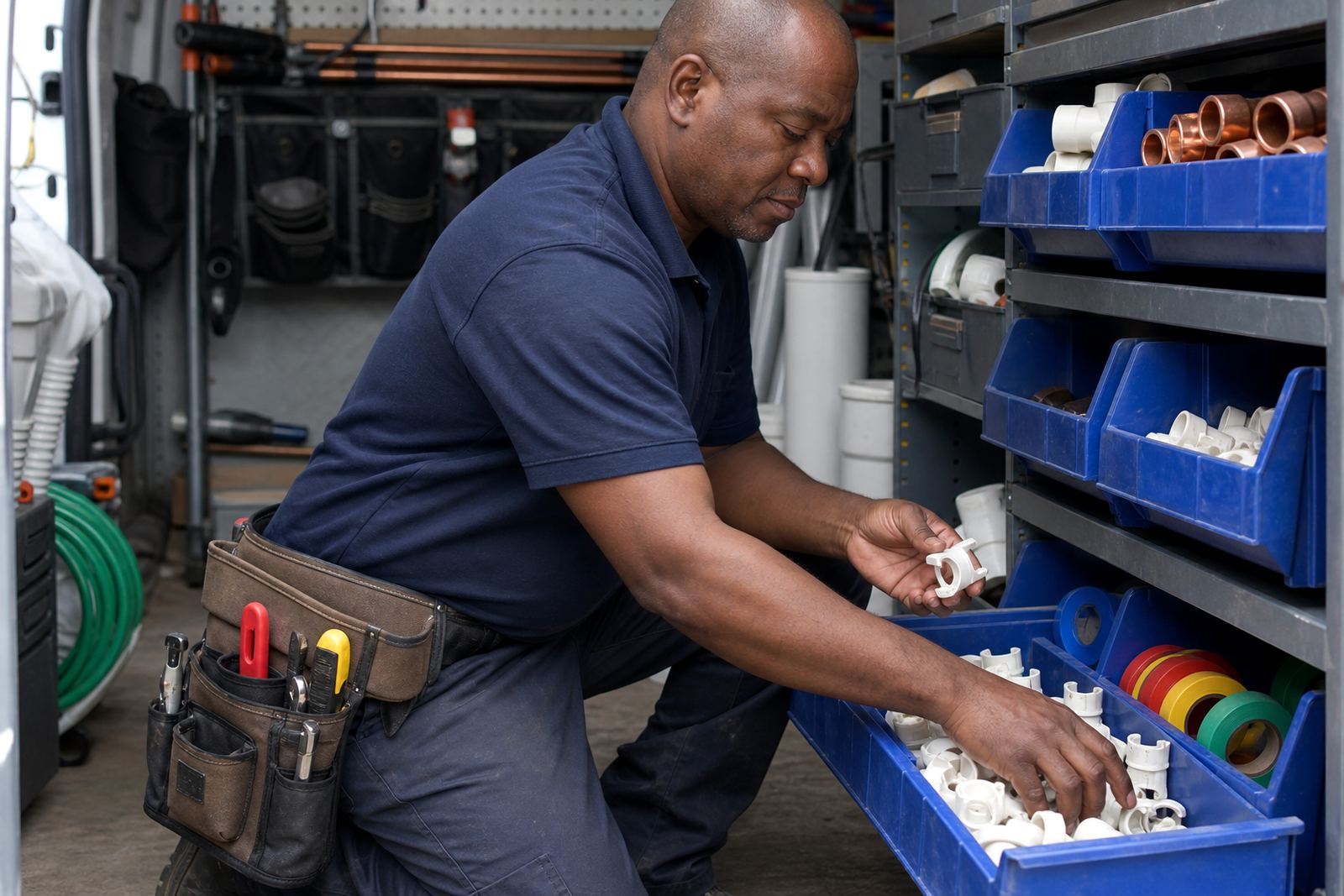
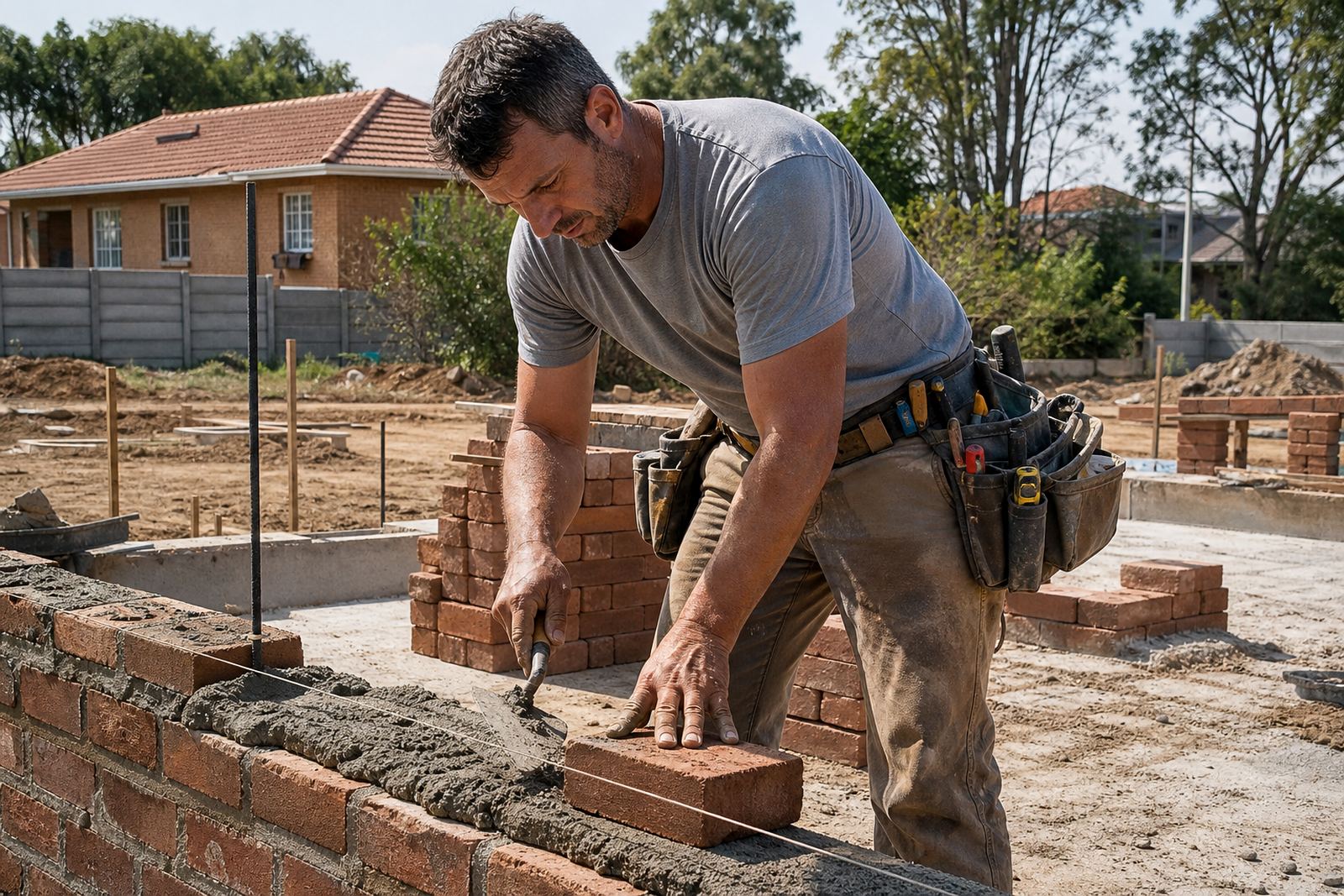
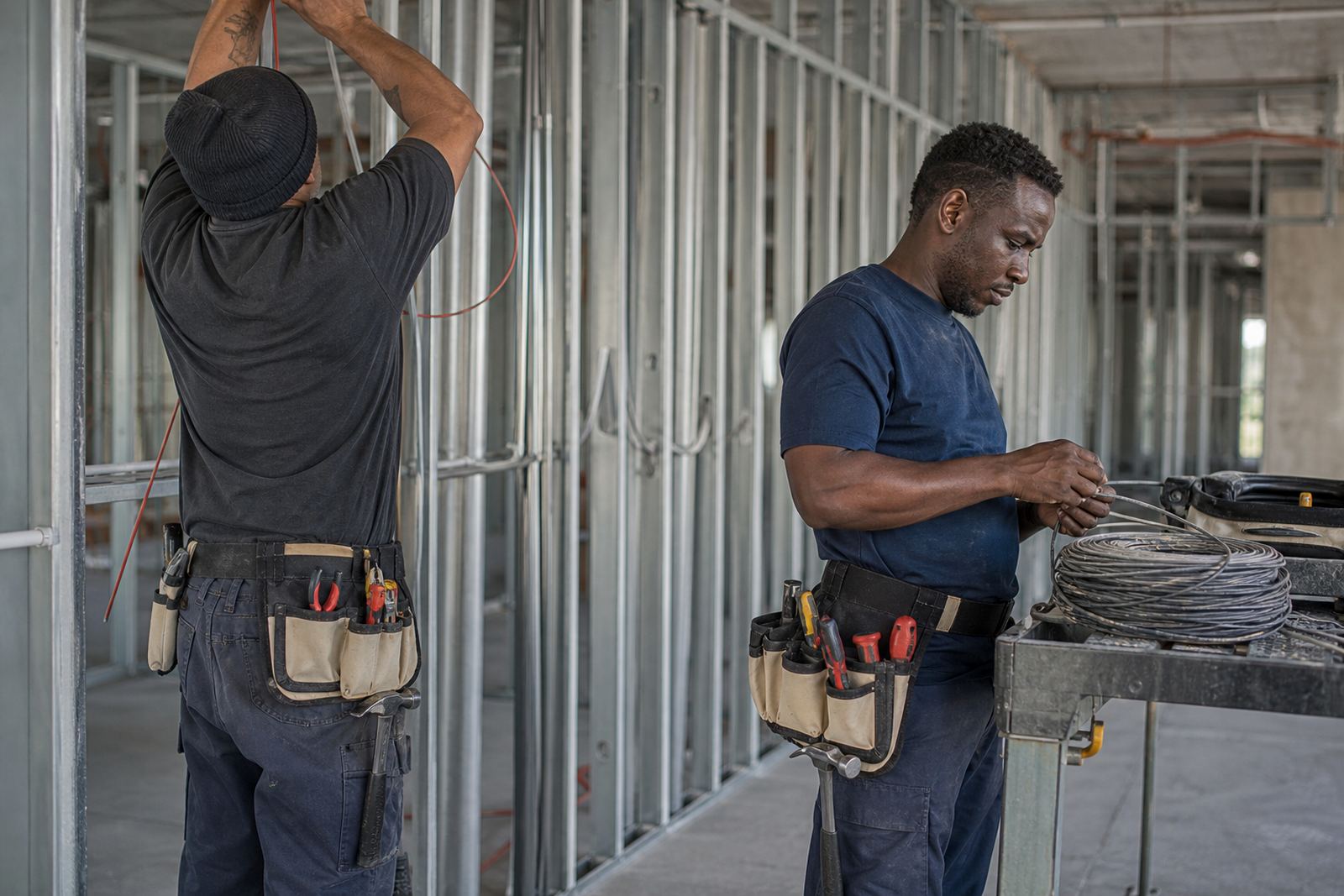
A good commercial fit-out belt set usually combines a main pouch, a smaller accessory pouch and a belt wide enough to carry weight without digging into the hips. Electricians often want separate space for fixings and test items, while builders need room for fasteners, markers, blades and a compact tape measure. The exact setup changes with the role, but the logic stays the same: keep the daily-use items within one reach.
- Tool pouch with multiple sections for hand tools, markers and fasteners
- Nail bag for screws, plugs, clips and small consumables
- Utility waist belt with adjustable sizing for overalls or workwear
- Accessory holders for tape, pliers, knife and compact torch
- Starter kit builds for new crews or added contract teams
For fit-out jobs in Durban and Cape Town, where humidity can affect metal items and leather-like finishes, it helps to choose gear that is easy to wipe down after site dust and moisture. In Polokwane and Pretoria, where crews may move between hot outdoor loading areas and air-conditioned interiors, a belt should still hold shape and not twist under load.
Layout planning that saves time on site
Good pouch layout is about habit. If a technician reaches for the same three items every ten minutes, those items should sit in the front or strong-side pocket. Less-used spares can sit further back. That simple rule cuts down on wasted movement and makes the belt feel lighter, even when it is fully loaded.
We help teams plan layouts around the actual workflow of the job. That includes whether the crew is doing a full office fit-out, a shopfitting package or a phased tenant installation with repeated call-backs. A well-planned setup can reduce double handling and keep fixings from mixing with cutting tools.
- Put the most used tools on the dominant side for faster reach
- Keep sharp items separated from fasteners and cables
- Match pouch depth to the size of your common parts
- Allow space for gloves, tape and a small note pad
- Check belt width against the type of harness or workwear worn on site
For larger rollout work in Johannesburg, Midrand and Centurion, we often recommend standardised layouts across the team so supervisors can swap crew members without confusion. When everybody carries the same essentials in the same place, handovers are cleaner and mistakes are fewer.
Common mistakes on fit-out contracts
One of the biggest mistakes is overloading the belt. A pouch that is packed with every possible tool becomes uncomfortable fast and usually ends up hanging low or twisting when the worker climbs a ladder. Another common issue is using a belt that is too small for winter layers, rainwear or overalls, which leads to a poor fit and pressure on the waist by mid morning.
Some teams also buy mixed carry gear without planning for the job type. An electrician finishing a board room install does not need the same set as a builder doing ceiling framing and skirting repair. When the pouch does not match the task, it slows the job and increases the chance of dropped fasteners or misplaced tools.
It is also easy to ignore replacement planning. On busy projects in Alberton and Johannesburg, pouches wear fastest where they rub against ladders, scaffolding and toolboxes. Regular inspection matters. Look for loose stitching, stretched belt sections and pockets that no longer hold small parts properly.
Budget ranges for commercial teams in Rand
Commercial fit-out buyers usually want clear budget bands before placing a team order. The right spend depends on the number of workers, the level of tool storage needed and whether the order is for a short project or ongoing rollout work. For small crews, a basic starter kit can be kept modest, while larger sites often benefit from a more complete setup from the start.
As a working guide, many smaller carry sets for one worker fall in the lower budget range, while more complete belt and pouch combinations sit higher depending on capacity and layout. For mixed trade kits, the cost rises when more compartments, accessories and matching sizes are added. Bulk orders usually give better value per set, especially where several teams need the same configuration.
- Basic single-worker pouch setup: from about R350 to R650
- Better fitted utility belt and pouch set: from about R700 to R1 200
- Mixed trade or multi-pouch kit: from about R1 250 to R2 000+
- Bulk team orders and project rollout supply: pricing based on quantity and spec
For contractor order support, we help match the order to the budget before stock is released. That makes it easier to plan for the whole site, not just one foreman or one trade.
Ordering support for repeat projects and call-backs
Fit-out programmes often run in stages. A contractor may start with shell and core, then return for services, then come back again for final snagging. That is why stock replenishment plans matter. Instead of reworking the whole kit every time, we help clients keep a repeatable supply of the same pouches, belts and starter items.
Our team in Alberton supports order planning for Johannesburg, Pretoria, Durban, Cape Town and Polokwane, with delivery planning for project schedules and site access requirements. We also assist with custom orders for mixed crews where the electricians and builders need similar carry gear but with different pouch layouts.
If your team is moving from partitions to ceilings to finishing in the same week, the right waist belt setup can make a real difference. It keeps the daily tools close, reduces wasted motion and helps the crew stay focused on the work that still needs to be signed off.