Why roofing crews need the right waist rig
Roofing work is fast paced and often done in awkward positions, so a rig that swings, digs in or throws off balance can slow the whole team down. On pitched roofs, in hot weather or during gusty afternoons common around Gauteng and the coast, the gear on your waist must stay tight, low profile and easy to reach. That is especially important when workers are handling nails, screws, clips, tape measures, pencils and small fixings while keeping three points of contact on ladders and scaffolding.
For roofing crews, the goal is not to carry everything. It is to carry the right items in a way that keeps the hands free and the weight close to the body. A well matched nail bag reduces repeated trips up and down the roof, helps with safer movement around ridges and valleys, and keeps the job moving when the wind picks up or load-shedding pushes the schedule into shorter daylight windows.
Typical setup for a roofing crew
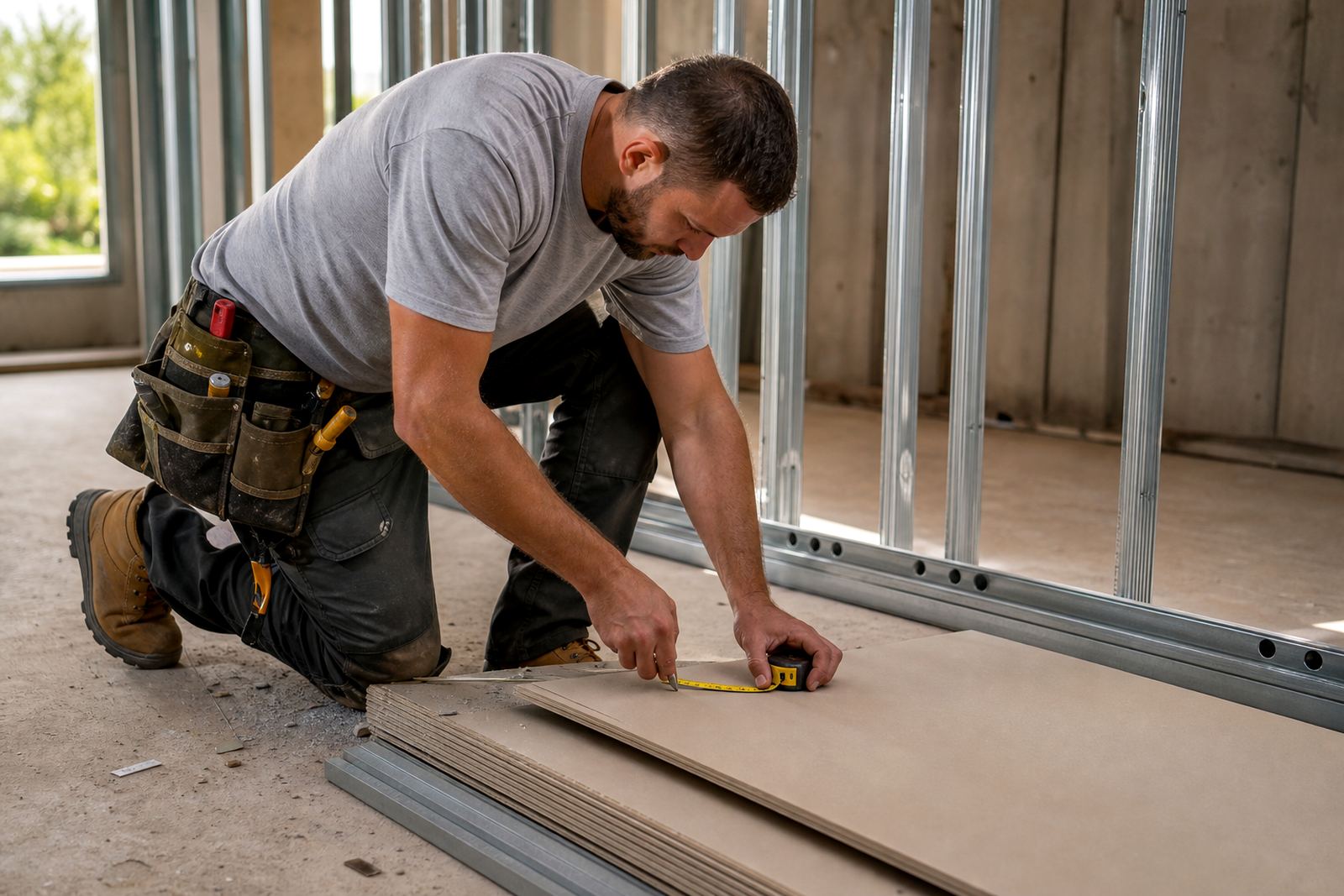
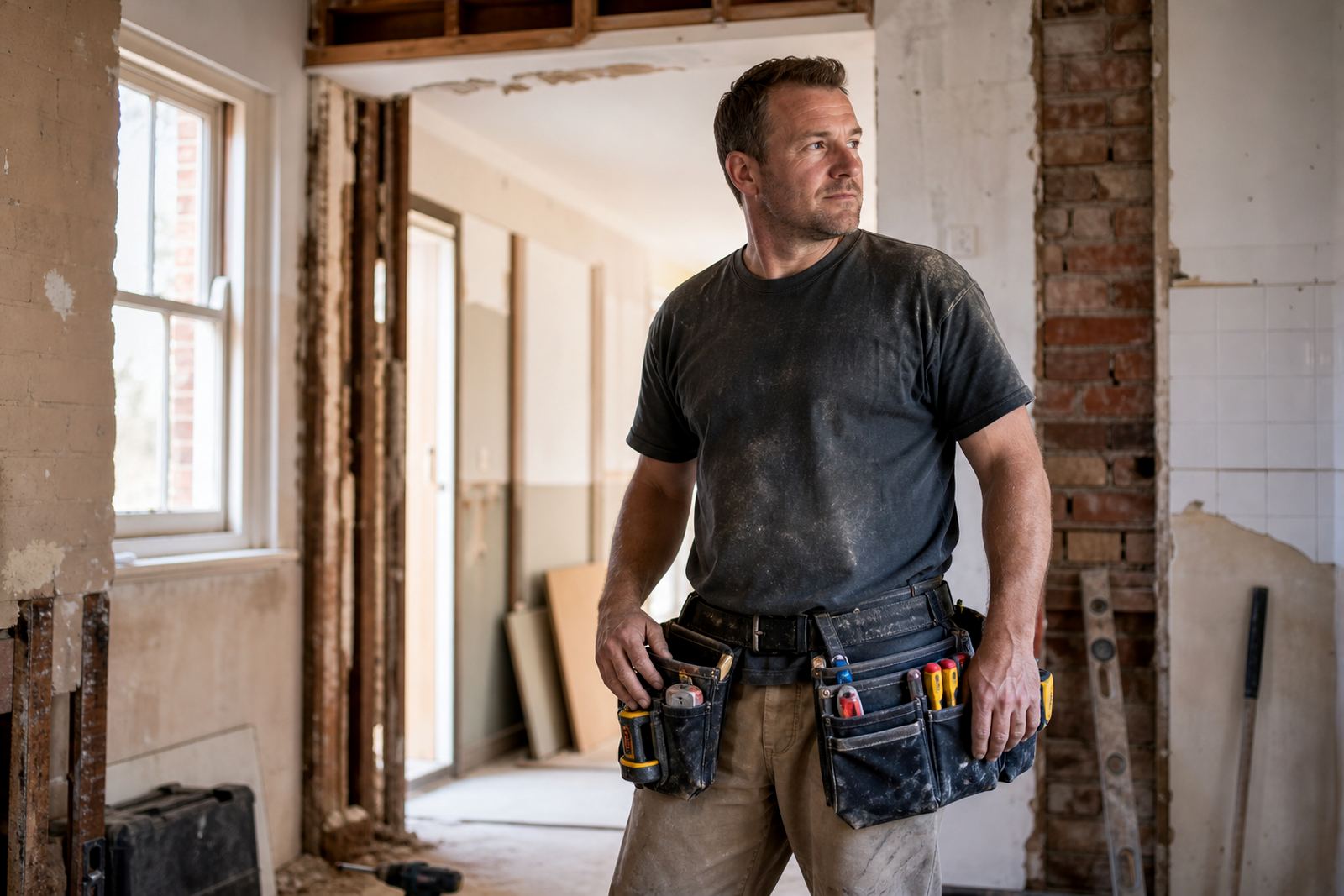
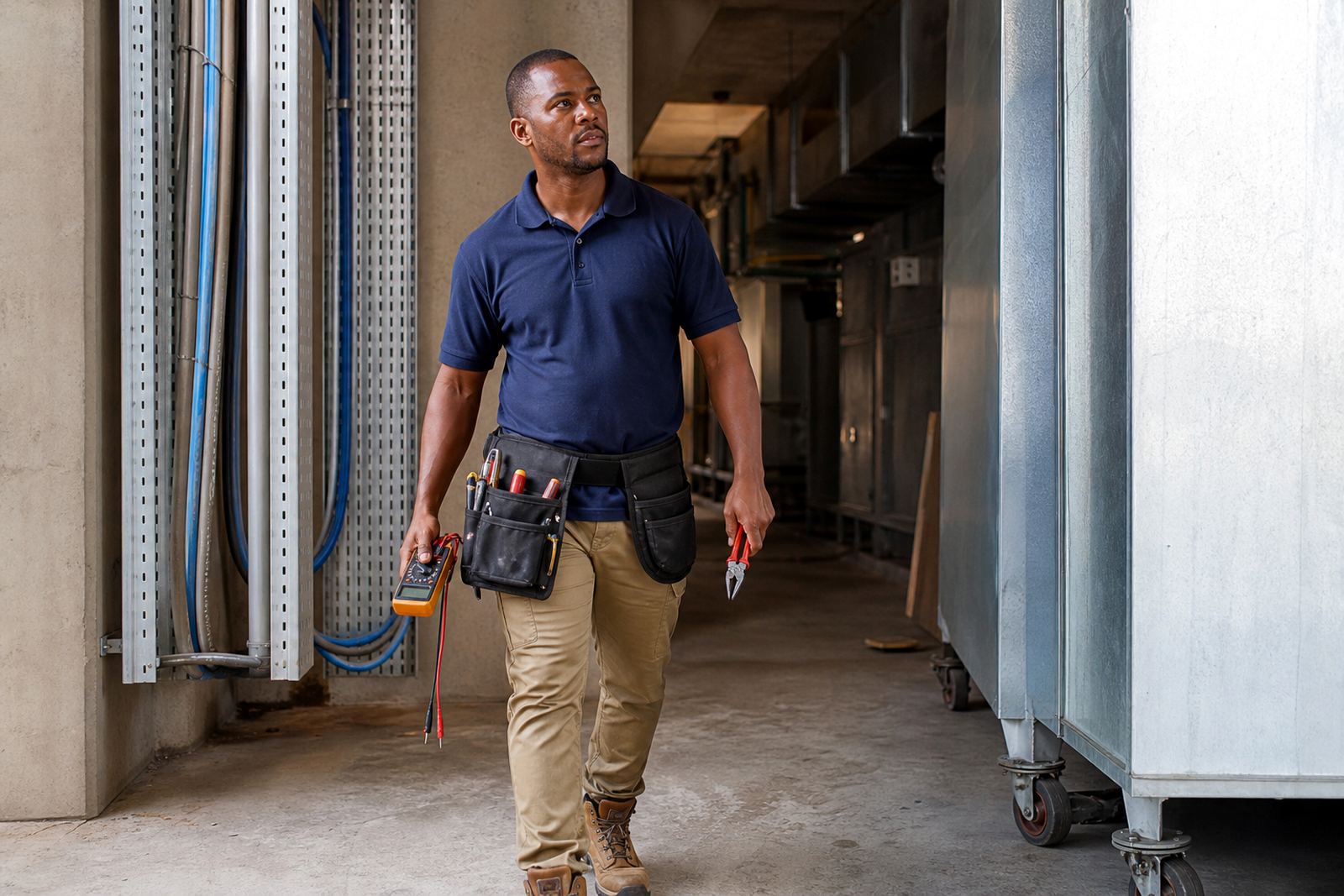
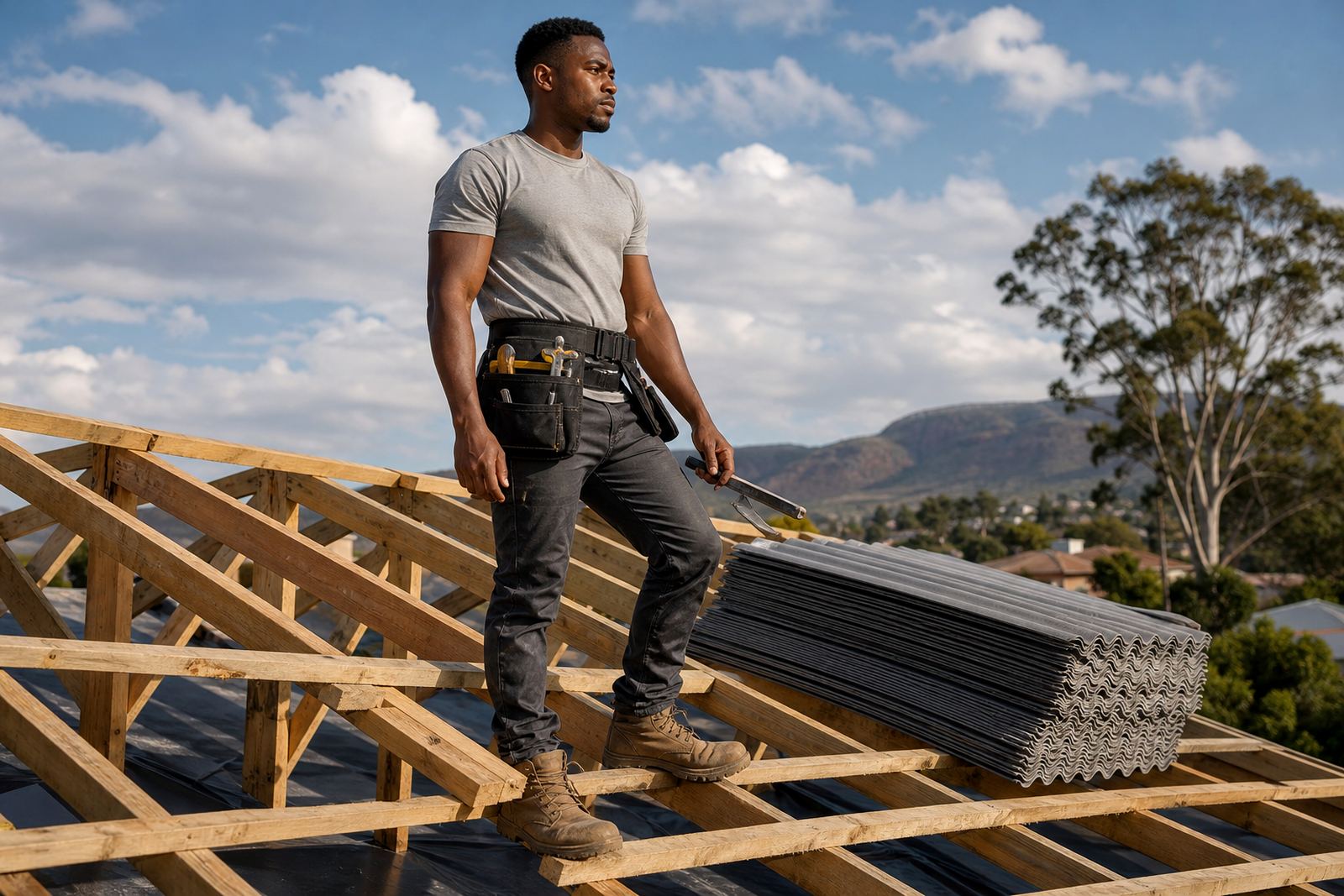
A roofing kit is usually lighter than a full builder’s setup. Most teams need a compact nail bag, a utility waist belt and a few pockets arranged for speed rather than bulk. The best layout depends on whether the team is doing sheeting, tile work, flashing, repairs or new installs. A crew replacing storm damaged sections in Durban will not need the same pocket load-out as a team doing long runs on a warehouse roof in Boksburg.
- Compact nail bag with space for fixings and markers
- Utility waist belt with a secure buckle and adjustable fit
- Small side pouch for pencils, chalk and a tape measure
- Dedicated pocket for roof fasteners or clips
- Optional hammer loop for light roofing hammers
- Secondary pouch for notes, blades or spare bits
We often recommend keeping the rig light and balanced. If one side is loaded too heavily, the bag can twist when climbing or kneeling on steep sections. A simple layout also makes it easier for a new worker to learn the system quickly, which matters on site when different teams are rotating through the same project.
Layout planning for pitched roofs and ladder work
Good pouch layout starts with the work flow. Think about what the roofer reaches for most often, then place that item where the hand naturally lands. Fasteners and small consumables should sit at the front or dominant side, while less used items can sit behind or off to the side. This reduces fumbling on high surfaces and keeps movement controlled. It also helps when wearing gloves, which many crews do for grip and hand protection.
For crews moving between ground level and roof level, the belt should sit snugly enough that the load does not pull forward when bending or climbing. Belt size matching matters more than many teams expect. If the belt is too loose, the pouch drops and swings. If it is too tight, the worker ends up adjusting it all day and loses time. We help crews choose the right sizing so the rig stays stable without pinching at the hips.
On jobs where the team works near coastal humidity or early morning dew, lighter materials and simpler pocket structures can be easier to keep clean and dry. That makes day to day handling easier and helps the gear stay presentable for longer. A practical layout also supports stock control, because missing items are noticed sooner instead of getting buried in a large pouch.
Common mistakes roofing teams make
One of the biggest mistakes is overloading the waist rig. Roofing crews often try to carry too many items at once, then the belt starts to sag and the pouch gets in the way when crouching or climbing. Another issue is using a belt that was meant for a heavier trade setup, which can be bulky and uncomfortable on steep roofs. Smaller, tidier tool pouchs are usually the better choice for this kind of work.
- Choosing a pouch that is too deep and catches on edges
- Overfilling with mixed fasteners instead of sorting by task
- Using a belt that slips under movement or sweat
- Ignoring left handed or right handed layout preferences
- Leaving sharp items loose in the same pocket as soft gear
- Buying one generic rig for every roof type and crew size
Another common problem is buying on price alone. A low cost bag that fails after a few weeks can end up costing more in replacements and delays. For roofing work, the better choice is usually a mid range setup that balances weight, stitching quality and easy access. The team also needs to think about how the rig performs after repeated use in sun, dust and rain, not just on the first day.
Budget ranges for roofing crew orders in Rand
Roofing crew budgets vary depending on whether you are kitting out a small repair team or a full rollout for multiple sites. For basic nail bags and light waist rigs, many contractors work within a practical range of R250 to R450 per person for entry level sets. These are suitable for lighter use, smaller teams or short term projects where the load is modest.
For stronger everyday setups with better comfort and more organised pocket space, plan around R450 to R850 per person. That level usually suits crews working full weeks on new builds, commercial roofs and maintenance contracts. If you need bulk team orders, mixed trade kits or a standardised setup across several sites, we can help build a cleaner price structure and keep the ordering simple.
When planning for a larger rollout in Johannesburg, Pretoria, Cape Town or Durban, it is worth setting aside a little extra for spares and replacement units. That way the crew is not left short when one belt gets damaged, or a pouch goes missing between projects.
How we support roofing crews across South Africa
We supply roofing crews from Alberton to Johannesburg, Pretoria, Midrand, Centurion, Durban, Cape Town and Polokwane. Our team works with contractors, site supervisors and purchasing staff who need practical gear that can be issued quickly and tracked easily. Whether you are equipping a small maintenance crew or a larger contractor team, we help with pouch layout planning, belt size matching and starter kit builds.
Some projects need a simple standard issue pack, while others need separate rigs for repair work, sheeting work and finishing crews. We can assist with project rollout supply, stock replenishment plans and delivery planning so the right gear reaches the right site on time. Clients reach us through the enquiry form on our contact page, and we use that to confirm quantities, sizing and the kind of roofing work being done.
Roofing teams need gear that stays secure, feels light and makes sense after a long day on the roof. That is the standard we work to, because small details matter when the work is high off the ground and the schedule is tight.