Why drywall partition crews need a better pouch layout
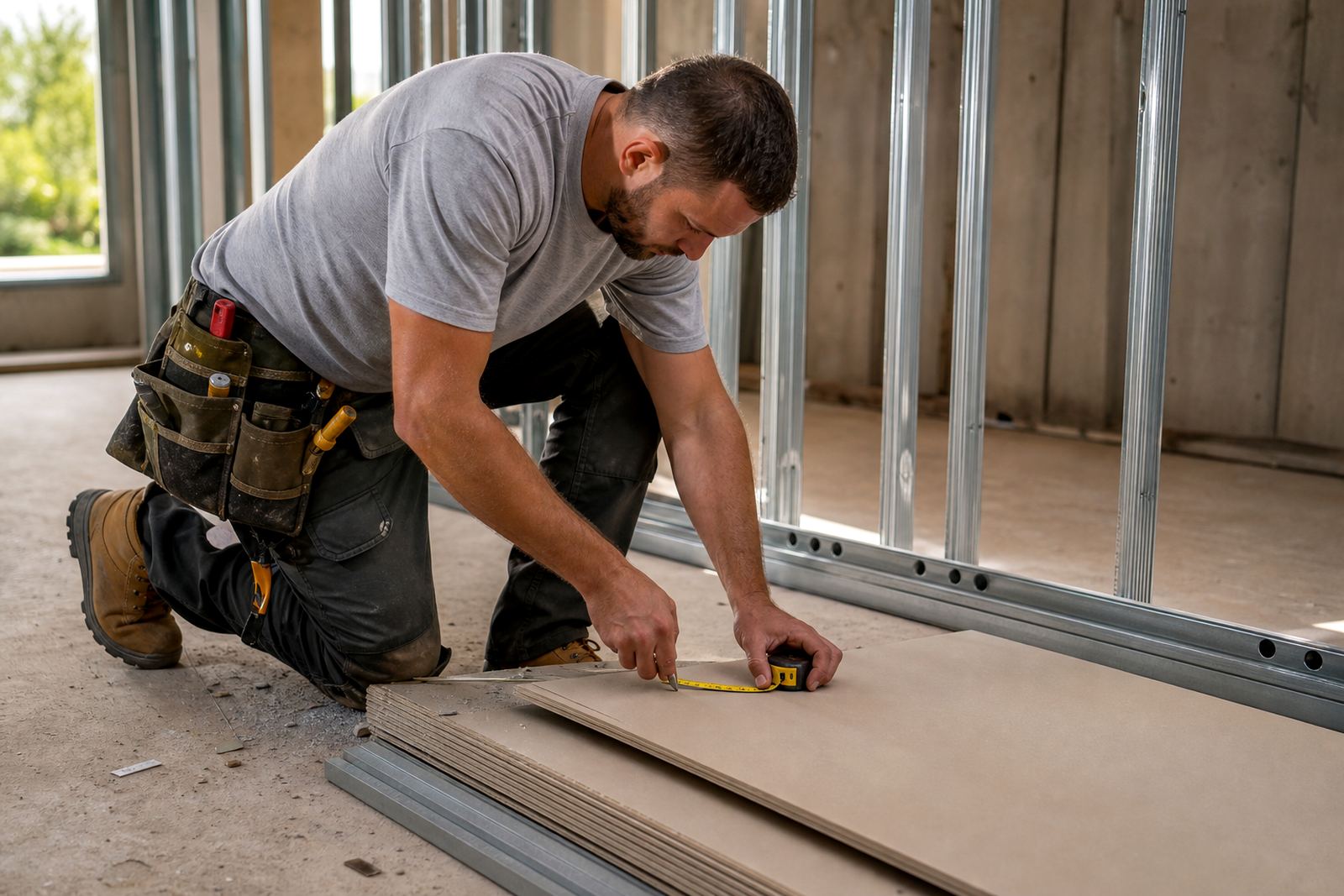
Partition work is full of small, repeated jobs. You mark out lines, cut board, fix framing, set screws and keep checking measurements while moving between rooms, corridors and ceilings. If a pouch is too loose, too shallow or badly balanced, the crew ends up dropping screws, searching for pencil stubs and fishing for knife blades in the middle of the job.
For drywall teams in Johannesburg, Pretoria, Durban, Cape Town and Polokwane, that time adds up quickly. A good waist setup keeps the common items where the hand expects them, and it also helps when the site is dusty, windy or running on backup lighting during load shedding.
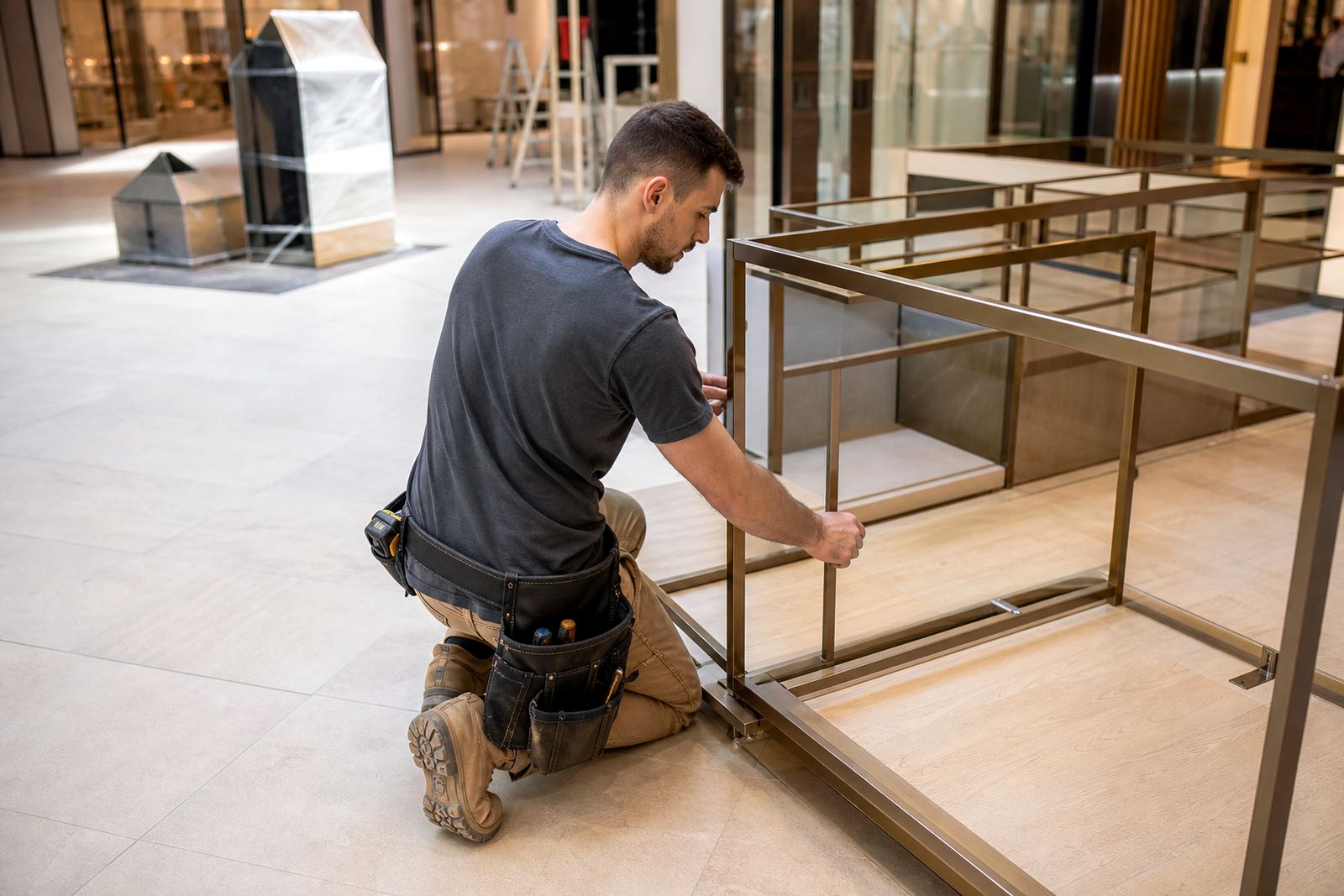
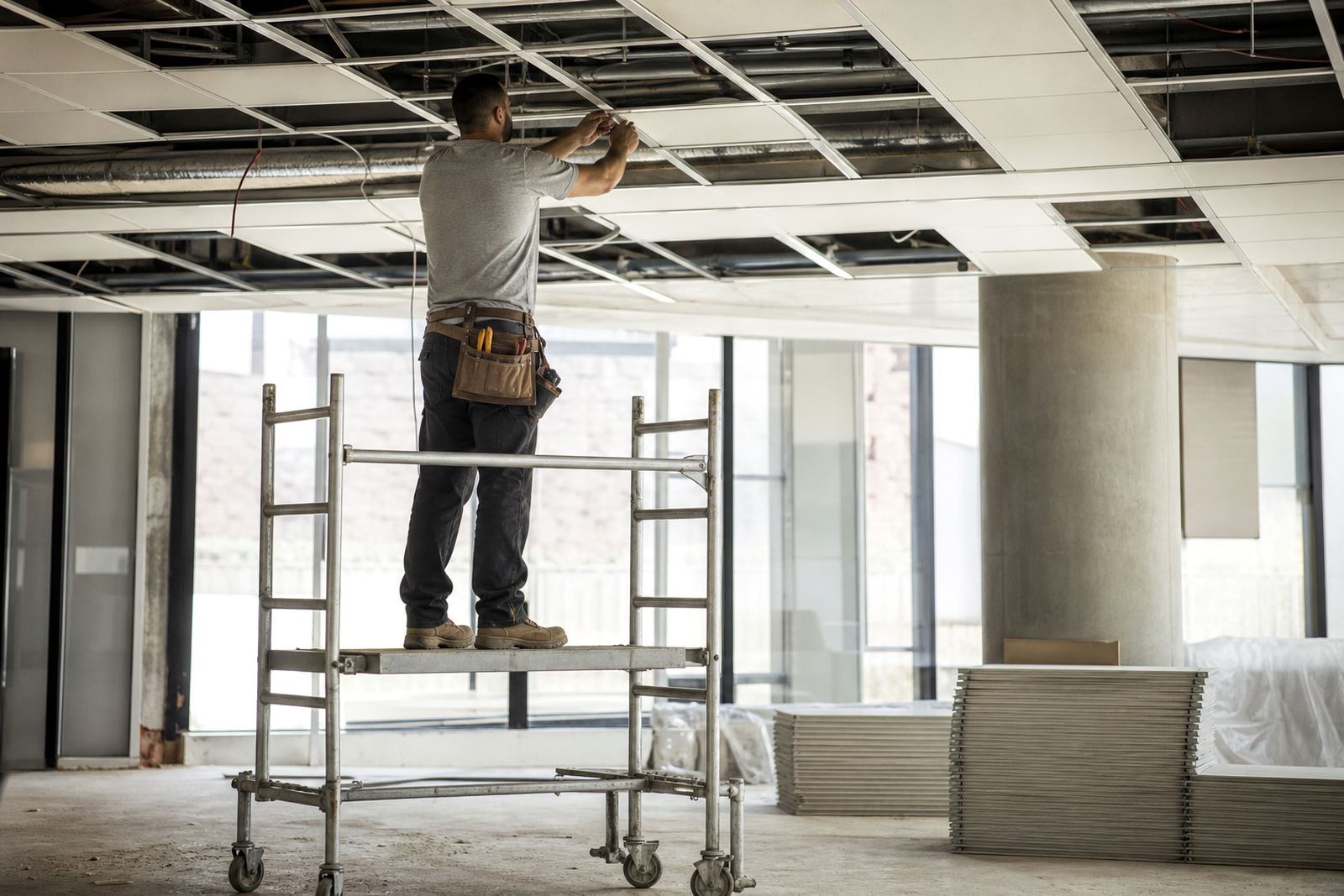
Typical kit for partition installers
A drywall or partition team usually carries a simple but specific set of items. The pouch should fit the tools you reach for every few minutes, not everything in the van.
- Screws in a main pocket or divided pouch section
- Utility knife and spare blades in a secure slot
- Pencil, marker and chalk line accessories
- Tape measure with an easy return point
- Small square, driver bits and a few fasteners
- Personal items like a phone or snag proof note pad
On larger installs, a supervisor may also want a wider belt with extra space for layout notes, a clip-on holder for plans and a pouch that can handle mixed trade items when other teams are working nearby.
How to plan the right pouch layout before the job starts
The best layout depends on whether the crew is doing first fix, bulk partitioning or final close-out work. A starter pouch for a new team can be lighter, while an experienced installer may prefer more divisions for screws, blades and measuring gear.
We normally suggest matching the pouch to the dominant hand and the work pattern. If the team is cutting and fixing all day, keep the knife and measuring tools on the same side every time so the movement becomes natural. If the site is large, or the crew is moving from one block to another, a belt with even weight across the hips is better than a heavy pocket hanging on one side.
- Keep sharp items in closed sections where possible
- Do not overload the front pockets with screws and offcuts
- Match belt size to winter and summer clothing layers
- Use one layout for the whole crew where possible, it reduces mistakes
Common mistakes on partition sites
One common mistake is buying a pouch that is too small and then forcing too much into it. The result is broken stitching, lost blades and a belt that twists by lunch time. Another mistake is choosing a pouch with too many pockets that look good on paper but slow the hand down on the job.
We also see crews sharing one layout across different workers without checking size, side preference or task mix. A fitter carrying screws and blades all day needs a different setup to a team member mostly handling measuring and marking. On windy sites near the coast, loose lids and open pockets can spill fasteners onto the floor, so it helps to keep the opening points controlled and tidy.
- Wrong belt size causing the pouch to ride up or slip down
- Pockets set too deep, making small items hard to reach
- Too much weight on one side, causing hip strain
- Open pockets for blades or sharp bits
Budget ranges for drywall partition orders in Rand
Budget depends on whether you are fitting out one installer, a small finishing team or a full crew for a project rollout. For basic drywall use, a simple pouch set can start from about R180 to R350 per person. Mid-range utility waist belts with better stitching, more storage and improved comfort usually sit between R350 and R750.
For mixed trade kits, bulk team orders and site specific selection, crews often plan around R750 to R1 500 per person when they need more pockets, matched belt sizing and a more organised layout. If you are setting up new staff, it is often cheaper to build the right kit once than replace low-cost pouches after a few months of hard site use.
We also help contractors plan stock replenishment so the team does not run short in the middle of a project. That matters on rollouts across Alberton, Midrand, Centurion and the larger Gauteng corridor where crews are moving fast and there is no time to stop for missing gear.
Supply support for contractors and site managers
Waistbags Pro supplies tool pouches, nail bags and utility waist belts from Alberton, Gauteng to builders and electricians across South Africa. For drywall partitions, we assist with pouch layout planning, belt size matching, starter kit builds and mixed trade kits so the order fits the work on site.
Our team works with contractors on delivery planning, contractor order support and project rollout supply for Johannesburg Supply, Pretoria Supply, Durban Supply, Cape Town Supply, Polokwane Supply, Midrand Supply and Centurion Supply. If your partition teams need a cleaner setup for screws, knife blades, pencils and measuring gear, we can help specify the order through the enquiry form on our contact page.