
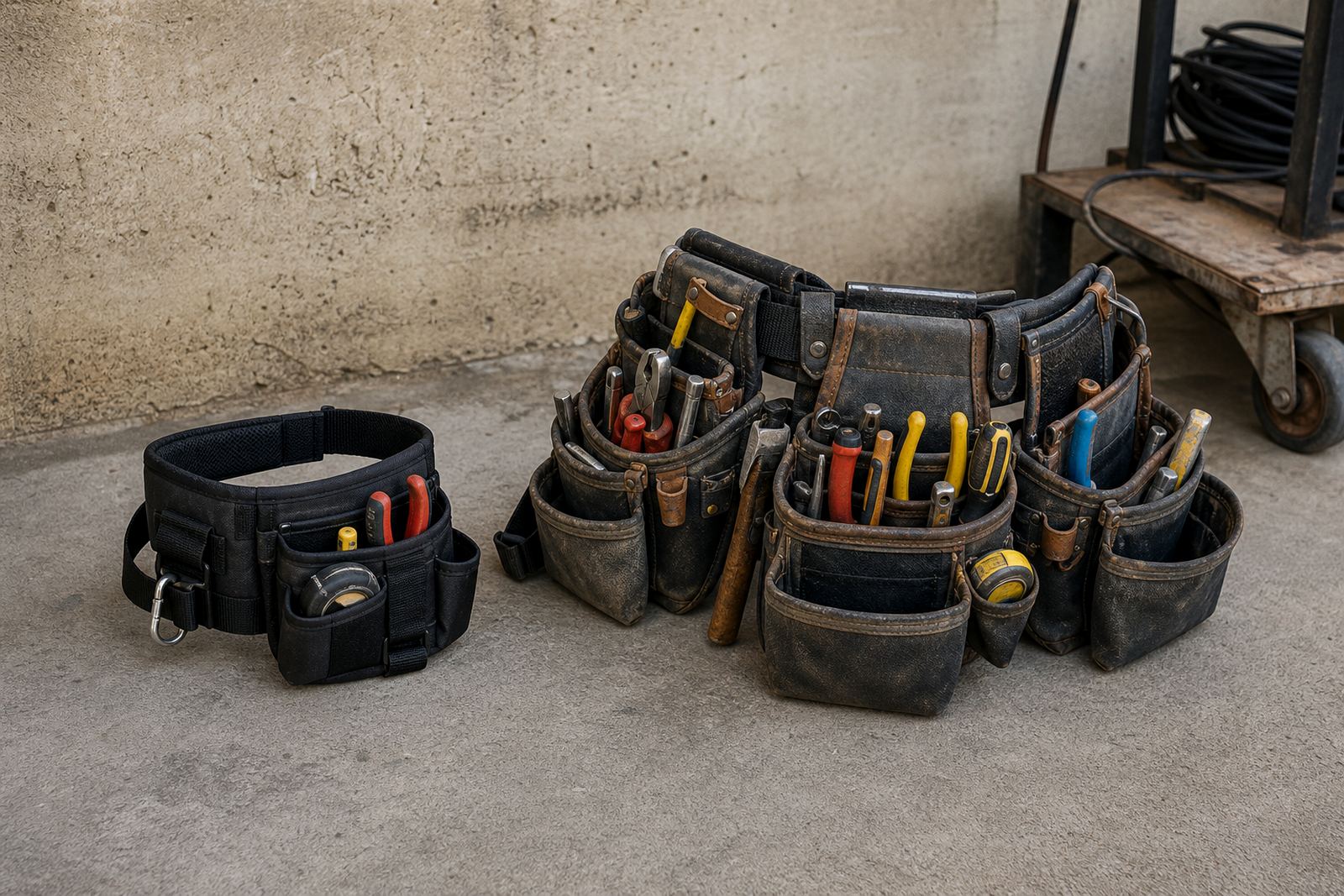
Start with the work, not the bag size
A compact setup suits short jobs, punch lists, quick fixes and tasks where you move from room to room or from unit to unit. A full rig is better when you need more fasteners, test gear, drivers, cutters, pencil storage and hand tools on your body for most of the day.
In Alberton, Johannesburg and Pretoria, many crews use compact carry for interior work and switch to larger rigs on new builds, fit outs and service calls with more walking between work areas. On coastal jobs in Durban or Cape Town, the right setup also helps keep items dry and organised when weather changes quickly.
Ask one simple question first: do you need to carry only the next few tools, or most of your daily kit? If the answer is only a few items, keep it small. If you are returning to the van or site box every 20 minutes, a fuller rig may save time.
What a compact setup handles well
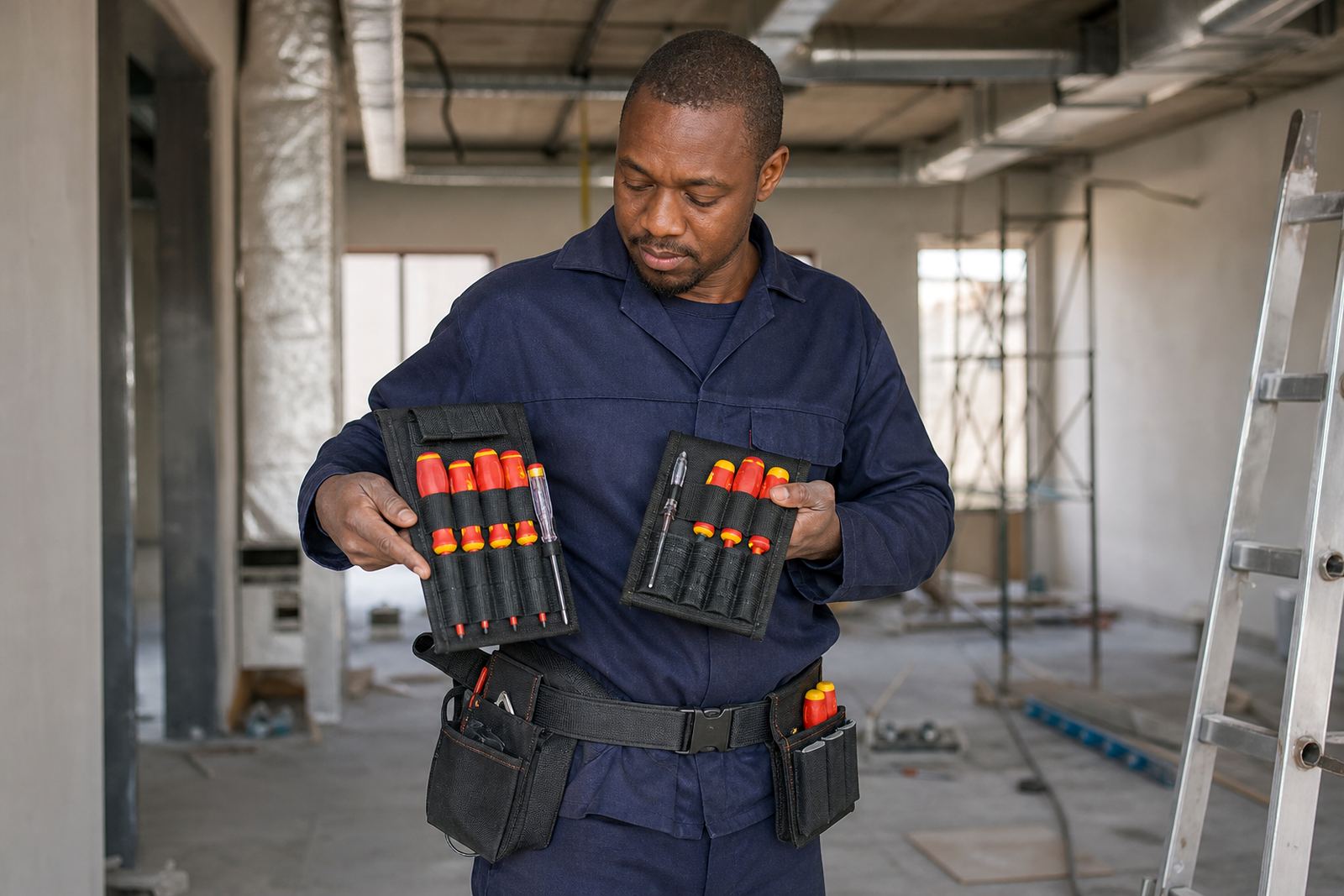
Compact waistbags and small tool pouches work best when speed matters. They keep the carry light, reduce strain on the hips and make it easier to move through tight spaces, scaffolding and occupied properties. For electricians doing fault finding or builders doing snagging, a lighter setup is often the cleaner choice.
- Small screwdriver set and pliers
- Marker, pencil, tape measure and knife
- Few fixings, plugs or screws for the task at hand
- Voltage tester or small metre, if required
- Gloves, tape and a cloth
Compact carry is also useful on site when PPE already takes up space, or when the job is in hot weather and you want less bulk around the waist. It is easier to keep belts snug and stable, which helps when you climb ladders or crouch repeatedly.
When a full rig earns its place
A full rig is built for volume. If you are installing, wiring, assembling frames or managing a long stretch of repetitive work, the extra pockets and wider belt can help you keep the day moving. Instead of stopping to fetch items, you carry a broader selection from the start.
For builders, this can mean nails, screws, drill bits, a tape, marking tools and a few hand tools. For electricians, it can mean insulated hand tools, stripping tools, fixings, connectors and measuring gear. The point is not to carry everything, just enough to finish more of the job without constant back and forth.
- Better for long shifts and large sites
- Useful when access to the van is limited
- Helps separate fixings from hand tools
- Can be paired with brace support for heavier loads
- Works well for team members with a repeat task pattern
If you work in areas with strict site access, such as busy municipal projects or multi storey jobs, a full rig can cut delays. Still, it must be sized correctly. Too much weight or the wrong belt width will pull on the lower back and slow you down.
Weight, comfort and the South African site day
Comfort matters more than many teams admit. A bag that fits well will be worn properly, and that means faster work and fewer complaints at the end of the day. When summer heat builds up in Gauteng or humidity rises near the coast, even a small setup can feel heavy if the weight is badly placed.
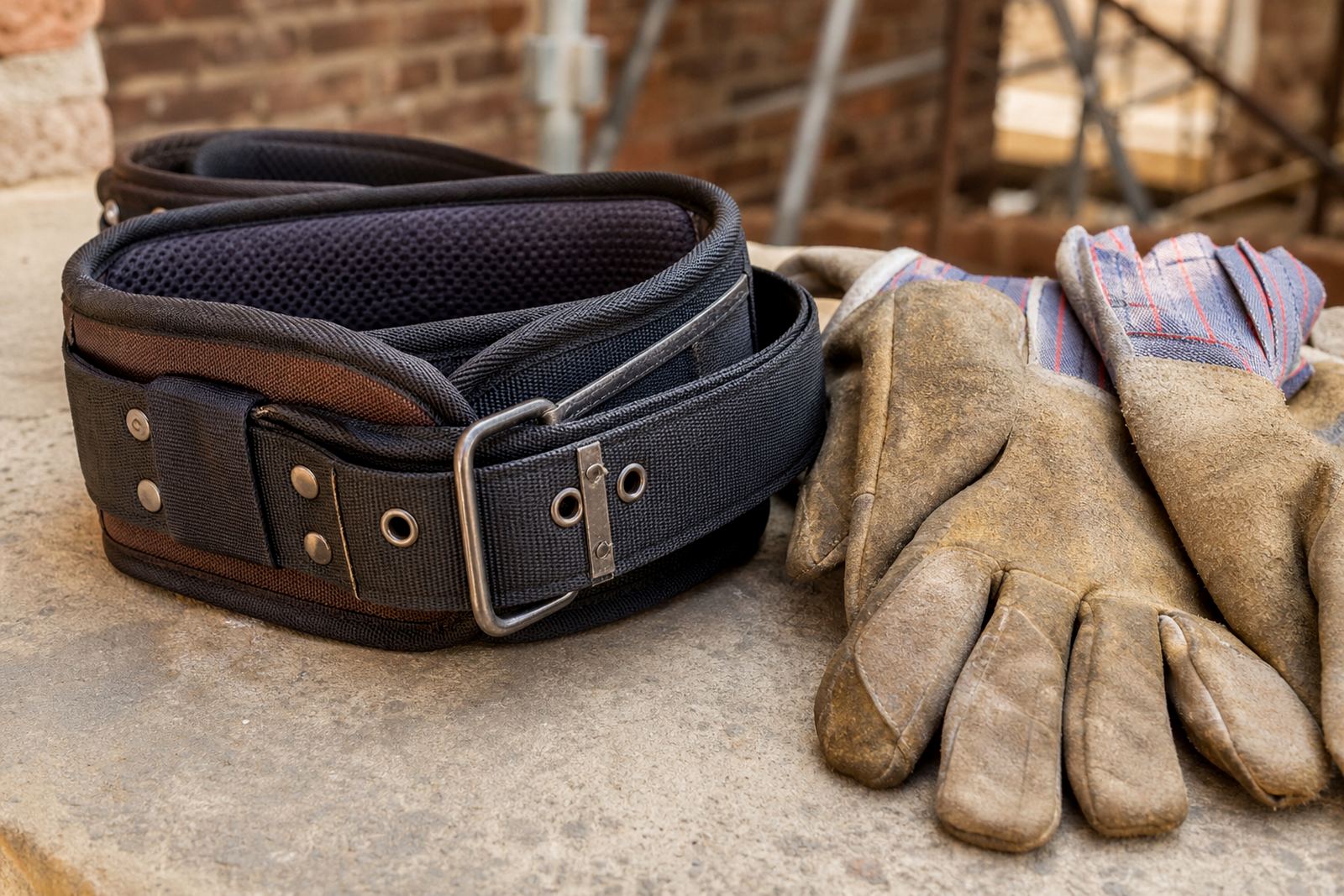
Check the fit before you decide. A belt should sit firmly without digging in. Pouches should not swing when you walk. If you are already wearing knee pads, harness gear or a radio, the layout has to work together. A good setup keeps the heaviest items near the centre, not all on one side.
For crew members doing site work during load shedding or after power interruptions, quick access to testing and repair tools can matter. A compact layout may be enough for response work, while a full rig suits planned installation days where you know the scope in advance.
A simple checklist to choose the right rig
Use this checklist before ordering or issuing gear to a team. It helps avoid paying for more capacity than the job needs, or too little space for a busy shift.
- How many tools must stay on your belt all day?
- Will you be moving often, or working from one spot?
- Do you need space for fixings, or only hand tools?
- Will the job run for a few hours or a full shift?
- Is the site hot, coastal, dusty or wet?
- Do different team members need different sizes?
- Will the setup be used for electrical, building, or mixed trade work?
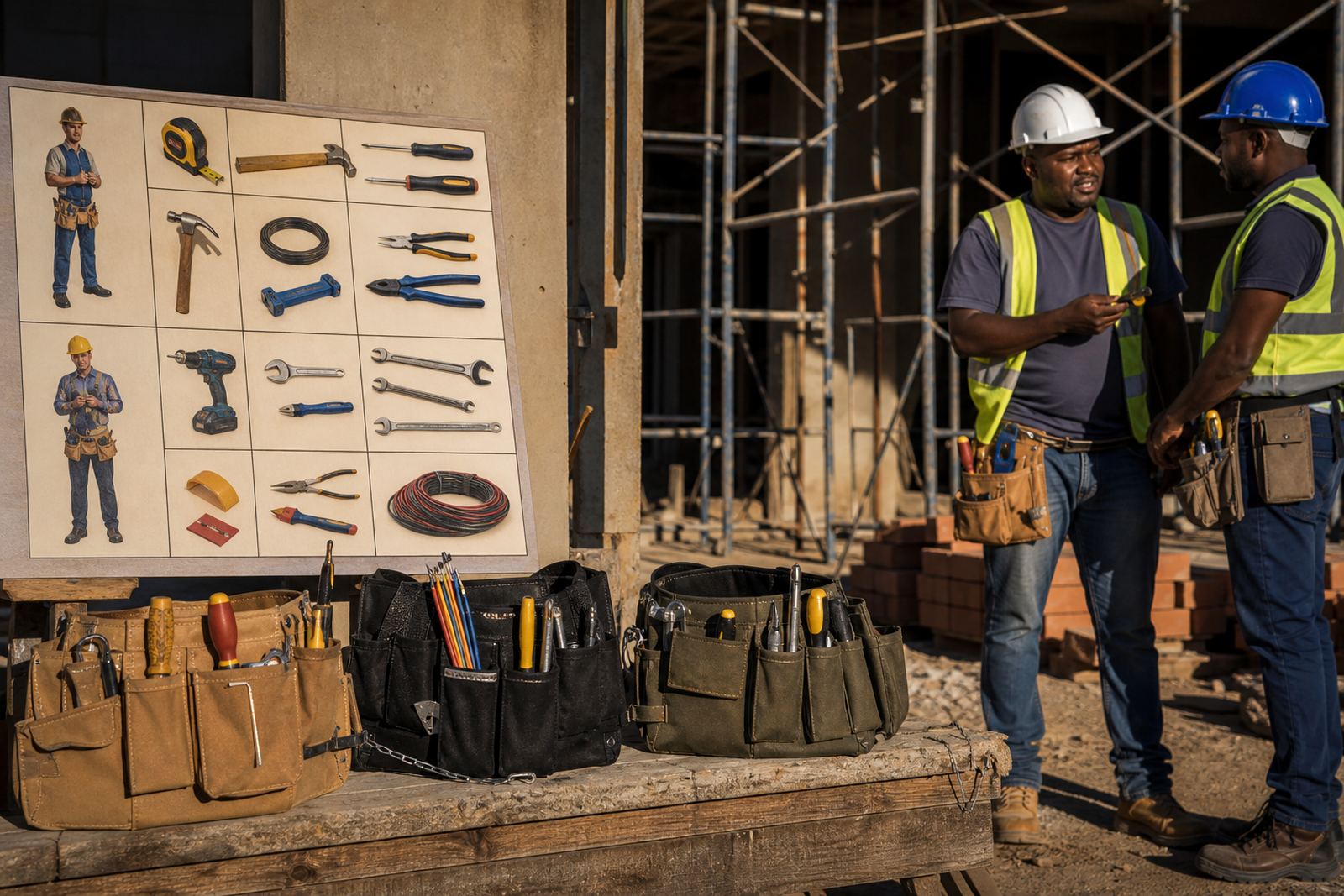
If most answers point to light carry and fast movement, choose compact. If they point to long shifts and repeat tasks, go bigger. For mixed trade teams, it is often worth building two options so supervisors can issue the right kit to the right person, not one size for everyone.
How teams can standardise without losing flexibility
Many contractors get better results by standardising the base layout and allowing small changes for role specific work. That means the same belt style, the same pouch spacing and the same size range, then different inserts or pouch combinations for electricians, builders and site hands.
This makes stock replenishment simpler and helps when new staff join. It also helps with project rollout supply across Johannesburg, Midrand, Centurion, Cape Town, Durban and Polokwane, because the same order logic can be repeated from site to site. Keep a clear record of what each team carries so replacements are ordered before items go missing or wear out.
When you set up a team, start with the minimum load required for the task, then add only what is used every day. That way the rig supports the work instead of becoming a burden.
What to ask for when you need help matching a setup
If you are planning a starter kit build, a mixed trade kit or a project rollout, list the tools first and the pouch second. That gives a better match between carry space and the actual job. Include belt size, preferred number of pouches, and whether the team works on ladders, floors, roofs or service runs.
For bulk team orders, it also helps to note whether you want compact carry for fault work, or fuller rigs for installation crews. The same applies to custom orders. A practical layout saves time on site and reduces wastage from oversized kits that never get used.
Waistbags Pro in Alberton supplies builders and electricians across South Africa and can help with pouch layout planning, belt size matching and delivery planning through the enquiry form on our contact page.