Start With the Jobs You Actually Do Each Day
The right pouch depends on the type of work you do most often. A domestic electrician in Pretoria will usually need a different carry layout from a site electrician in Durban or a maintenance team moving between offices in Johannesburg. Start by listing the tools you reach for on every callout, then decide what must sit on your belt and what can stay in a kit bag or van box.
For compact carry, the aim is not to pack everything. It is to keep the working set close at hand so you can move from mark-up to install without digging around. If you are opening fittings, terminating cable, checking supply points or replacing accessories, your pouch should support that flow.
- Daily driver tools only, not the full workshop
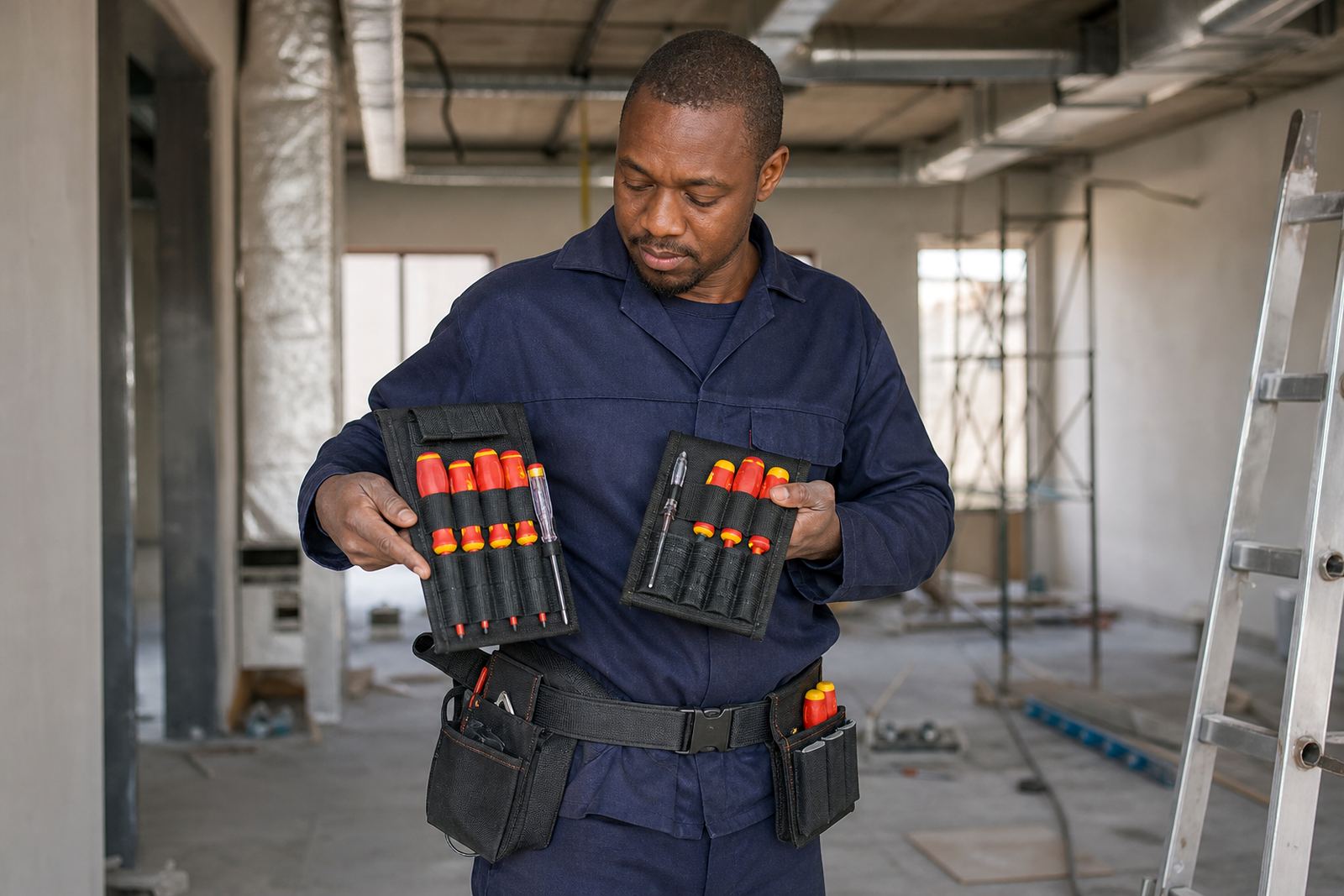
- Fast access to pliers, screwdrivers, cutters and a tester
- Space for small fixings, insulation tape and ferrules
- Balanced load so one side does not pull your belt off-centre
Choose a Layout That Keeps Sharp Tools Safe
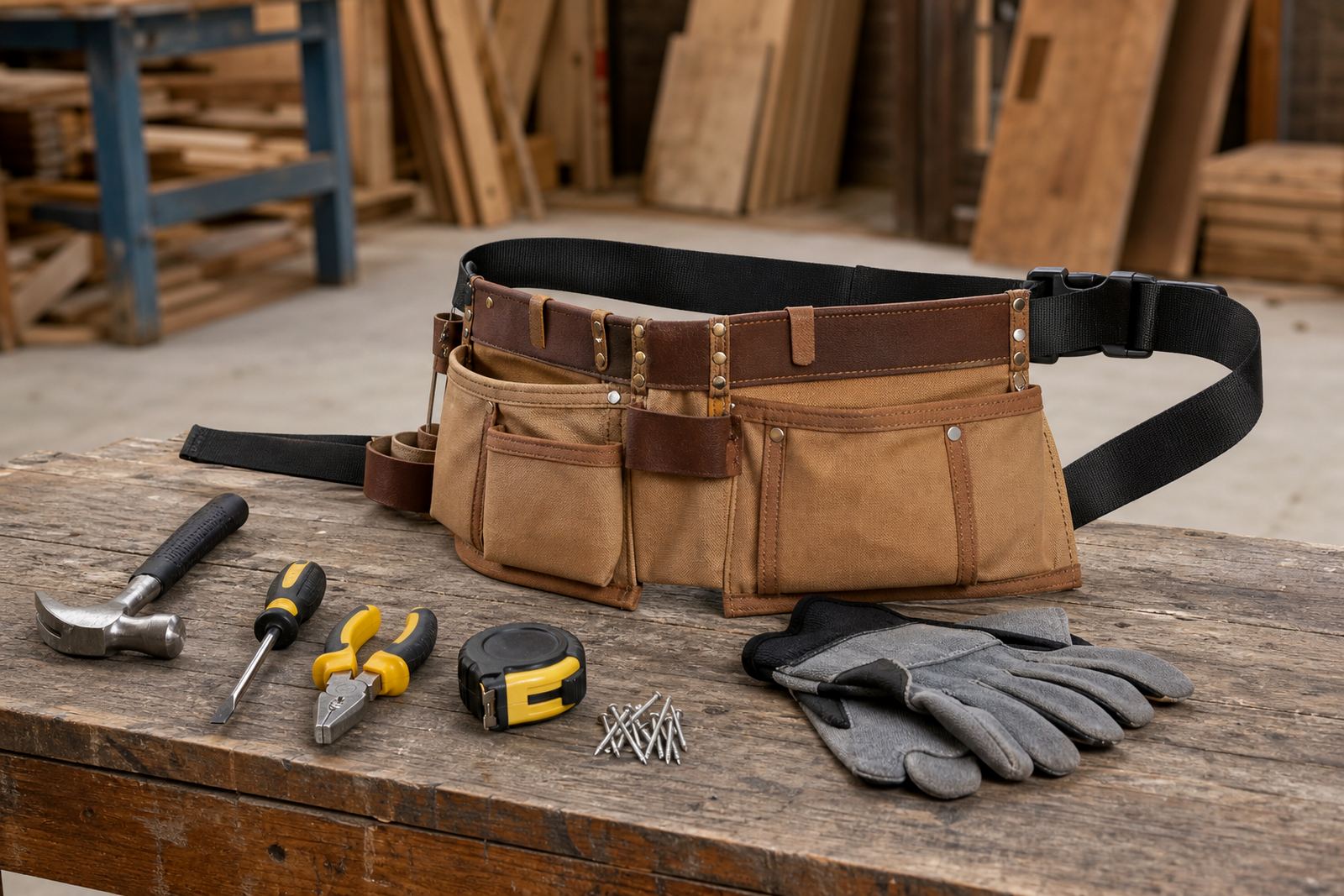
A safe pouch layout protects both the user and the tools. Pockets should hold screwdrivers upright, sleeves should stop blades or cutters from snagging, and the main compartment should keep loose items from falling out when you climb ladders or bend down. On busy sites, this matters more than people think because dropped bits and sharp ends can cause damage fast.
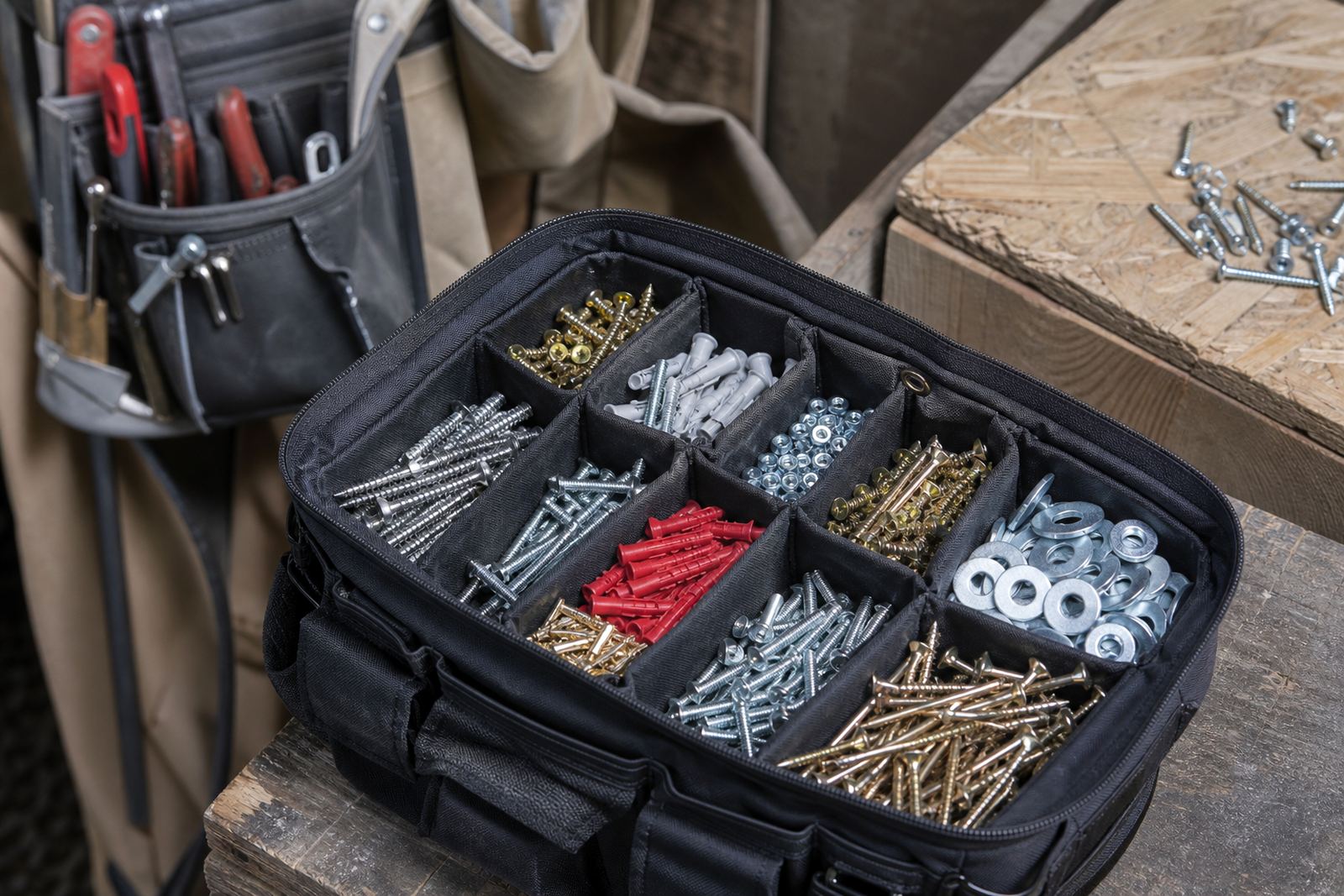
Look for separate spaces for insulated tools, metal fixings and consumables. That makes sorting easier and reduces the chance of mixing live-work gear with general hardware. If you work in coastal towns such as Durban or Cape Town, choose materials and stitching that cope better with moisture and salt in the air.
- Deep enough pockets for hand tools but not so deep that they are hard to draw
- Closed or reinforced pockets for small parts
- Tool slots that keep handles from rolling
- Material that wipes clean after dust, glue or plaster
Match Belt Size and Weight for Long Shifts
A belt that fits properly makes a big differnce on a 9-hour install day. If the waist size is wrong, the pouch shifts, rubs or sags when you crouch. That gets tiring quickly and can make it harder to work safely on ladders, roofs or in ceiling spaces. A good fit should sit secure over workwear and still leave room for movement.
Weight matters as much as size. Put the heaviest tools near the centre or slightly to your dominant hand side, then spread lighter items out. For electricians who move between homes, estates and commercial sites, a well-matched belt can reduce strain and keep the layout stable even after a long walk from the parking area to the job.
- Measure over the clothing you wear on site
- Check that the buckle closes without digging in
- Test movement by bending, kneeling and climbing steps
- Keep heavy tools low enough to avoid tipping the pouch outward
Build a Compact Carry List for Electrical Work
The best pouch is practical, not overfilled. A compact electrician setup should cover basic fault finding, fitting, trimming and fastening. If you are doing service work around Gauteng or sending teams into new developments, the pouch should carry enough to solve small jobs without constant trips back to the vehicle.
Use the pouch for items that are used repeatedly. Bigger consumables and spare stock can stay in the kit box. This keeps the belt lighter and makes it easier to keep track of what has been used before you leave site.
- Insulated screwdrivers
- Pliers and side cutters
- Cable knife or stripping tool
- Voltage tester or compact tester
- Marker, tape and a small selection of fixings
- Spare blades, tie wraps and ferrules if your work calls for them
Set Up a System for Site Work, Not Just Storage
A good pouch layout should support the way you work through the day. Put the tools you reach for first in the front or on your dominant side. Keep consumables in one pocket and loose hardware in another. That way you do not waste time searching for a small screw while standing on a ladder or waiting for a test reading.
Many teams in Alberton and Midrand use the same basic pouch structure for each electrician so stock checks stay simple. That also helps when more than one person works on the same project. If every bag is packed in a similar order, handovers are quicker and parts go missing less often.
- Front pocket for quick-access tools
- Side slots for slim hand tools
- Secure section for small parts and blades
- Clear rule for what returns to the pouch after each task
What to Check Before You Buy for a Team or Project
If you are ordering for a crew, do not choose by price alone. First check the kind of work the team does, then match pouch size, belt width and pocket layout to the job. A residential wiring crew, a maintenance team and a contractor doing fit-outs will not need exactly the same setup. Getting this right from the start saves time and waste later.
It is also worth planning for replenishment. Pouches wear faster when they are used every day in dust, heat and rain. For bulk orders or project rollout supply, keep a note of which layouts work best and what needs replacing most often. That helps you plan stock and avoid last-minute shortages.
- Comfort and fit for all users, not just one size
- Durability of stitching, rivets and pocket edges
- Enough room for daily tools without bulk
- Easy cleaning after dirty or wet work
- Consistent layout across the team for faster use