
Start with the tools you use every hour
Before you load any pouch, decide which items must stay on the belt all day and which can live in a bag, toolbox, or van. The heaviest kit should not be placed where it pulls your hip forward or makes you twist one side harder than the other. On a long day in Johannesburg or Durban heat, that small imbalance adds up fast.
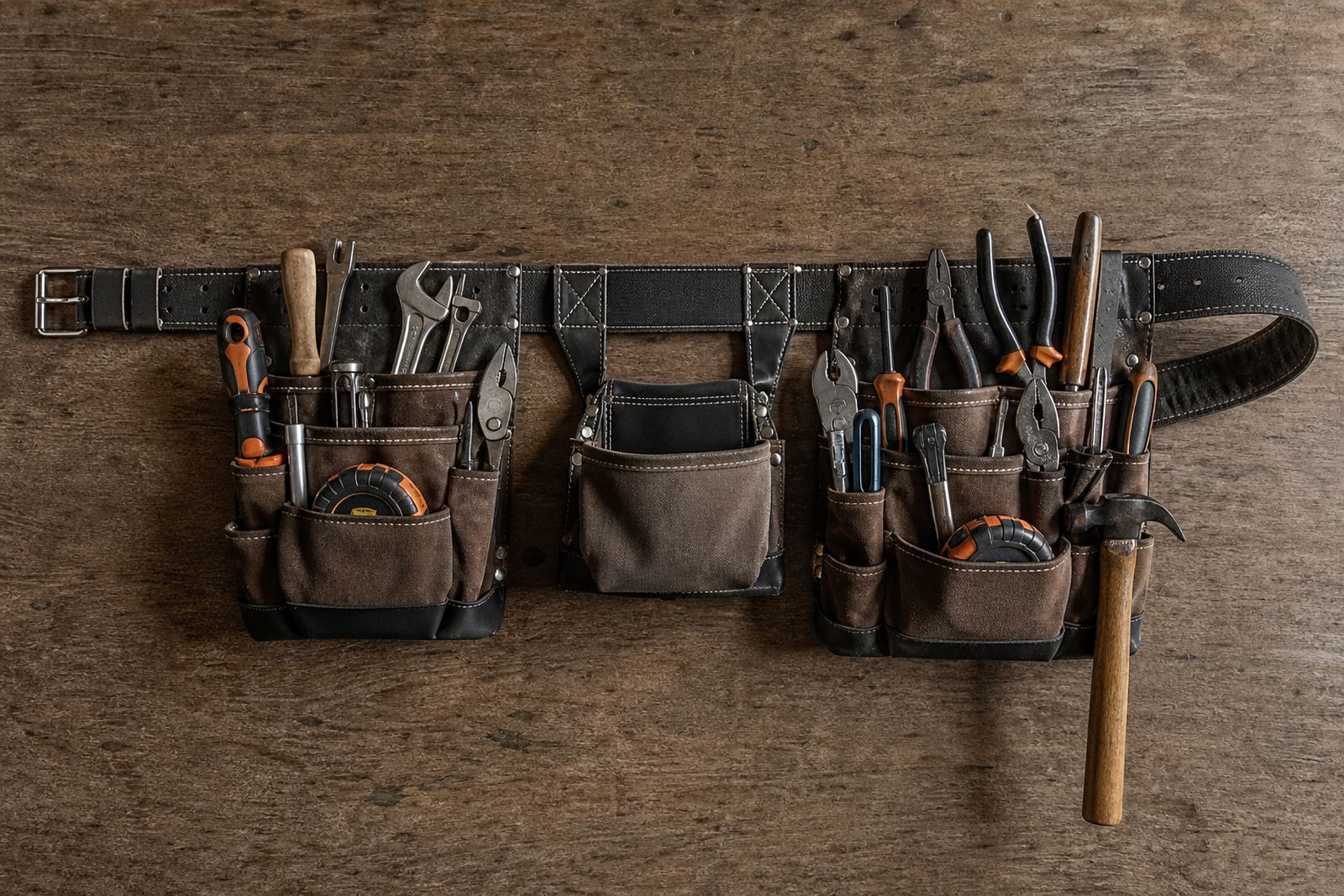
A good rule is simple: keep the most used hand tools close to the front and sides, then place lighter items further back. This keeps your movement natural and helps the belt sit flat instead of rolling. If you are carrying a hammer, pliers, insulated drivers, tape and a pencil, think about reach first and only then about pocket size.
Place weight evenly across both sides
Uneven load is one of the main reasons a belt starts digging into the lower back. If one pouch is full of fasteners and the other only holds a pencil and marker, the belt will shift each time you bend or climb. Try to split the weight across left and right, even if the items are not the same shape.
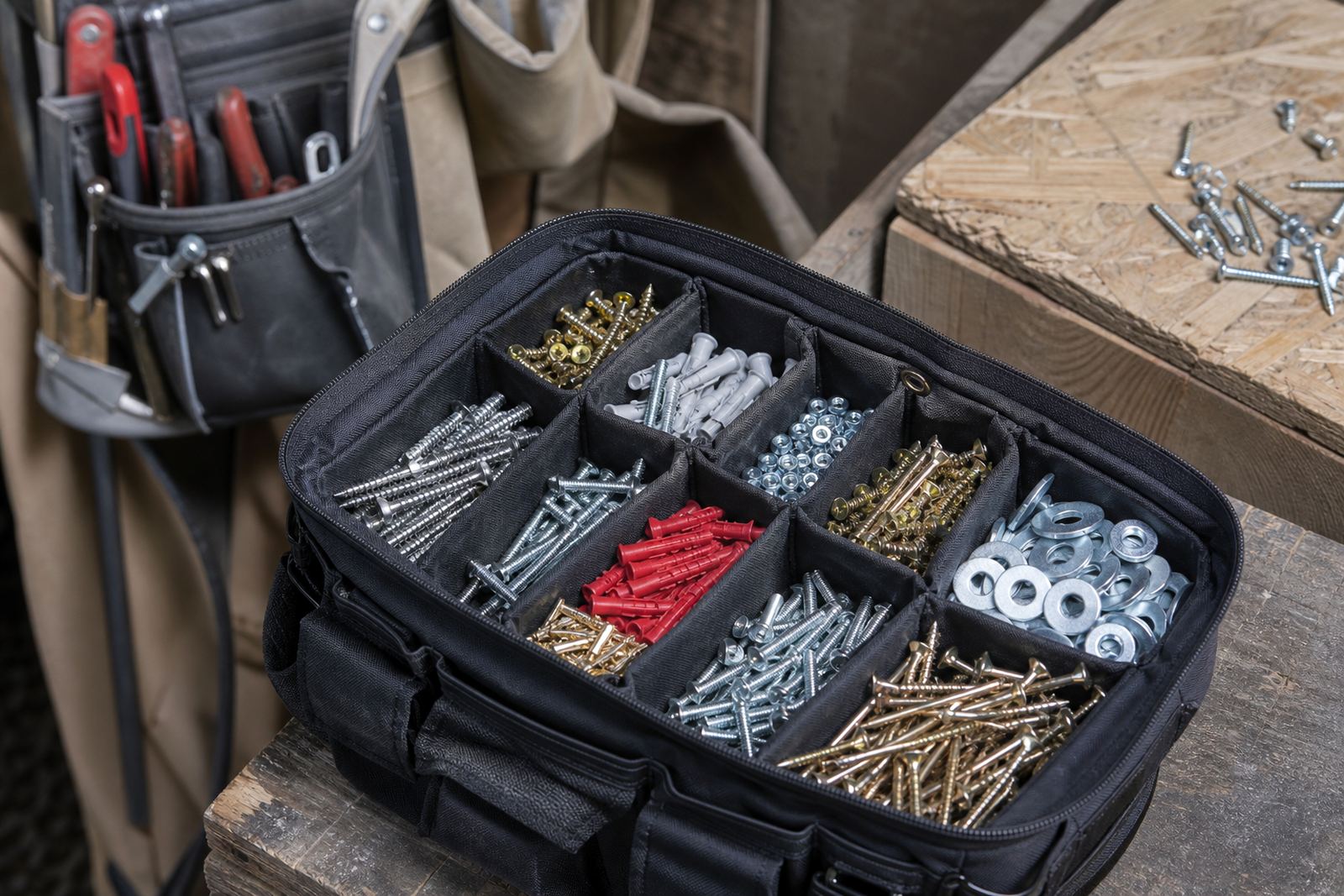
Heavier items can sit opposite each other, while lighter tools can fill the gaps. For example, a nail bag on one side can be balanced by a similar pouch with screws, fixings, or compact electrical consumables on the other. When the belt is balanced properly, you use less energy just to keep it in place.
- Match heavy items on opposite sides.
- Keep small parts in closed pockets so they do not spill out.
- Do not load one side with all the metal items.
- Check the belt after 10 minutes of walking and climbing.
Use the centre for stability, not for clutter
The middle of the belt is best used for items that help the whole setup feel stable, not for dumping loose tools. A centre pouch can hold a tape measure, notes, a small torch, or a marker, but keep bulk out of this area. If the front is overloaded, you will feel it every time you kneel or reach over a wall.
For electricians, centre placement is useful for small test items and marking tools. For builders, it can carry layout tools or a compact square. Try to leave a bit of breathing room around the middle so the belt bends with you rather than against you. That slight gap makes a real difference on hot sites where you are moving all day.
Match pouch size to the job, not the habit
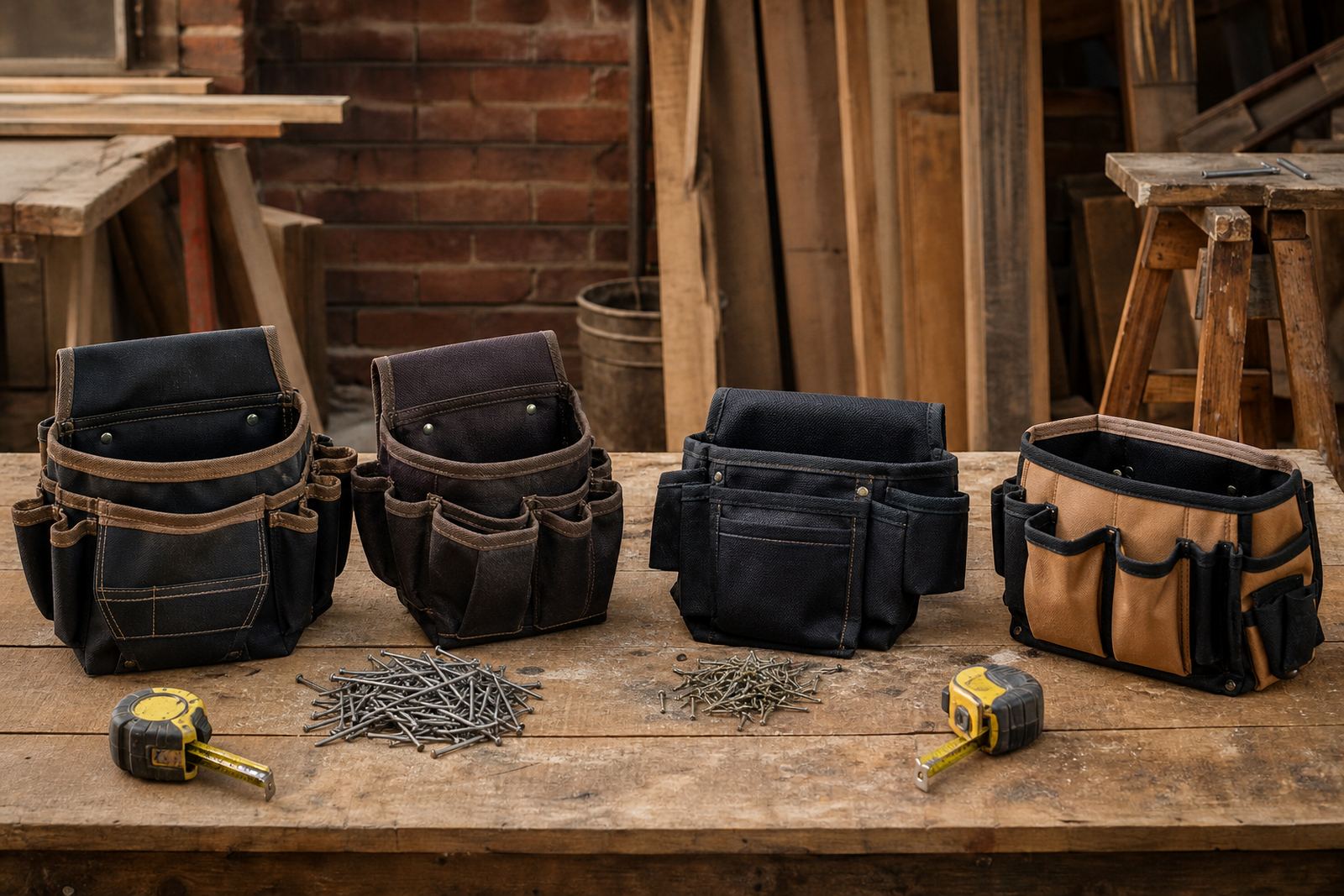
Many workers keep using the same belt layout for every job, even when the task changes. That usually leads to overloading one pouch and underusing another. If you are setting out for a first-fix electrical run, your load will be different from a bricklaying day or a snag list in a block of flats.
Choose the smallest pouch that still fits the work. Bigger is not always better because extra space invites extra weight. A slimmer setup is easier to control, especially when working on ladders, scaffold, or in tight spaces where a bulky pouch catches on corners and trusses.
- Short job: carry only the daily essentials.
- Medium job: add fixings, spare blades, and marking tools.
- Long site day: build in a separate pouch for consumables.
- Mixed trade work: keep tools grouped by task, not by random habit.
Check belt fit before you load the pouches
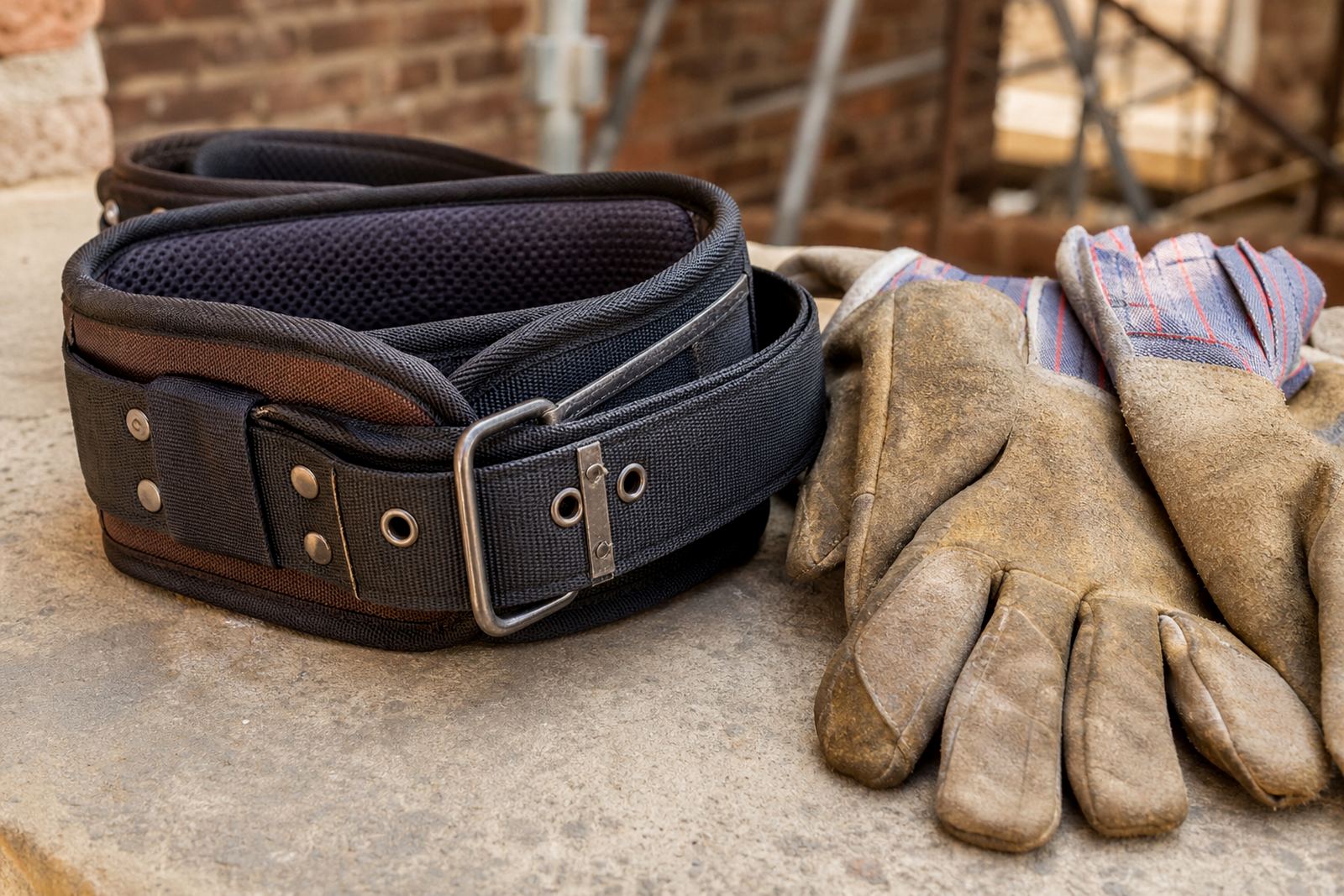
A well loaded belt still feels wrong if the fit is too loose or too tight. Set the waist belt so it sits comfortably above the hips and does not slide when you crouch. If the belt moves around before tools are added, it will only get worse once you add nails, screws, cutters and other gear.
For teams working across Gauteng, the coast, or inland sites with long days and load-shedding delays, comfort matters because tired workers start adjusting the belt more often. That wastes time and can lead to uneven wear. Belt size matching is worth sorting early, especially for bulk team orders and starter kit builds. A good fit keeps the load close and reduces strain on the lower back.
Build a quick checklist for daily loading
A simple loading routine saves time and keeps the belt consistent from one day to the next. The goal is not to make the belt look neat, it is to make it work better. Once the setup is repeatable, your team spends less time repacking and more time getting on with the job.
Use this quick check before leaving the yard or site office:
- Are the heaviest items split left and right?
- Are the most used tools in easy reach?
- Is the centre free of bulky clutter?
- Do all pockets close properly?
- Does the belt stay level when you walk?
- Can you kneel, climb, and bend without the pouch swinging?
If the answer to any of these is no, change the layout before the shift starts. Small adjustments now can save a sore back by lunchtime and a slow unpack later.