Why belt setup matters when the site keeps moving
A good waist belt is not just about carrying tools. It affects how you bend, climb ladders, move through scaffolding and work around tight spaces like ceiling voids, stairwells and plant rooms. When the layout is poor, the pouches swing, catch on steelwork and slow you down. When it is matched to the job, you can keep moving without constantly adjusting your gear.
That matters on South African sites where one day can include brickwork, snagging, cabling and fitting off. A builder in Alberton might start on a slab, move to blockwork and end up on a ladder changing fixings. An electrician in Midrand may shift between first fix and panel work in the same morning. The belt needs to support that pace, not fight it.
Site mobility also matters in hot weather and during load-shedding. If the setup is too heavy or too bulky, workers tire faster and become less careful with placement and lifting. A well planned belt keeps the load close to the body and helps reduce strain on the lower back and hips.
Balancing weight so the belt stays comfortable
The main rule is simple. Put the heaviest or most frequently used items where they are easiest to reach and where the load is spread evenly. If all the weight sits on one side, the belt twists and pulls on the lower back. That becomes a problem after a few hours, especially on larger projects where staff are on their feet all day.
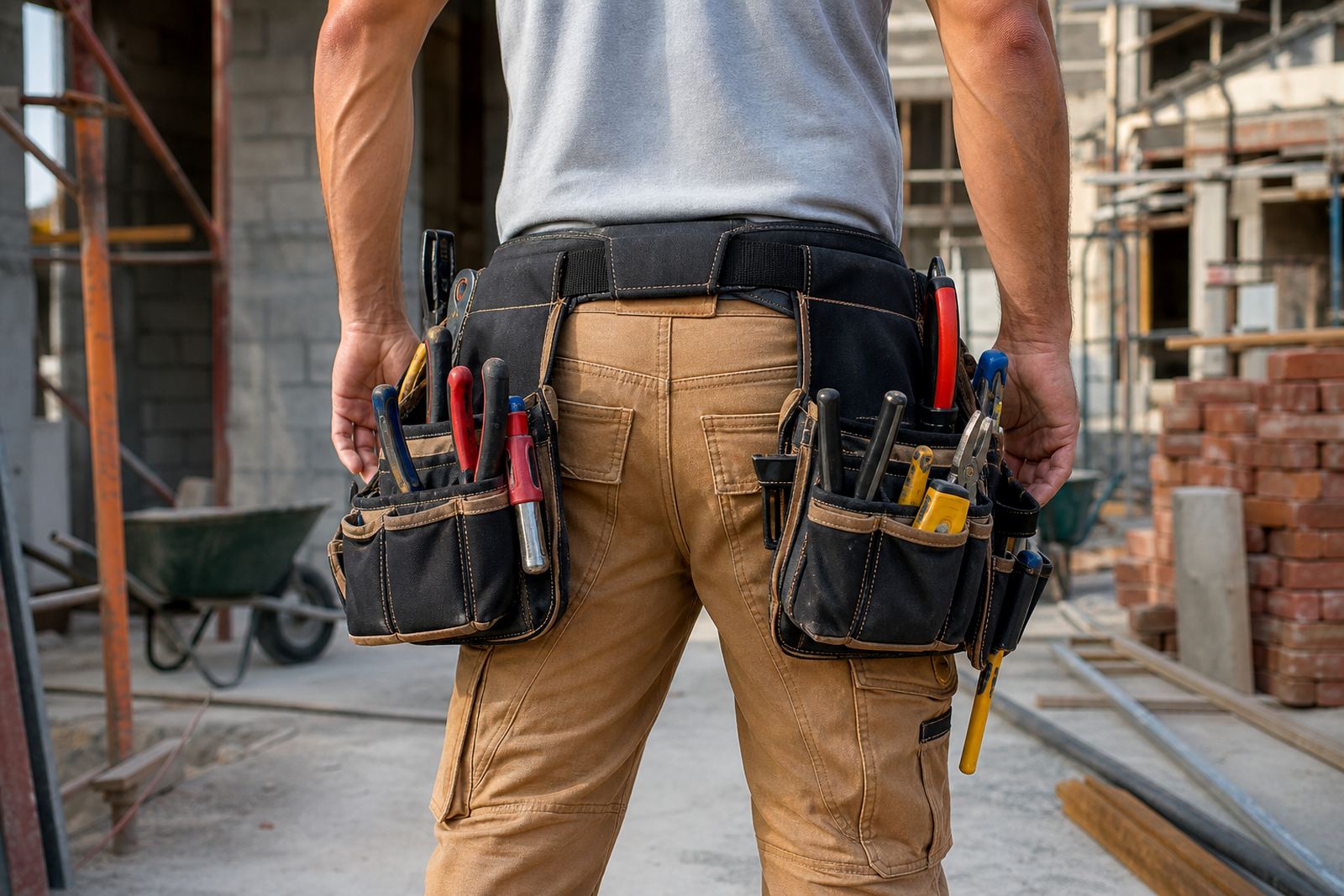
For most trades, the best setup is to separate sharp items, fasteners and hand tools into different pouches. Builders often want space for nails, screws, tape, marking tools and a small hammer loop. Electricians usually need insulated hand tools, connectors, cutters, labels and a pouch for fixings. The aim is not to carry everything, only what is needed for the current task.
- Keep the belt snug but not tight enough to pinch when bending.
- Place heavier pouches slightly forward of the hips for better balance.
- Reserve one side for tools and the other for fasteners or small parts.
- Check that clips and loops do not dig into the body when climbing ladders.
A proper fit also helps in humid coastal conditions, such as Durban or Cape Town. Sweat and movement can make loose belts shift more often, so size matching is worth taking seriously.
Choosing a layout for builders and electricians
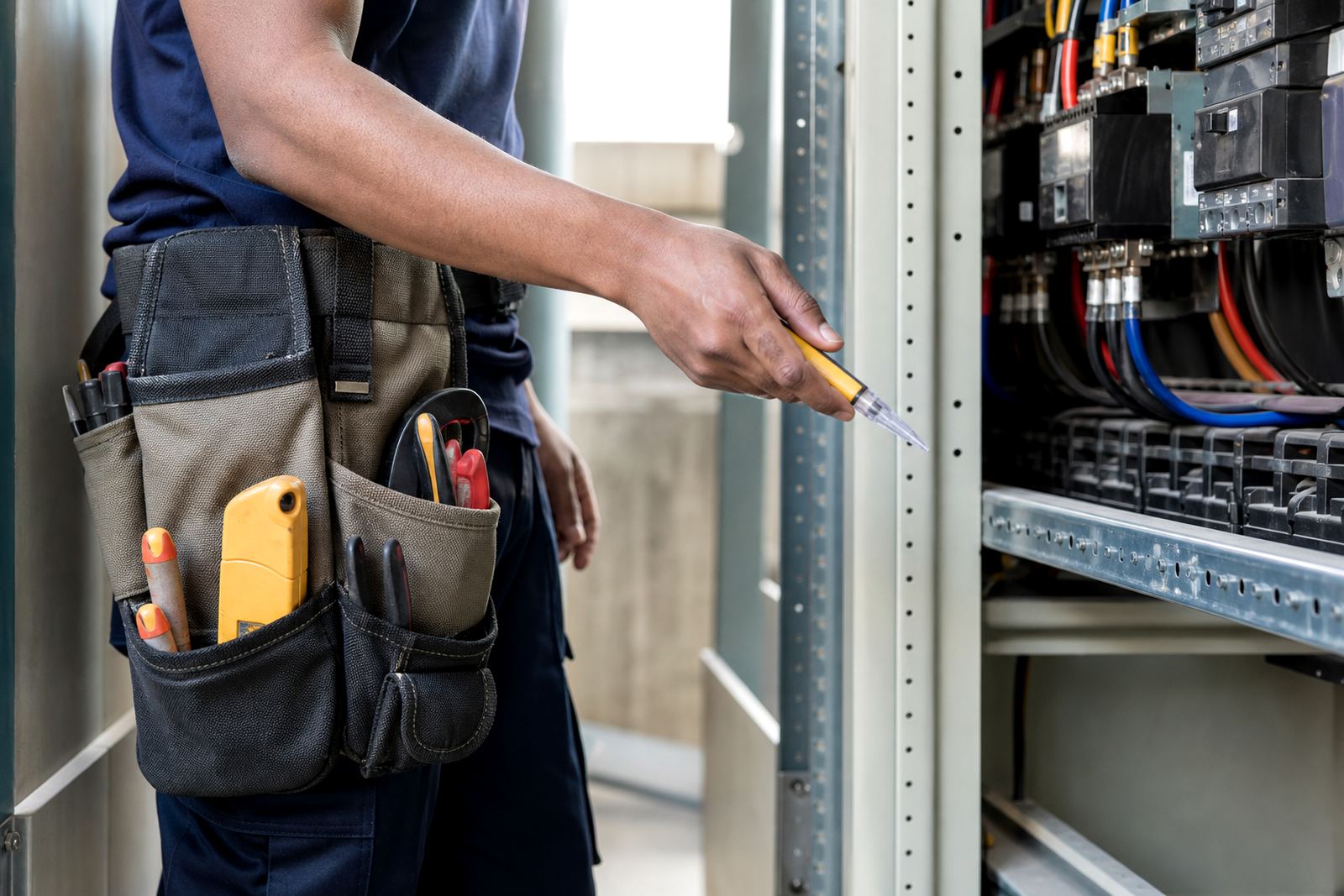
Different trades work differently, and the belt should reflect that. A builder often needs quick access to nails, a measuring tape, a pencil and a hammer, with room for screws and small offcuts. An electrician may need more compact pouches for terminals, pliers, screwdrivers and testers. If the pouch layout is wrong, workers end up crossing tools behind the body or removing the belt to find what they need. That wastes time and breaks concentration.
For mixed teams, a split layout is usually the most practical choice. One pouch can handle larger fixings while the other holds hand tools and markers. If the team is doing both electrical and general building work, a starter kit can be set up with enough space for each trade without overloading the user. This is especially useful on project rollout supply where crews are moving from one site to the next.
- Builders benefit from open pouches with quick grab access for fixings.
- Electricians often need deeper pouches that keep smaller items from falling out.
- Mixed trade teams should avoid overpacking, because too many pockets can slow movement.
- For night work or early starts, keep the most used items in the same position every day.
On a site in Pretoria or Polokwane, that consistency helps new team members work faster because they know exactly where to reach. It also makes stock checks easier at the end of the shift.
Movement on ladders, scaffolding and rough ground
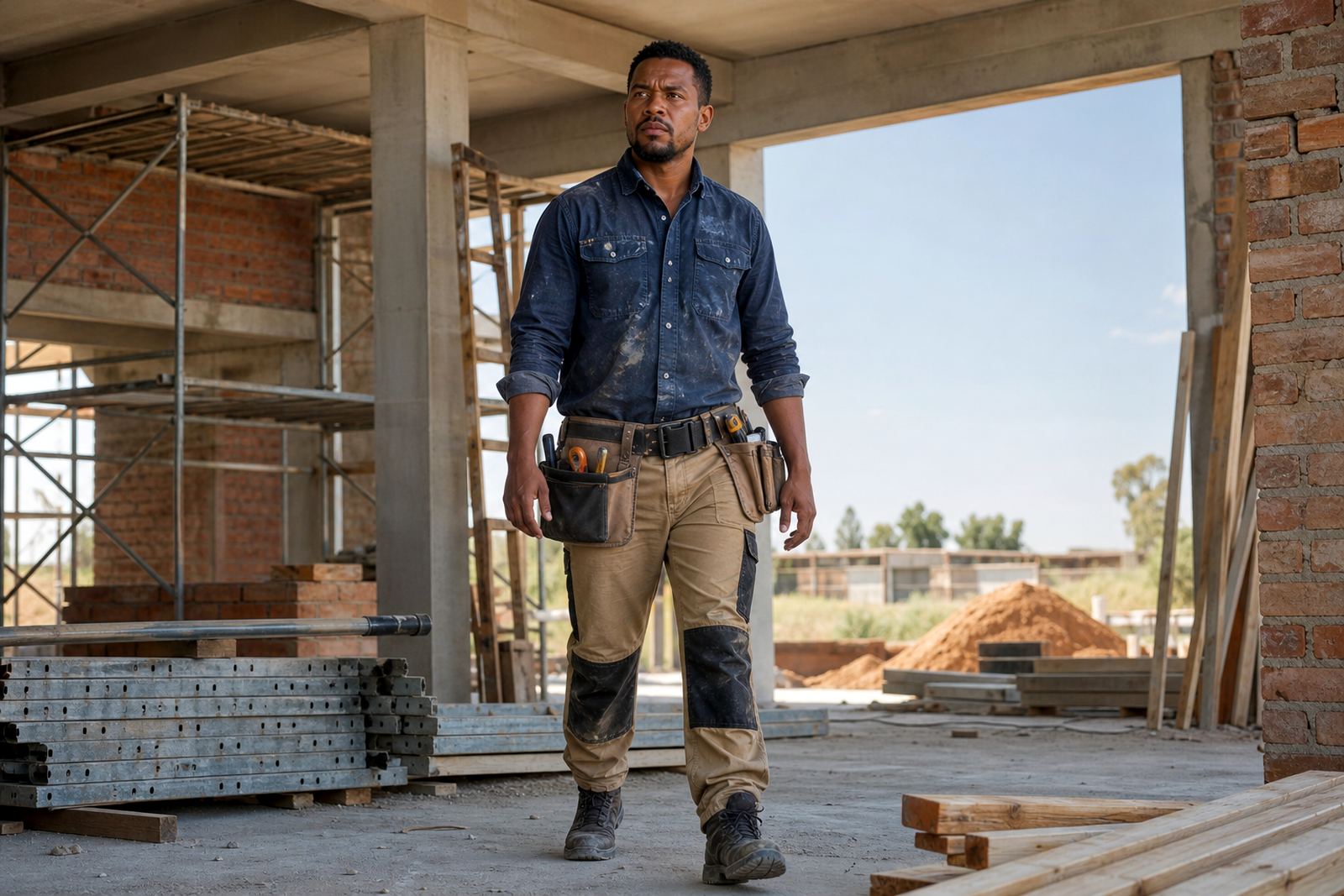
Good mobility is about more than walking around a site. It must also suit climbing, crouching and stepping over rubble or reinforcement. A belt that sits too low can catch on ladder rungs. One that is too loose can swing and throw off balance when moving across uneven ground. On housing developments, roadworks and commercial builds, these small issues add up fast.
The safer approach is to keep the profile tight and the pouch edges neat. Long loose straps should be secured so they do not catch on timber, conduit or mesh. Tools should be placed so the worker can bend without the pouch turning into the thigh. This is especially useful when carrying materials in one hand and keeping the other hand free for balance.
For companies supplying multiple crews, delivery planning and belt size matching should be part of the order. A better fit means fewer returns, fewer interruptions and less frustration on site. It also helps when the team is working in different towns with different site conditions, from dusty inland projects to damp coastal jobs where materials and gear need extra care.
Practical habits that keep task changes quick
The fastest workers are not the ones carrying the most tools. They are the ones who keep a set pattern. Put the same tool in the same place every day, and pack the belt the same way for each task. That reduces wasted movement and helps when conditions change fast, such as when a foreman calls for a snag list check and then sends the same team back to first fix work.
A few simple habits make a real difference:
- Empty the pouch at the end of the shift and remove broken fixings, tape offcuts and dust.
- Check stitching, clips and loops before heading to site the next morning.
- Adjust the belt after lunch, since body movement and sweat can loosen the fit.
- Keep a separate kit for electrical work and general building where possible.
These small steps save time and help extend the life of the belt. They also matter for contractors working on stock replenishment plans, because worn or badly packed pouches usually lead to extra replacements down the line.
A local jobsite example from Alberton to the rest of the route
On a mixed-use build in Alberton, a contractor may have a team moving between blockwork, wiring points and final fit off. The builder needs fast access to fixings and marking tools, while the electrician needs compact access to connectors and hand tools. If both workers use the same bulky setup, they slow each other down and spend too much time adjusting gear. Once each belt is matched to the task, movement improves and the handovers become smoother.
That same approach works on jobs in Johannesburg, Durban, Cape Town and Polokwane, where the pace and site layout can differ but the need stays the same. The belt must support the worker, not control the worker. When the setup is right, the person on site can climb, reach and change tasks with less fuss and more confidence.
For teams ordering through the enquiry form, it helps to share the trade mix, the number of workers, the belt sizes needed and the type of work being done. That makes it easier to plan bulk team orders, mixed trade kits and site specific selection without leaving anyone with a poor fit.
How Waistbags Pro supports belt planning for site teams
Waistbags Pro supplies tool pouches, nail bags and utility waist belts for builders and electricians across South Africa, with support from our Alberton base and supply areas in Johannesburg, Pretoria, Durban, Cape Town, Polokwane, Midrand and Centurion. Our team works with contractor order support, pouch layout planning, starter kit builds and belt size matching so crews get gear that suits the work they actually do.
That matters when a team needs to move quickly between tasks, keep tools organised and avoid carrying unnecessary weight. Whether the order is for a small crew or a larger rollout, the aim is the same, make the belt useful on site and suitable for the job from the first shift onward.