Why a balanced belt feels better by the second hour
When a waist belt pulls to one side, you feel it quickly. The lower back tightens, the hip on one side works harder, and you start adjusting the belt more often than you should. Over a full shift, that small imbalance becomes tired legs, sore shoulders and slower work. Balanced loading keeps the centre of weight closer to your body, so the belt sits flatter and moves with you instead of twisting every time you climb a step ladder or kneel by a floor slab.
For builders and electricians, the difference shows up in simple jobs. A balanced pouch setup lets you walk across a site in Alberton or load out on a hot Durban morning without constantly pulling the belt back into place. It also helps when load-shedding interrupts the day and you need to finish a task quickly before light drops away. The less you fiddle with your gear, the more attention you keep on the work in front of you.
What balance means on a real job site
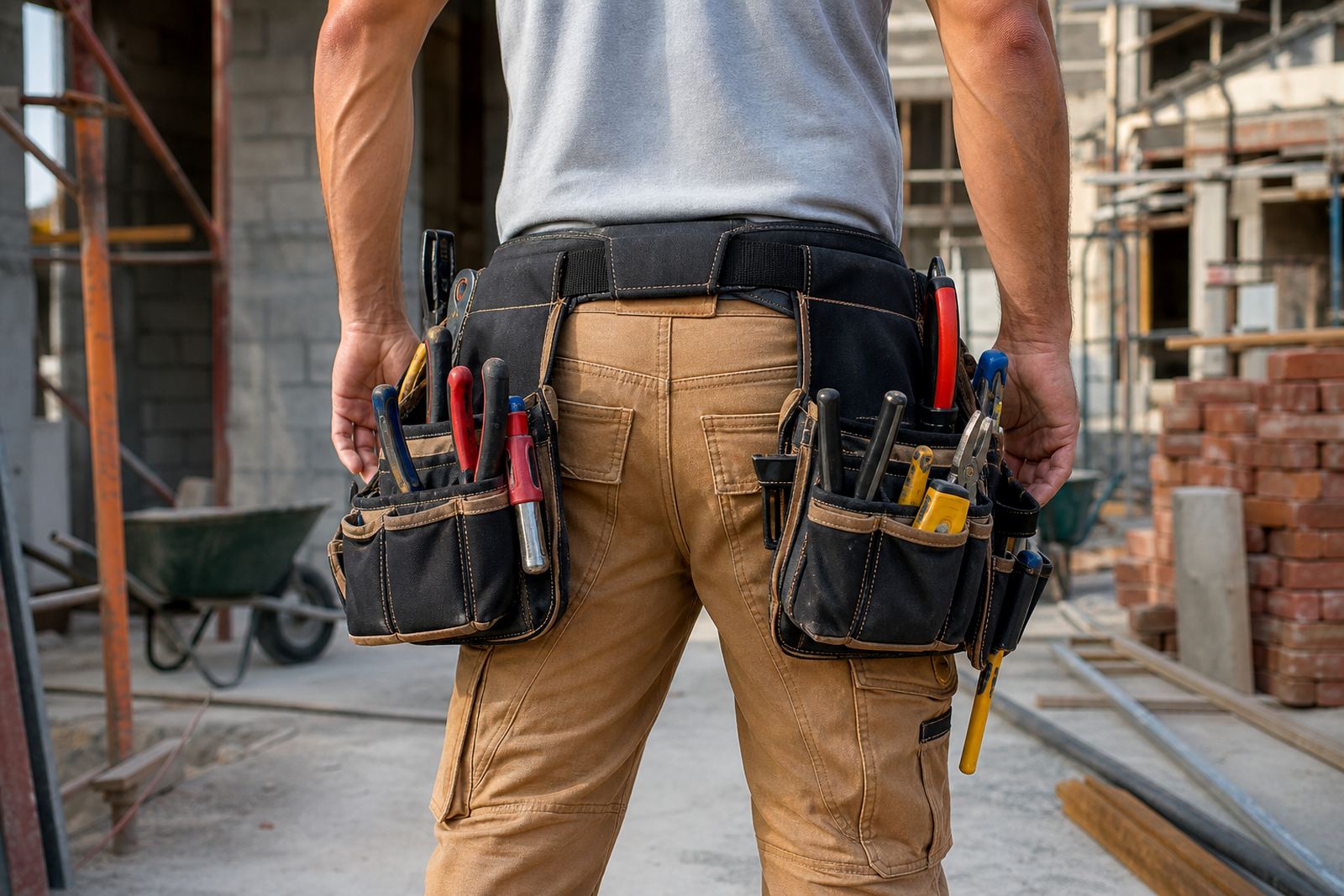
Balance does not mean carrying the same number of items on both sides. It means matching weight, shape and access points so the belt stays steady. A heavy tape measure, pliers and a hammer all behave differently from a stack of screws or a packet of cable ties. If everything is loaded into one pouch, the belt will sag or twist. If the tools are spread with a plan, each side supports the other and the belt rides more comfortably around the waist.
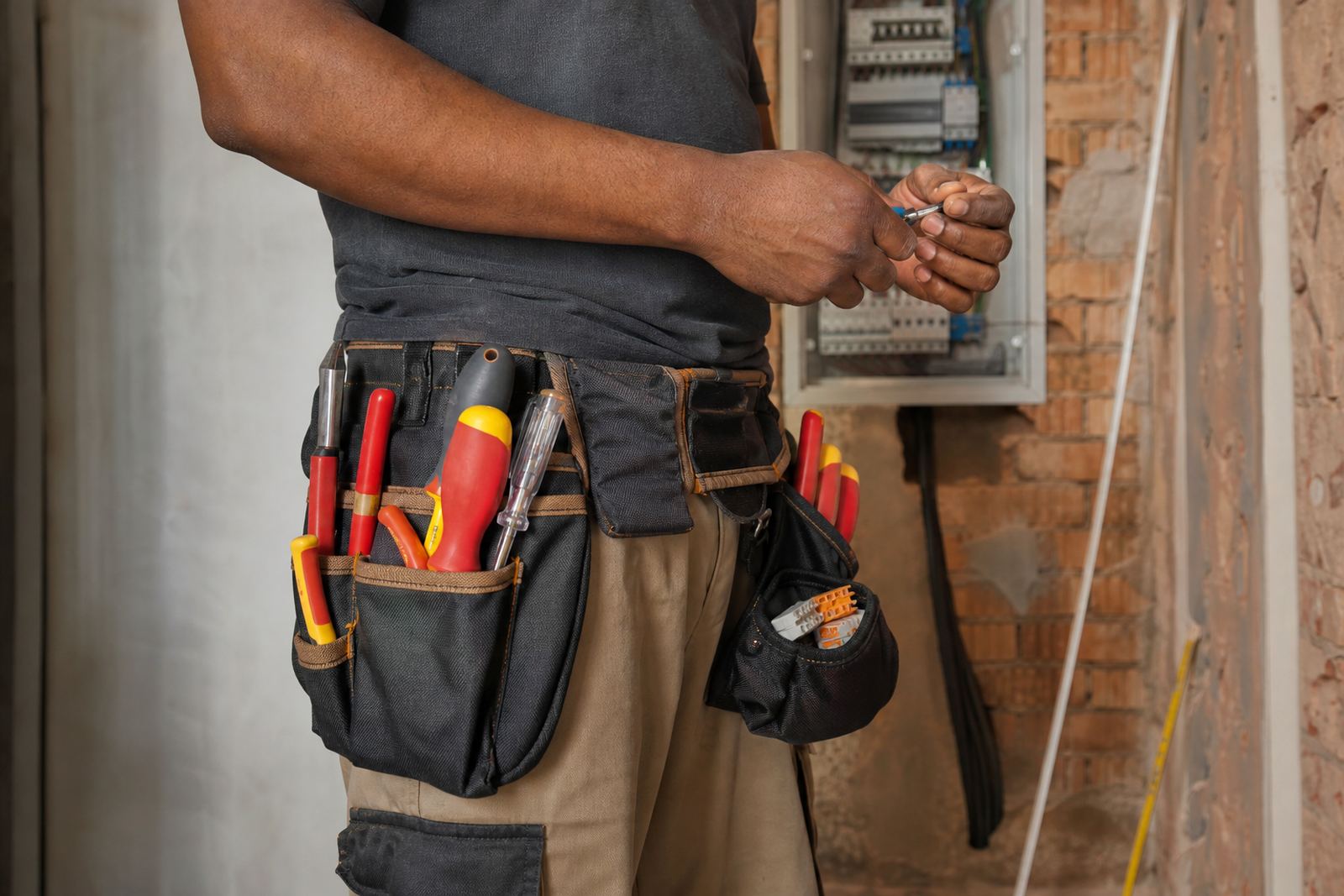
Electricians often need quick access to cutters, screwdrivers, testers and fixings. Builders may need nails, pencils, a tape and small hand tools close at hand. The aim is to arrange those items by how often you use them and how much they weigh, not just by habit. A good pouch layout keeps the heaviest pieces near the centre and the most used tools where your hands naturally fall.
- Put heavier tools closer to the middle of the belt.
- Keep often used items in the easiest reach zone.
- Separate sharp or bulky items so they do not press into your hip.
- Leave space for fast access to fasteners and small parts.
The posture problem many teams ignore
Badly loaded belts do not only feel awkward, they change how you stand and move. A belt that drags on one side can make you lean away from the weight without noticing. Over time that habit can strain the lower back and hips, especially for workers who spend long hours bending, climbing and carrying materials. On coastal jobs where humidity makes clothing cling, an unbalanced belt feels even heavier because every movement becomes less free.
Good posture starts with the belt sitting level. The waist should support the kit, not the other way around. If a pouch keeps dropping, the belt is probably overloaded on one side or the size is wrong. A proper size match matters because a belt that is too loose shifts about, while one that is too tight digs in and cuts off comfort. Both lead to extra strain and slower movement by the end of the day.
How to set up a belt for comfort and speed
There is a practical way to build a belt that works from first hour to last. Start by thinking about what you use most, then place those items where your hands naturally rest. The goal is to reduce searching, not just to carry more. A cleaner setup also helps when you are on a ladder, because one-handed access matters more than stuffing every pocket full.
Many teams in Johannesburg and Pretoria order mixed kits because different tasks need different layouts. A bricklaying team, for example, will not carry the same load as an electrical team on a fit-out. The smartest setup is the one matched to the job, site rules and the worker wearing it. If a belt is used by different staff across a project, keep the layout simple and repeatable so everyone knows where each tool lives.
- Test the belt with a full shift load, not just a few minutes.
- Check that the buckle sits flat and does not pinch.
- Move weight around until the belt stays level when you walk.
- Recheck the layout after changing tasks or tool sets.
A local example from site work in Gauteng
Picture a foreman on a mid-rise project in Alberton. The morning starts with marking out, then a quick run through to check fixings, then a shift to trades coordination when suppliers arrive. If the belt is loaded too heavily on one side, he slows down every time he climbs scaffolding or crosses a slab with material in hand. By mid-morning his lower back is already working harder than it should. That is time and energy wasted on the simplest part of the day.
Now picture the same shift with a balanced setup. The tape measure sits where it can be reached fast. Fasteners are spread so one pouch is not carrying all the weight. The belt stays level while he walks between teams, and there is less need to stop and adjust it. The result is not dramatic, but it matters. Less pulling, less twisting, quicker access and better focus on the job. In practical terms that means fewer interruptions and a smoother pace through the day.
Choosing belt and pouch combinations for South African conditions
Conditions change from one province to another, and your belt should cope with that. In Cape Town, wind and cooler mornings can make layers bulkier. In Durban, heat and humidity can make a heavy belt feel twice as tiring. In Polokwane, long site days and dust call for kit that is easy to clean and quick to dry. That is why the right material, stitch quality and pouch shape matter just as much as the contents.
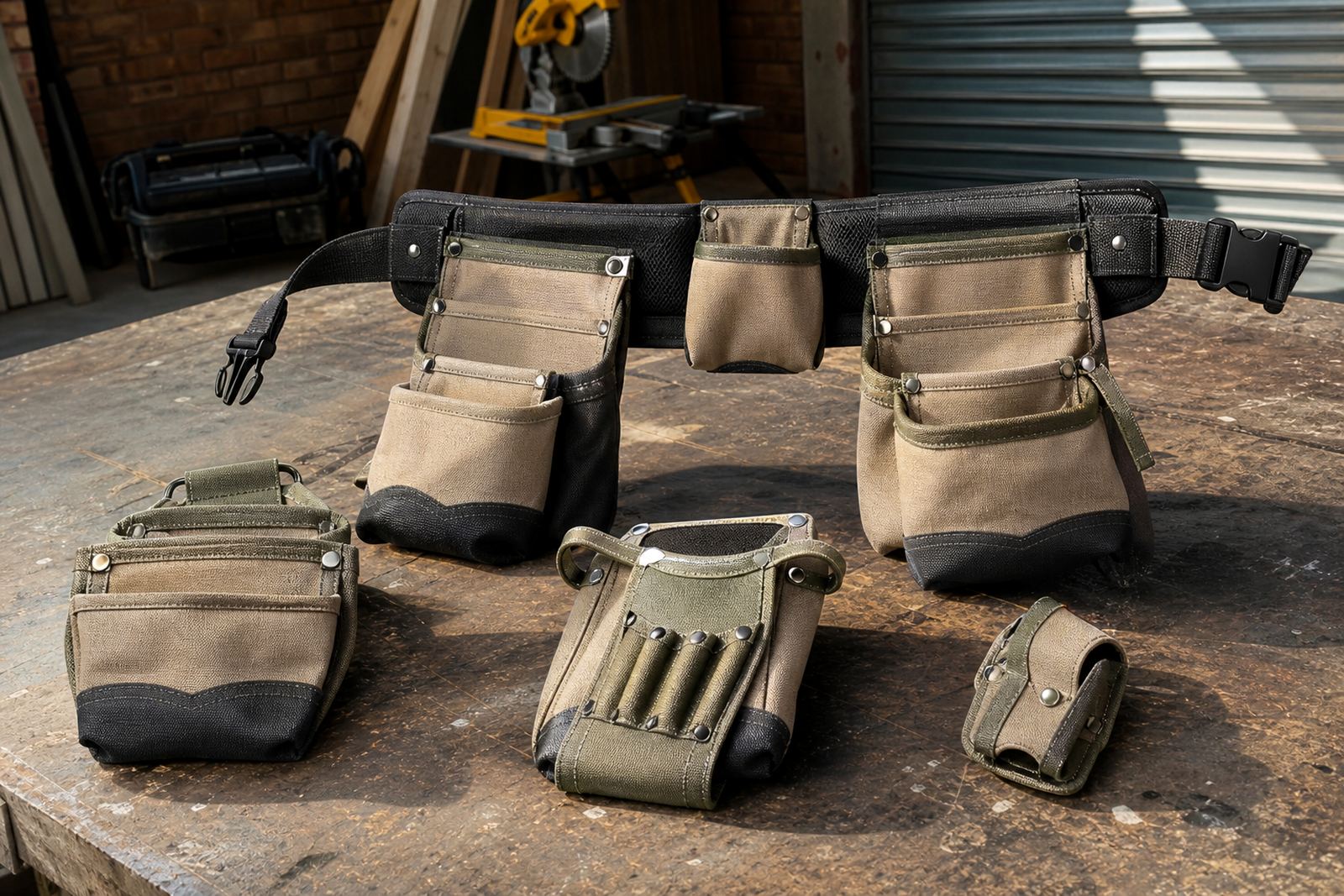
When selecting a belt system, look for practical features that support balance and daily use:
- Strong belt webbing that holds shape under load.
- Pouches sized for the actual tools on site, not oversized storage.
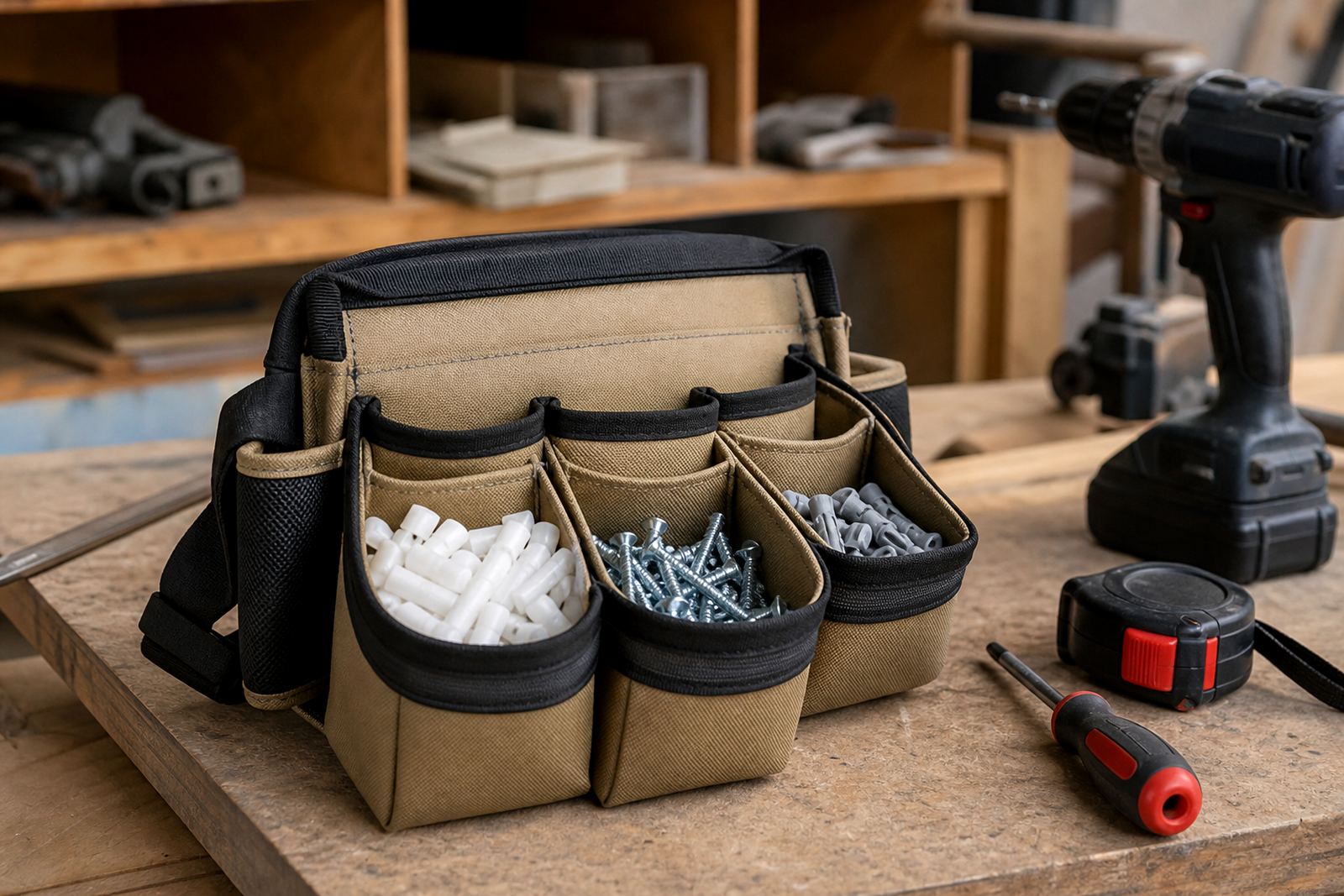
- Clear separation for nails, screws and hand tools.
- Comfort around the hips for long shifts and repetitive movement.
- Enough adjustability for different clothing layers and body sizes.
For contractors planning bulk team orders, it helps to map out tool loads by role before ordering. That way, each worker gets a setup that suits the task and the belt does not end up overloaded on one side. Balanced loading is not a small detail. It is part of making the whole workday easier to carry.
A simple rule for better belt loading
If your belt feels wrong, it usually is. The fix is not more force, it is better weight placement. Keep the heaviest items central, spread the rest by frequency of use, and choose pouch sizes that match the job. Once the balance is right, your kit stops fighting your body and starts working with it.
That is the real point of a well planned waist belt. It should help you move better, keep tools close and finish the day with less strain than you started with.