
Why a well packed belt matters on South African sites
On a busy job in Alberton, Sandton or on a small workshop upgrade in Polokwane, the difference between a smart belt and a stuffed one shows up quickly. When you have screwdrivers, pliers, cutters and fixings sorted into the right pouches, you spend less time searching and more time working. That matters even more when load-shedding cuts the light and you need to finish a board change or fault check before the next outage.
Electricians often move between ladders, ceilings, trenches and finished spaces, so a belt needs to stay balanced and comfortable. If the pouch set pulls to one side, or the belt slips when you bend, it slows you down and gets irritating after an hour or two. A proper setup should sit snug, stay in place and keep the weight spread across the waist not hanging off one hip.
Core hand tools to keep within reach
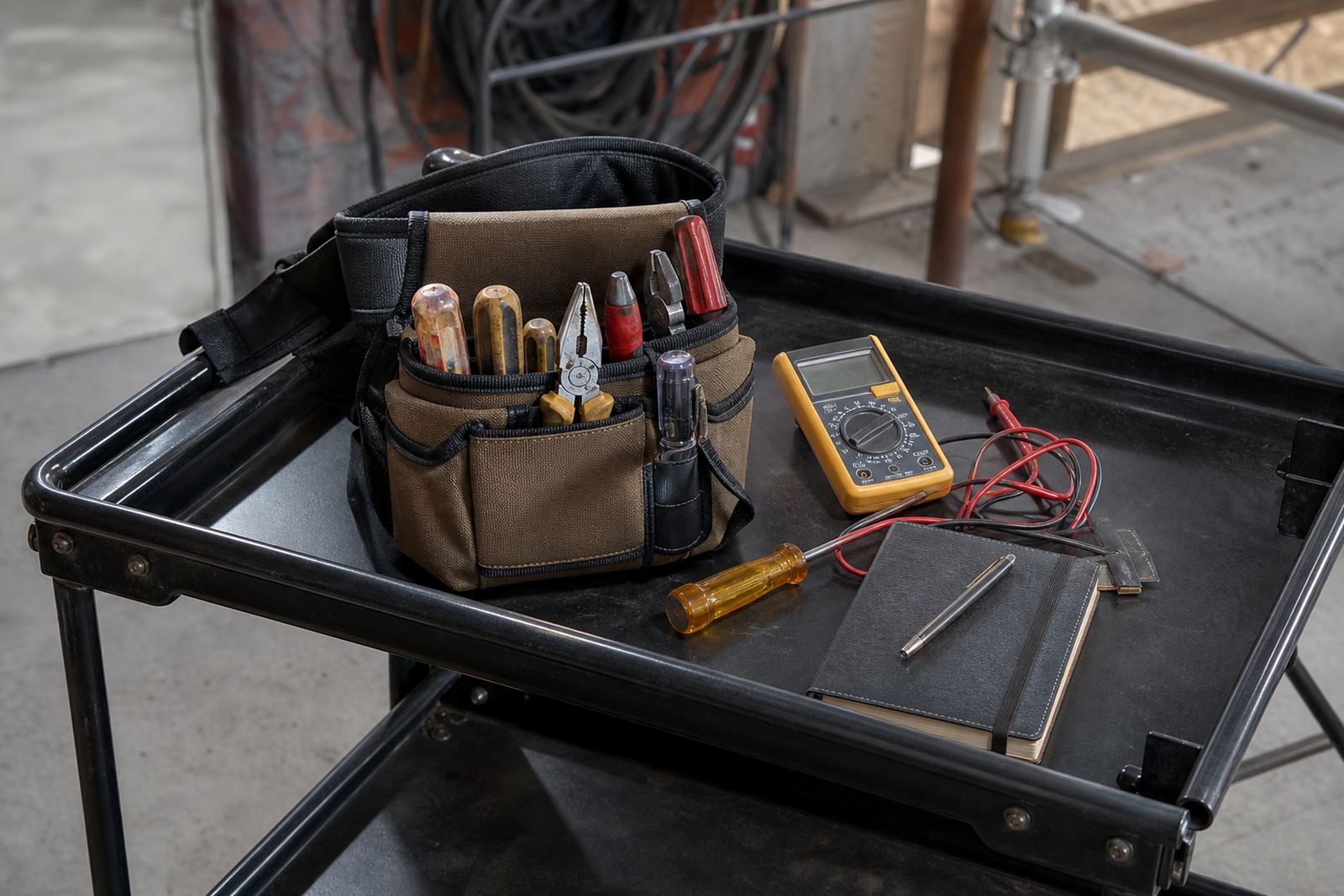
Most electricians do not need to carry every tool on the first trip. The better approach is to keep the everyday items on the belt and leave the bulkier gear in the vehicle or a site box. For routine installations and upgrades, these are the items many crews keep close at hand:
- Insulated screwdrivers in a few common sizes
- Combination pliers and side cutters
- Wire strippers for the usual conductor sizes
- A small tape measure for marking and checks
- A tester or voltage checking tool where site rules allow
- Utility knife for cable sheathing and packing
- Pencil or marker for quick notes and labels
It is also worth carrying a couple of spare terminals, cable ties and a small notepad. Those small items save time on callouts where the client wants a clean, tidy finish before the ceiling is closed or the board is signed off. Keep the sharp items in pouches with proper dividers so they dont snag your gloves or tear the belt lining.
Pouch layout that suits electrical work
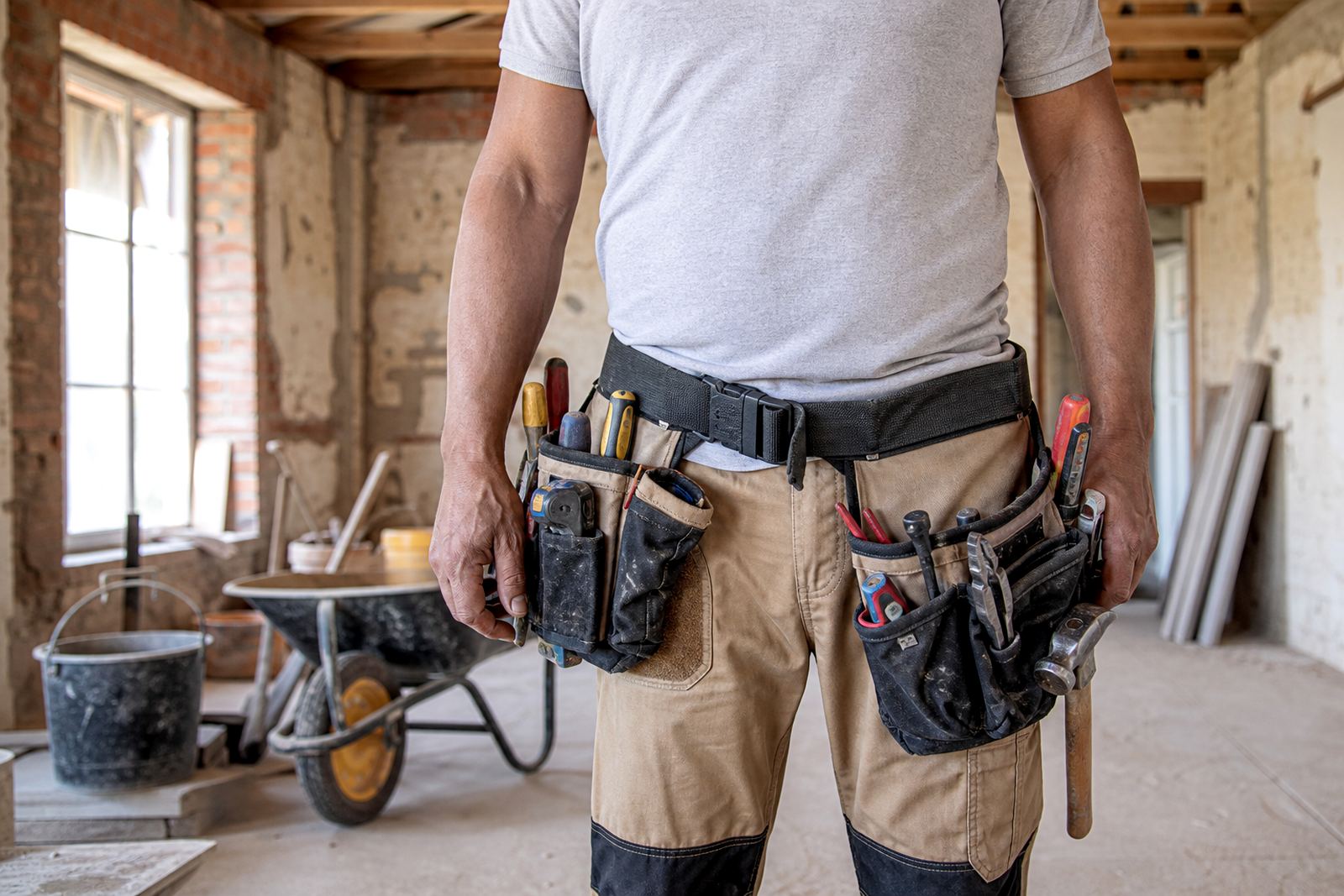
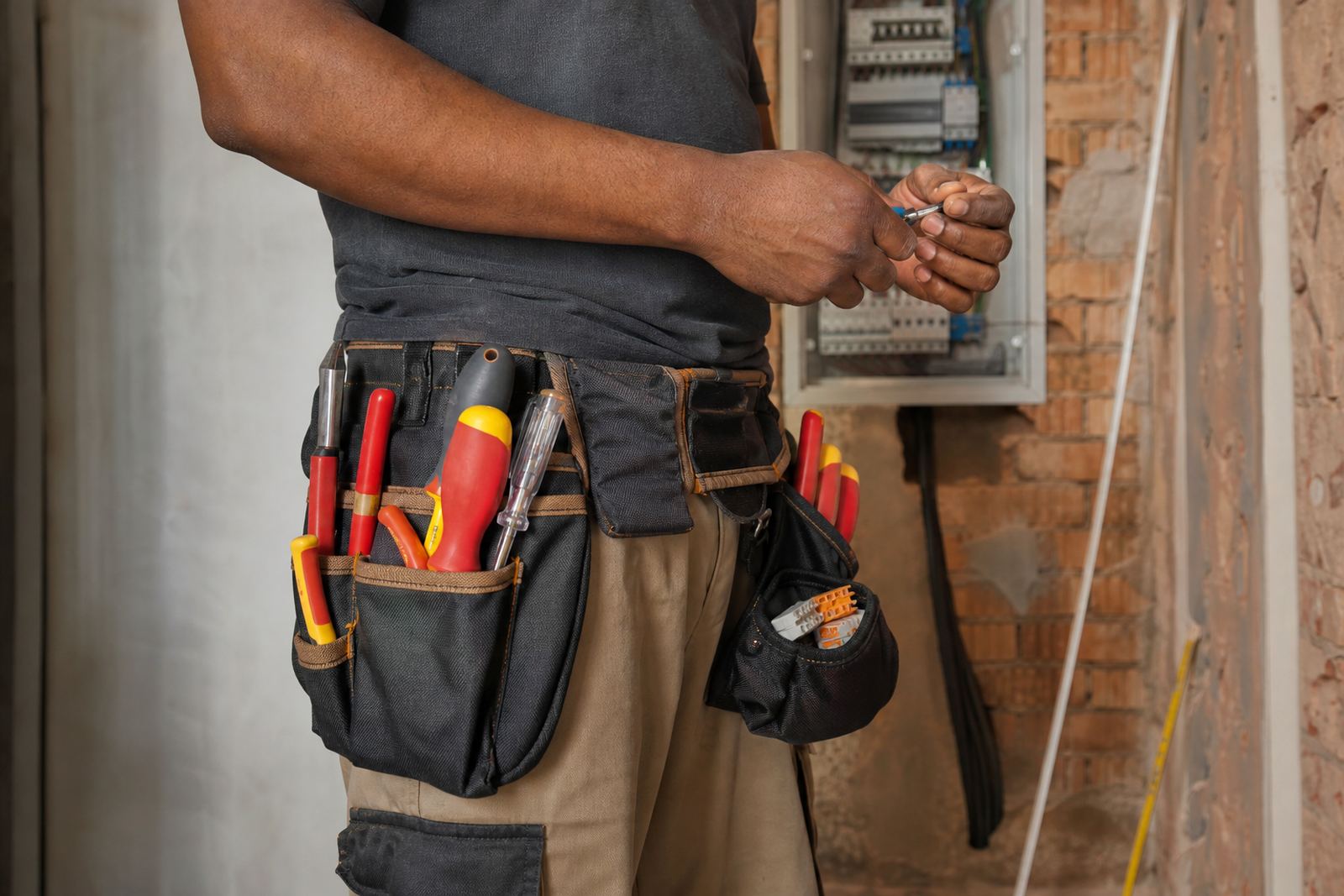
Good pouch layout is not about stuffing in as many tools as possible. It is about arranging the belt so each item has a place. A common setup is one side for tools and the other for fixings and small parts. That way your dominant hand can grab what you use most often, while the other side holds screws, sleeves, connectors and tags.
For electricians working in Gauteng estates, commercial parks or on municipal maintenance jobs, a tidy layout also helps with compliance. You are less likely to leave small parts on the floor or in a client’s reception area, and you can count what you have before leaving the site. An organised pouch set also makes handovers easier when teams swap shifts or share equipment.
- Keep cutting tools in the main front pocket for quick access
- Use narrow slots for screwdrivers so tips do not rub together
- Reserve one pocket for fasteners and connectors only
- Place measuring and marking items where they will not get bent
- Separate dirty items from clean consumables
Choosing belt size and comfort for long days
A belt that fits well is just as important as the pouches on it. Many electricians work long shifts, especially when a job stretches into the evening because of transport delays or power interruptions. If the belt is too loose, the load shifts and digs into your hips. If it is too tight, it becomes uncomfortable by lunchtime. The right fit should allow you to crouch, climb and twist without the belt riding up.
When fitting a belt, try it over the clothing you wear on site, including a jacket if you use one in winter. Also check how it feels with a full load, not just when empty. In humid coastal areas like Durban, breathability matters because sweat can make a hard belt feel even stiffer. In colder inland mornings, a belt should still sit properly over layers without needing constant adjustment.
Starter kits for apprentices and new crews
For apprentices, a starter belt is best kept simple and practical. The first goal is to build safe habits and clean working routines, not to carry every tool in the truck. A smaller kit also helps new team members learn where each item belongs, so they can pack and repack without confusion.
Many contractors order starter kits for new installs, maintenance teams or project rollouts. That can include one belt, a basic pouch set and a matched tool list for the work ahead. For example, a housing development in Pretoria might need a different layout from a retail upgrade in Cape Town. The first site may call for more fixings and marking tools, while the second needs quicker access to service tools and tidy cable handling.
- One comfortable belt with enough adjustment range
- Two or three tool pockets with clear separation
- A fixings pouch for screws, clips and small parts
- A compact tape measure and marking items
- Space left open for job specific tools
Keeping belts and pouches ready for repeat work
Once a belt is in regular use, maintenance is simple but important. Empty it at the end of the day, brush out dust and check for loose stitching, cracked clips or worn edges. On construction sites around Johannesburg and Midrand, fine dust and cement can work into the seams. Near the coast, humidity can leave metal parts damp if they are packed away too quickly. A quick wipe and dry-out helps the gear last longer.
It also helps to set up a stock replacement routine. If one pouch starts sagging or a buckle becomes weak, replace it before it fails on site. Crews working in the field should not be forced to improvise with tape or cable ties for long periods, even if it seems like a quick fix. A clean, serviceable belt supports better work and fewer delays when the next call comes in.
Local supply support for teams across South Africa
Electricians and contractors often need more than one belt. They need matched sets for teams, mixed trade kits for multi-purpose crews and stock that can be replenished without guessing. From Alberton to Cape Town, builders and electrical teams benefit from a supply setup that can handle repeat orders, site specific selection and delivery planning across provinces.
Waistbags Pro works with contractors, foremen and purchasing teams who want practical belt and pouch combinations for real job conditions. Whether you are equipping a small maintenance team or putting together a larger rollout, the aim is the same: keep tools organised, easy to reach and ready for the next site. Good kit does not shout for attention, it just gets the work done.