What a site supervisor really needs to carry
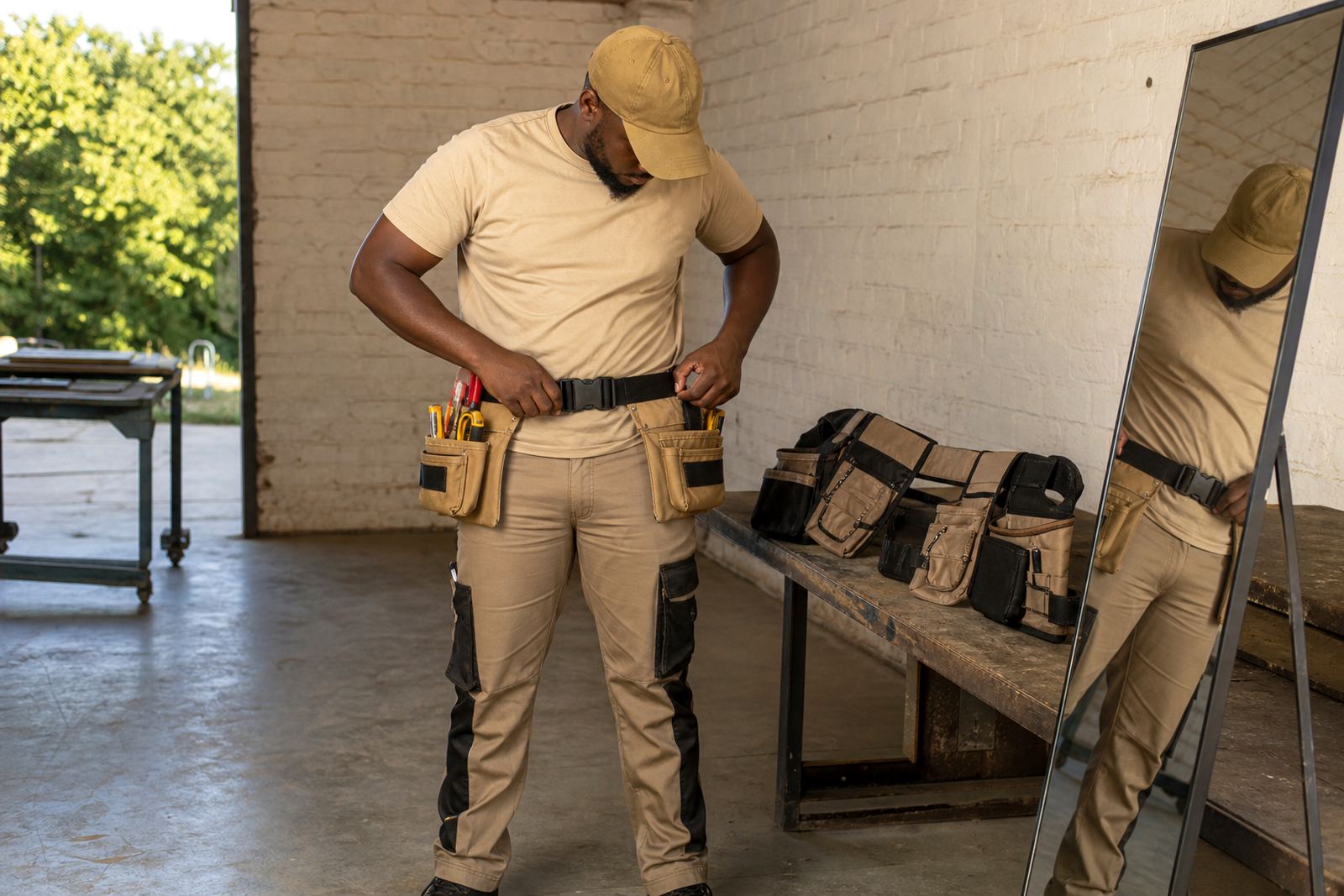
A supervisor moves differently from a tradesman on the tools all day. You are checking work, signing off stages, speaking to subbies, sorting a missing screw or clipping a note into a pocket before the foreman walks off. That means your carry setup should be light, organised and quick to access, not loaded down with every spanner and screwdriver on the truck.
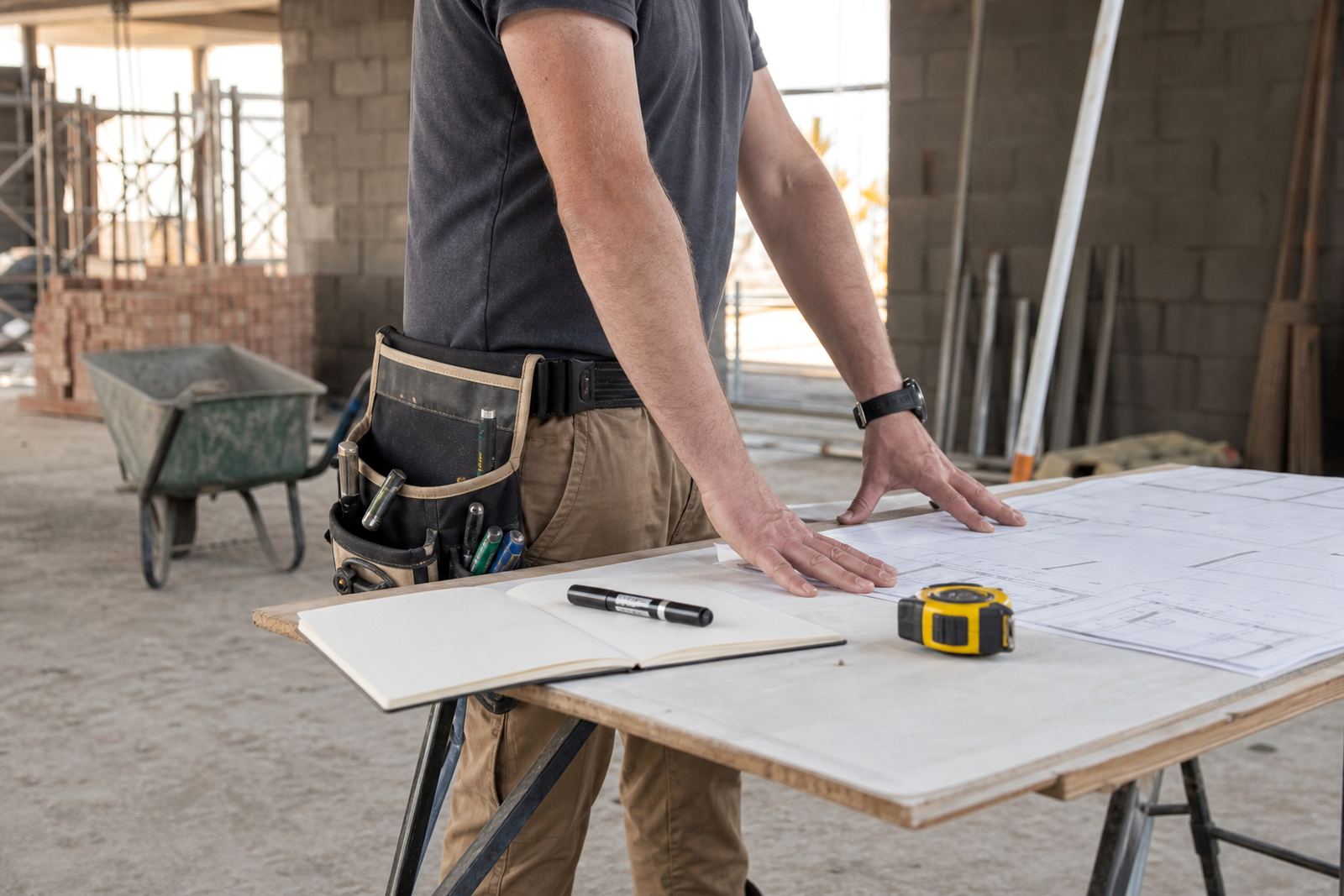
For most supervisors in Alberton, Johannesburg or Pretoria, the basic load is simple: a notepad, pencil or marker, tape measure, utility knife, torch, a few fasteners and maybe a small tester or multi-purpose hand tool. If you are walking a roof line in Durban humidity or a dusty site in Polokwane, the pouch also needs to keep small items from falling out when you bend or climb.
- Notebook or job card slips
- Tape measure
- Marker, pencil and small pen
- Knife or cutter
- Small torch for dark corners and load-shedding checks
- A handful of screws, plugs or cable ties
Keep the carry setup light enough for the whole day
A good supervisor setup should sit comfortably from the first call on site to the last walk-through in the afternoon. If the belt pulls at your hips or the pouch swings when you move, you will leave it in the bakkie after a week. That is why belt size matching matters. The fit must work over work pants, over a jacket in winter, and over light clothing in summer on coastal jobs.
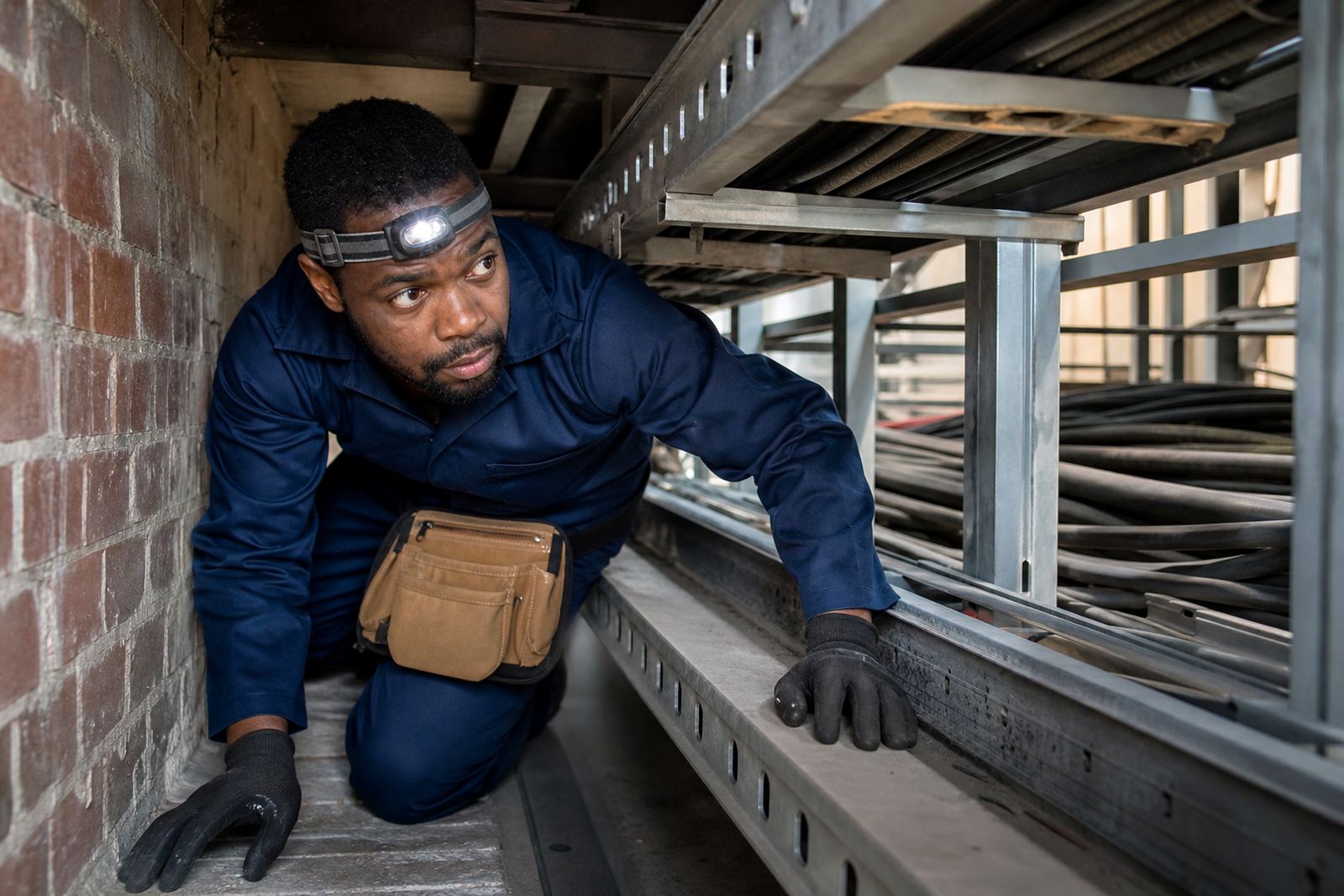
For construction managers and electrical supervisors, the aim is easy movement. You need enough storage for essentials but no bulk that catches on scaffolding, brick stacks or conduits. A smaller tool pouch on one side and a second pocket for notes or fixings on the other side often works better than one large bag. It keeps weight balanced and makes it easier to kneel, climb and reach without fuss.
- Choose a belt that sits snug without sliding down
- Use one main pouch for tools and one slim pouch for notes and fixings
- Keep the front clear so you can crouch and stand without snagging
- Test the setup while walking, bending and climbing stairs
Two practical layouts for builders and electricians
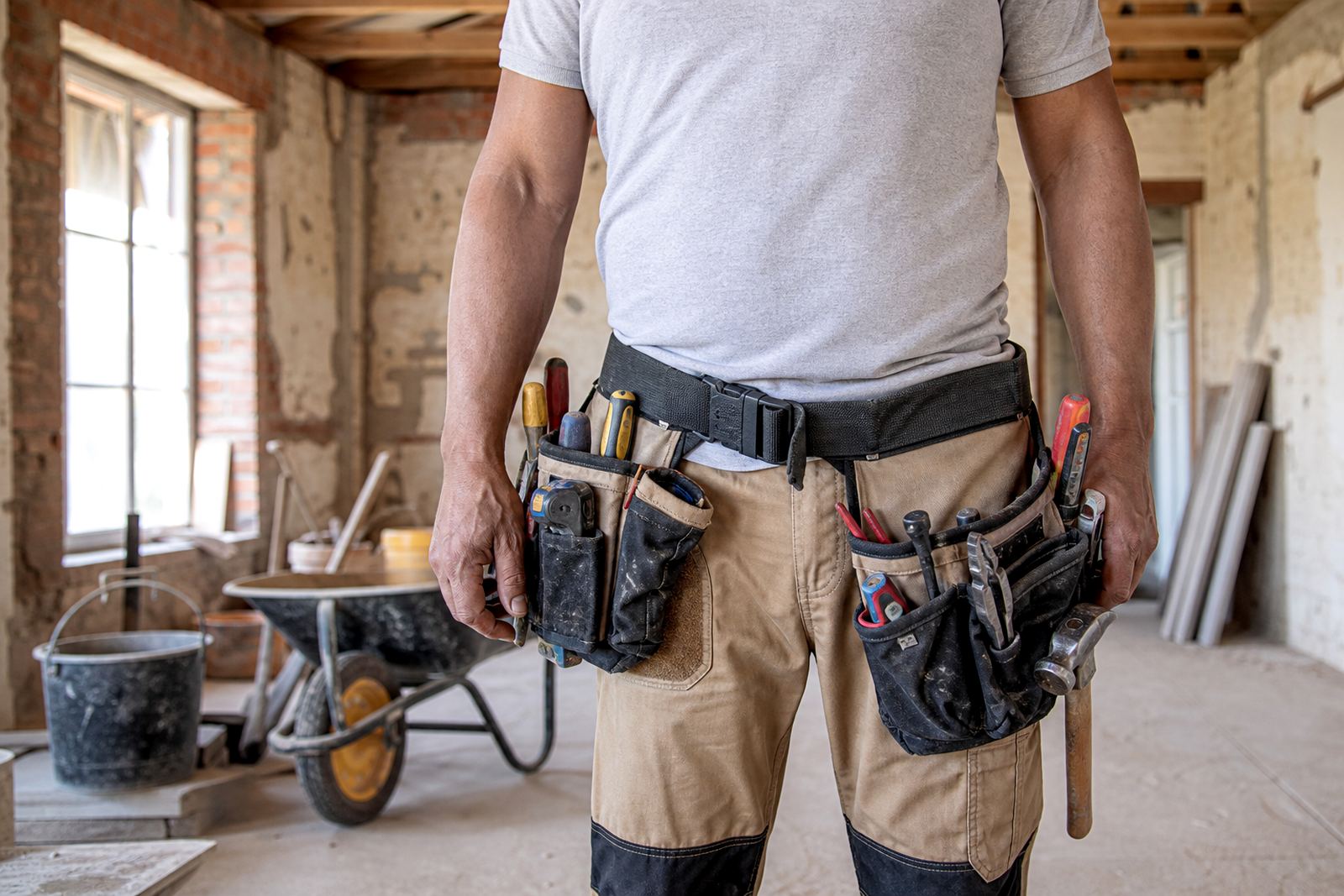
Builders and electricians do not carry the same kit, so the pouch layout should match the job. A builder supervisor often needs a tape measure, chalk, marker, utility knife and a small selection of nails, plugs or screws. An electrical supervisor may need side cutters, a screwdriver or two, a tester, cable ties and a few labels. In both cases, the pouch should let you reach for items one-handed.
On mixed sites, especially around Midrand and Centurion where multiple trades work side by side, a flexible setup helps. You may start the morning checking formwork and finish the afternoon on cable routing. A mixed trade kit with a simple layout saves time and reduces the need to keep returning to the vehicle. It also keeps your pocket free, which is useful when you are carrying plans, keys and a radio.
- Builder layout: tape, knife, marker, nails, screws, small level
- Electrician layout: screwdriver set, tester, cutters, cable ties, labels
- Mixed layout: one general pouch plus one slim clip-on pouch for notes
Why supervisors need better pocket organisation on busy sites
Most supervisors know the cost of losing ten minutes here and there. You look for a pencil, then a screw, then the roll of tape and suddenly a simple task has taken half an hour. A proper waist belt setup keeps the clutter off your hands and out of your pockets. That matters on sites where you are moving between teams, checking deliveries and handling client questions at the same time.
Good organisation also helps with stock control. When the same pouch layout is used every day, you notice quickly when something is missing or wearing out. That makes replacement planning easier for contractors with multiple sites in Gauteng or along the coast. It also helps teams keep standard carry habits, which is useful when different people step into the same role during leave or sick days.
- Standardise the items in each pouch so the layout feels familiar
- Keep high-use items in the same pockets every day
- Check for worn stitching, loose clips and stretched belt holes
- Replace small consumables before they run out on site
Local conditions can change the right choice
South African sites throw up plenty of practical issues. In Durban, coastal moisture can affect metal fasteners and make leather or fabric feel damp if gear is left in the bakkie overnight. In Cape Town, wind and dust can fill open pockets if the bag is not closed properly. In Polokwane, heat and dust mean your carry gear must stay light and easy to clean. Around Alberton and Johannesburg, the bigger concern is long site days, load-shedding and moving between areas fast.
That is why the material and layout of a waist bag should be chosen for the site, not just the job title. A supervisor working indoors most of the day may prefer a slimmer setup, while a site lead doing outside rounds needs tougher stitching and secure pockets. Small details count, like reinforced loops, easy-clean linings and pockets deep enough to hold tools without them slipping out.
Simple carry checks before the day starts
A supervisor bag should be checked the same way you check access cards or site notes before a shift. If the pouch is packed badly, the day starts with frustration. A quick morning check keeps things tidy and reduces the chance of leaving tools behind in a beam pocket or on top of a stack of blocks.
At Waistbags Pro, many orders for supervisors are put together as starter kit builds or mixed trade kits, depending on the team. Some sites need one simple setup for a foreman, others need a few matched pouches for a rollout across several crews. The right carry kit should be practical from day one and easy to replenish later, especially when stock must move between Alberton, Johannesburg, Pretoria and beyond.
- Check belt fit before leaving the yard
- Confirm the day’s note pad, markers and tape are in place
- Remove old offcuts and loose items every evening
- Match the pouch layout to the site plan for that week
A small setup that still looks professional on site
There is a difference between carrying tools and carrying clutter. A supervisor who walks onto site with a clean, organised pouch sends the right message to the team. It shows the job is being managed carefully and that the day will move in an orderly way. That does not mean carrying a heavy load, only the right few items in the right place.
For many supervisors, the best setup is a waist belt with one main pouch, one smaller utility pocket and enough room for notes and fixings. It keeps the hands free, the pockets clear and the pace steady. For site work in South Africa, where weather, distance and load-shedding all shape the day, that small bit of order can save real time.