
Why maintenance teams need a different pouch setup
Maintenance work is not the same as a full day on one build. A technician may move from a ceiling void to a pump room, then out to a loading bay or tenant unit in the same hour. That means the best pouch is one that carries the right everyday items without weighing the user down. For this kind of work, bigger is not better. A bulky setup can snag on ladders, door frames and plant room fittings, and it quickly becomes tiring when walking from one job to the next.
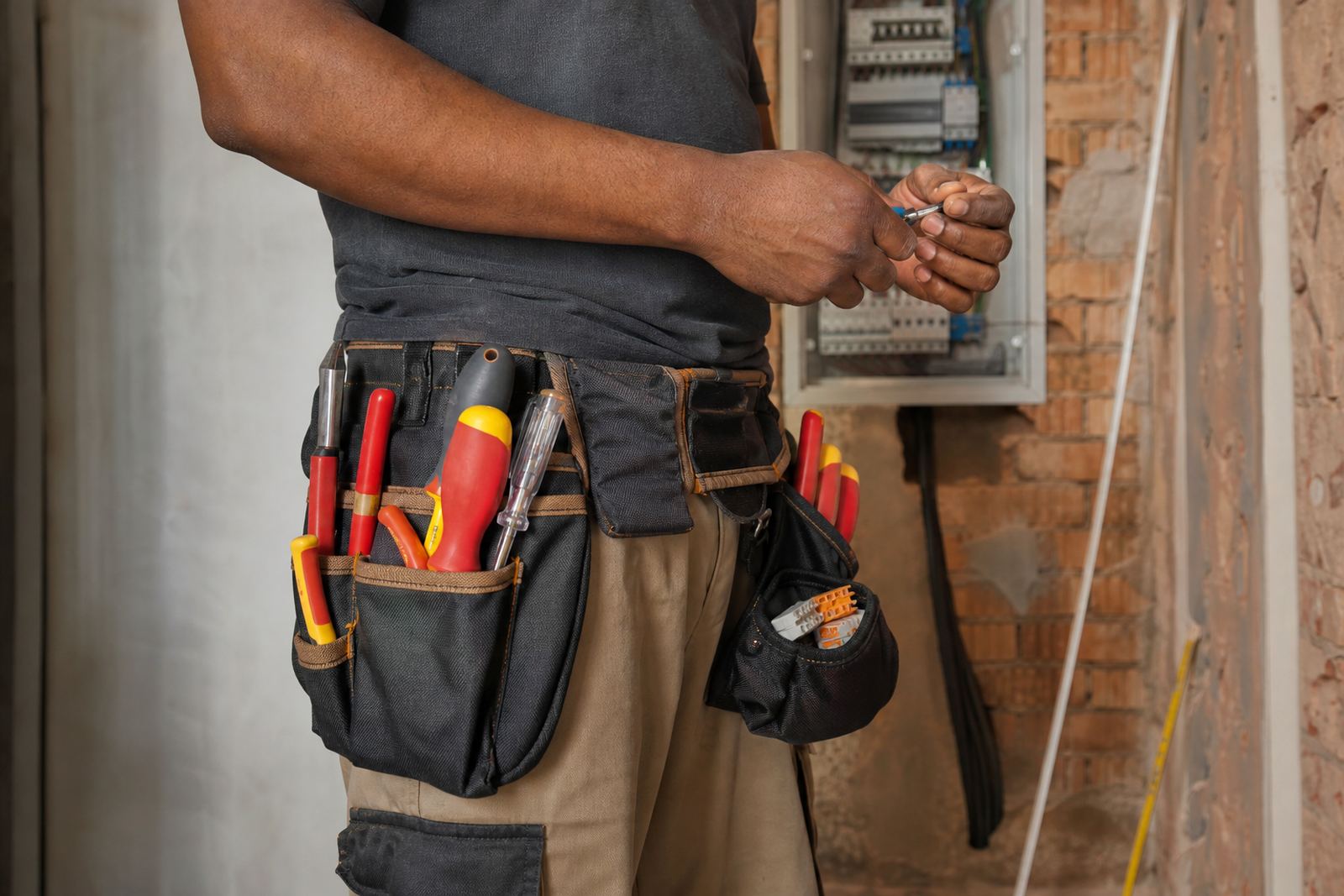
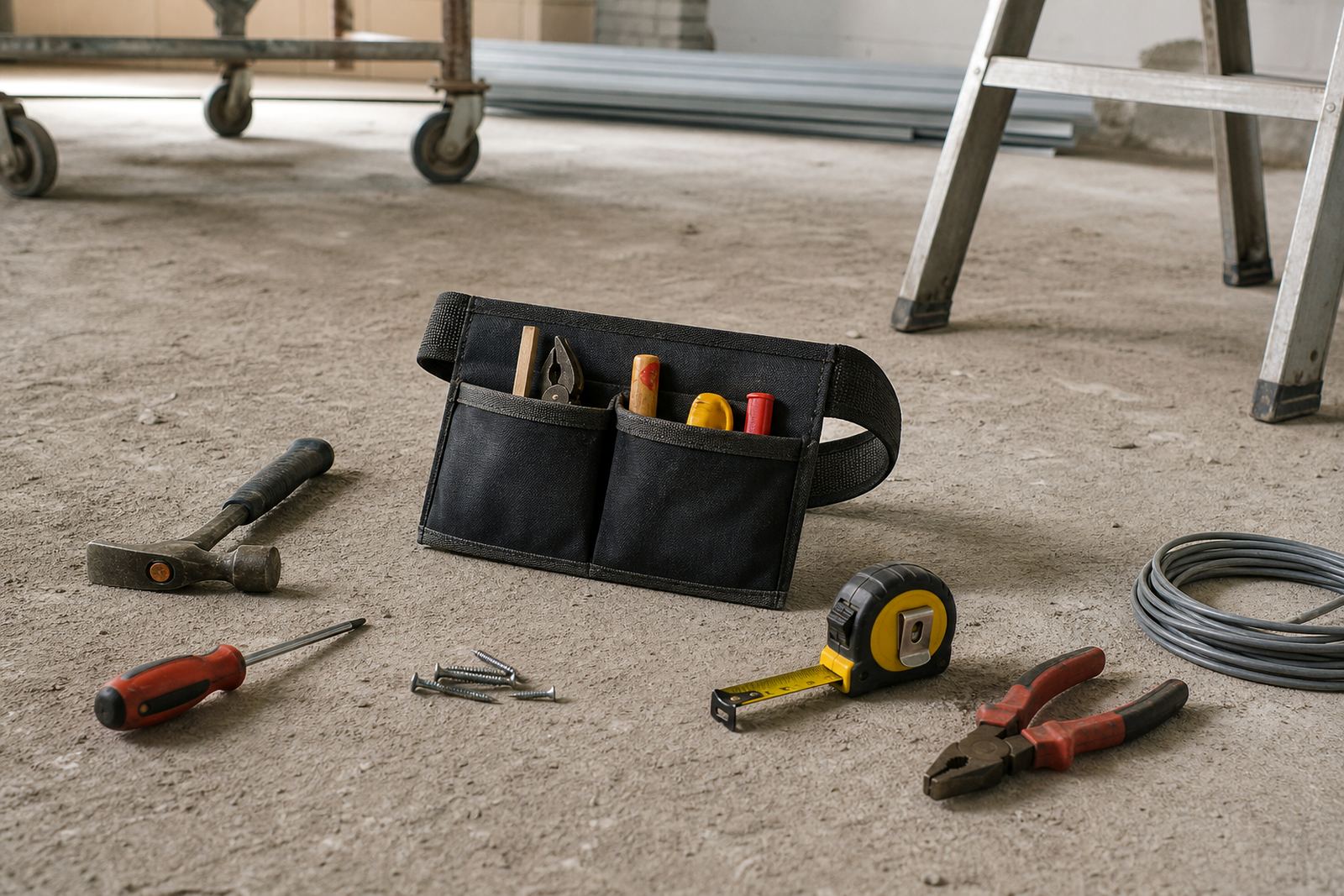
Compact everyday carry gear should support speed and access. It must hold the items used most often, like drivers, pliers, a tape, small fasteners and a pencil or marker. It should also sit properly at the waist so it does not twist when bending or climbing. In maintenance, the right pouch is part of the job, not an extra. When a team works in offices, estates, factories or body corporates, the focus is on clean movement and quick fault finding, not carrying every tool in the van.
What to look for in an everyday maintenance pouch
When choosing a pouch for maintenance work, start with the daily task list. A lighting tech will need a different layout to a handyman doing lock repairs or general building upkeep. The aim is to keep the most used tools in the easiest slots. Pouches with separate compartments help stop sharp items rubbing together, while reinforced stitching and strong belt loops help the pouch hold shape after repeated use. In Gauteng heat and coastal humidity further down the line, materials also need to dry well and keep their form.
- Enough slots for the main hand tools used every day
- A secure holder for fasteners so they do not spill out on site
- A belt that adjusts comfortably over workwear and rain gear
- Reinforced seams for regular use on ladders, platforms and in service rooms
- A layout that keeps sharp tools away from the body
- Light weight, so the pouch stays comfortable during long shifts
A good maintenance pouch should also be easy to clean. Dust, plaster, grease and drill swarf build up quickly on the job. If the material wipes down easily, the kit stays presentable and the team spends less time sorting through dirt and lost screws.
Sizing and comfort matter more than people think
A pouch that fits badly causes problems throughout the day. If the belt is too loose, it slips when the technician bends down. If it is too tight, it digs in and becomes uncomfortable after only a few hours. Belt size matching should be done with the actual work trousers or overalls that staff wear most often, not just by guesswork. That matters for teams working in Alberton, Johannesburg or Pretoria, where call-outs often mean a full day away from the depot and plenty of time on the move.
Comfort also affects safety. When the pouch sits properly, the worker can climb, kneel and reach without constant adjustment. This is especially useful for maintenance teams dealing with schools, commercial parks and sectional title buildings, where quick access and neat movement are expected. A pouch that hangs too low can catch on handrails or lift doors, and that slows the job right down.
For teams with mixed body sizes, it helps to test a few belt positions and pouch layouts before placing a bigger order. What works for one technician might not suit another. The right fit is practical, not cosmetic, and that makes all the differnce over a full shift.
The best pouch layout for common maintenance tasks
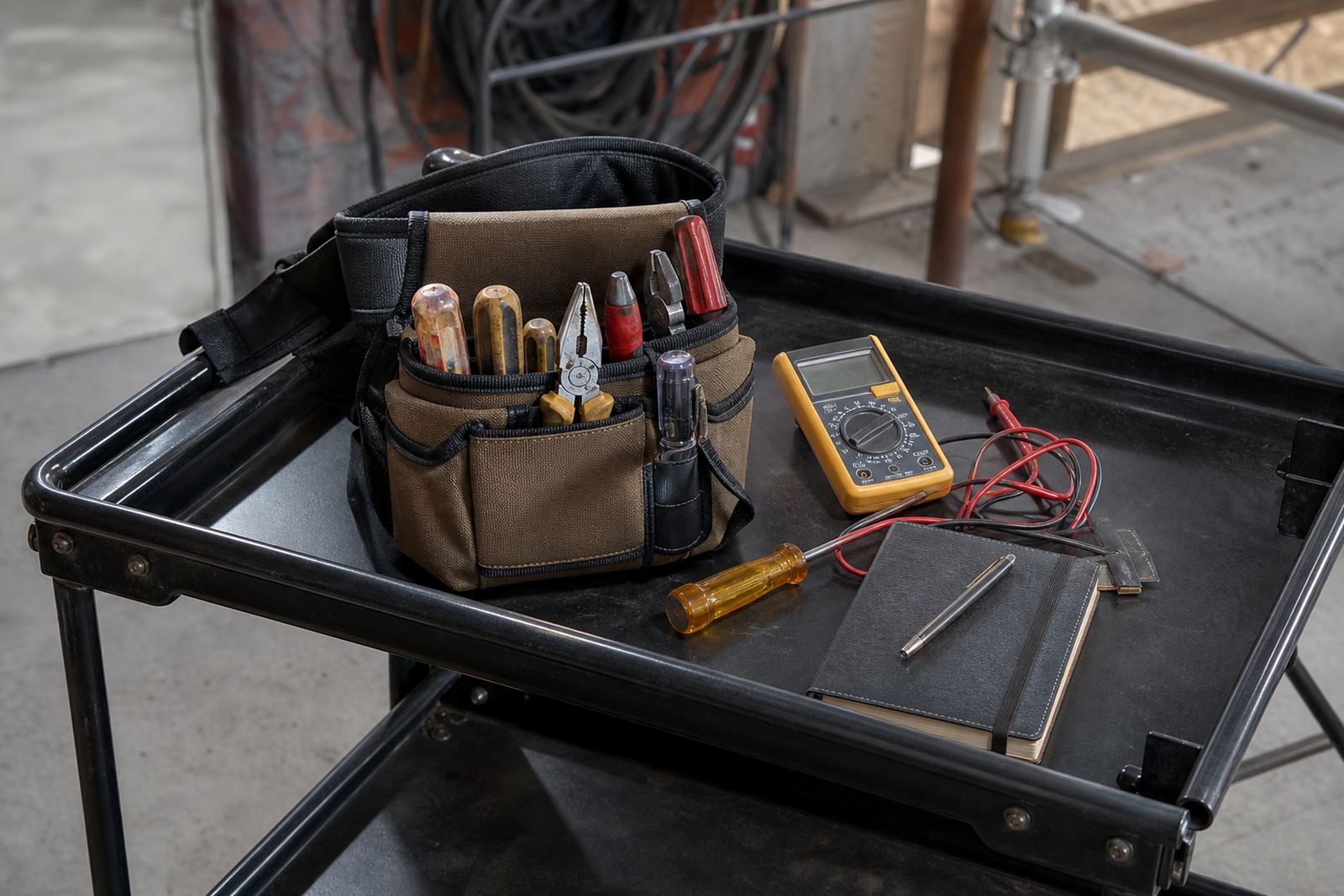
Maintenance teams usually need a simple arrangement rather than a packed tool carrier. The best layouts group items by use, so the worker can reach them without looking down too often. This saves time during fault finding and keeps the job moving when a call-out comes in after hours or during load-shedding. A sensible layout also makes it easier to hand the pouch from one technician to another on a shared site.
- Front slots for screwdrivers, a marker and a utility knife
- Side pockets for pliers, a small torch and a compact tape
- A deeper section for screws, plugs, terminals or clips
- A closed pocket for paperwork, site notes or keys
- A loop or clip point for a belt tool that must stay secure
For electrical maintenance, extra care should be taken with insulation and separation of tools. For general building maintenance, the pouch can be arranged around fixings, hand tools and small consumables. The main rule is simple: keep the most used items near the front and the less used items lower down or off to the side.
Local maintenance work needs practical gear that can move between sites
In South Africa, maintenance teams often cover mixed environments in one route. A morning may start at a retail centre in Midrand, then move to a warehouse in Centurion and finish with a residential complex in Alberton. That kind of schedule needs gear that is easy to carry in the vehicle, quick to put on, and suitable for different site rules. Some properties require neat appearance, others require low-noise work and careful access control, so the pouch should keep tools tidy and ready.
Delivery planning also matters when teams are spread across branches in Johannesburg, Pretoria, Durban, Cape Town and Polokwane. Stock replenishment plans help keep a steady supply of common pouches and belts, especially for contractors who run multiple crews. If one team uses a starter kit build and another needs mixed trade kits, the pouch layout should still support the same everyday habits. That makes handovers easier and reduces the risk of missing tools.
For building managers and maintenance supervisors, the real value is consistency. When every tech knows where the items sit, supervision becomes easier and the site runs better.
How to build a maintenance pouch set that lasts
A maintenance pouch should be part of a complete carry system, not a single purchase on its own. Start with the main pouch, then add a utility waist belt that holds it firmly without slipping. If the team does a mix of electrical and general upkeep, it may be worth splitting configurations by task instead of forcing one layout for everyone. That approach keeps the gear focused and avoids overloading the belt.
It also helps to review the kit after a few weeks in use. Teams quickly find out which pockets are too small, which items get used most often and which tools are better kept in a van organiser. By watching real use on site, managers can fine-tune pouch layouts and avoid waste. In practice, that means fewer lost fasteners, fewer unnecessary trips back to the vehicle and better productivity across the day.
For maintenance teams, the best pouches are the ones that stay out of the way until needed, then give fast access without fuss. They should be practical, durable and comfortable enough for daily wear, because that is what the work demands.