Why Tool Search Time Costs More Than You Think
On a busy site, a few seconds spent hunting for a screwdriver, pencil or nail set can add up quickly. Multiply that by a full day, a full crew and a tight programme, and you start losing real time. The issue is not only speed. Every extra reach, bend or turn interrupts the rhythm of the task and increases the chance of dropping fasteners or forgetting a step.
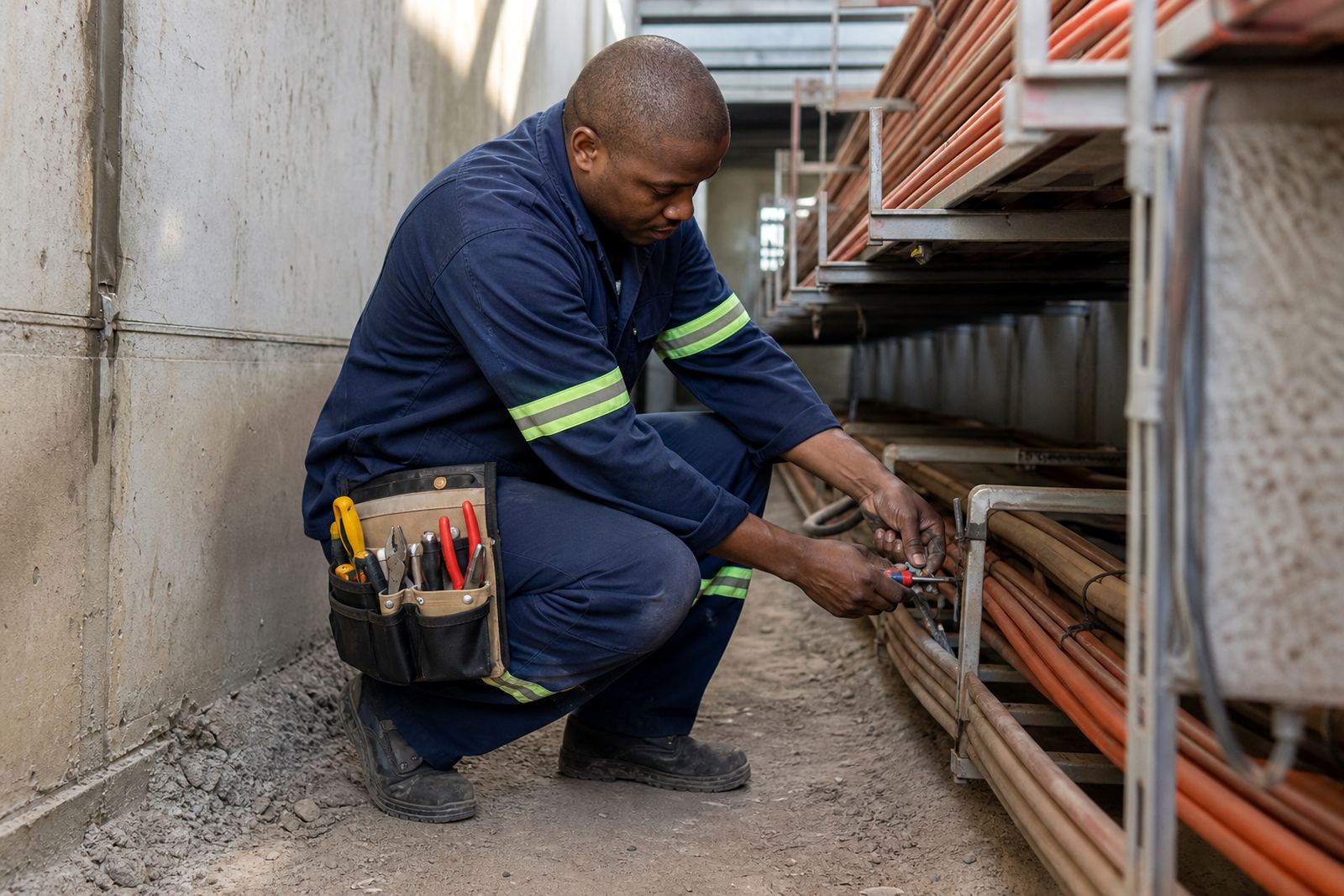
For tradespeople in Alberton, Johannesburg, Pretoria and beyond, the working day often includes changing locations, climbing ladders, working in confined spaces and dealing with load-shedding delays that already disrupt the schedule. A pouch that keeps the right tools close at hand helps reduce that friction. It also helps when you are on a rooftop in Durban humidity or in Cape Town wind where you do not want to keep opening a large bag just to find one item.
The point is simple: good pocket placement does not just carry tools, it supports the order of the work. That is what reduces wasted motion.
Place High-Use Tools Where Your Hand Goes First
The most used tools should be the easiest to reach. If your hand has to travel across the body or dig past other items, that layout is working against you. A better arrangement starts with identifying the tools you use every hour, then giving them a fixed place in the pouch or belt.
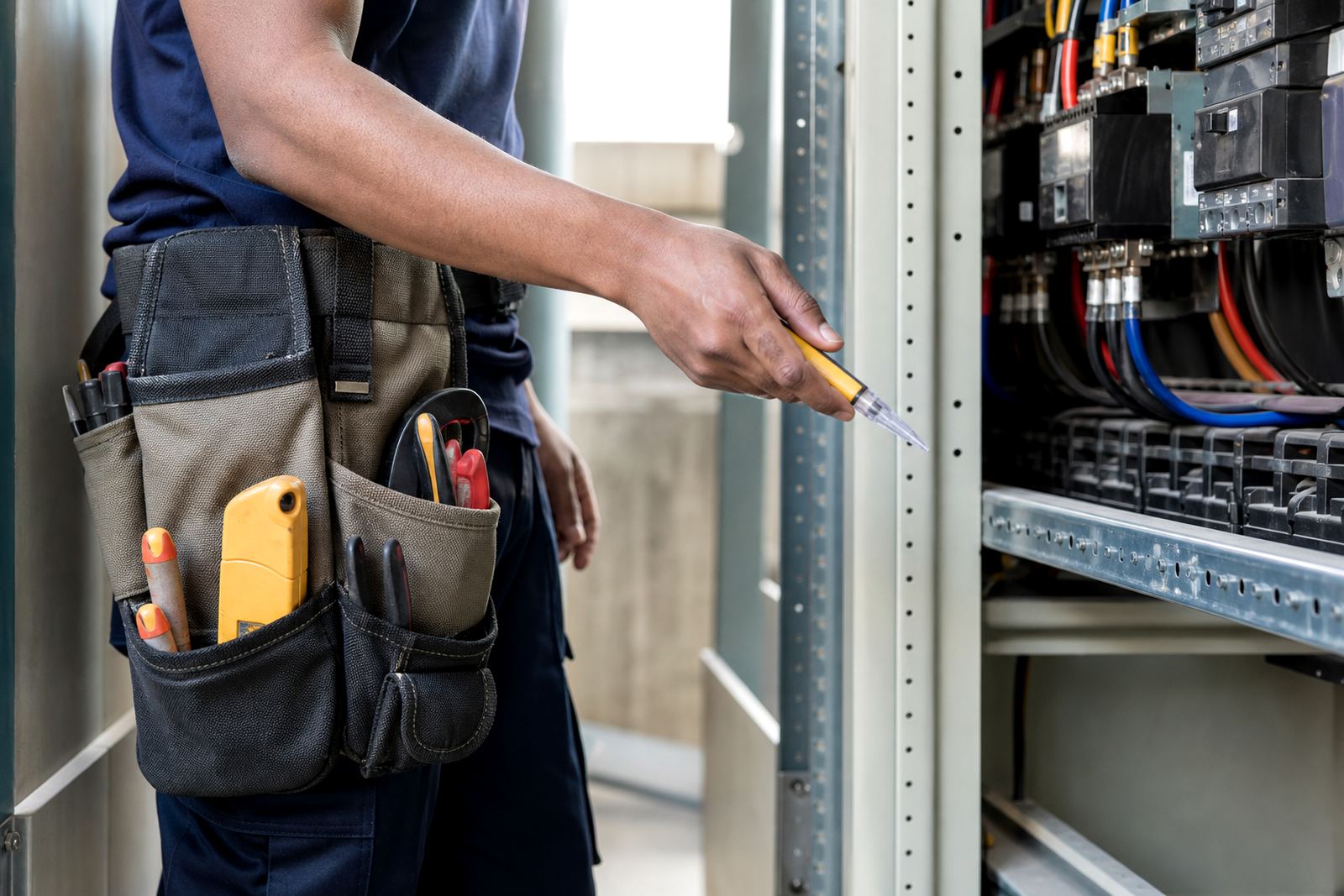
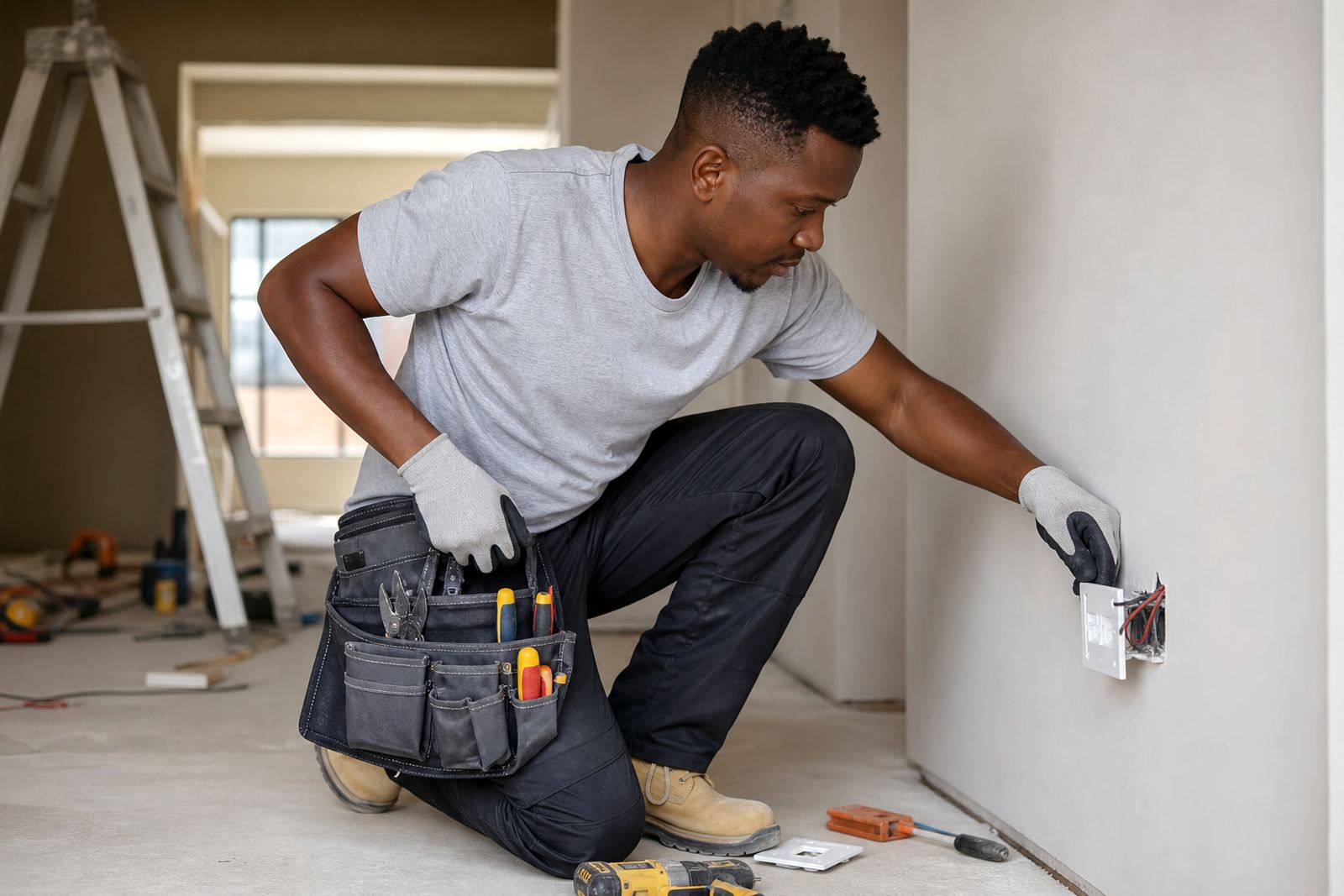
For electricians, that may mean insulated screwdrivers, pliers, side cutters, a tester and a marker arranged by frequency of use. For builders, it may mean tape measure, pencil, nail punch, utility knife and a small selection of fixings. The order matters as much as the pocket size. If the tool is used often, it should sit in the front or upper section where it is easy to grab and return.
- Keep the most used items on your dominant-hand side.
- Group matching tools together so you do not sort through mixed pockets.
- Leave one pocket free for temporary items like small parts or cut-offs.
- Return each tool to the same spot after use to build muscle memory.
That last point sounds basic but it makes a big difference on crowded sites. Once the layout becomes familiar, your hand moves before you even think about it.
Match the Pouch to the Trade Task
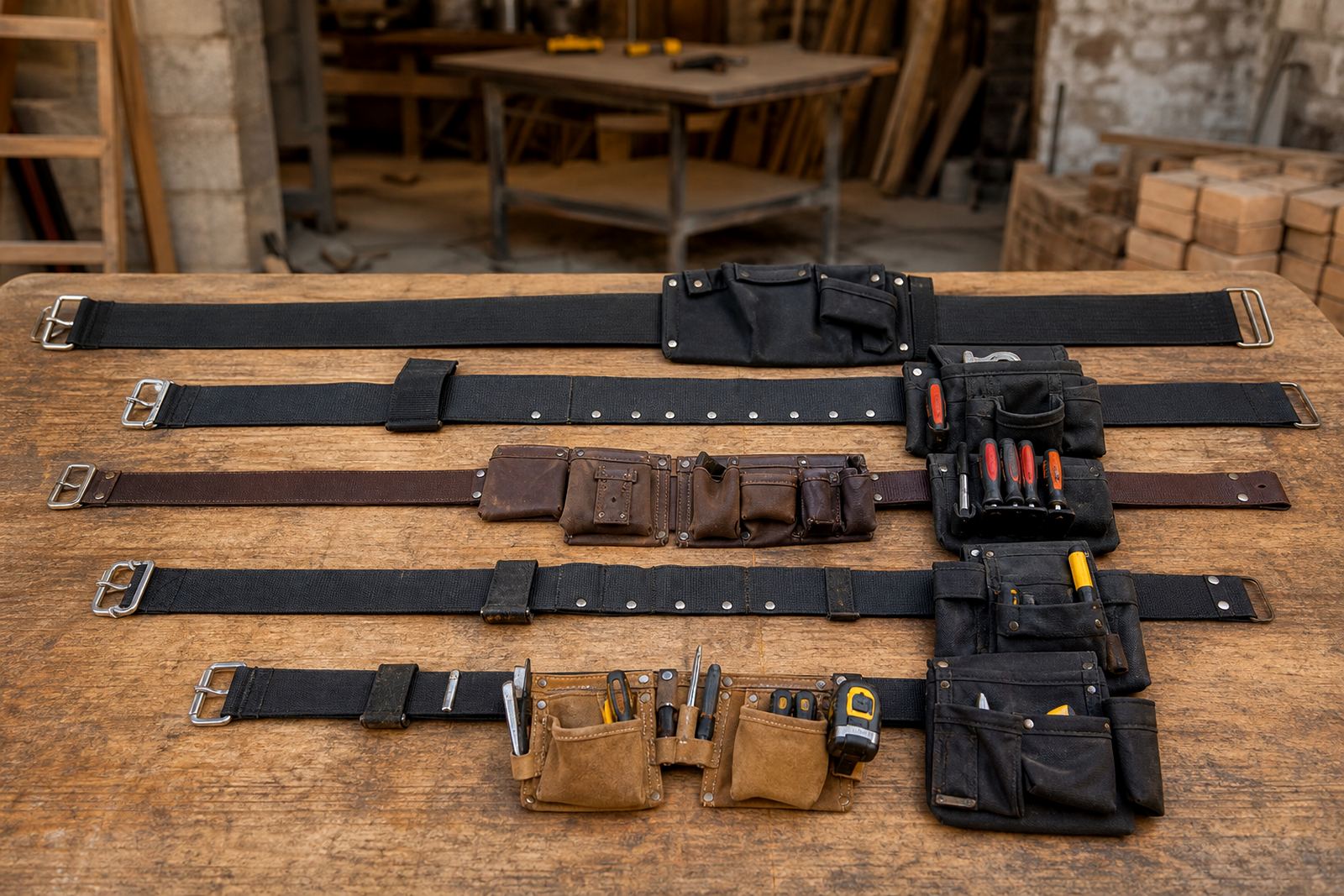
Not every job needs the same layout. A fixed pocket setup that works for first fix electrical work may slow you down on general building tasks. That is why pouch layout planning matters. The right arrangement depends on what you are carrying, how much climbing or kneeling is involved and whether you need both hands free often.
For electricians, slimmer pouches with secure tool slots often work better because they reduce bulk when moving through ceiling spaces or switchboards. For builders, a broader nail bag with stronger pouch mouths can help with fast access to fixings, tape and marking tools. Utility waist belts also help spread weight more evenly, which is useful on longer shifts or when you are carrying heavier items over several hours.
If the pouch is too deep, small items disappear. If it is too shallow, tools can fall out while bending or stepping into a trench. In practice, the best setup is the one that keeps tools visible, stable and easy to return after use.
- Choose deeper slots for long tools and shallower pockets for small parts.
- Use separate compartments for sharp items to avoid damage and cuts.
- Test the fit while kneeling, climbing and reaching overhead.
- Adjust the belt so the load sits comfortably without shifting.
A layout that suits the task can save more time than a bigger pouch ever will.
Build a Set-Up That Works With South African Site Conditions
Local conditions affect how a pouch performs. Coastal humidity can make some materials feel damp during the day, while inland dust and heat can work grit into seams and fastenings. On sites around Alberton and Midrand, rough movement in and out of vehicles is common, so the carry system needs to hold shape and stay comfortable. If the belt slips or the pouch tilts, you lose access and start readjusting instead of working.
Electricians and builders also face project rules that vary by site. Some sites require neat presentation, certain access controls or tidier storage at the end of shift. A well-organised waist setup helps keep loose items in place and reduces the chance of leaving fixings scattered around. That matters when working under contractor supervision or moving between multiple units on a development.
Comfort is not a luxury. A belt that digs into the waist or a pouch that swings when you walk will slow you down by the third or fourth hour. The right size match makes it easier to stay focused, especially on long days when you are already dealing with delays from municipal supply issues or standby power arrangements.
Use Starter Kits and Mixed Trade Kits to Standardise the Layout
For teams, one of the quickest ways to reduce tool search time is to standardise the carry system across the crew. When each person uses a similar layout, training becomes easier and handover between jobs is smoother. You also avoid the common problem of one worker carrying everything in a way that only makes sense to them.
Starter kit builds and mixed trade kits are useful for this. A standard kit can set out where the main tools should sit, then leave room for job specific additions. That approach works well for contractors running multiple sites in Johannesburg, Pretoria, Durban, Cape Town and Polokwane, where teams may switch from small repairs to larger rollout work during the same week.
- Set a common pouch layout for all new starters.
- Keep site specific items separate from general tools.
- Use stock replenishment plans so missing items are replaced before Monday starts.
- Review the setup after each project phase and remove unused items.
When the whole team works from the same basic system, there is less confusion and fewer interruptions asking where a tool has been stored.
A Local Example From a Fast Moving Jobsite
Consider a small contractor working on a commercial fit-out in Pretoria while managing electricians and builders on the same floor. The team is moving between cable runs, framing work and fixings. If each worker keeps tools in random pockets, the day becomes a cycle of stopping, searching and asking for help. By contrast, a planned pouch layout means the electrician reaches for pliers in one motion while the builder finds the right nail set without opening a larger bag.
That difference shows up in the schedule. Tasks finish more cleanly, the crew spends less time regrouping and the site feels calmer. It also helps with delivery planning, because replacement stock can be ordered around the actual layout rather than guessed after the fact. For many sites, that means fewer last minute runs to top up missing items and less pressure when the load-shedding window or access time changes unexpectedly.
Reducing tool search time is not about carrying more. It is about carrying smarter. The right waist belt, the right pockets and the right order turn small repeated motions into a better working day.