Why tester placement matters on South African sites
On a busy build in Alberton or a plant shutdown in Durban, a tester that is hard to reach slows everything down. You lose time hunting through pockets, and that can become a real problem when a foreman wants a quick check before a cable is energised. A good waist belt or tool pouch should let you reach for the tester without shifting your whole loadout.
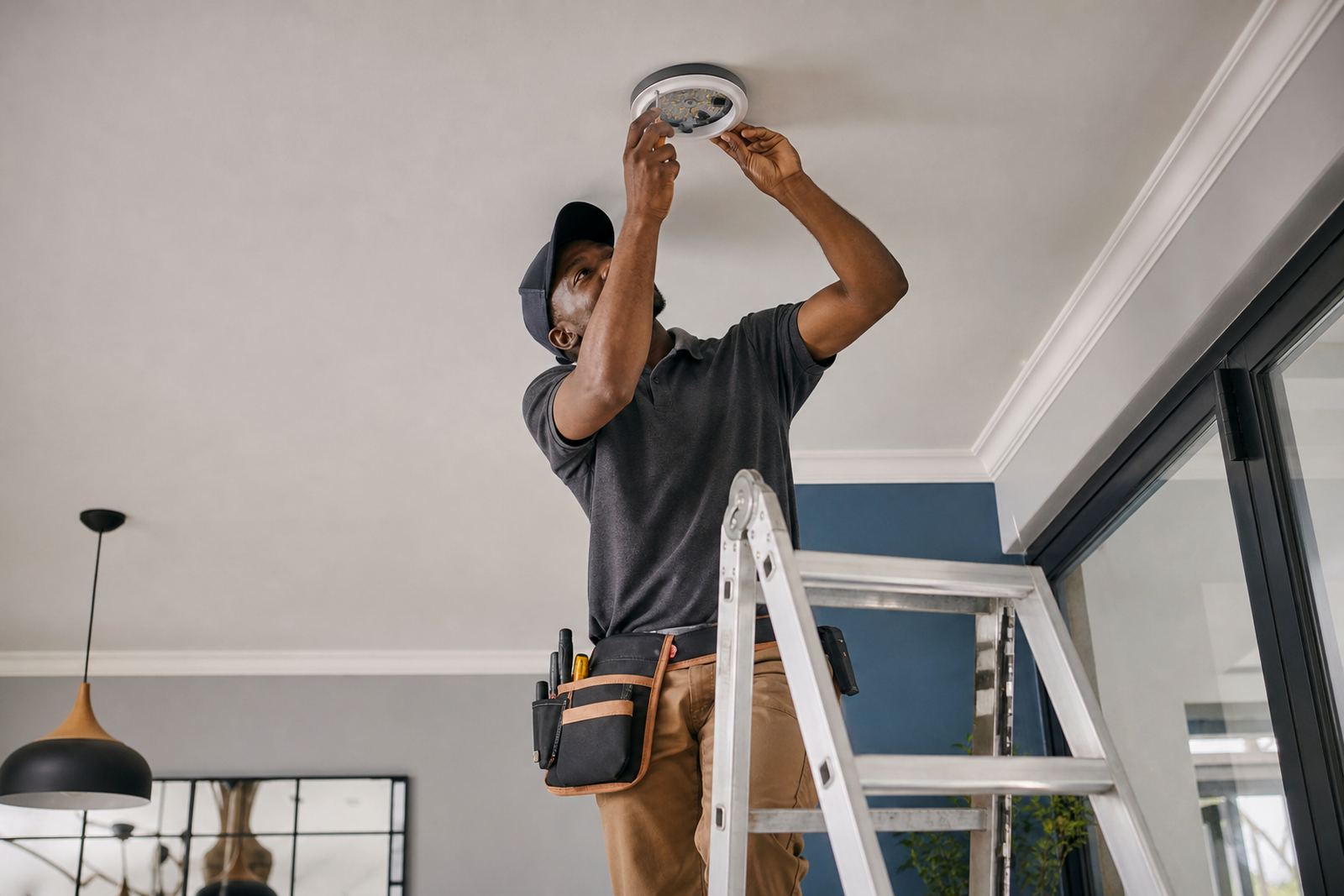
Placement also affects safety. A metre with exposed leads or sharp probes should not sit loose beside screws, pliers or wire offcuts. It needs a set place where it stays upright and is less likely to fall out when you climb ladders, crouch at a DB board or move through tight ceiling spaces. That matters whether you are wiring a townhouse in Pretoria or doing maintenance in a warehouse in Midrand.
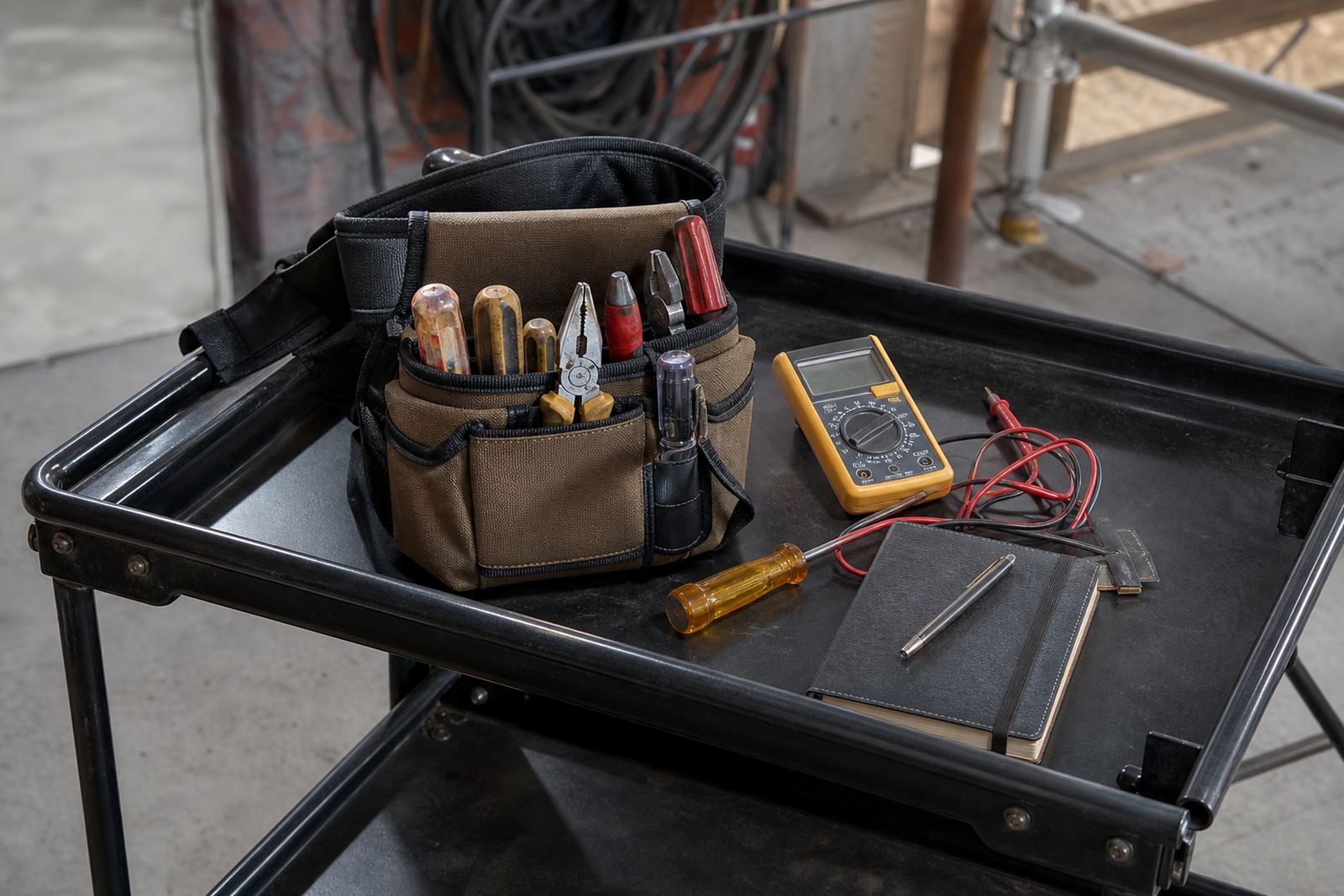
Electricians often carry more than one testing item. A small voltage tester, a multimeter and spare leads all need different handling. If they are mixed into one open pocket, they rub against each other and can get damaged. If the pouch layout is planned properly, each item has a home and you can find it by feel, even when load-shedding cuts the light and you are working by torch.
Keep the most-used tester in your front line
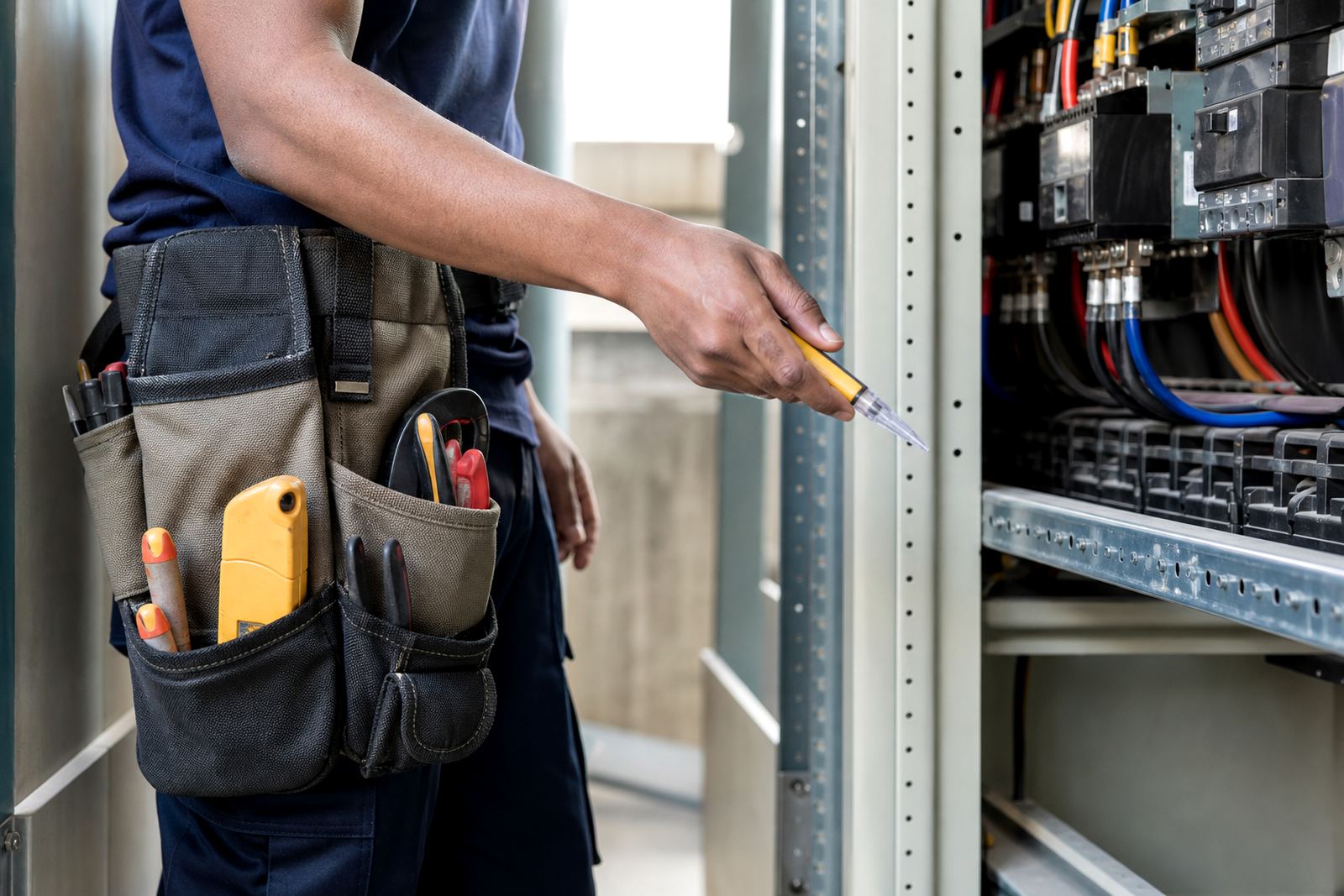
The item you use most should sit in the easiest reach, usually on the front or slightly forward on the dominant side. For many electricians that is the voltage tester or compact metre. The aim is simple, one smooth movement and you have it in your hand. If you have to twist your body or lift your whole arm over a bulky pouch, the placement is too deep.
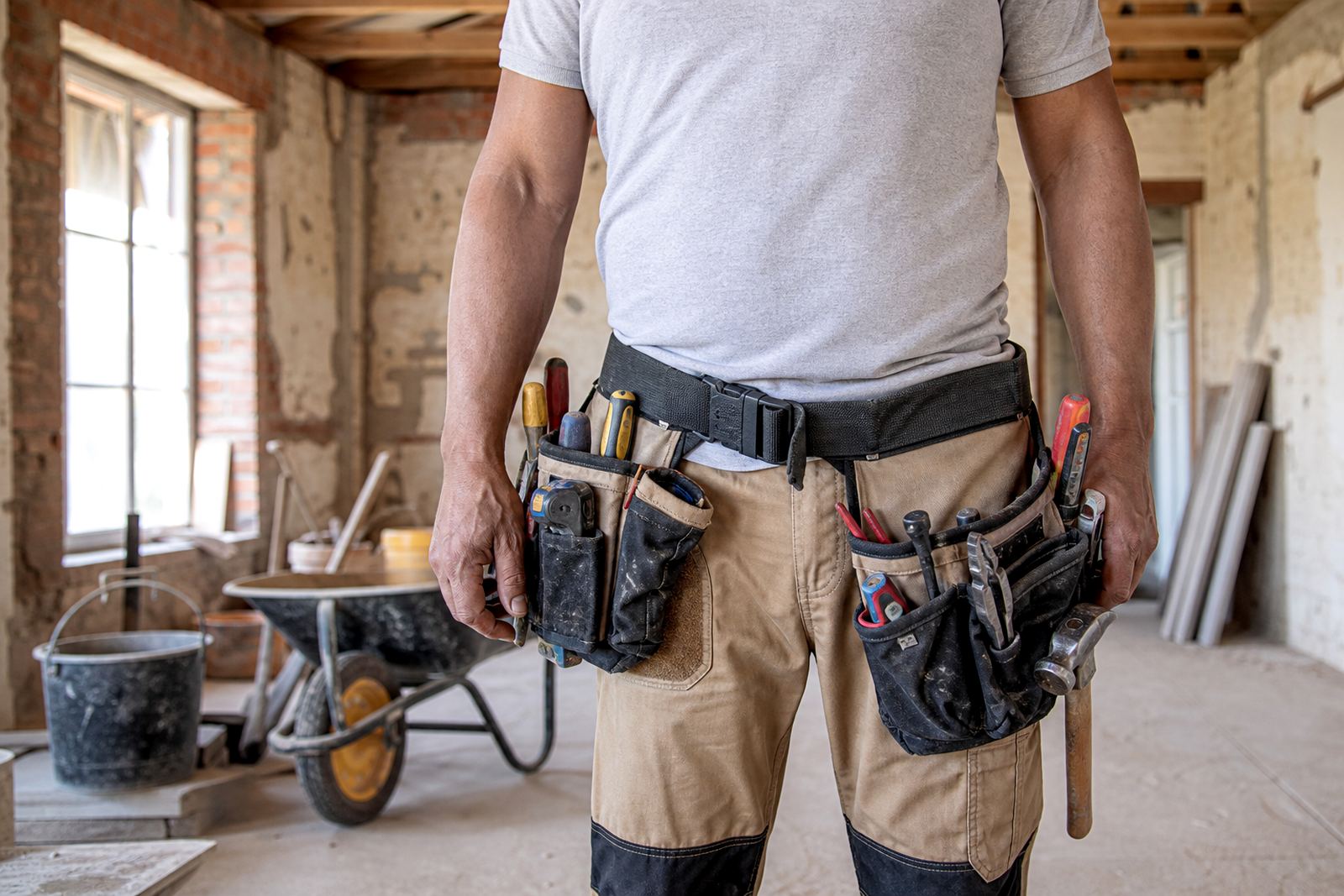
When setting up a belt, start with the tools you touch most often during a normal day. That usually means the tester, then screwdrivers, side cutters and a small tape measure. Less used items can move to secondary pockets. This keeps your body from being overloaded on one side and helps you work longer without a sore hip or lower back.
- Front pocket for the main tester or metre
- Side slot for a pen light or small torch
- Separate sleeve for leads so they do not tangle
- Shallow pocket for spare batteries or fuses
If you are doing fault finding on different floors, keep the same placement every day. Muscle memory saves time. After a week or two, your hand goes straight to the right pocket and you stop checking each pouch one by one.
Separate live test gear from sharp hand tools
Test gear should not share space with cutters, chisels or long screws. Sharp items can scratch screens, damage lead insulation or clip a probe tip. A proper arrangement creates a clean boundary between measurement tools and fixing tools. That is especially useful when you are working on site in humid coastal conditions around Durban or Cape Town, where moisture can already be a problem for sensitive equipment.
Use a pouch with at least one closed compartment for the tester itself. If the tester has a display, keep it facing inward or protected by a flap where possible. Leads should sit in a looped pocket or narrow divider so they do not knot up with tape, pencils and terminal screws. This saves time and keeps the kit tidy when you are moving between a store room, a roof space and a switchboard room.
For teams handling mixed trade work, colour or pocket separation can help. One section can hold test equipment, another can take fixing tools and a third can carry fasteners. The point is not to pack everything tightly, but to give each item enough space to stay intact and easy to see.
Choose pouch depth that matches the tester you carry
Not every tester suits the same pocket. A slim two-pole tester needs less depth than a full multimeter with thicker leads. If the pocket is too deep, the tool disappears and takes too long to remove. If it is too shallow, it may slip out when you bend over or climb a ladder.
Before choosing a pouch, measure the tester and its case if you use one. Check the length, width and lead thickness. Then match that to a pocket that holds it snugly without forcing it in. For electricians in Johannesburg supply areas or on projects in Polokwane, this matters on days when you move from one site to another and need the same kit to work across different tasks.
- Slim testers work well in vertical sleeves
- Mid-size metres need a pocket with a firmer base
- Leads are easier to keep safe in a divider or roll-up section
- Heavier tools should sit lower to keep the belt balanced
If the tester sits too high, it can knock your elbow when you walk. If it sits too low, it drags on the belt. The best fit is the one you barely notice until you need it.
Plan for site conditions, not just the tool list
A good placement plan changes with the job. On a new build, you may need fast access to a tester all day. On a maintenance call, you may only need it for short checks. In dusty conditions, a pouch with a closing flap helps keep grit out of the display and lead sockets. On rainy days or in sea air, a dry inner pocket is worth having so the tester is not left exposed.
Electricians working under load-shedding pressure often move between lit and unlit areas. In that situation, a tester should be placed where you can reach it with one hand while the other hand carries a torch or steadies you on a ladder. If the tester is packed too far back, you end up fumbling in the dark, which is the last thing you want on a live site.
Also think about municipal and contractor rules. Some sites require specific test equipment checks before work starts. If your tester is always in the same place, it is easier to inspect, sign off and put back without delay. That kind of routine helps when supervisors want quick proof that your kit is ready before the shift starts.
A Pretoria retrofit example that shows the difference
On a school upgrade in Pretoria, a small electrical team was doing lighting changes, socket replacements and fault checks across several blocks. At first each worker kept the tester wherever there was space, which meant one man had his metre in a side pocket, another in the rear section and a third in a separate bag. The result was slow movement between rooms and regular stops to check who had the right tool.
They switched to a clearer pouch layout. The main tester sat in a front sleeve, the leads went into a narrow divider and small spares moved to a top pocket. After that change the team spent less time searching and more time on the actual job. It also made handover easier at break times because everyone could see what belonged where.
That is the practical side of placement. It is not about carrying more, it is about carrying smarter. When a tester has one fixed spot, the whole workday feels more organised and the belt is less likely to become cluttered by midday.
Build a repeatable setup for every crew member
For contractors managing several electricians, the best results come from a standard setup that can be repeated across the team. If every worker uses a similar pouch layout, stock checks become simpler and new staff settle in faster. It also helps with starter kit builds and mixed trade kits, because the testing section can be matched to the size and type of work each person does.
A repeatable setup might include one front tester pocket, one lead section, one small spare compartment and one protected slot for a pen torch. That gives enough structure without making the belt stiff or overfilled. The goal is comfort, quick access and a clear routine that holds up from Alberton to Cape Town.
- Keep the same tester in the same pocket every day
- Reset the pouch at the end of each shift
- Check zips, stitching and pocket stretch weekly
- Replace loose or worn holders before they fail on site
When testers stay accessible, the rest of the job runs smoother. That is the value of a well planned waist belt and pouch set, especially when the day includes more than one site and the clock is tight.