Why belt width matters on a real job site
Belt width is not only a sizing detail, it changes the way weight spreads across the body. A narrow belt can feel lighter at first, but once you load it with pliers, tape, fasteners and testers, pressure starts to sit on a smaller area. That is when the belt shifts, digs in, or rides up while you are climbing ladders, crouching, or leaning into a trench.
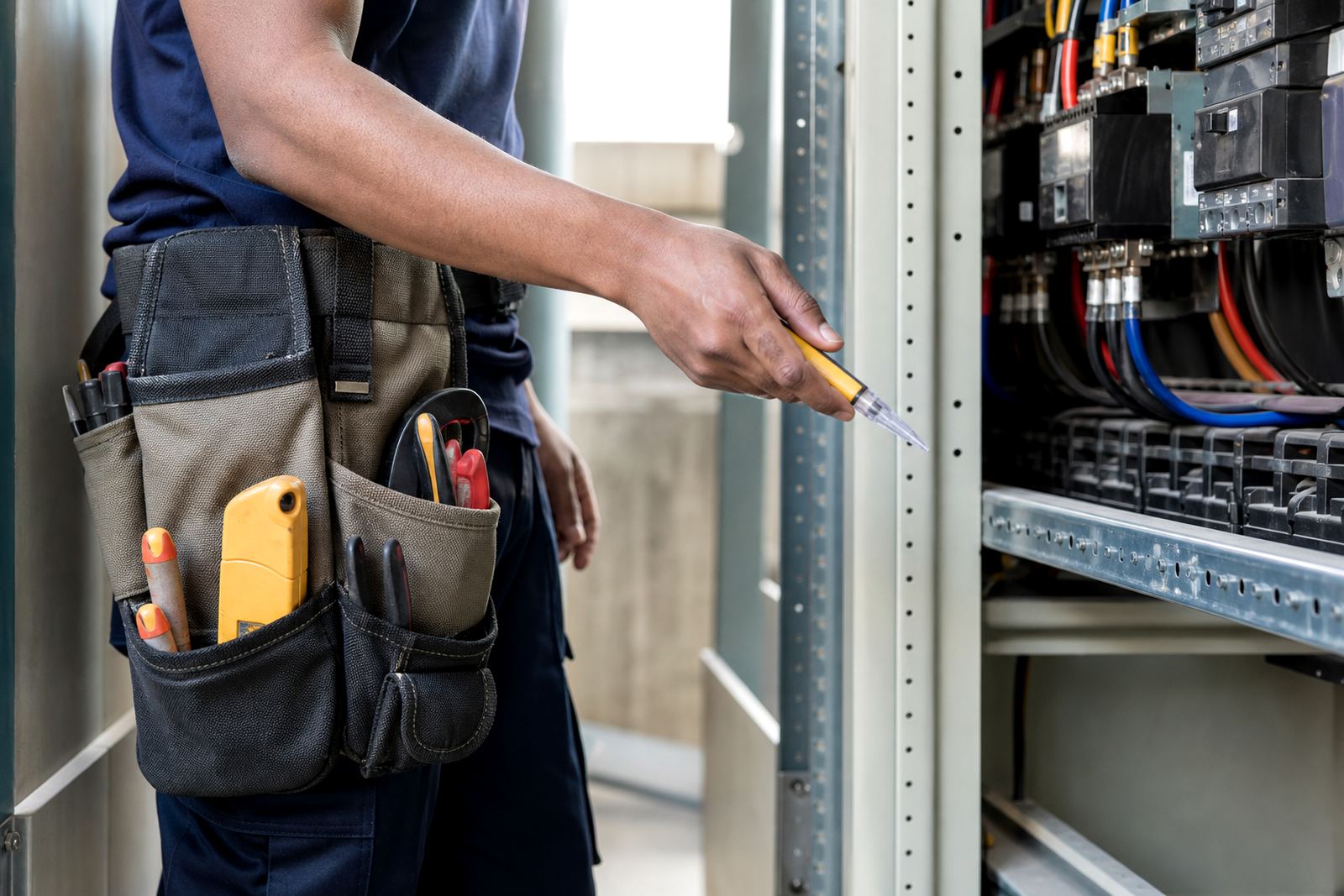
On a busy site in Alberton or Midrand, a good width helps you move between tasks without stopping to keep adjusting your gear. Electricians often carry smaller but denser tools, while builders may carry bulkier fixings and nail bags. The belt has to support that load without pulling your lower back out of line.
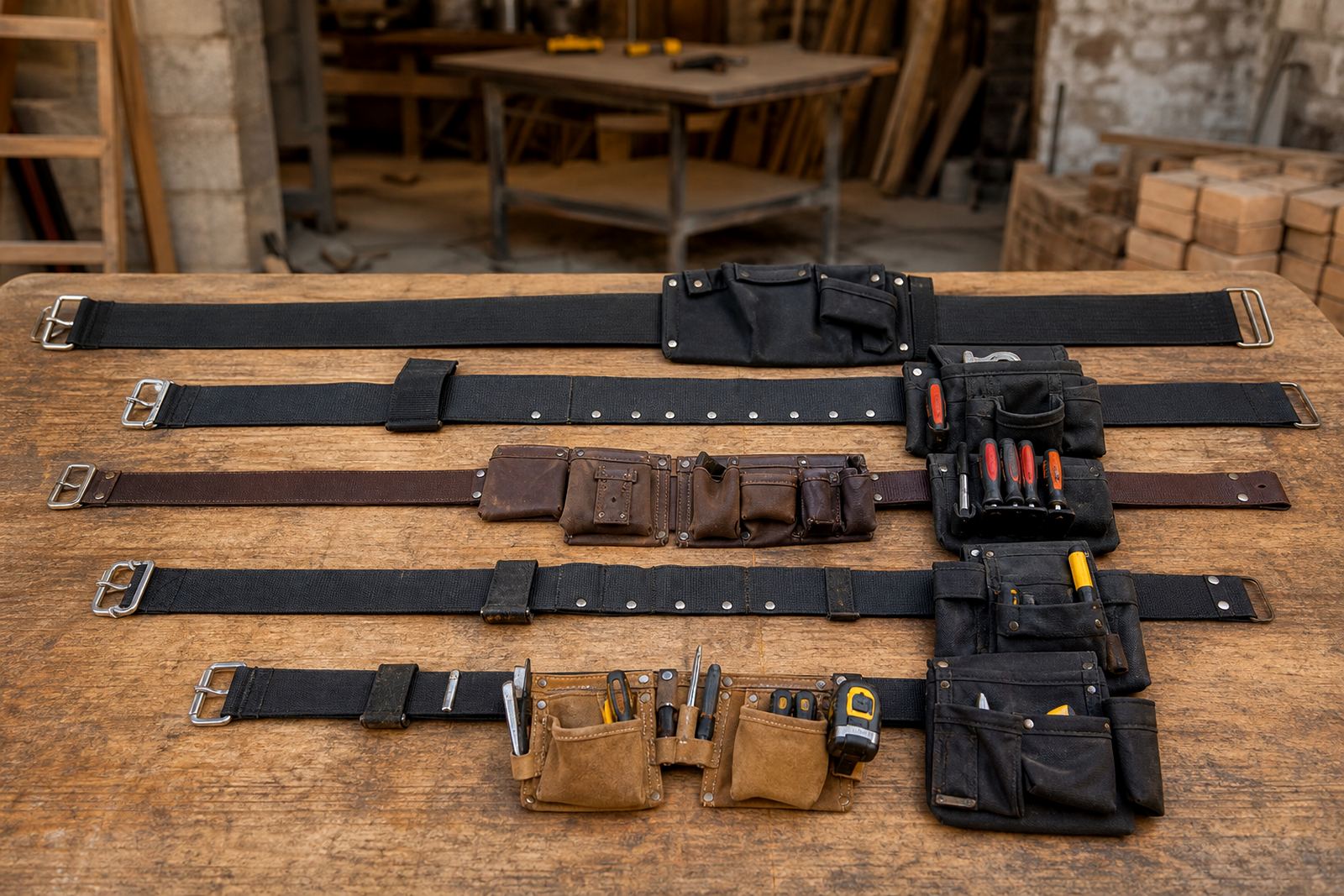
Narrow, medium or wide: what each belt width does
There is no single correct width for every trade. The best choice depends on what you carry, how often you bend, and whether you want more support or more freedom around the waist. A narrower belt can suit lighter kits and quick access work. A wider belt usually gives a steadier feel when the pouch is full.
- Narrow belts: better for lighter loads, smaller pouches, and jobs where you need less bulk around the hips.
- Medium belts: a common middle ground for general building and electrical work, with enough support for daily use.
- Wide belts: useful for heavier loads and longer shifts, especially when you carry fasteners, hand tools and accessories together.
If you are unsure, think about the busiest part of your day, not the lightest. A belt that feels fine at first can become uncomfortable once the pouch is full and the shift runs past lunch.
How support and comfort change over a full shift
Support is not about making the belt stiff for the sake of it. It is about helping the belt sit flat so the load does not twist or sag. A better width can improve balance, which means less tugging at the waist and less pressure on the hips. That matters when you are wearing the kit from first call to the last clean-up.
In hot weather, comfort is also about airflow and how the belt sits over work clothes. Along the coast in Durban humidity makes any heavy kit feel worse, while in Pretoria the dry heat can still leave you tired if your belt keeps sliding. A belt that fits correctly and spreads weight properly can make a long day feel more manageable, even when load-shedding delays the job and you end up working later than planned.
Match belt width to the tools you carry
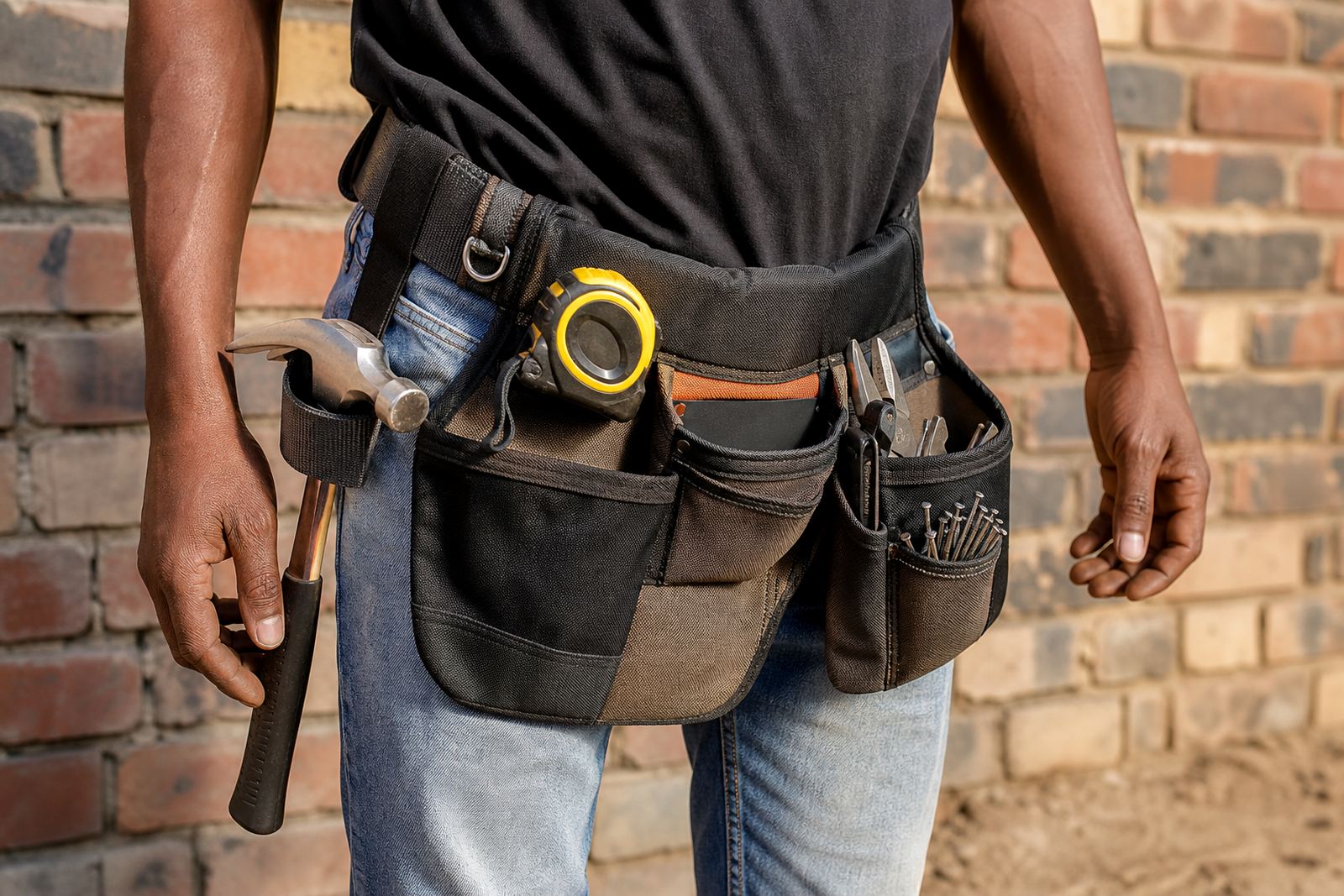
The smartest choice starts with the kit itself. If your pouch holds only a few daily hand tools, a bulky belt may feel unnecessary. If you carry nail bags, fixings, testers, a tape measure and marking gear, a stronger belt with more surface area can help keep everything stable. The same applies when the pouch layout is packed on one side and empty on the other, because uneven loading can pull the belt out of line.
- Light electrical carry: slimmer kit, smaller pouch set, less need for extra width.
- Mixed trade carry: medium width works well for changing tasks and shared site duties.
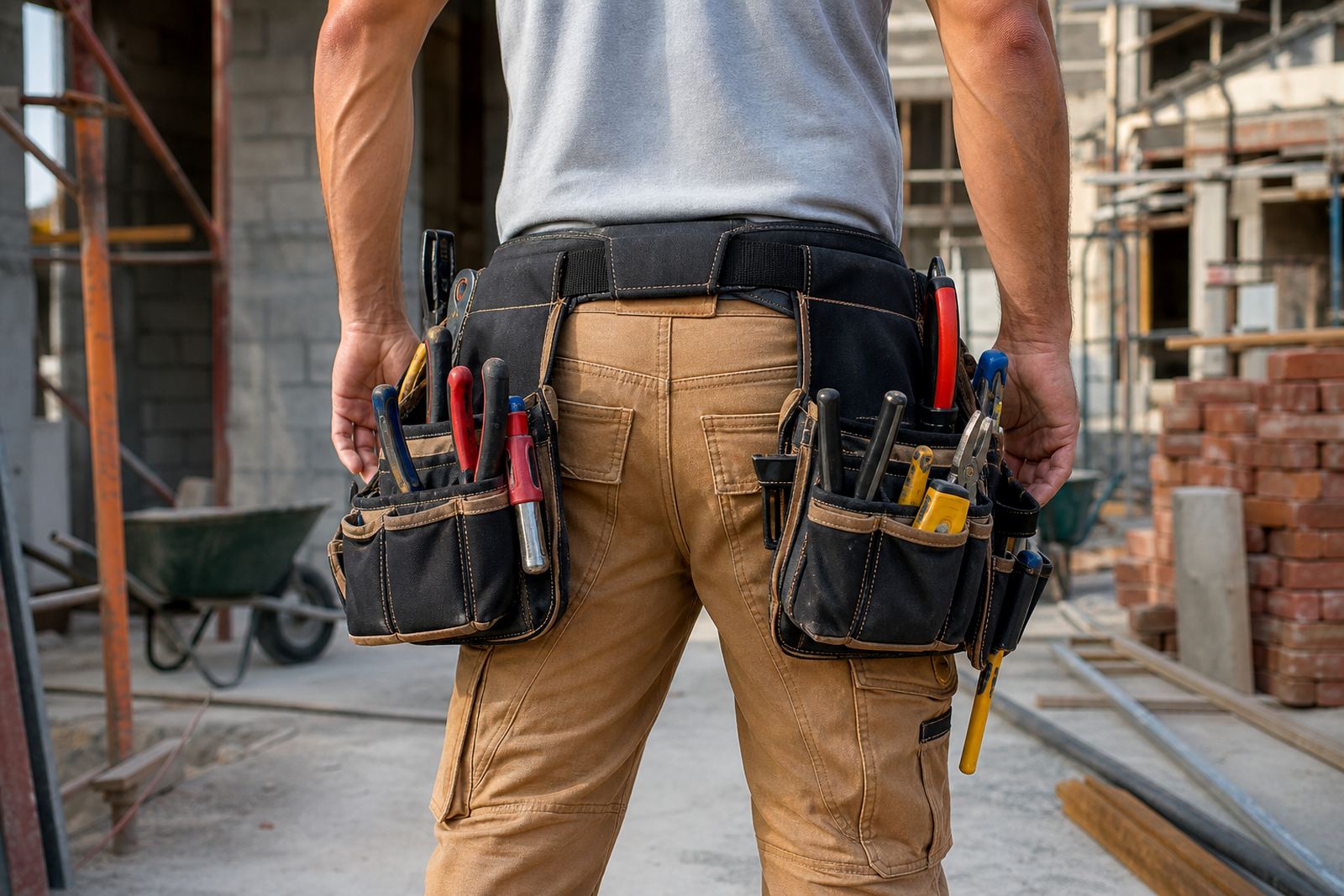
- Heavy builder carry: wider belt helps distribute load across a fuller working day.
- Custom layout: if tools sit in sections, the belt should suit the layout and not fight it.
We often see contractors in Johannesburg building one kit for several workers, then wondering why one belt suits the team and another does not. The answer is usually in the tools. The kit should decide the width, not the other way round.
Belt size, trouser fit and movement on site
Width and size work together. A belt can be the right width but still feel wrong if the size is off or the pouch placement is too far forward. You should be able to sit, squat and climb without the belt pinching or drifting above the waistline. If you wear heavier trousers, rain gear, or layered winter clothing, allow for that before choosing your final fit.
For builders who work on slab pours, brickwork or roof edges, a belt that stays centred is important for safety and comfort. Electricians often need quicker access to small tools and fasteners, so the belt should not swing around when moving through tight areas. A fitting that feels correct in the warehouse should also feel correct on a real site, not just while standing still.
Local example: a crew in Alberton fitting out for mixed work
A small contractor based in Alberton may send one crew to a warehouse fit-out and another to a housing project in Pretoria the next day. The electricians need a kit that keeps pliers, cutters and fixings close. The builders need nail bags and a belt that can carry heavier bits without slipping. In that case, one width may work for the whole team, but the pouch arrangement can still change per trade.
That is why many local teams ask for starter kit builds, belt size matching and mixed trade kits before ordering in bulk. It saves time on site and cuts down on gear that sits in the corner because it feels wrong. When the width matches the work, people wear the kit properly and stop improvising with loose pouches.
What to check before you place an order
Before you choose a belt width, look at the task, the climate, the shift length and the weight of your tools. Then compare that with how much movement the job demands. A quick order based on price alone often leads to discomfort, repeated adjustments and wasted time. It is better to choose once and get the fit right.
- Count the tools you carry every day, not just the occasional ones.
- Think about weight spread across the front, sides and back.
- Check whether the belt will be worn over normal workwear or layered clothing.
- Match the width to the pouch layout and the kind of trade work being done.
- Plan for long shifts, hot weather and jobs where you cannot stop often.
If you are ordering for a team, keep the widest kit for heavier loads and use slimmer options where movement matters more. A well chosen belt width does not call attention to itself, it just lets the job get done with less fuss.