Why South African site weather changes pouch choice
A pouch that works well on a dry inland build in Alberton can feel very different on a humid site in Durban or in windy Cape Town conditions. Dust gets into seams, sweat softens cheap lining, and sudden rain can leave metal fixings and fasteners sitting wet for hours. If a crew moves between suburbs, rooftops, factory floors and half-finished housing sites, the material has to suit more than one condition.
For builders and electricians, the first question is not only what tools the pouch must carry, but where it will be used every day. A heavier material may give better wear resistance, while a lighter build can help when you are climbing ladders, kneeling often, or carrying gear for long shifts. The wrong choice can lead to sagging, torn pockets, and belts that need replacing sooner than planned.
Hot inland sites need shape, airflow and easy cleaning
In Gauteng summer heat, especially around Johannesburg, Pretoria and Midrand, pouches are exposed to sun, dust and constant movement. Materials that hold shape well are useful because they stop nails, plugs and smaller hand tools from sinking to the bottom of the pocket. When a pouch keeps its structure, it is easier to grab what you need with one hand and keep working without delay.
Ventilation matters too. If the belt sits against work clothes for ten hours, sweat can build up around the waist and lower back. Some workers prefer materials with a firmer finish because they do not cling as much in warm weather. Others want a smoother surface that wipes clean fast after a dusty day on a site in Alberton or Centurion.
- Choose firmer materials when the pouch must keep its form under heavy daily use.
- Look for easy-wipe surfaces if the crew works in plaster dust, concrete dust or on mixed trade sites.
- Check that stitching and rivet points can handle repeated bending and lifting in hot conditions.
Coastal humidity asks for different material behaviour
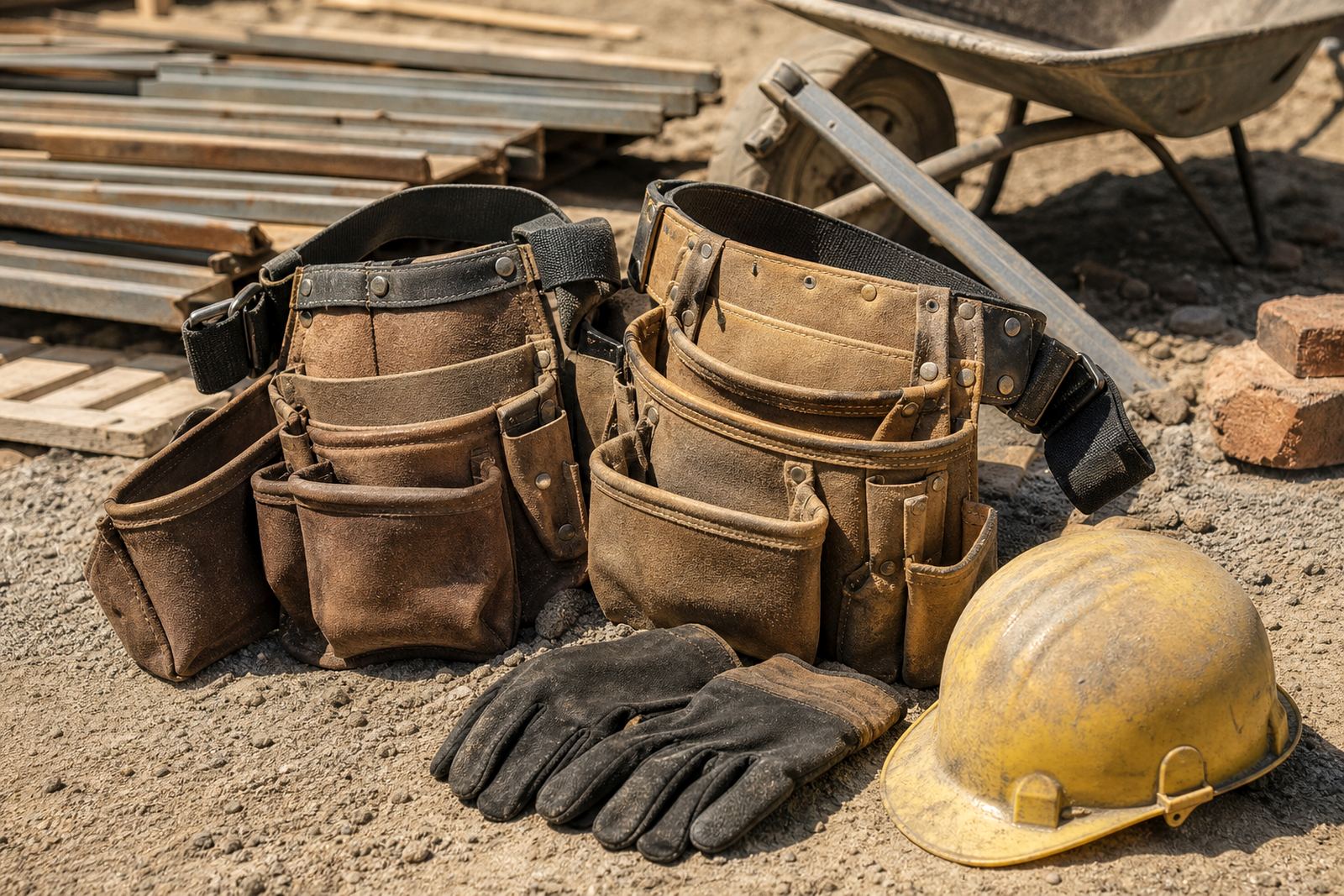
On the coast, the weather changes the conversation completely. In Durban and Cape Town, moisture in the air can affect leather, fabric, fixings and any metal parts on the belt setup. A pouch that stays dry for most of the day inland may absorb dampness at the coast, and that can make it softer, heavier or slower to dry overnight.
For electricians and builders working near the sea, the practical aim is to avoid materials that hold moisture for too long. If a pouch sits damp in the back of a bakkie or in a storeroom, it can start to smell, lose firmness or wear unevenly. In those conditions, a material that dries faster and keeps its shape after a wet shift is often the better option, especially when crews are moving between outdoor and indoor work.
- Prioritise materials that dry out quickly after sea spray or rain.
- Inspect seams, lining and belt holes for early softening in humid air.
- Use separate kit rotation for wet weeks so one set is not always carrying the moisture load.
Rainy weeks and wet ground change how pockets perform
When rain hits a site, the issue is not only keeping the tools dry. Wet ground, wet clothing and wet gloves all change how a pouch feels and how long it will last. A bag with poor drainage or slow-drying material can stay soggy for a full shift, which makes it heavier and harder to move with. That extra weight can become noticeable by lunchtime.
Water resistance does not have to mean a stiff or uncomfortable bag. It is more useful to think about how a pouch handles splash, puddles, and being set down on damp concrete. For mixed trade kits, the best layout is often one that keeps the most-used items higher up, so they are less exposed when the lower pockets pick up moisture. Small metal tools should also be wiped before storage, otherwise rust spots can appear fast.
A common mistake is choosing a pouch only by looks or pocket count. If the material cannot handle rain, the layout will not matter for long. The pouch must cope with the weather as well as the tools it carries.
Tool weight and material thickness must match each trade
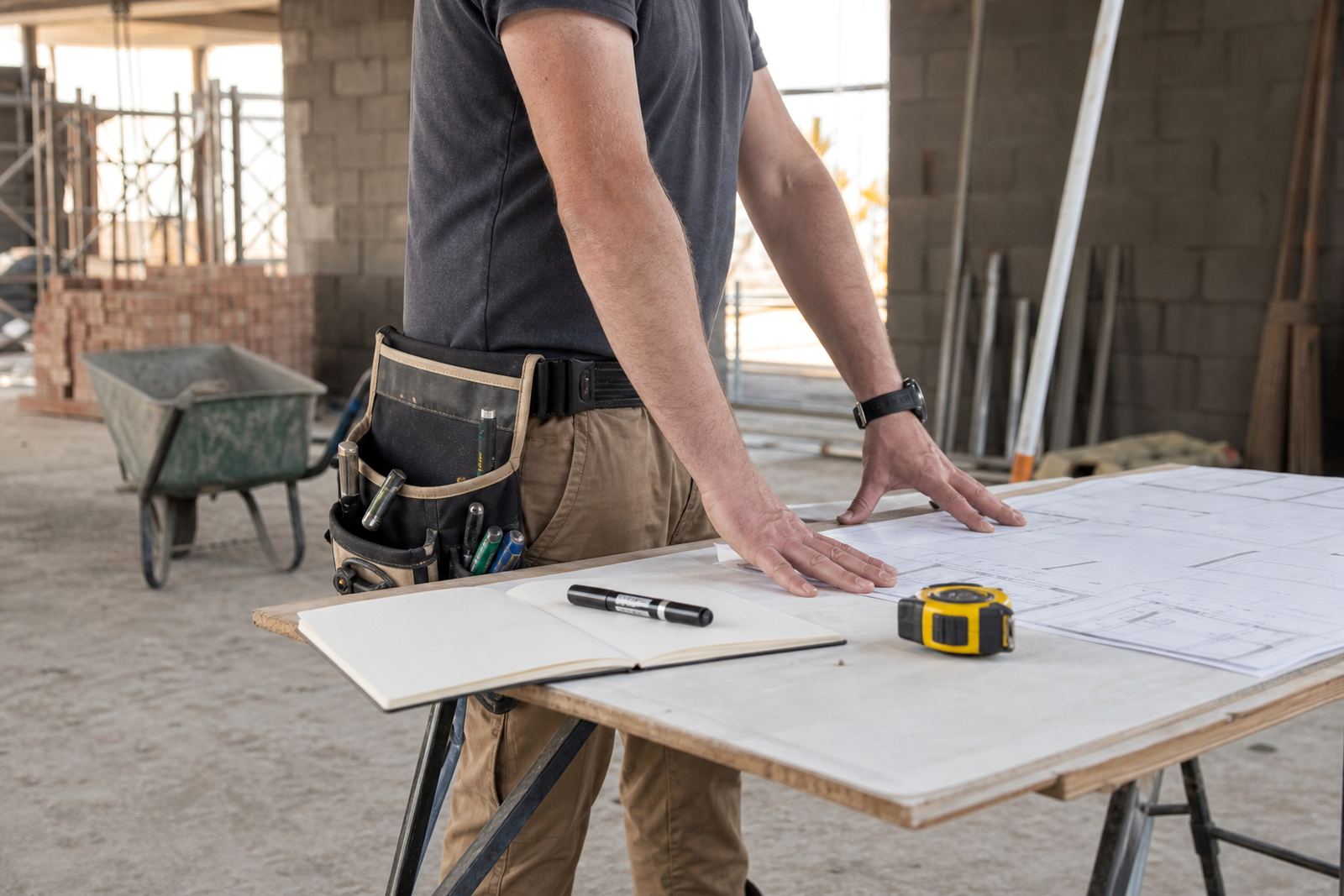
Builders often carry heavier items than they first expect, from pliers and markers to fixings, tapes and small levels. Electricians may need a narrower layout with more fine access, but they still need a pouch that can hold weight without pulling the belt out of line. The material choice should match the load, not just the job title.
Thicker material usually gives better support, but too much stiffness can be tiring on long shifts. Lighter material may feel better at first, yet it can sag or tear sooner if the load is uneven. This is where belt size matching and pouch layout planning help. A well-balanced setup spreads weight across the waist and keeps the centre of gravity stable when climbing, bending or stepping over site debris. In practice, that can save a lot of strain over time and reduce tool drop risk too.
- Heavier kits need stronger pocket walls and firmer belt support.
- Finer electrical kits often work better with slimmer pockets and quicker access points.
- Mixed trade use calls for a balance between comfort, stiffness and pocket depth.
Local example: Alberton crews moving from warehouse floors to open sites
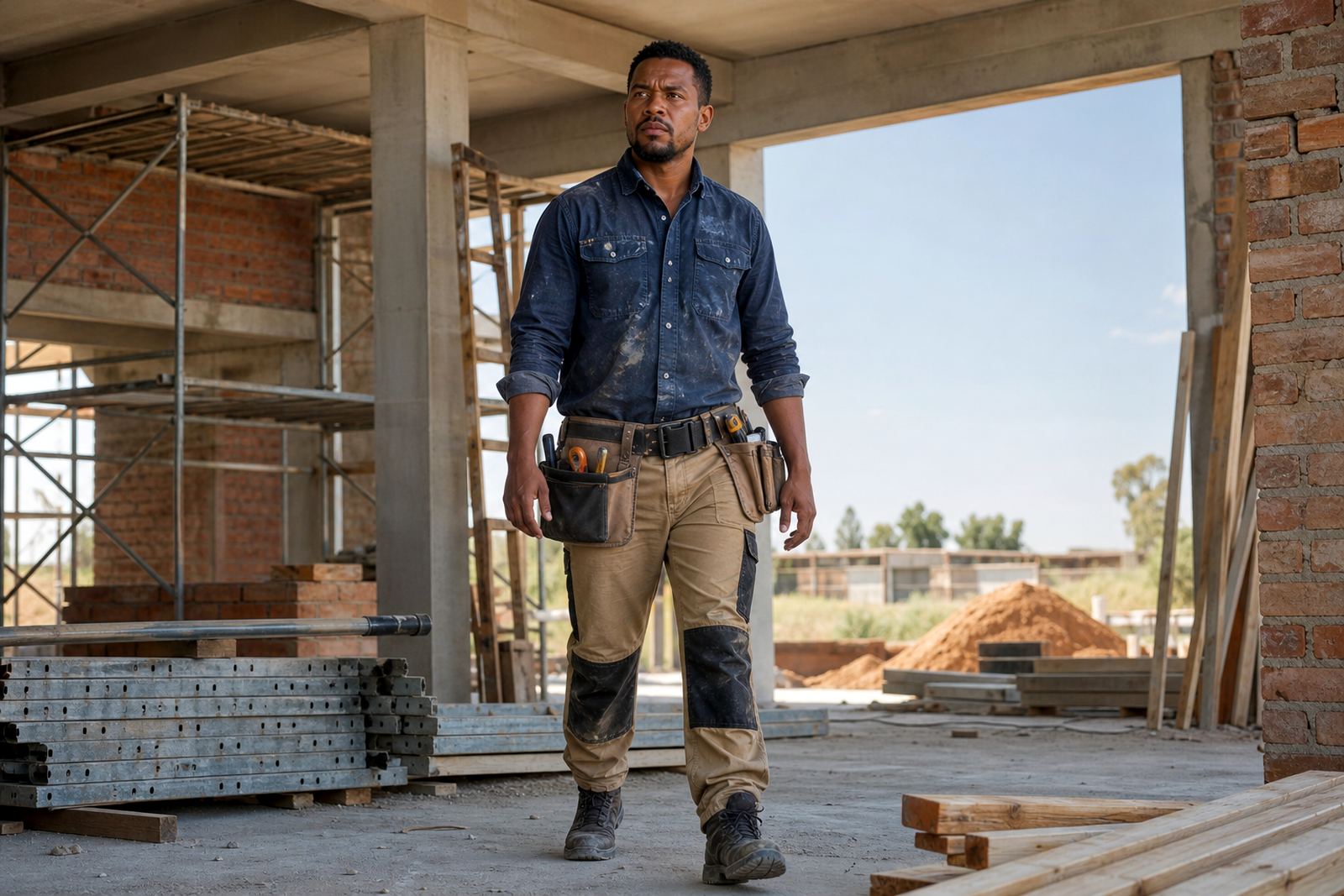
A crew based in Alberton might start the morning in a warehouse fit-out, then move to an open residential site by midday. In the warehouse, dust is low and movement is controlled. On the open site, wind, sun and loose ground become part of the day. The same pouch now has to cope with two very different settings, and that is where material choice starts to matter in a practical way.
For that kind of work, many teams prefer a pouch that is firm enough to hold shape but not so heavy that it becomes a burden by the afternoon. If the job is close to the N3 corridor or moving into Pretoria or Johannesburg, the kit also has to handle time in the vehicle, quick unloading, and repeated wear across different weather. A pouch that works in one area but not the next slows the whole crew down.
Choosing the right finish for long-term use
There is no single pouch material that suits every South African site. The best choice depends on weather, shift length, load weight and how often the kit is moved between sites. What matters is matching the finish to real working conditions, not just the first day on the job.
For some teams, a firmer and more structured option is best. For others, faster drying and lighter carry weight win out. The right answer is usually found by looking at the whole routine: where the crew works, how wet the site gets, how much dust is around, and whether the pouch is used for builder’s tasks, electrical work or mixed trade support. Once those details are clear, the material choice becomes far easier and the pouch lasts longer as well.