
Why Mixed Fasteners Waste Time on Site
When fasteners are mixed together in one pouch, every small task takes longer than it should. You stop to feel around for the right screw, end up pulling out three wrong sizes, and before long the pouch is full of dust, offcuts and bent nails. On a busy build in Alberton or a ceiling install in Midrand that lost minute gets repeated all day.
Clear separation matters because fasteners are small but they are used often. A builder fitting timber, a sparkie mounting conduit clips, and a maintenance team doing repairs all need quick access without searching through a jumble. The cleaner the layout, the less pocket clutter you carry around and the fewer items you drop on concrete, into rubble or into grass.
Fastener control also helps with stock use. If your team knows where each type lives, it becomes easier to notice when one size is running low. That means fewer surprise stops and fewer emergency runs for a box of plugs you thought was still on the truck.
Separate by Type Before You Sort by Size
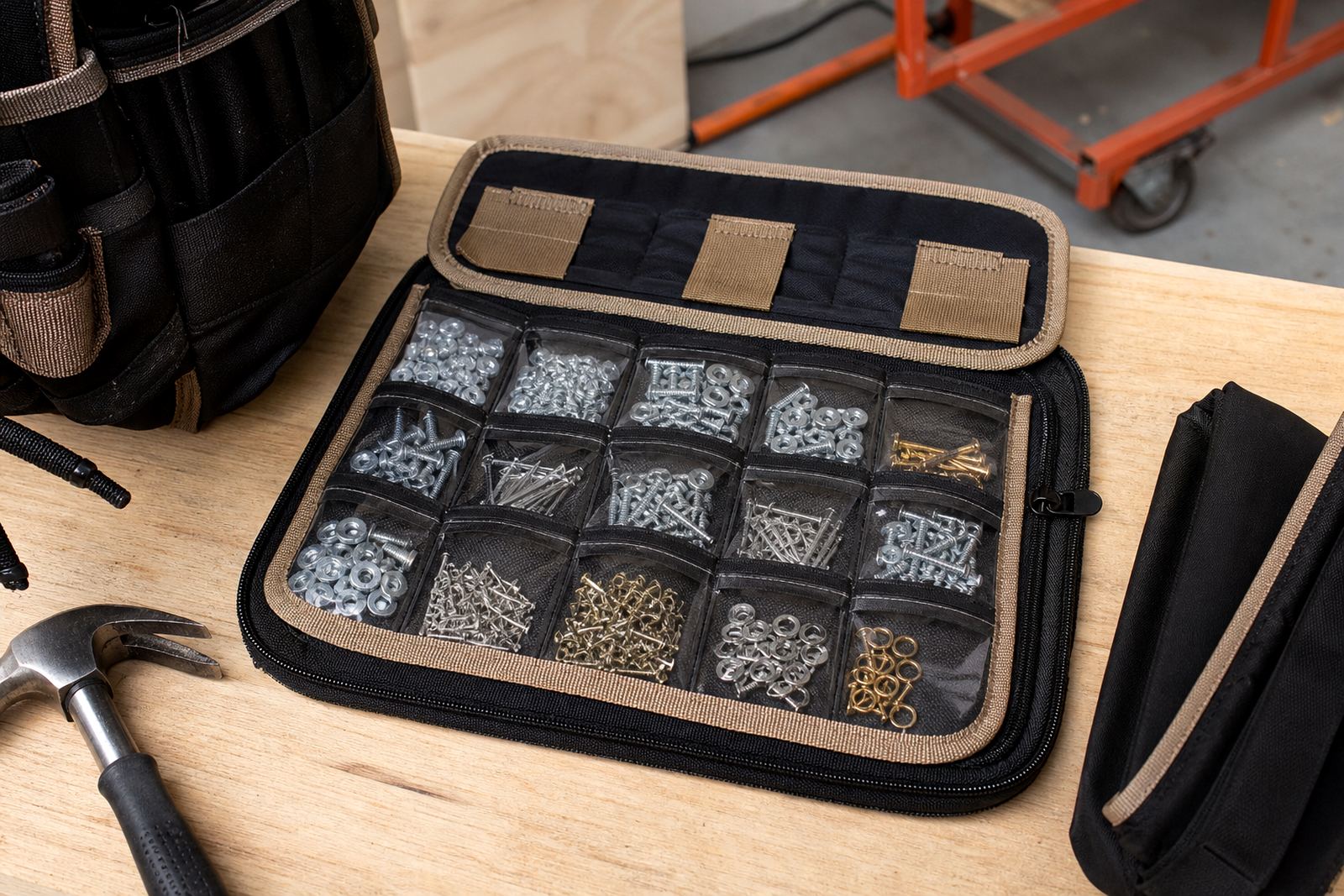
The best starting point is to split fasteners by type first, then by size. Nails should not sit with screws, and screws should not sit with plugs. Once the categories are separate you can organise the sizes inside each group, which is much easier to manage on the move.
- Nails for framing, trim and general fixing
- Screws for timber, metal and brackets
- Plugs for masonry and wall mounting
- Special fixings for electrical fittings, clips and light-duty brackets
If your pouch only has two or three main compartments, use the front pockets for the fastest moving items and the deeper sections for bulkier stock. A simple layout works better than a messy one with too many loose packets. In coastal areas like Durban, sealed packets or small containers can also help keep moisture out, especially on humid mornings.
Build a Pouch Layout That Matches the Job
Different jobs need different pouch layouts. A builder doing first fix work usually needs more nails, masonry screws and plugs. An electrician may carry a smaller fastener set with cable clips, wall plugs and machine screws for boards and fittings. Matching the pouch to the task saves space and keeps the weight balanced.
Waistbags Pro supplies pouch layout planning for teams that want a cleaner system. The idea is simple, put the items you reach for most within one hand movement and keep the slower moving stock slightly deeper. If the pouch rides too far forward or digs into the hip, change the belt size and pocket position until it sits properly.
- Keep daily-use fasteners in the front reach zone
- Store backup stock in a rear or deeper pocket
- Use one pocket for loose singles and one for sealed packs
- Leave space for the day’s small waste, like stripped screws or broken plugs
That layout is especially useful on sites with limited access where you do not want to keep walking back to the truck, or where municipal work rules mean materials must stay tidy and off walkways.
Use Colour, Pack Size and Marked Pockets
Fastener separation becomes easier when you give each pocket a fixed purpose. Some teams use colour coding, others use written labels or simply agree on one pocket for each family of fasteners. The method matters less than the discipline behind it. Once a pocket has a job, keep it that way.
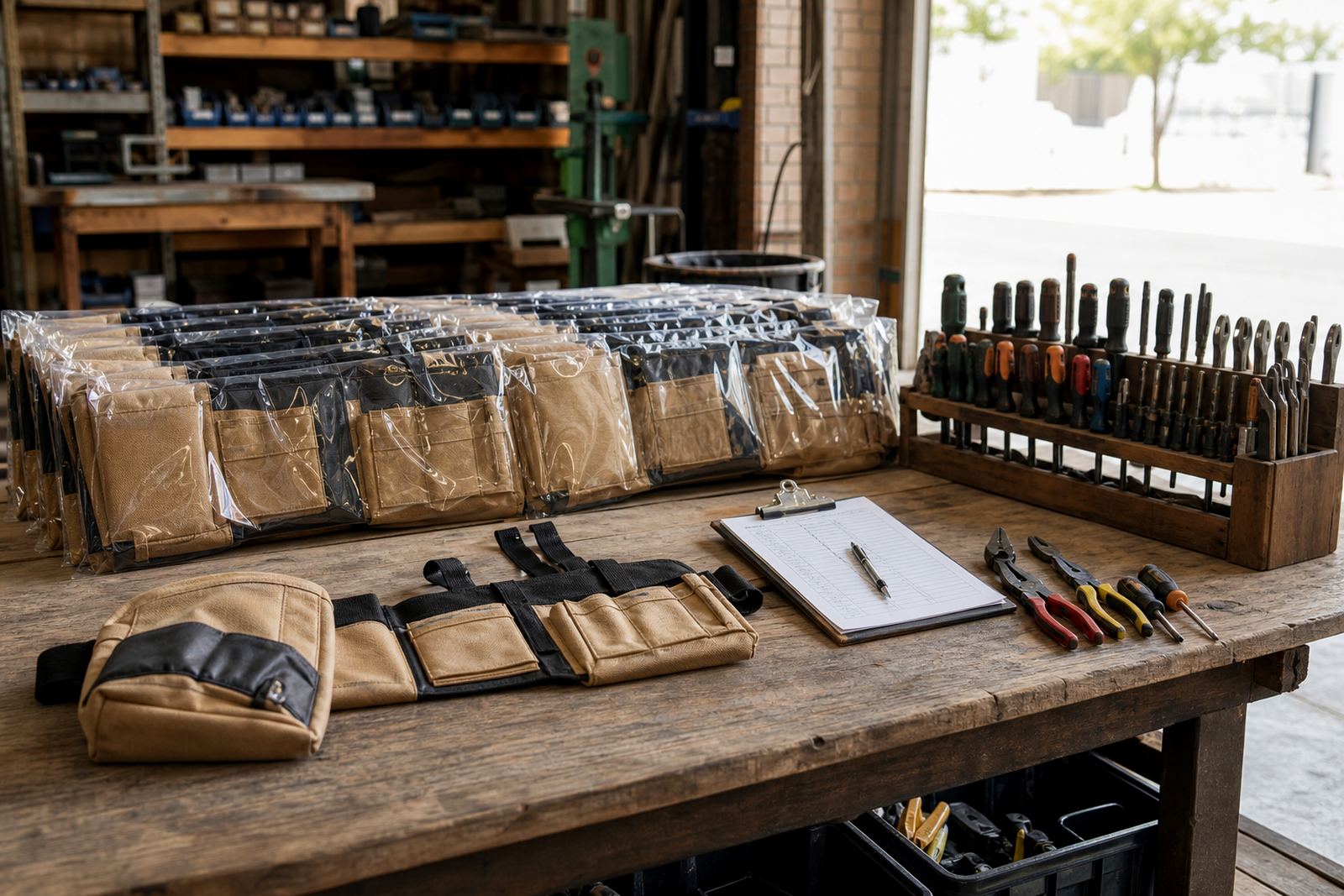
For bulk team orders, it helps to break stock into sensible pack sizes. A bag of mixed screws is fine in the storeroom, but on the belt you only need enough for the next section of work. Small packets reduce pocket clutter and make it easier to count what has been used at the end of the day. That gives better control over replenishment, especially for contractors working across Johannesburg, Pretoria and Cape Town.
- Use one pocket for masonry plugs only
- Use one pocket for wood screws only
- Use one pocket for nails only
- Keep spare drill bits or driver bits out of the fastener pocket
That last point matters more than many crews expect. Mixing bits and fasteners makes the pouch noisy, sharp and hard to work from. It also slows down grip changes when hands are dusty or gloved.
Site Conditions Change the Way Fasteners Travel
South African sites are not all the same. On an open build in Polokwane, dust can work its way into everything. Near the coast, humidity can make cheap packaging soften and fasteners stick together. In winter mornings around Gauteng, cold hands make it harder to sort tiny items quickly. The storage method should match the conditions.
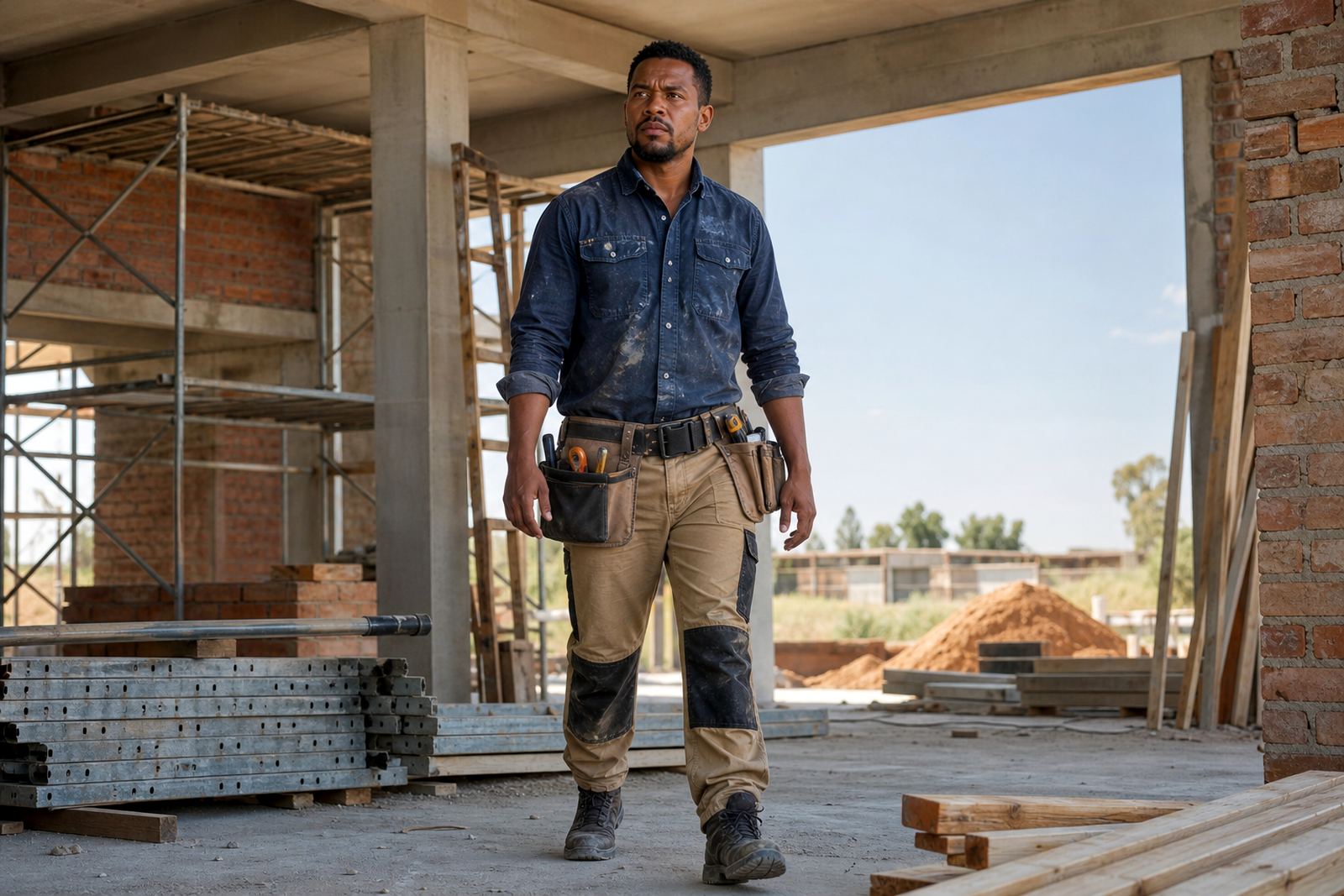
For rough site work, use a belt and pouch combination that closes properly and stays secure when you climb ladders or kneel on slabs. For electricians, lighter pouches often work better because the fasteners are smaller and the kit must not get in the way of testers, tapes and driver tools. If your team is doing mixed trade work, use separate kits rather than one oversized bag stuffed with every item.
Delivery planning also matters. When stock is coming out to several sites across Gauteng or into coastal branches, it is easier to issue fasteners in fixed lots rather than loose boxes. That way the fitter or supervisor can see what belongs to each job and what still needs to be replenished.
A Better System for Supervisors and Crews
Good organisation is not only about the person wearing the pouch, it helps the whole crew. If one team member can hand over a sorted set of fasteners at the start of the shift, the rest of the crew works faster and with less calling around. That becomes even more useful on project rollouts, where a contractor may be setting up several teams at once.
A practical system is to prepare a starter kit build for each role. Builders get the nails, screws and plugs they use most. Electricians get the smaller fasteners and mounting pieces they use daily. Then stock replenishment plans keep each kit topped up without overfilling the pouch. It is a simple way to reduce delays, cut pocket clutter and keep the job moving.
For teams in Alberton and surrounding areas, this approach is often the difference between a clean shift and a frustrating one. When fasteners are sorted properly, nobody spends time digging through mixed pieces or walking back to the vehicle for one missing plug. The result is not flashy, it is just calmer, quicker work.