Why summer puts more pressure on your gear
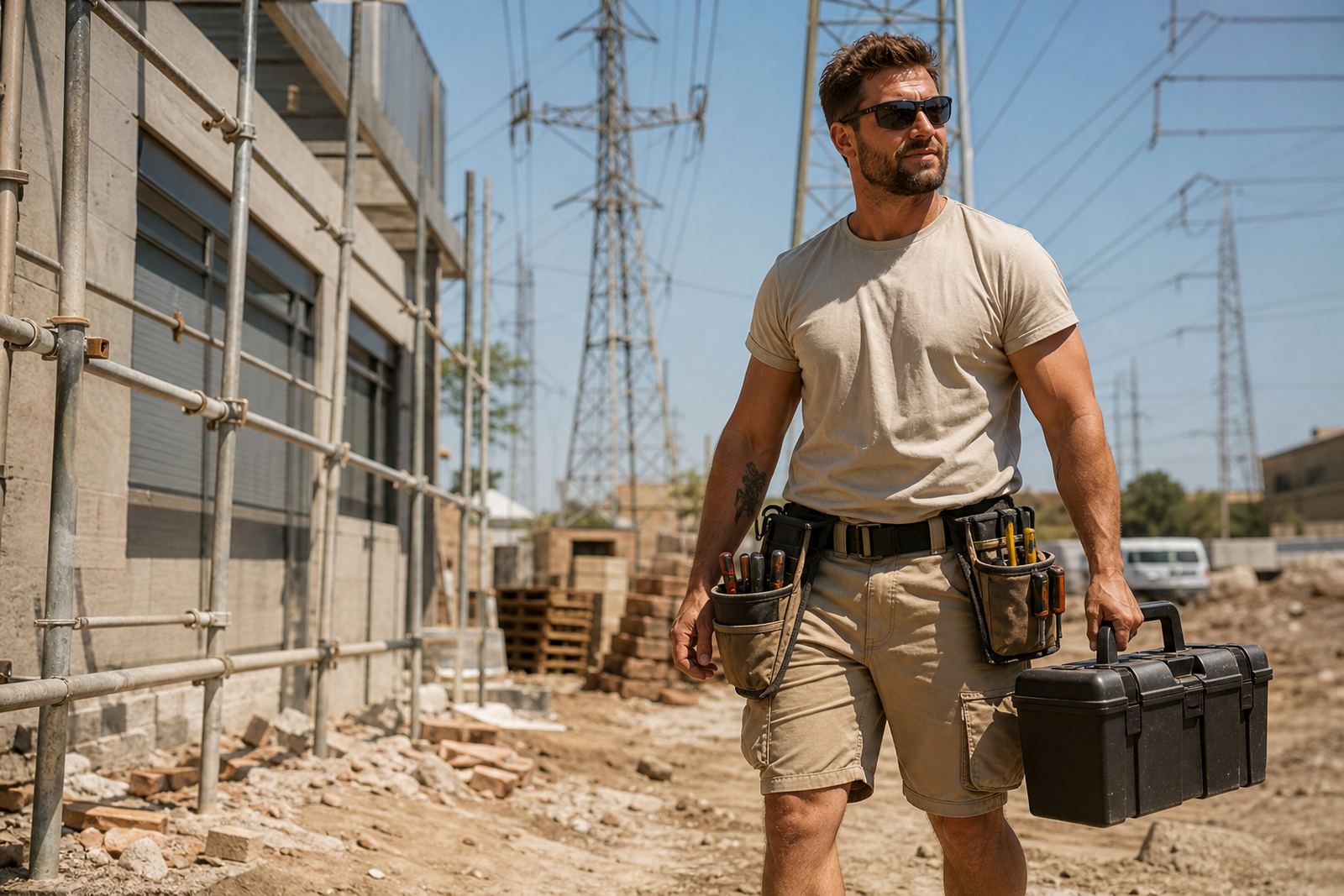
When the sun is up early and the temperature climbs by mid-morning, tool carry becomes a comfort issue as much as a work issue. A heavy pouch that felt fine in winter can start bouncing on the hip, trapping heat and making it harder to move between tasks. For builders and electricians on South African sites, that means more stops to adjust the belt, more fatigue, and less focus on the job at hand.
Summer also brings a mix of dust, sweat and sudden rain in some provinces. In places like Johannesburg and Pretoria, a dry hot day can turn into a storm late afternoon. On coastal jobs in Durban or Cape Town, humid air can make leather and stitching feel heavier while metal tools warm up quickly. A well planned waist setup helps you work through all of that without constantly shifting your kit.
Choose lighter carry, not less carry
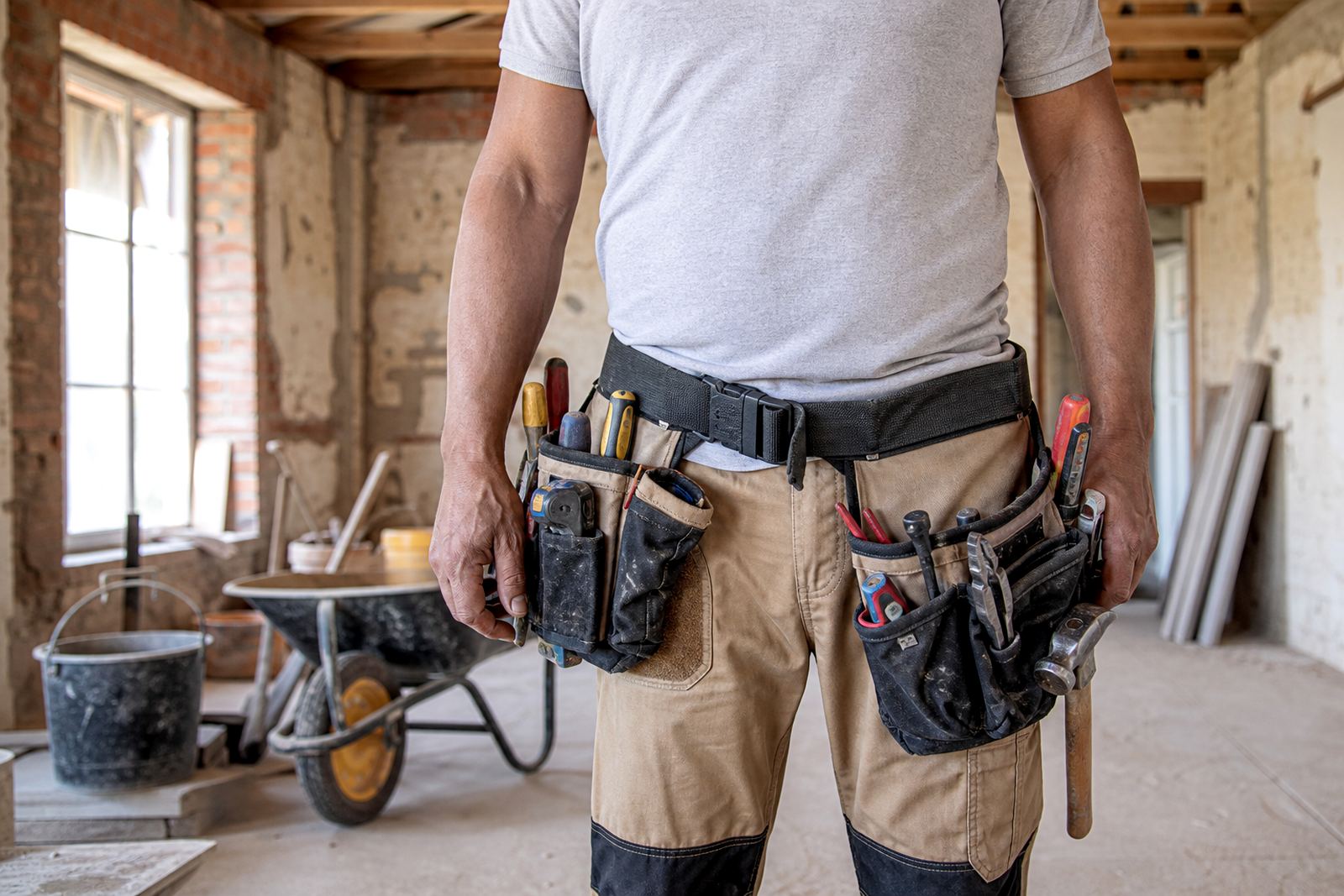
The aim is not to leave useful tools behind. It is to carry them better. A compact pouch layout can hold the items you use most often while keeping the load balanced across the waist. If everything sits on one side, the belt starts pulling, especially when you are climbing ladders, bending, or moving around a slab.
For summer work, many teams do better with a mix of shallow pockets and a few deeper holders rather than one bulky pouch stuffed to the top. That keeps the profile close to the body and helps air move a bit more freely around the waist.
- Keep fast access items in the front pockets.
- Split heavier tools between left and right sides.
- Use only the pockets you actually reach for during the day.
- Match pouch size to the task, not the idea of carrying everything.
Comfort features that matter on hot sites
In summer, small details make a noticeable difference. A belt that sits well at the right tension will feel cooler and more stable than one that keeps sliding down. If the waist size is off, you end up tightening it too much and that can dig into the hips by lunch time. Belt size matching is worth doing properly, especially for crews who wear the same kit across long shifts.
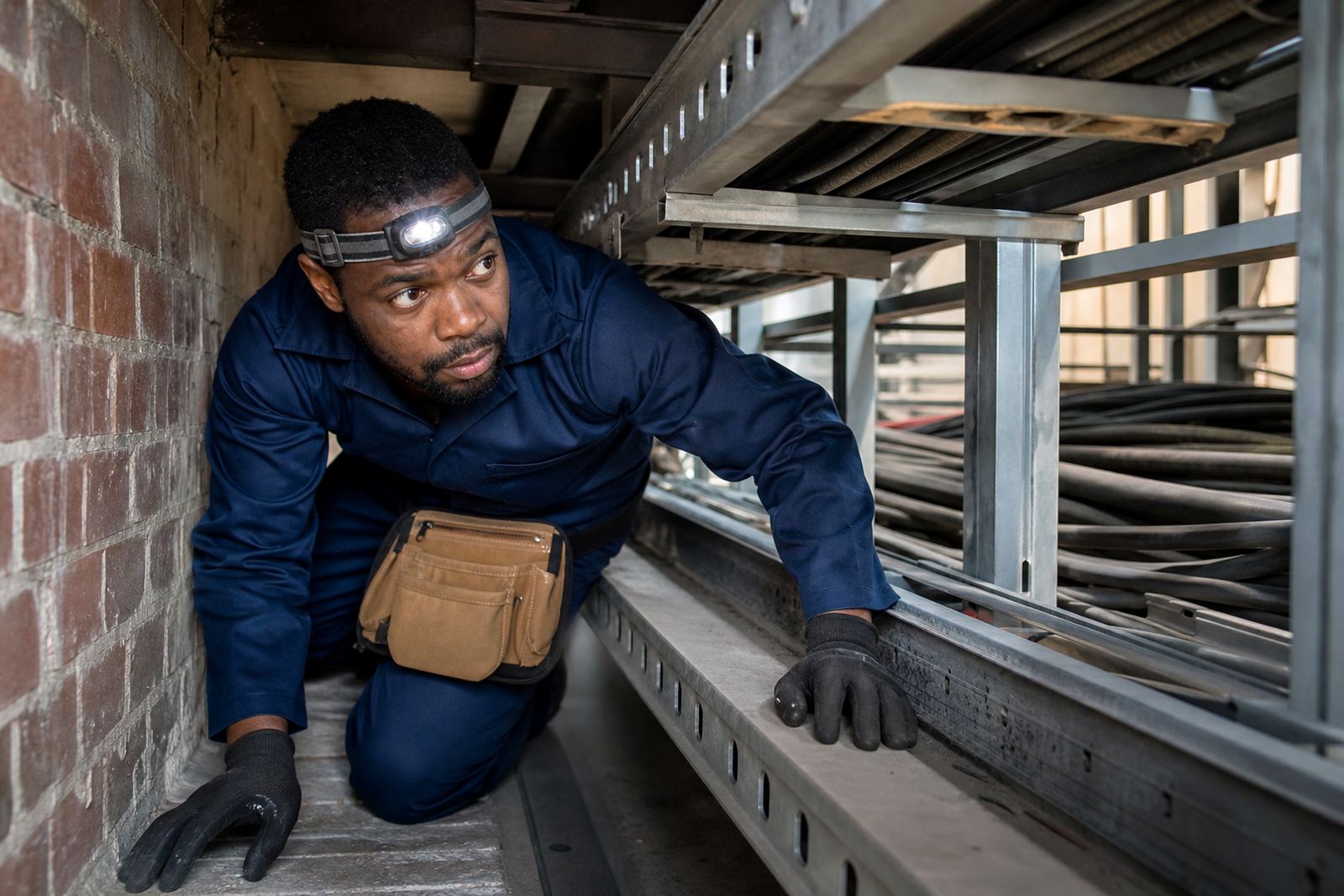
Look for padding where the belt meets the body, strong stitching at the stress points, and pocket shapes that keep tools upright. A good layout should let you reach what you need without digging around while wearing gloves or working in direct sun. It also helps if the set-up works with your job type, whether you are carrying pliers, screwdrivers, cutters or fixings.
- Check the belt length with your work clothes on, not just casual wear.
- Test the pouch with a full day load, not a short trial.
- Make sure clips and loops are easy to use with dusty hands.
- Choose materials that wipe clean after cement dust or site grime.
Local summer conditions change the way crews pack
Across South Africa, summer work is not the same from one region to the next. In Midrand and Centurion, mixed building sites often mean moving between indoor installs and outdoor framing. In Polokwane, the heat can be dry and direct, while in coastal areas the air can feel sticky and heavy. That changes how much weight people want on their waist and how often they want to reach for tools.
A local example: a contractor working a townhouse development in Alberton might send the electrical team out early and the fixing crew later in the day, when heat starts building on the roofline. If each worker has a pouch set up for their own task, they waste less time swapping gear and spend less energy carrying things they will not use. That kind of planning adds up over a full week, especially on larger rollout jobs.
Starter kits and mixed trade sets save time
Summer is a good time to review what your team actually needs and strip out the extras. Starter kits work well for new hires, while mixed trade kits suit sites where builders and electricians work side by side. The point is to keep the carry practical. A kit that is too general can end up overloaded, and thats when the waist bag starts becoming a problem instead of a help.
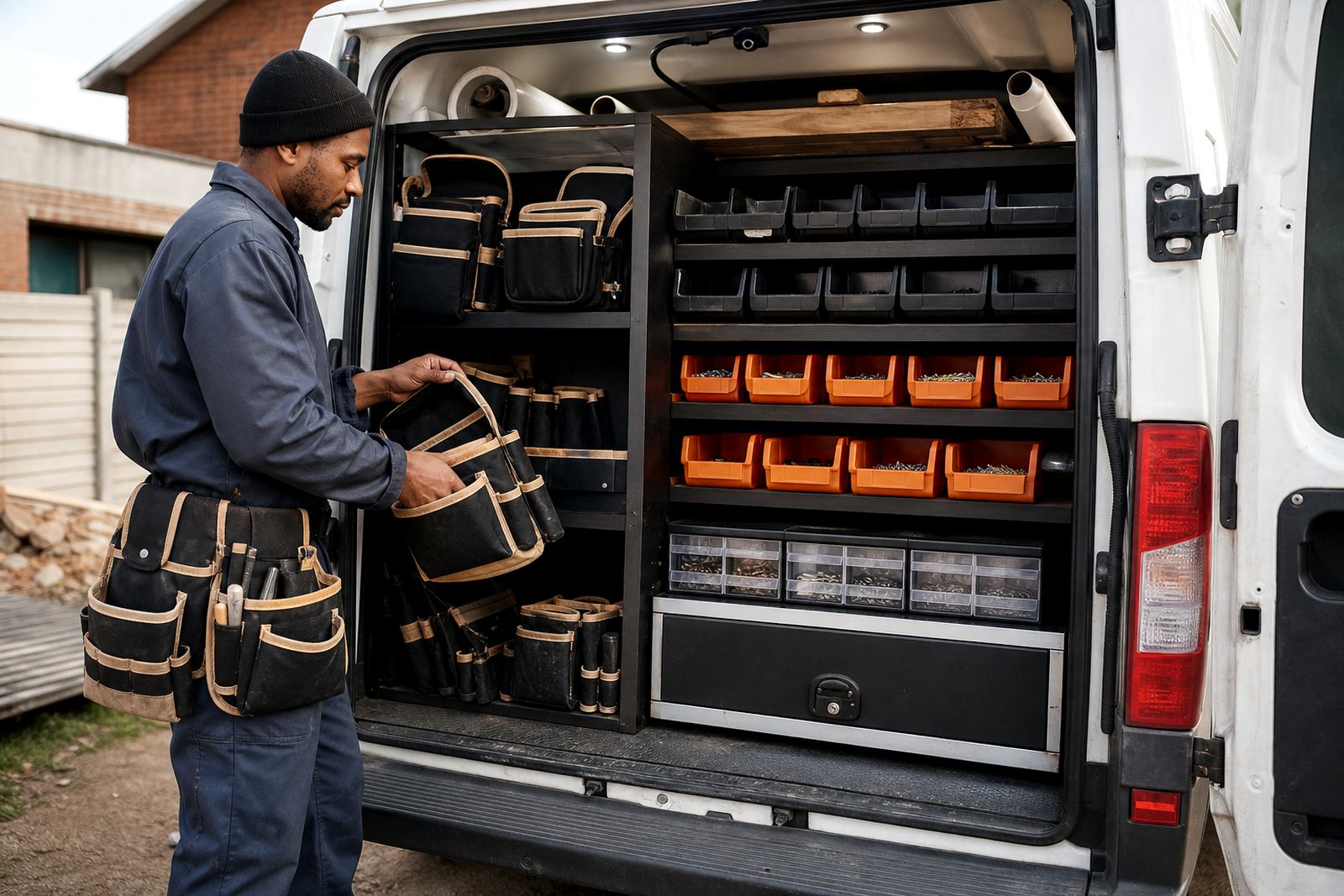
For contractors managing multiple sites, a simple kit plan can make reorder decisions easier. If every role has a defined pouch layout and belt size, stock replenishment becomes more predictable. It also makes it easier to match replacements for worn items without changing the whole setup.
- Starter kit builds for new team members.
- Mixed trade kits for shared site use.
- Project rollout supply for larger jobs.
- Stock replenishment plans to keep crews moving.
Keep gear usable through heat, dust and rain
Summer site care does not need to be complicated. Wipe pouches down at the end of the day, empty out dust and offcuts, and check buckles or stitching before the next shift. On coastal sites, moisture can hang around overnight so gear should be dried properly before storage. On dry inland sites, fine dust can build up quickly and make pockets rougher to use.
Delivery planning also matters when projects are moving fast. If your team in Johannesburg is waiting on replacements while another site in Cape Town needs a different pouch layout, a clear order plan helps avoid gaps in supply. For crews working through peak summer, a spare belt or a second pouch set can keep the job going without delay.
What practical summer trade gear should help you do
Good summer gear should make the day easier, not just look tidy. It should sit comfortably, keep tools within reach and reduce the number of times you stop to sort things out. That is especially important on long outdoor shifts where every extra movement adds fatigue. A well chosen waistbag helps keep the work steady and the body less strained, which is what most crews want when the heat is on.
Whether you are ordering for one team or several sites, the best set-up is the one matched to the task, the weather and the way your people actually work. Practical planning now means fewer complaints later, and fewer interruptions when the day is already hot enough.