
Why the van and the belt should work as one system
On a busy job, the belt is your first line of access and the van is your backup store. If those two are set up together, the right parts stay close at hand and the rest stays packed in a way that makes sense. That matters on South African sites where you may move between a double-storey house in Alberton, a small shop fit-out in Midrand, or a maintenance call in Pretoria with only a short window to finish the work.
When the van stock is tidy, you do not need to carry every item on your waist. You only load what you will use in the next few hours, then top up from the vehicle as needed. That keeps the belt lighter, cuts strain on the hips, and helps the pouches keep their shape. A belt packed with too much weight sags, shifts and gets in the way when you climb ladders or crouch at a board.
The best setup is simple: keep fast-moving items in the van where they can be reached in seconds, and keep the belt for the tools and fixings you need throughout the day. It sounds basic, but many teams still throw everything into one tote bag or one loose crate. That wastes time, and it also leads to lost consumables, bent fixings and repeat trips to the vehicle.
Build a van stock layout that matches your trade
Builders and electricians do not carry the same load. A builder may need nails, plugs, bits, pencils and measuring gear. An electrician may need terminals, fasteners, cutters, testers and cable handling items. The layout should reflect that split so the belt can be packed by task, not by habit.
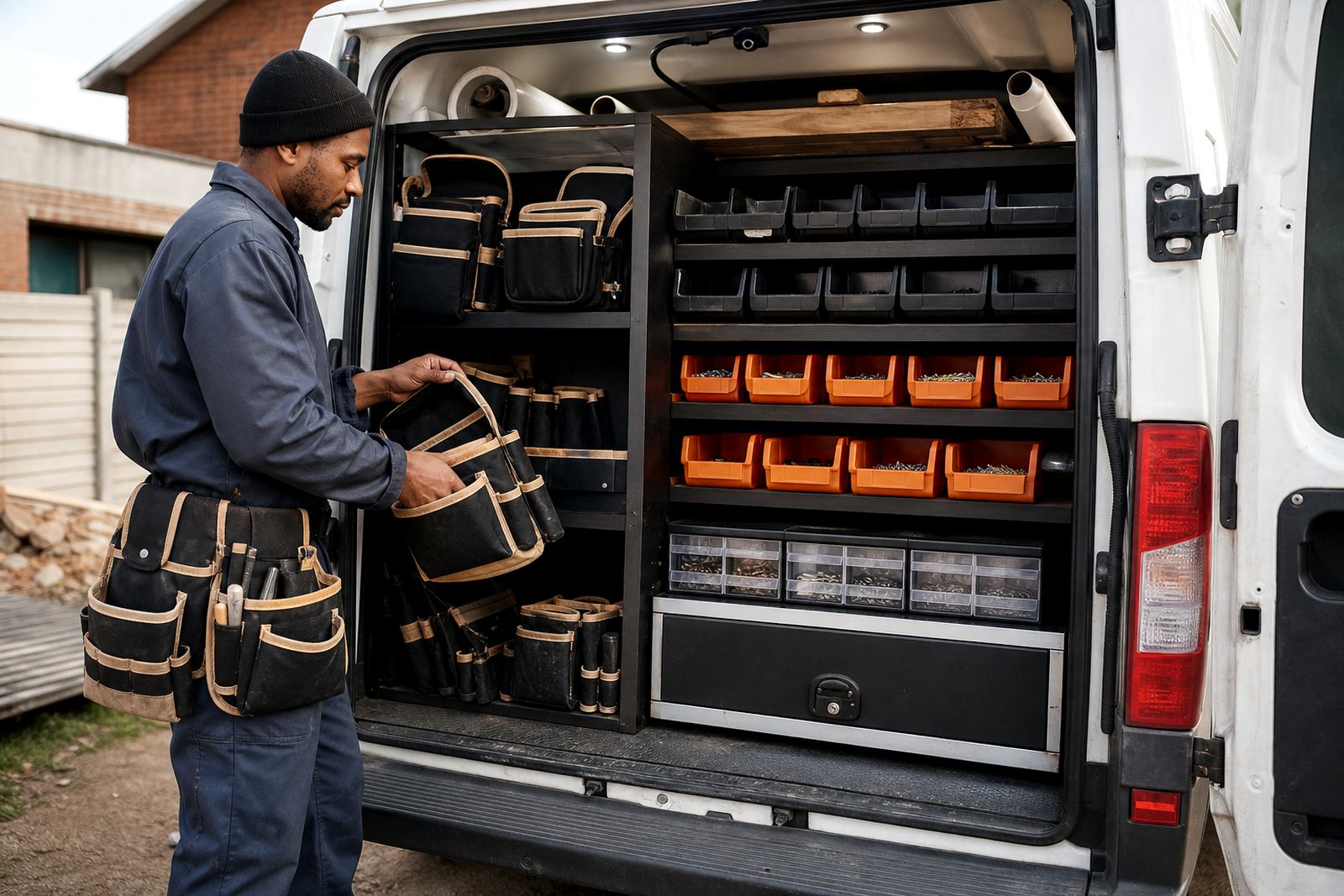
Use a simple zone system in the van. Put high-use stock near the sliding door or tailgate. Keep slow-moving bulk items lower down and grouped by type. If possible, label containers so the team can return things to the same place every time. That helps on busy weeks when more than one person is loading the same vehicle.
- Keep daily-use fixings in small containers near the front of the van.
- Store spare belts, pouches and empty kits in a clean dry box.
- Separate builder stock from electrical stock so items are not mixed up.
- Use one section for replenishment stock and another for site issue items.
- Check heavier items are strapped down so they do not shift during braking.
In Gauteng traffic, a van that is neatly packed saves more time than people think. If you are parked in a tight lane in Johannesburg or dealing with a quick call in Centurion, you want to open one door and find what you need without unpacking half the load.
What to keep on the belt and what to leave in the vehicle
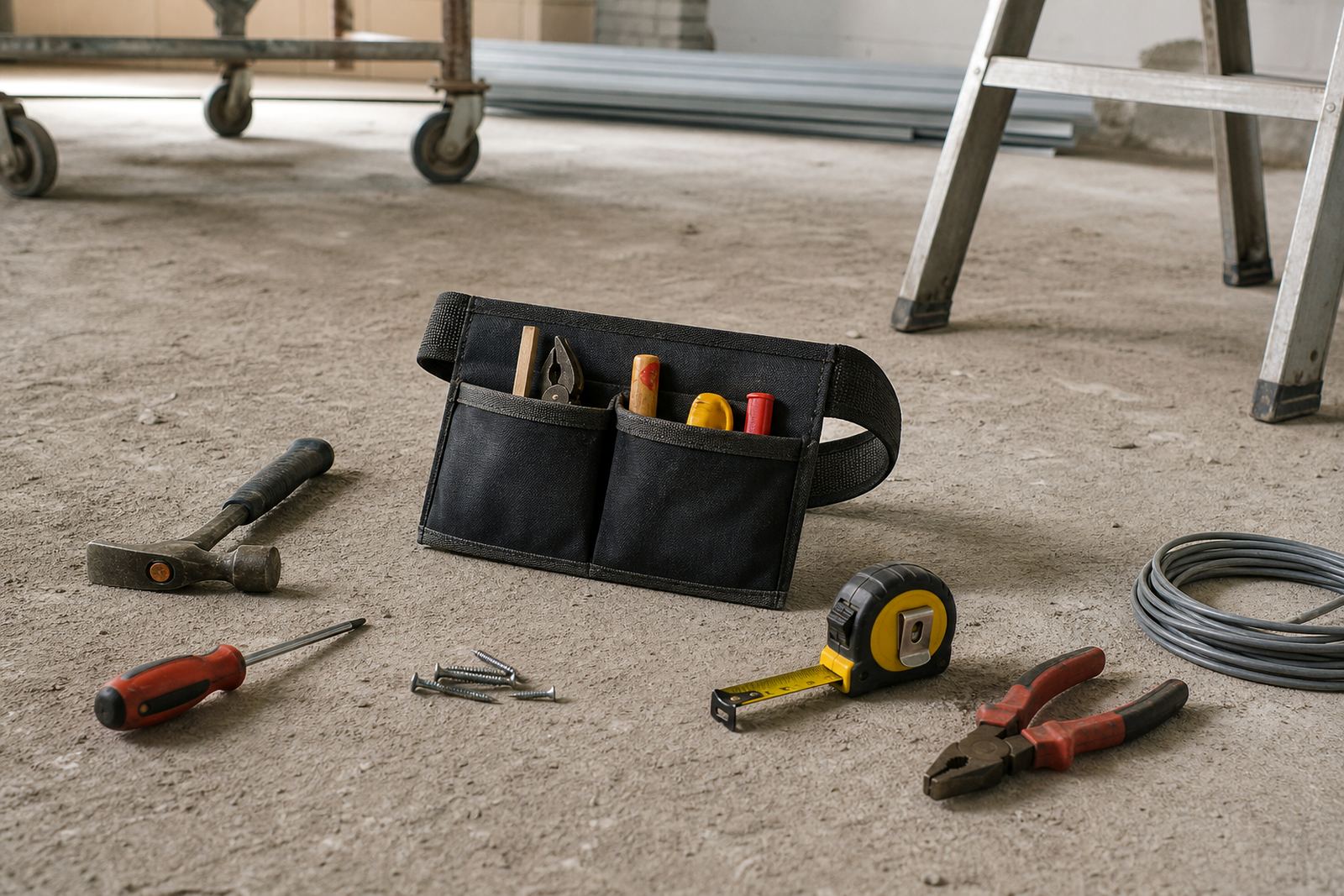
The belt should carry the items you reach for repeatedly, not the items you only use once in a while. A good rule is to load the belt for access, and load the van for supply. That balance makes a big difference on long days and in hot weather when heavy gear becomes uncomfortable faster.
For most teams, the belt should include a mix of hand tools, fasteners and small consumables. The van should carry backup stock, bulk packs and anything you need for a second run of the same task. If you are working on a site in Durban, where humidity can be a factor, keeping the van compartments dry also helps protect paper labels, cardboard boxes and some metal fixings from corrosion.
- Keep the belt light enough for ladder work and long walks across site.
- Carry only the current job fixings in the pouches.
- Leave bulk packs, duplicate tools and spare blades in the van.
- Use separate pouches for sharp items, so they do not damage other stock.
- Review the load after each job and remove anything that did not get used.
The easier it is to reset the belt at the end of the day, the better it performs the next morning. A tidy carry system is not only about comfort, it also reduces missed items and helps crews keep to schedule.
Set up the belt for speed, comfort and repeat use
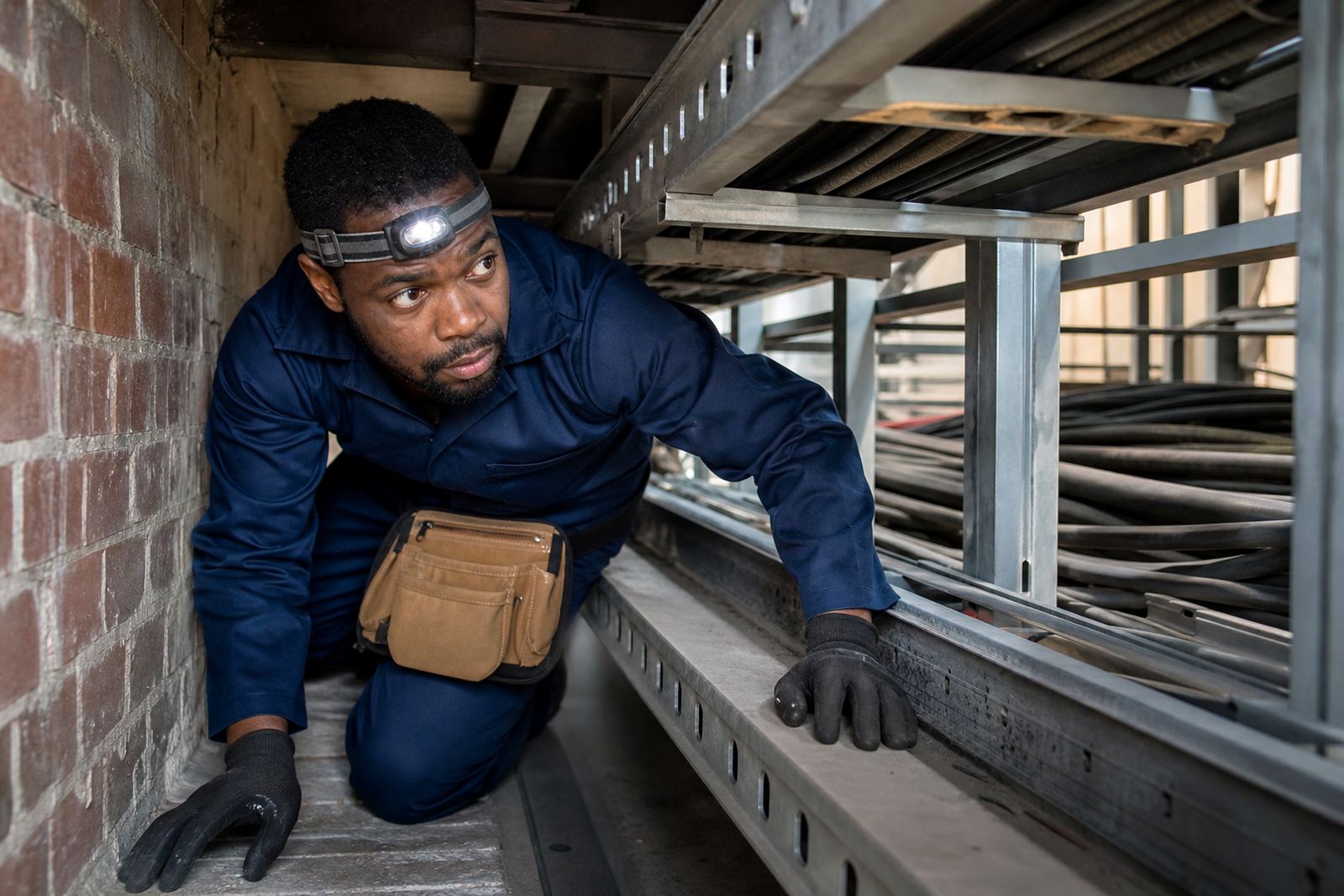
A belt that fits properly is worth more than a bag full of tools that never stays in the right place. Size matching matters. If the belt is too loose, it moves around when you bend or climb. If it is too tight, it digs in and gets uncomfortable by mid morning. That is why proper adjustment is part of the setup, not an afterthought.
When building out a belt, think about the order of use. Put the items you reach for first where your hand falls naturally. Keep the weight balanced on both sides and avoid loading one pouch far heavier than the other unless there is a strong reason to do so. On a full day of site work, an uneven belt will pull on your lower back and make the rest of the gear feel worse than it is.
For teams that move between different types of work, starter kit builds and mixed trade kits can make loading simpler. A basic electrical kit may need a different pouch mix from a builder's kit, and site specific selection helps narrow that down. That saves time before the job starts and reduces the number of items carried that never get used.
How a clean replenishment routine cuts waste
Van stock only works if it is replenished properly. If nobody knows what was used, the next crew loads blindly and the same shortages come back. A simple stock check at the end of the day is enough to keep things under control. Count the fast movers, replace what is low, and leave the vehicle ready for the next callout.
For contractors working across Johannesburg, Pretoria and Polokwane, this is especially useful when one vehicle covers more than one area. A stock replenishment plan helps keep the same standard across the team, even when different people are loading the van. It also makes bulk team orders easier because you can see what is being used most often.
- Use a short end of day check before the van is locked.
- Restock pouches and belts from one dedicated replenishment box.
- Record common shortages so the next order is based on real usage.
- Keep a separate reserve for urgent project rollout supply.
Stock control does not have to be complicated. Even a basic system of counts, labels and set locations can reduce waste and stop the familiar problem of everyone assuming someone else packed the missing item.
A local example from Alberton to site
A contractor based in Alberton may start the morning with one van going to a domestic build in the south of Johannesburg and another heading to a commercial site in Midrand. If both vehicles are loaded the same way, the teams can swap jobs, collect replenishment stock and keep moving without long delays. The benefit is not only speed, but consistency.
One crew might use a builder's setup with nail bags and general fixings, while another uses a utility belt with electrical pouches and slimmer tool carry. Because the stock system is tied to the belt setup, both vehicles can be packed to suit the work. That means fewer mistakes and less time spent sorting through mixed stock on site.
For businesses handling contractor order support or project rollout supply, this is also where planning pays off. The right pouch layout, the right belt size and the right van stock together make a more dependable system than any one item on its own. The work feels smoother because the gear is set up to match the actual day, not a guess made the night before.
When the belt and the van are planned together, the whole team works better. There is less backtracking, fewer forgotten items and a cleaner handover between the vehicle and the person on the tools.