Why the same waistbag does not suit both trades
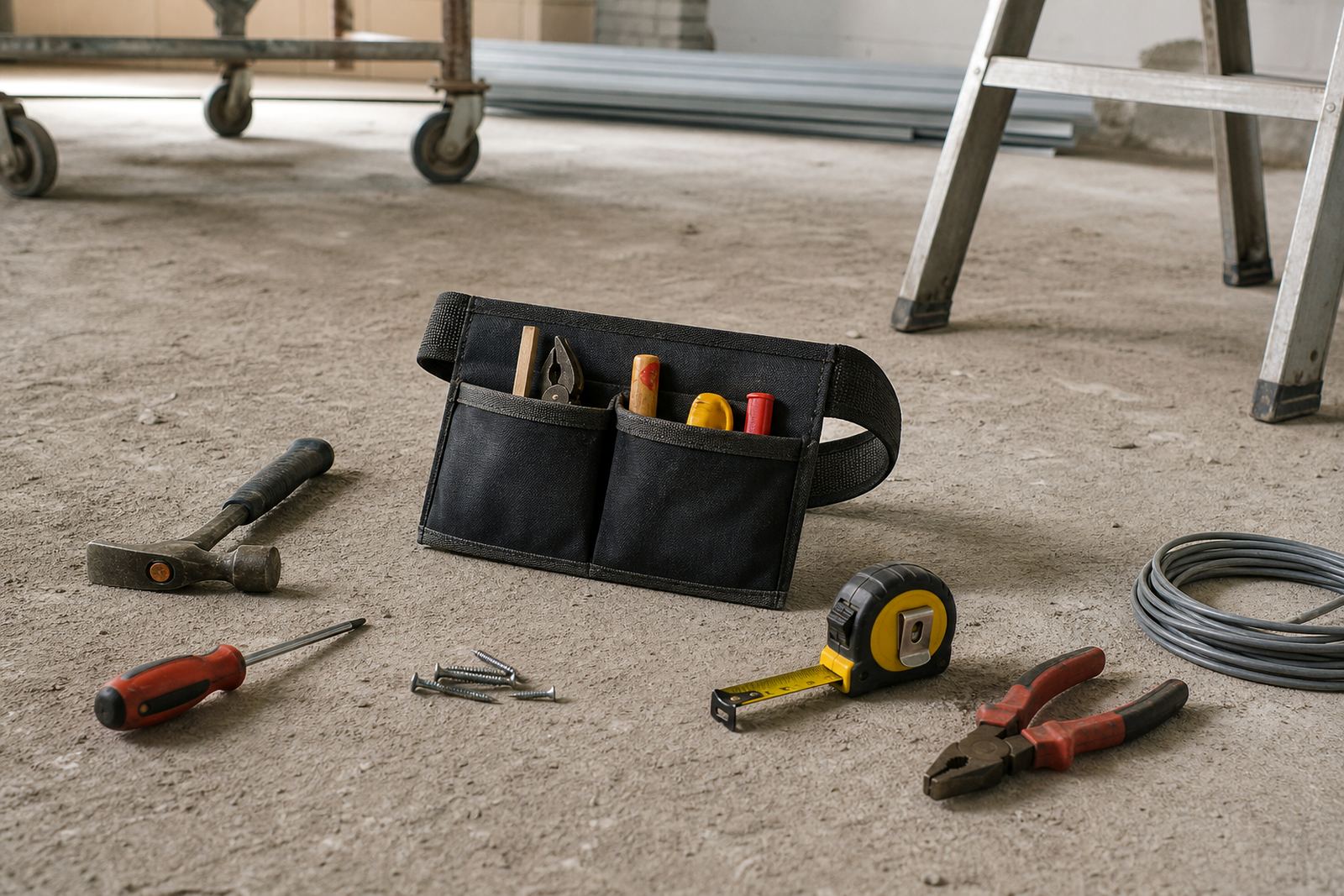
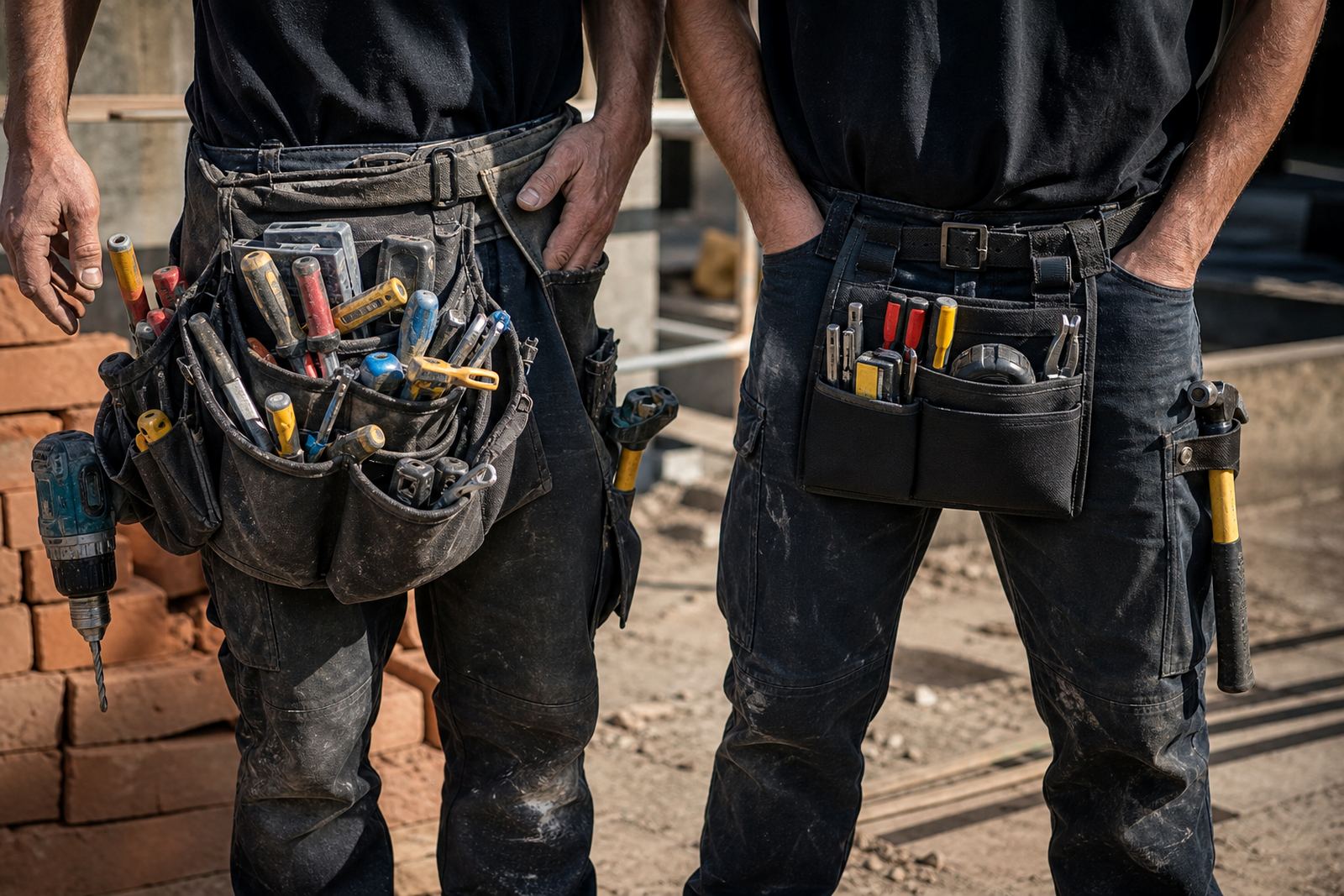
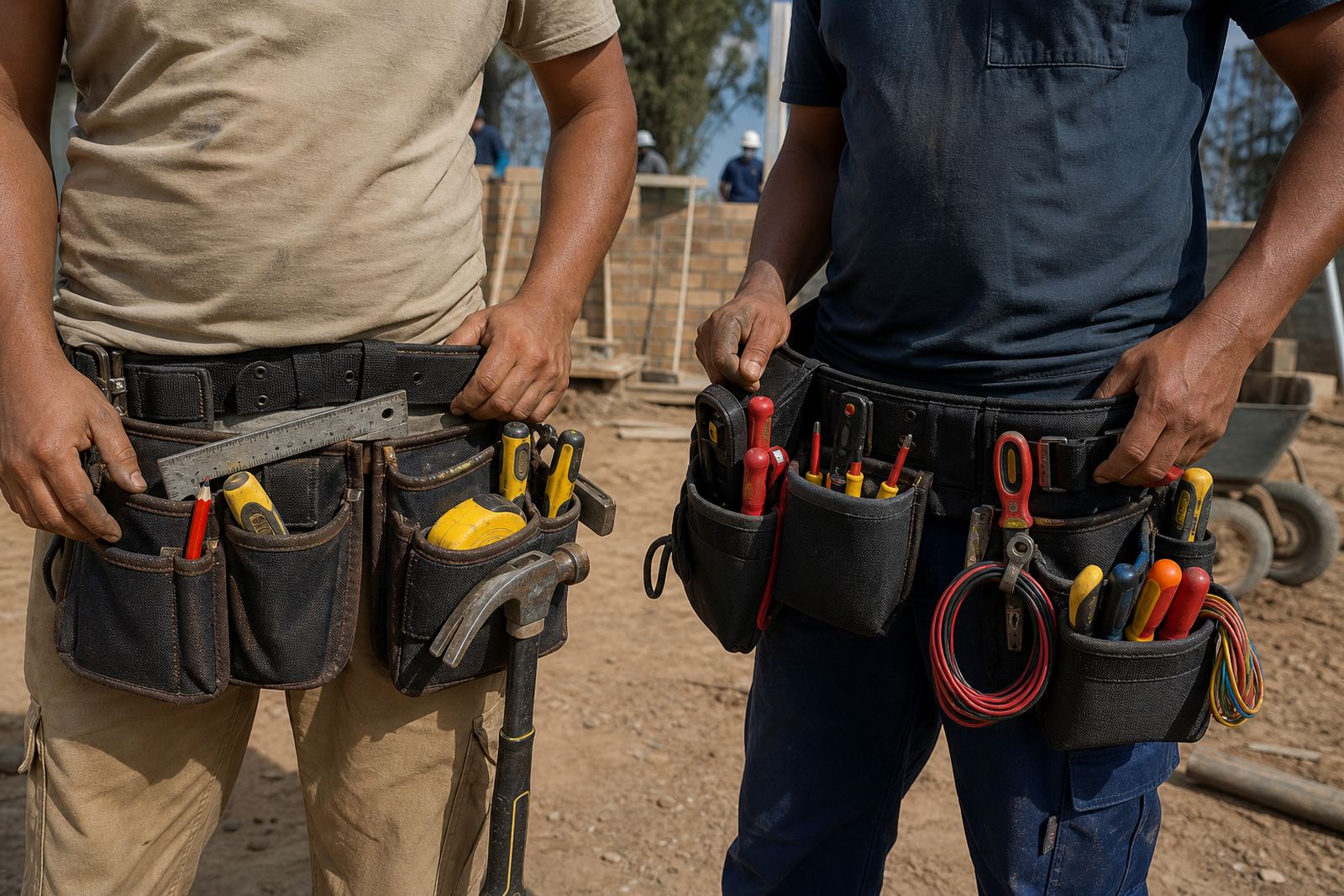
A builder usually needs space for nails, screws, chalk, tape, a pencil, a hammer loop and a few hand tools that are used all day. An electrician often needs smaller, more separated pockets for pliers, cutters, screwdrivers, tester tools and fixings that must stay easy to reach. That difference sounds simple, but it changes how the whole waistbag sits on the body and how quickly you can work.
In Gauteng heat, a bag that is too bulky starts pulling on the hips by mid morning. On a coastal job in Durban or Cape Town, moisture can also affect metal tools and fasteners, so pocket layout matters more than people think. When tools are grouped badly, you spend extra seconds searching and that adds up across a long shift.
Builder layouts: open access and heavier carry
Builder-focused pouches are usually built for mixed fasteners and fast movement. The best ones have wider main pockets, stronger stitching, and enough depth for nails, screws and short hand tools without tipping out every time you bend down. A good builder setup also keeps sharp items separate from loose fasteners so the bag stays practical and safer on busy sites.
- Deep pockets for nails, plugs and screws
- Hammer loop with enough space for easy swing
- Extra sleeves for tape, pencil and a utility knife
- Reinforced belt points for heavier daily carry
For builders working on housing projects in Alberton, Midrand or Centurion, this kind of layout helps when you are moving between tasks. You can carry the usual fixing items, then add one or two heavier tools without the pouch sagging too much. The aim is speed, not fancy storage.
Electrician layouts: separation, control and smaller fittings
Electrician pouches need more control over the space inside the bag. Tools are often slimmer, longer and used in a specific order, so the layout should keep each item visible and easy to return after use. Good electrician waistbags usually have narrow sleeves, smaller dividers and enough structure to stop tools from rubbing together.
That matters on installations where you are working around conduits, distribution points or ceiling spaces and need both hands free. A bag that is too loose can slow you down and makes it harder to keep small parts from getting mixed up. In some jobs, a small pocket for connectors or terminals is just as useful as a big one. The right setup can be the difference between smooth work and repeated trips back to the van, which is a pain when load-shedding has already shortened the day.
- Separate sleeves for pliers, cutters and screwdrivers
- Small pockets for terminals, fasteners and tape
- Support for test and marking tools
- Layout that reduces tangling and pocket clutter
Belt fit and comfort on long South African job days
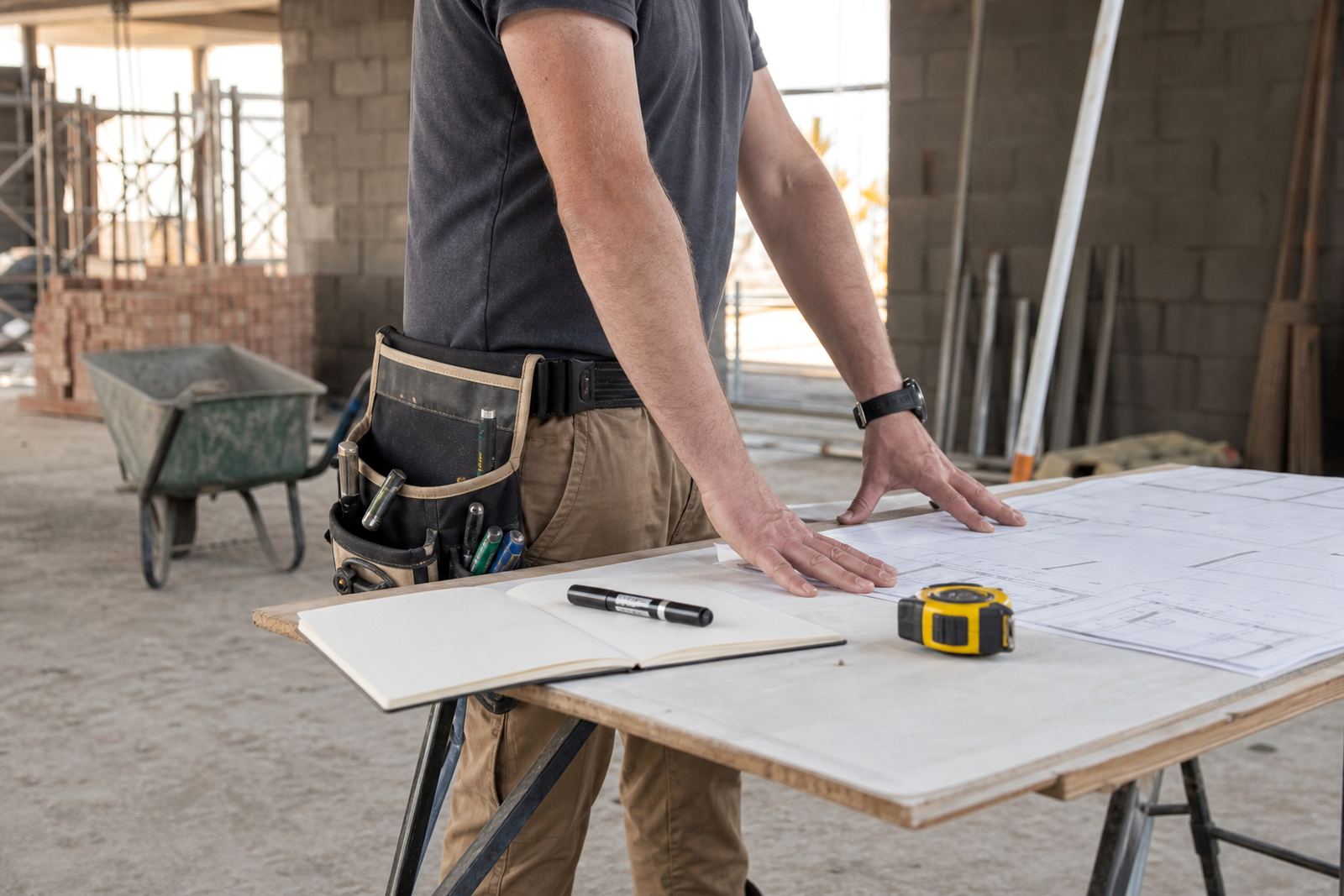
Comfort is not a nice extra, it is part of the job. If the belt is too loose the pouch swings. If it is too tight, you start feeling it across the lower back by lunchtime. For both builders and electricians, the belt width, buckle grip and padding must match the amount of weight being carried.
On long commercial jobs in Pretoria or Polokwane, teams often wear the waistbag for most of the day. That means the belt should sit level, not twist and not dig in when you crouch or climb. It also helps to match belt size before ordering, especially for mixed teams. A good fit keeps the pouch in the right place so one hand can reach tools quickly without overreaching or adjusting straps every few minutes. In practice, that saves time and a lot of irritation.
What to choose for mixed teams and contractor rollouts
Some sites use builders, electricians and general handymen on the same project, so the best solution is not always one standard pouch. Mixed teams may need starter kits, tool pouch sets or belt combinations that are planned around each role. This is where layout planning matters more than buying the cheapest option.
For contractor order support, it helps to group the work by task type first. For example, a rollout for a new residential development in Johannesburg may need builder kits for masonry and framing crews, while electricians need narrower pouches with more controlled storage. The goal is to keep every worker supplied with the right carry setup from day one, instead of changing later when the job is already moving. A bit of planning at the start can save a lot of re-ordering.
- Match pouch size to the trade task
- Check belt size before bulk supply
- Separate starter kits by crew type
- Plan replenishment for fast moving items
A practical local example from Alberton to the coast
A small contractor based in Alberton may send one team to a renovation in Cape Town and another to a fit-out in Durban. The builder crew will usually need more fastener capacity and a pouch that can hold heavier daily tools. The electrician crew will need cleaner separation and lighter carry, especially when moving through ceiling work or finishing details.
That kind of split shows why one pouch style does not suit every trade. Builders want space and quick access. Electricians want order and smaller compartments. If a team is working through humid coastal mornings, metal parts and tool finishes also need a storage layout that keeps things tidy and ready for use. A well chosen waistbag does not just carry tools, it helps the crew stay organised and workng at the same pace across the day.