Why comfort matters before the first tool goes in
A belt that feels fine for ten minutes can feel very different after a full shift on a slab, scaffold or service run. Builders and electricians often carry screwdrivers, pliers, tape, cutters, markers, fasteners and fixings, and the weight builds up fast if the belt sits badly. A comfortable belt does more than feel nicer. It helps you move properly, keep tools where you need them and avoid constant tugging at the waist.
Comfort also affects how steadily you work. If a belt twists when you bend or digs in when you kneel, you spend time adjusting it instead of working. That matters on busy sites where you may be moving between prep areas, ladders and mixed trade work. In humid conditions, especially along the coast, the wrong belt can become sticky and tiring by midday.
Fit starts with the right belt length and closure
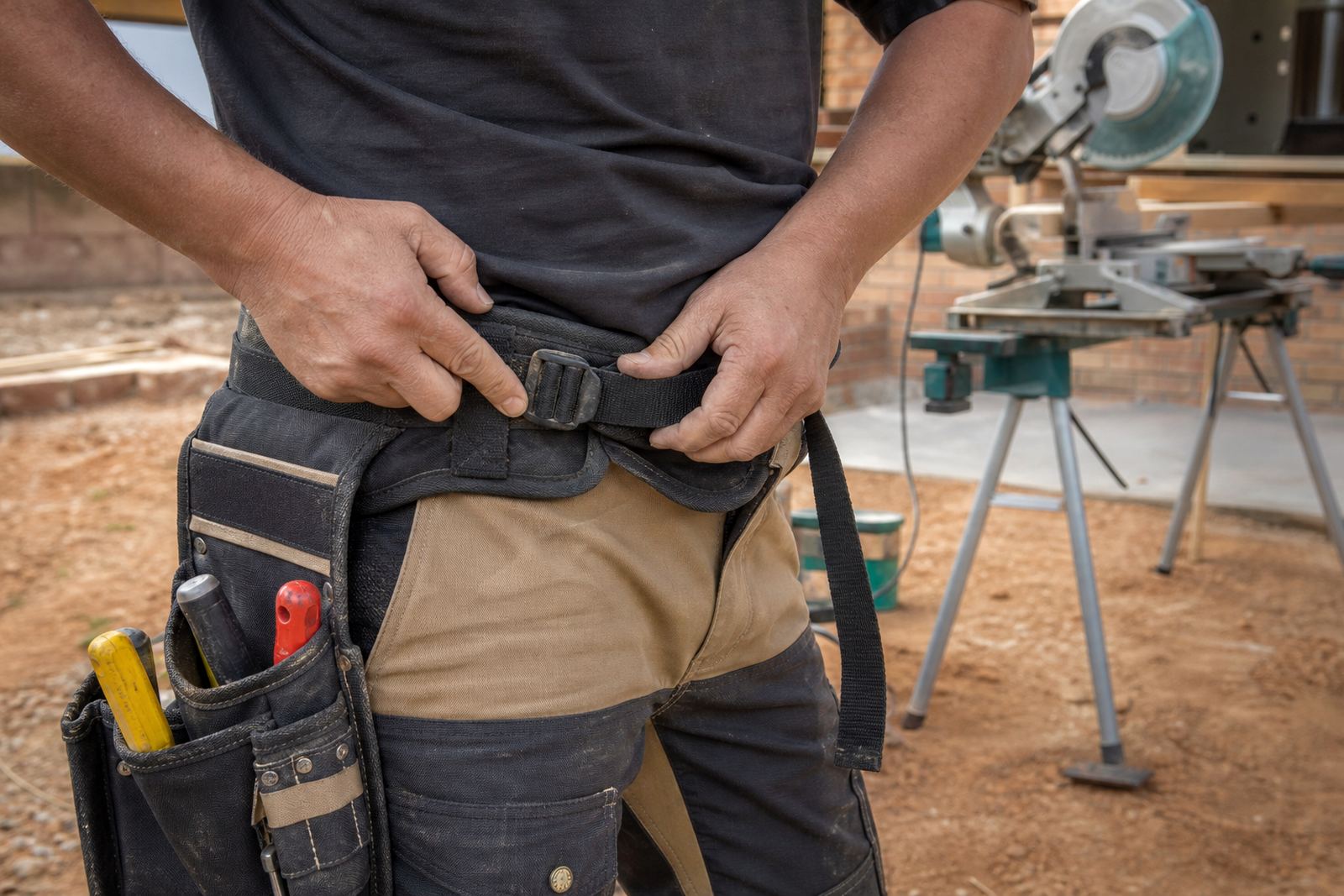
The first comfort check is simple: the belt must match the waist size and sit where the pouches will actually hang. Too loose and the load slips down. Too tight and every movement feels restricted. A good fit leaves room for a shirt, a jacket on cooler mornings or an extra layer when the weather shifts, which happens often around Johannesburg and Pretoria sites.
Look for a belt that closes securely and stays put under load. If the fastening stretches, slips or presses into one point, you will feel it quickly. The best result is a snug fit with enough adjustment to work across different tasks and seasons. For teams that share kit, belt size matching is worth planning properly so each person gets a usable setup rather than a one-size-fits-all guess.
- Measure over the clothing you usually wear on site.
- Leave space for movement when bending, crouching and climbing.
- Check that the belt does not ride up when the pouches are full.
- Test the closure after loading the pouches with real tools.
Padding makes the difference on long shifts
Padding is one of the simplest ways to improve all-day comfort. A padded belt spreads pressure across more of the waist, which helps when you are carrying heavier items or working through a long installation. Without padding, the edge of the belt can press into the body and leave the wearer sore before the day is done.
Not all padding is equal though. It should support without making the belt bulky or trapping too much heat. A thick but clumsy belt can be just as irritating as a thin one. For electricians who need to move between ceiling work, distribution boards and service points, the right balance is important. You want support and freedom, not extra weight around the waist.
- Choose padding that sits flat and does not bunch under the pouches.
- Check that the lining does not chafe when you sweat.
- Make sure the belt still bends comfortably when you sit or kneel.
- For very long jobs, rotate heavier kit between two pouches if needed.
Even weight keeps the body working properly
A belt becomes far more comfortable when the load is balanced. If all the weight sits on one side, the body compensates and the belt starts pulling unevenly. That can cause a sore hip, a twisted stance or a habit of leaning to one side. On a full day, that small imbalance becomes noticeable.
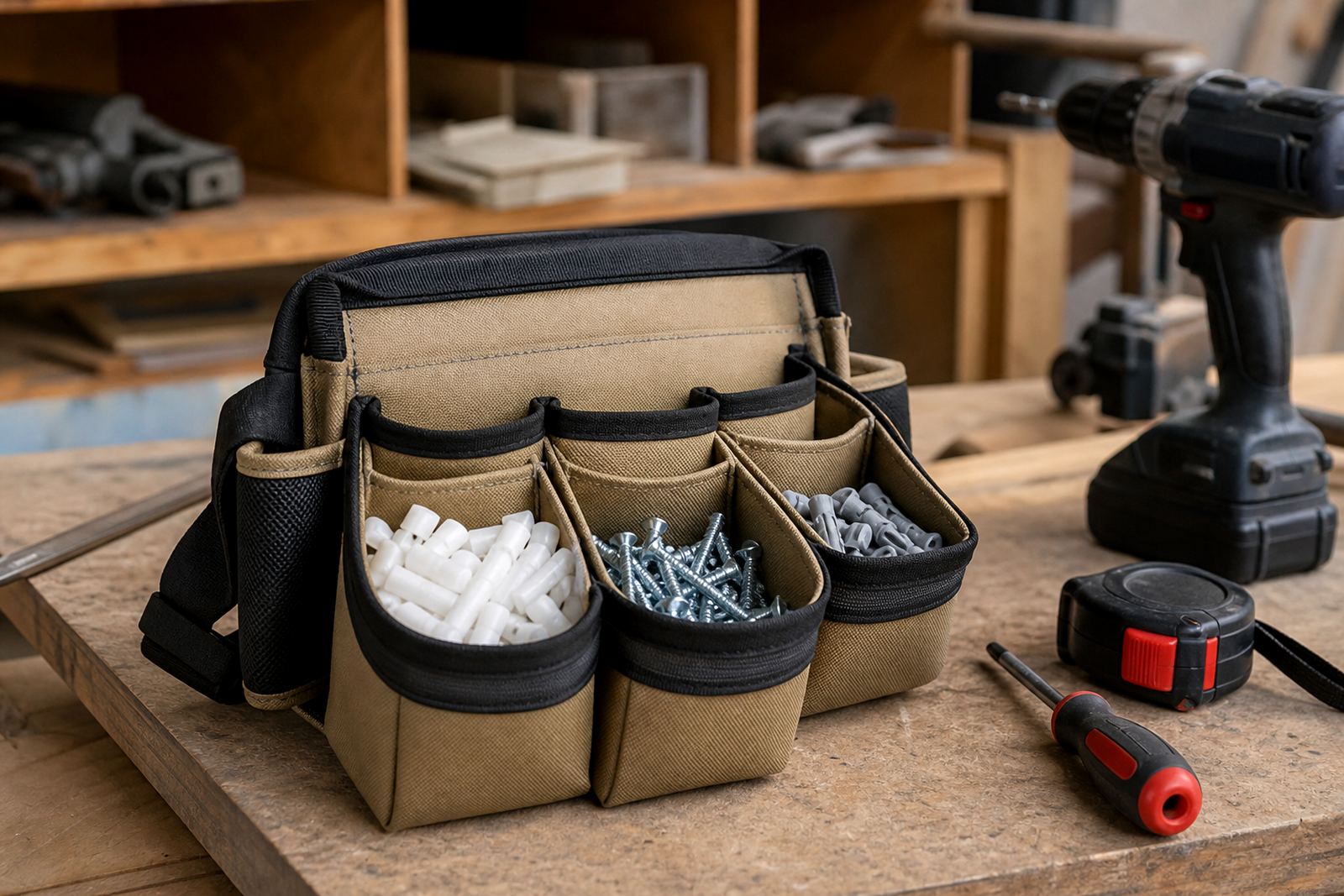
Think about how tools are used during the day. Fasteners, pencils and a tape measure are reached for constantly, while heavier items such as a hammer or insulated cutters should be placed where they do not throw the belt off-centre. The layout should suit the work, not just pack everything in wherever it fits. For mixed trade crews in Gauteng, a well planned pouch layout saves time and makes the belt feel lighter than it is.
Good layout planning also helps when the job changes. If your team starts on framing in the morning and shifts to electrical fitting in the afternoon, a mixed trade kit should still keep the load balanced. A belt that feels sorted at 7 am should still feel manageable at 3 pm, not hanging awkwardly by tea break.
Breathable materials help in heat, dust and humidity
South African site conditions are not always kind to gear. Dust, sweat, concrete splash and coastal humidity all test the comfort of a waist belt. Materials that hold moisture or stay stiff in the heat can become a problem very quickly. Breathable sections and practical stitching help the belt stay wearable for longer periods.
In Durban or Cape Town, moisture can build up fast during a long shift. In inland areas, heat and dust can still make a heavy belt feel worse by lunchtime. A belt that dries reasonably well and does not rub when damp is a better choice for daily use. The same applies to the pouches attached to it: they should hold shape without becoming hard and uncomfortable once the weather changes.
- Look for material that wipes clean after dust or plaster work.
- Choose stitching that holds under repeated loading and movement.
- Avoid rough inner edges that rub through shirts or overalls.
- Check how the belt feels when it is a bit damp, not just dry.
A comfortable belt is one that matches the job
There is no single belt that suits every trade task. A builder doing brickwork, fixing trims and carrying fasteners all day may want a different setup from an electrician running cable, setting out fittings and working around panels. Comfort comes from matching the belt to the day’s work, then keeping the setup simple enough to use without fuss.
That is why starter kit builds, site specific selection and contractor order support matter. A crew in Alberton may need one mix of pouches for day-to-day site work, while a team handling rollout jobs across Midrand and Centurion may want a different arrangement for quicker restocking and cleaner access. The right belt should support the task rather than forcing the task to fit the belt.
When the job is planned well, the belt almost disappears into the routine. You stop noticing it because it sits right, carries the load properly and leaves your hands free for the work that matters.
Local example: what comfort looks like on a real site day
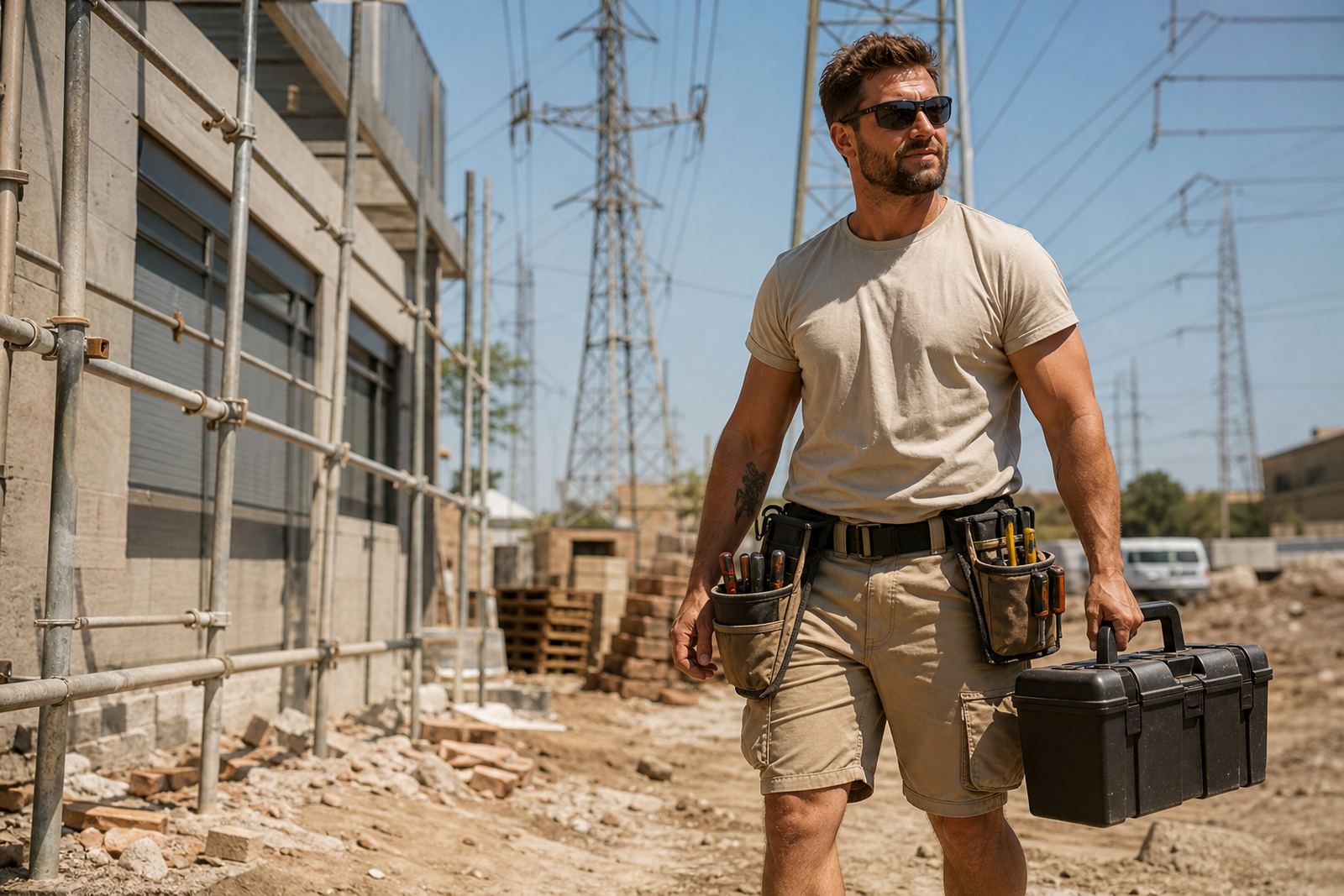
On a busy build in Alberton, a small electrical crew may start with service checks in the morning, move to cable pulls after lunch and finish with final fittings before the site handover. If the belt is too tight, the fitter keeps loosening it between tasks. If it is too loose, the pouches swing while climbing stairs or moving between units. By the end of the day that becomes tiring, and sometimes a bit irritating too.
A better setup is straightforward: the belt matches the waist size, the padding sits flat, the main tools are placed in balanced positions and the team has enough space for gloves, tape and fixings. That way the belt supports the work instead of fighting it. For builders and electricians working through long shifts across Johannesburg, Pretoria, Durban, Cape Town and Polokwane, comfort is not a bonus. It is part of getting the job done properly.
Choosing comfort that lasts through the week
All-day comfort is usually the result of small sensible choices rather than one fancy feature. Get the size right, use padding where it helps, balance the weight and make sure the belt suits the conditions on site. Do that and the belt will feel better not just on day one but after repeated use across the week.
For teams ordering in bulk or building mixed trade kits, it helps to think beyond the first fit test. A belt should stay comfortable after repeated loading, movement and exposure to site conditions. That is what makes it practical for crews who rely on their gear every day, not just when it is new.
If you are setting up belts for builders or electricians, plan for comfort from the start and the whole crew benefits. Better fit means less fuss, fewer adjustments and a cleaner working rhythm through the shift.