Why measuring tools need their own pocket system
On a busy site, the measuring set is used more times than most people notice. A tape measure gets pulled out for checking stud spacing, marking cut lengths, setting out conduit runs and confirming clearances before fixing anything in place. If those items are mixed in with fasteners or hand tools, you slow down and you also increase the chance of losing small pieces.
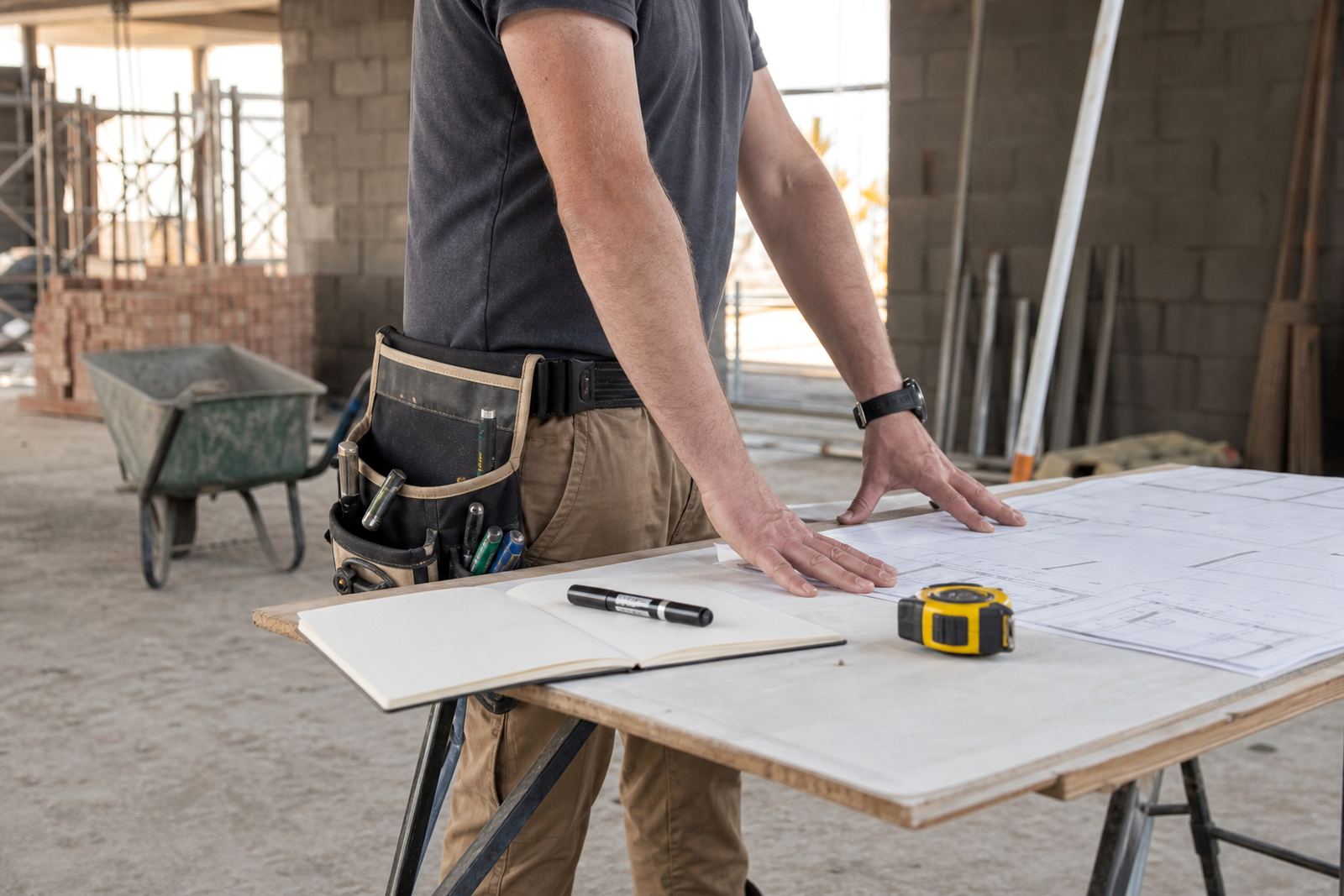
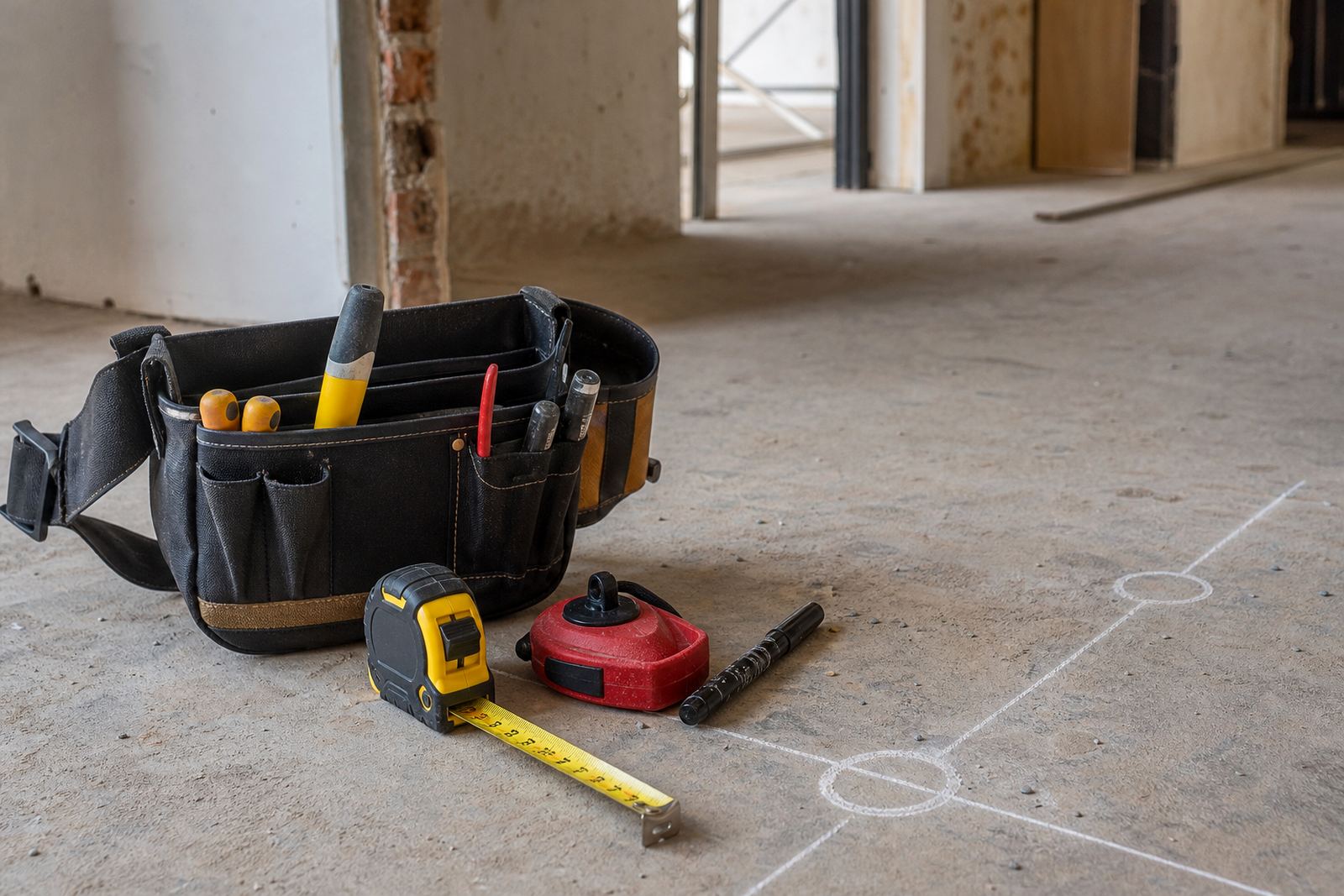
A proper tool pouch or utility waist belt gives measuring items a fixed home. That means the tape measure sits in one pocket, markers in another and a chalk line or pencil in a narrow slot that keeps it from falling out when you climb ladders or move around scaffolding. For builders and electricians working in Gauteng heat or coastal humidity in Durban, this matters because small tools are easier to keep dry, clean and within reach.
At Waistbags Pro in Alberton, the aim is simple: carry the right measuring tools in a way that suits the job, not just the habit. A good layout saves seconds all day, and by the end of a shift that adds up.
Pocket layouts that work for tapes, markers and chalk lines
Not every pouch suits every trade. A builder setting out walls may want a wider main pocket for a tape measure and a few marking pencils, while an electrician often needs slimmer pockets for insulated markers, a chalk reel and a compact square. The best arrangement is the one that matches how often each item is used.
Look for these practical features when choosing a pouch layout:
- A firm tape measure pocket that keeps the case upright and easy to grab
- Narrow pen or marker slots so writing tools do not roll out
- A separate pocket for chalk lines or snap lines to prevent tangling
- Small front sleeves for a steel rule, marker cap or spare pencil leads
- Reinforced edges so the pocket stays open after repeated use
For teams doing project rollout supply, standardising this layout across all workers helps with consistency. When everyone carries measuring tools in the same place, handovers are quicker and stock checks become easier too.
Comfort matters when you are moving all day
Measuring work often means constant walking, bending and climbing. If the waist belt sits badly or the pouch swings too much, you feel it by lunchtime. A comfortable belt should stay secure without digging in, even when the pouch holds a tape, several markers and a chalk line. That is especially important for electricians who move between roof spaces, switch rooms and external runs.
Size matching is worth getting right. Too loose and the pouch shifts around. Too tight and the belt becomes irritating after a few hours. In warmer parts of South Africa, especially during summer, a belt that fits well also helps reduce rubbing and keeps the pouch stable when you are sweating or working in layered clothing.
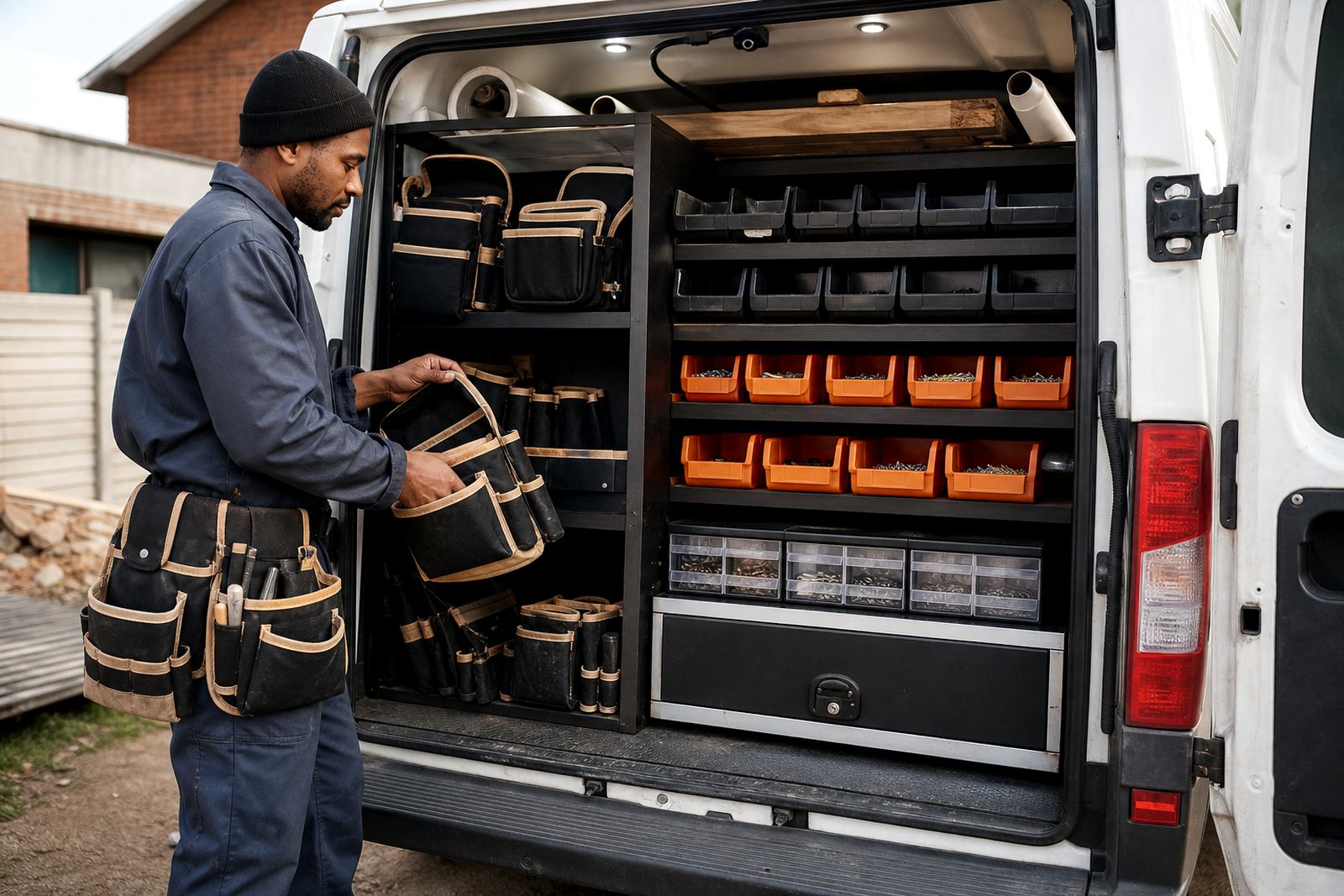
If you are buying for a team, it helps to compare belt sizes before placing a bulk order. Starter kit builds and belt size matching make a noticeable difference on site because the right fit reduces wasted time and keeps measuring tools ready for use.
Protecting measuring accessories from dust, rain and site damage
Measuring accessories are small, but they are not indestructible. Chalk lines pick up dust, marker tips dry out and tapes can jam if rubble gets inside the case. On construction sites in South Africa, you also deal with fine dust, sudden rain and the occasional bit of plaster or screed splatter. A pouch should help protect these items, not leave them exposed.
Practical storage habits make a difference:
- Keep the tape measure in a dedicated pocket after every use
- Store markers tip-up when possible to help reduce drying out
- Shake out loose dust at the end of the day
- Keep chalk lines separate from wet items or adhesive products
- Check the belt stitching and pocket seams during stock replenishment
In coastal areas like Cape Town and Durban, where humidity can affect tools, it is worth wiping measuring items down before packing them away. A dry pouch lasts longer and helps keep the contents in better working order.
A local example from a mixed trade site in Gauteng
Take a typical residential project in Alberton or Midrand, where a builder and an electrician are both on site before first fix. The builder needs to mark wall lines, check openings and measure timber or board lengths. The electrician is setting out conduit routes, box positions and cable entry points. Both trades need fast access to measuring tools, but not in the same way.
The builder may carry a broader pouch with a tape measure, carpenter pencils, a chalk line and a small square. The electrician may use a slimmer layout with a compact tape, marker pens and a few small accessories that suit layout work. If both team members use mixed trade kits, the pouch can be set up to suit each role without overloading it.
That kind of layout planning helps contractors keep work moving across sites in Johannesburg, Pretoria and Centurion, where teams often rotate between tasks during the day. A clear measuring setup also cuts down on borrowed tools and the time lost looking for a pencil that was left on a ladder.
Choosing the right kit for builders and electricians
When you are choosing a measuring tool carry setup, start with the job. A builder doing structural layout needs a different mix from an electrician focused on service installs and final fit-off. The pouch should support the way you work, not force you to rearrange your tools every hour.
Use this checklist before placing an order:
- Does the pouch hold the tape measure securely without forcing it in?
- Are the marker pockets deep enough to stop tools falling out?
- Is there space for a chalk line without crowding other items?
- Will the belt fit the worker comfortably over clothing or safety wear?
- Can the layout be repeated across a whole team for easier support?
For contractors managing stock across multiple crews, a measured approach pays off. With contractor order support, stock replenishment plans and site specific selection, it is easier to keep the right measuring setup in circulation and avoid mismatch on site.