Start with the tools that actually stay on you
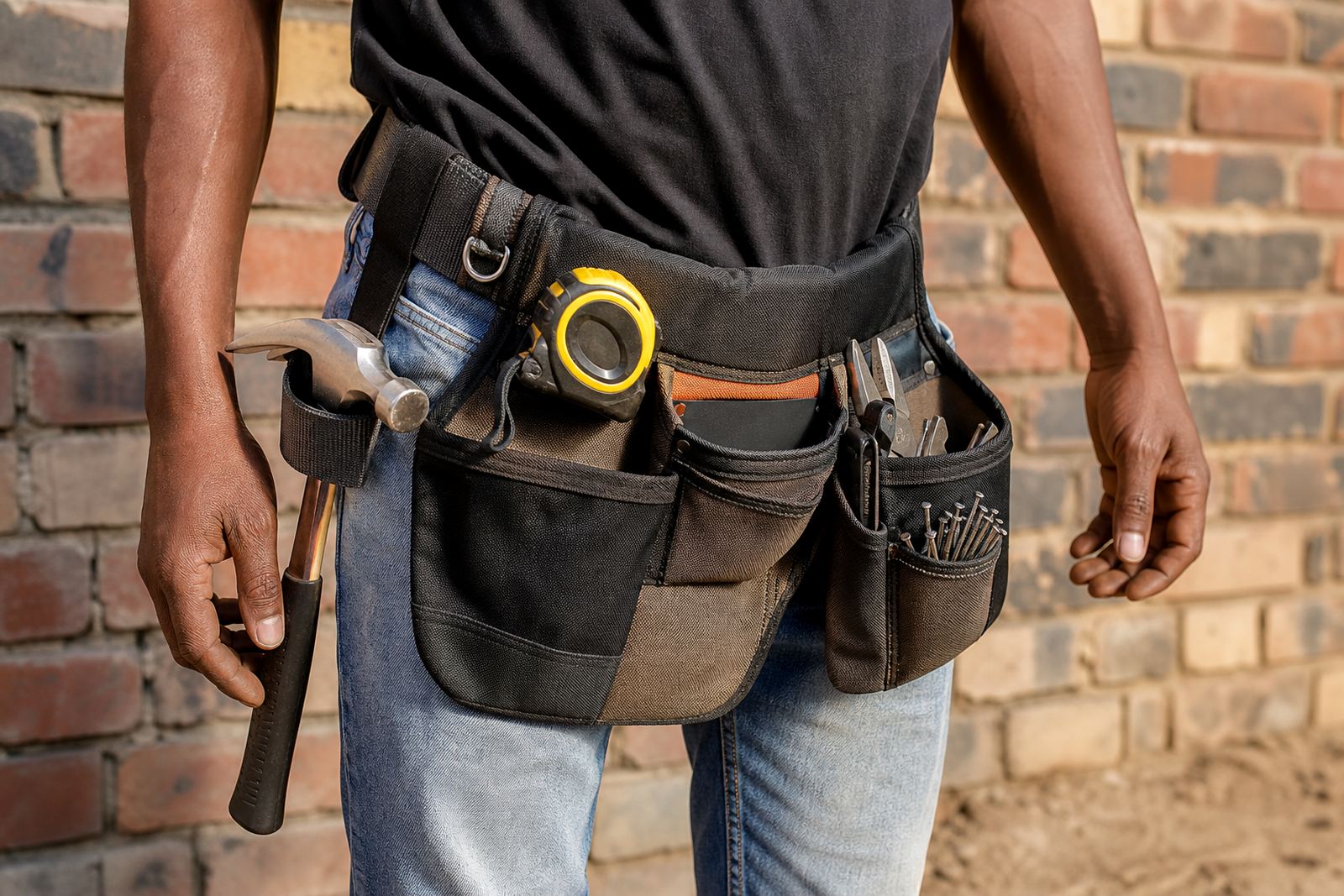
Roof work is not the place for a full set of hand tools hanging from every loop. Keep only the items you use every few minutes on your belt and move the rest to a staging point on the ground. On a truss job in Alberton or a repair in Midrand, that usually means a tape measure, pencil, knife, a small hammer, side cutters, screws, a driver bit and a few fixings. Everything else should stay in a bucket, tote or site box until you need it.
Less weight means less sway when you climb, kneel or shift across a slope. It also helps reduce back strain over a full day, especially when you are moving between roof sheets, gutters and ladder access. If your pouch is overloaded, items start fighting each other and you lose time digging around for one screw pack or marker.
- Keep only daily-use tools on the belt.
- Move bulk fasteners and spares to a ground station.
- Repack before every roof section so the layout matches the task.
Balance the load so the belt sits properly
A roof belt should sit snugly without pulling to one side. If all the heavy items sit on the right, the belt twists when you bend and you spend the day adjusting it. A better setup is to split weight evenly, with heavier tools low and closer to the body. For electricians working on roof-top conduit runs, that can mean placing the pliers and tester in one pouch and smaller consumables in the other. Builders often carry nails, screws, a chalk line and a compact hammer in a similar pattern.
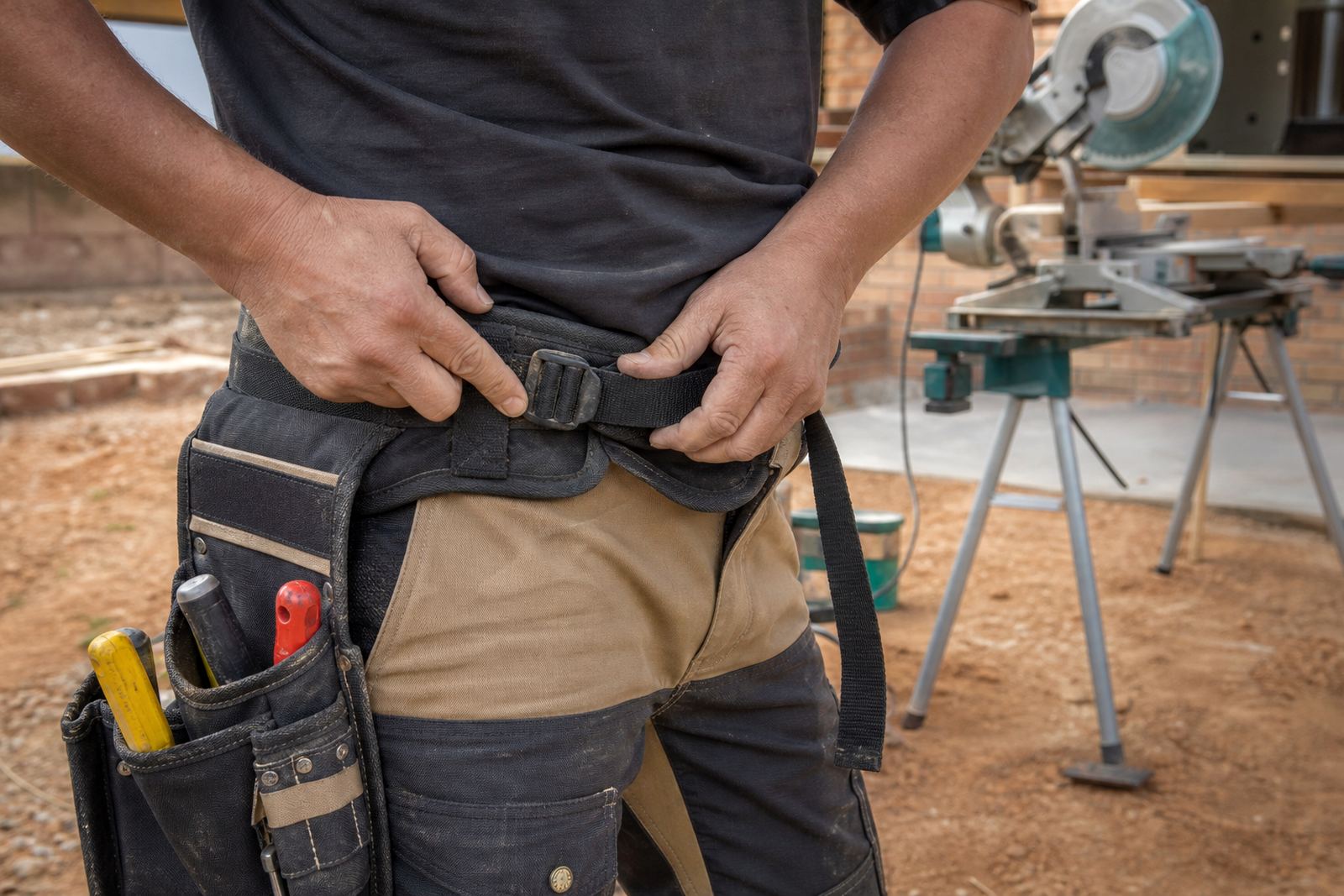
Try the belt on with the same clothing you wear on site. In summer, a shirt and light trousers behave differently to winter layers, and a poor fit becomes obvious once you climb a ladder. If the belt is too loose it slips. If it is too tight, you get pressure on the hips and you will remove it by lunch. Belt size matching is worth doing properly, not roughly.
- Place heavier tools low and close to the body.
- Test the fit with site clothing, not just at home.
- Check that the buckle and keepers do not snag on trusses or sheets.
Use pockets you can reach without looking down
Roof work is safer when your hands know exactly where to go. Pouches with clear pocket separation let you grab a pencil, fastener pack or driver bit without staring into the bag. That matters when you are on a pitched roof or standing on scaffold and need one hand free for balance. A good layout reduces the chance of dropping small items into gutters, onto sheeting, or into a neighbour's yard where retrieval becomes a mission.
Put the most frequently used items in the front and the backup items behind them. Keep sharp tools in their own slots or sleeves so they do not damage gloves and knuckles. If you work in coastal areas like Durban or Cape Town, a pouch that sheds dust and moisture is a sensible choice because salty air and morning mist can rust small steel items quickly, jy know how it goes when a job starts before the sun is up.
- Front pockets for fast access.
- Sharp tools in dedicated slots.
- Moisture-sensitive items sealed or separated from damp gear.
Match your carry setup to the roof type
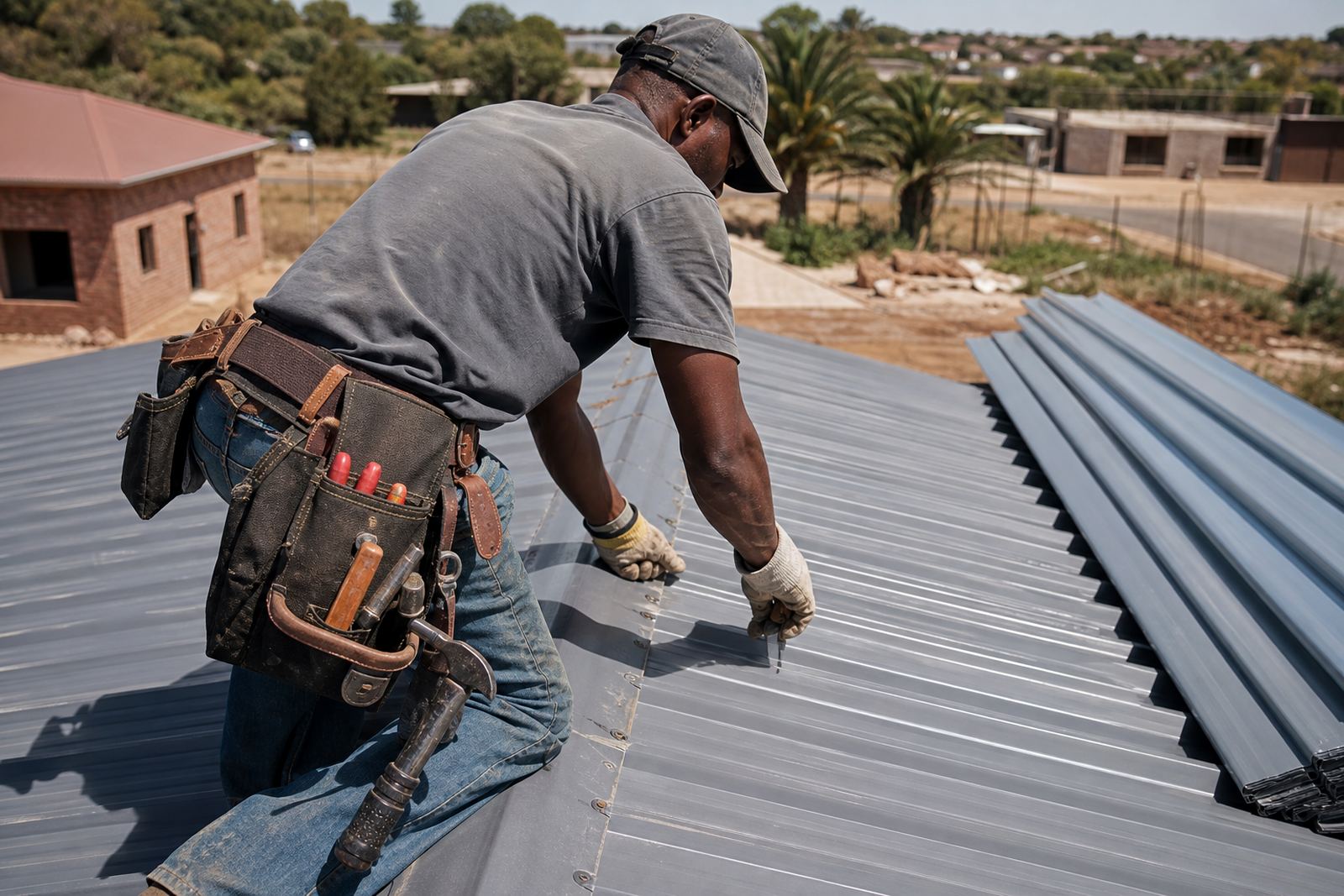
Different roofs need different carry habits. On tiled roofs, you usually move more carefully and want smaller pockets that do not catch on ridges or battens. On metal sheeting, you may need a cleaner profile so your pouch does not drag on the sheet edge. For long runs across a large commercial roof, a lighter layout is better than a full pouch load, because every extra kilogram feels heavier after 30 minutes in the sun.
For builders, the most common issue is carrying too many loose nails and screws that shift every time you crouch. For electricians, the risk is a mix of small components and test gear that can be crushed or dropped. Site specific selection helps here, because a roof repair team in Pretoria will not pack the same way as a new build crew working on an estate in Polokwane.
- Tiled roofs call for a tighter, smaller carry profile.
- Metal roofs need a slim setup that does not snag.
- Large roofs are easier with a lighter, planned load.
Keep your hands free for ladders and edge work
Getting onto the roof is one stage where carry mistakes show up fast. If your belt is too full, it shifts when you climb and can throw your balance off. Keep both hands available for the ladder and use a pouch that does not force you to hold items in your hand on the way up. It sounds basic, but many drops happen between the ground and the roof edge, not only on the working surface.
When you are at the edge, avoid overreaching to a pocket behind your hip. Move what you need to the front before you start. If the job includes repeated up-and-down trips, set a small ground station with materials sorted by task so you do not carry more than necessary each time. A neat setup also helps with municipal or site safety checks, where loose items and poor housekeeping can become a problem.
- Keep both hands free during ladder climbs.
- Move working items to front pockets before edge work.
- Use a ground station for repeat trips up and down.
Use a simple packing routine at the start of every shift
The best roof teams use the same packing routine each morning. It saves time and cuts mistakes. Start with the job card, then load only the tools and fixings needed for that section of work. If the crew is handling a roof repair in Johannesburg, for example, one person may carry fixings and marking tools while another handles electrical hardware or sealing items. That split keeps each person lighter and makes handovers easier.
Before leaving site, empty the pouch and check for damaged pockets, loose stitching or bent clips. Dust, plaster and sheet metal burrs wear gear faster than people expect. A quick clean also helps you spot missing items before the next job starts. Over a week, that habit is worth more than fancy gear. It keeps the kit ready and avoids the panic of looking for one missing bit at 6 am.
- Pack by task, not by habit.
- Split heavy work across the crew where possible.
- Inspect and clean the pouch at the end of the day.
A local roofing example that shows the difference
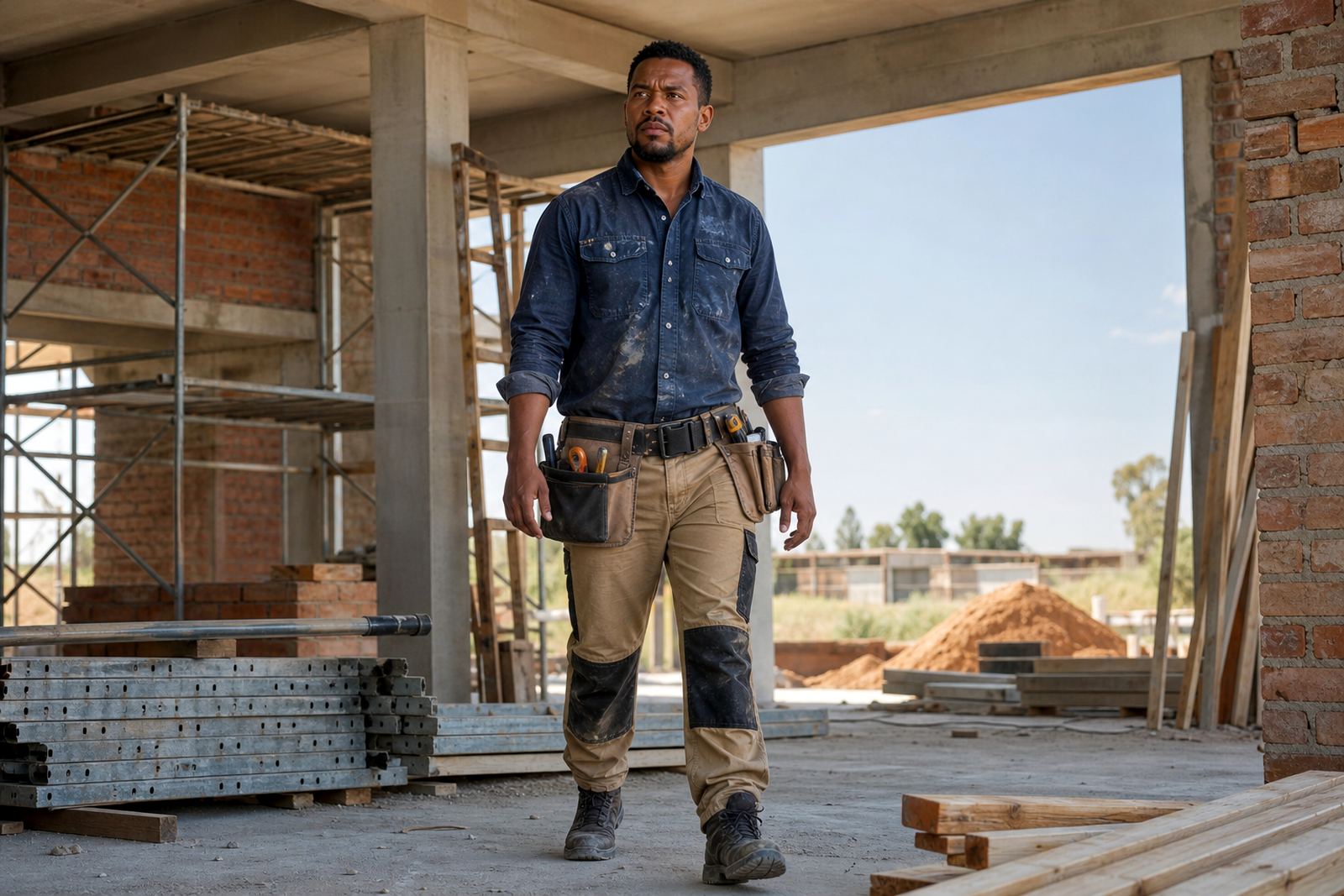
On a mixed roofing job in Alberton, a small contractor had the team carrying everything in pockets and old hardware store bags. The result was slow climbing, dropped screws and constant back-and-forth to the ground. After switching to matched utility belts with proper pouch layout, the crew kept fasteners, marking tools and hand tools on their body and left bulk stock in labelled containers below. The difference was immediate: fewer missed items, less wasted walking and better control on the roof surface.
The lesson is simple. Roof work carry tips are not about carrying more, they are about carrying better. A good belt and pouch setup should keep your hands free, your weight balanced and your tools exactly where you expect them to be. Once that happens, the team can focus on the roof itself instead of fighting the kit.