Start With the Job, Not the Label
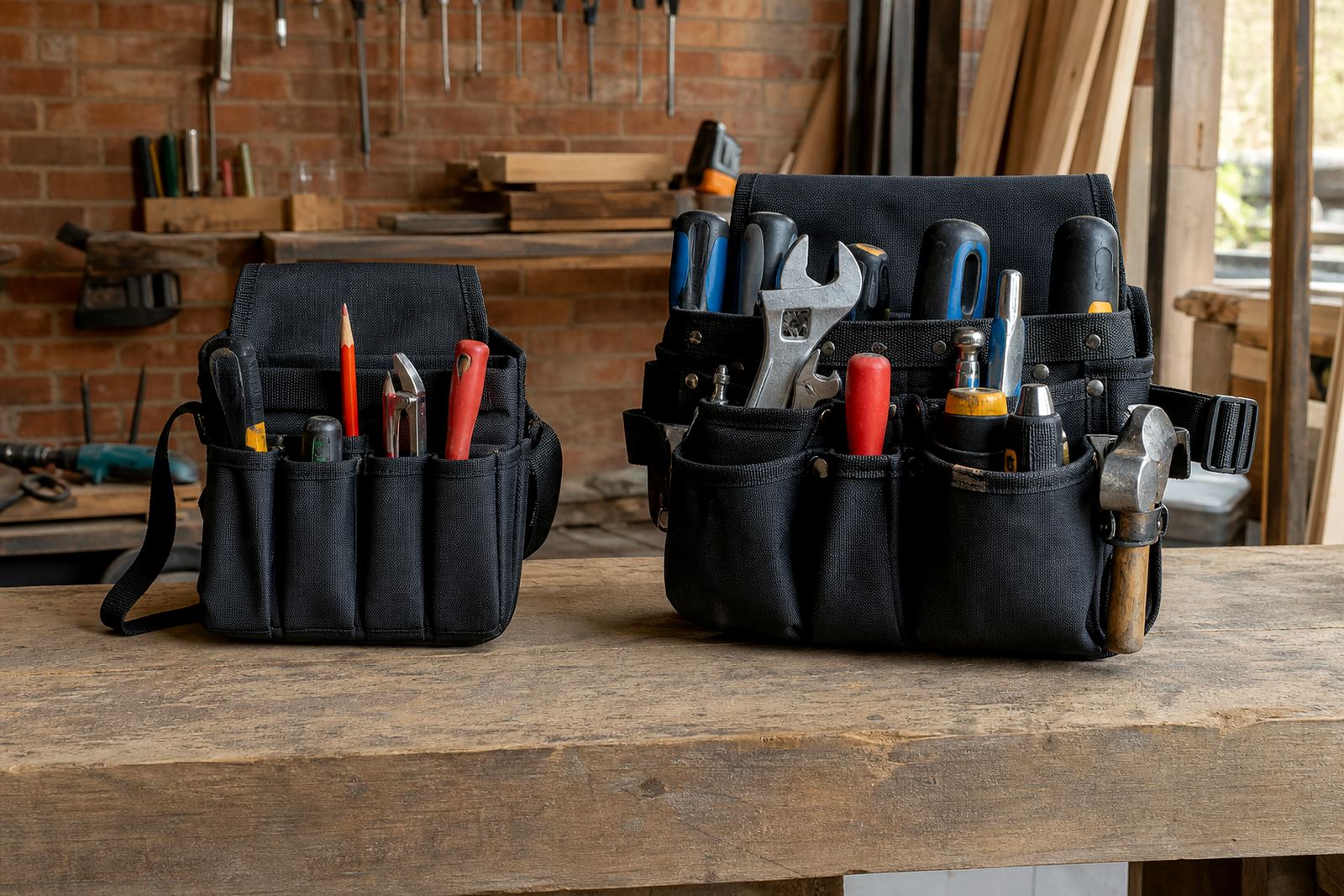
Heavy duty and light duty sound simple, but the real difference is how the pouch behaves on site. A light pouch suits smaller tool loads, quick fixes, service calls and jobs where you are moving between rooms or floors all day. A heavy duty setup is made for longer shifts, rough handling, bigger tool loads and work where nails, hand tools, testers and fixings need to stay secure.
On a Gauteng site in summer, a lighter pouch can be easier on the hips when the temperature climbs and the day runs long. On a roofing or bricklaying job, a tougher pouch with reinforced stitching and stronger belt support helps keep shape when loaded with fasteners and hand tools. The main point is not which one sounds better, but which one saves time without getting in the way.
When Light Duty Makes More Sense
Light duty pouches are a good fit for electricians, maintenance teams and contractors who carry only the essentials. If the job is tracing faults, fitting accessories, or doing smaller installation work, a lighter pouch keeps the load low and the movement easier. It is also handy for teams that do not want a heavy belt pulling on the lower back during long climbs or repeated kneeling.
There is no reason to overbuy a pouch that will sit half empty most of the week. A compact layout often works better than a large one because tools are easier to reach and less likely to fall out when you bend over. In humid coastal areas, lighter materials also dry quicker after rain or sweat, which helps keep the kit more comfortable to wear.
- Best for small tool sets and fast moving work
- Good for electricians, maintenance staff and service crews
- Useful when comfort and low weight matter more than storage volume
- Better when the job only needs a few hand tools, screws and fittings
Where Heavy Duty Pays Off
Heavy duty pouches are built for trade work that puts real strain on gear. Builders who carry tapes, chisels, hammers, nails and fixings need a pouch that holds shape and stays balanced. Electricians working on larger installs may also prefer stronger belt systems and deeper pockets that can carry pliers, cutters, screwdrivers and a small selection of consumables without sagging.
One common mistake is choosing a pouch by pocket count alone. More pockets do not always mean better. If the stitching is weak or the belt is soft, the whole setup will twist once it is loaded. For crews that work on municipal sites or commercial projects with strict site rules, a heavy duty layout also helps keep tools secure while moving through access control points and scaffold areas.
- Better for full day use with heavier tool loads
- Suitable for builders, foremen and site teams
- Helps keep shape when carrying nails, screws and hand tools
- Useful where wear and tear is high, especially on rough site surfaces
Fit and Belt Support Matter More Than Most People Think
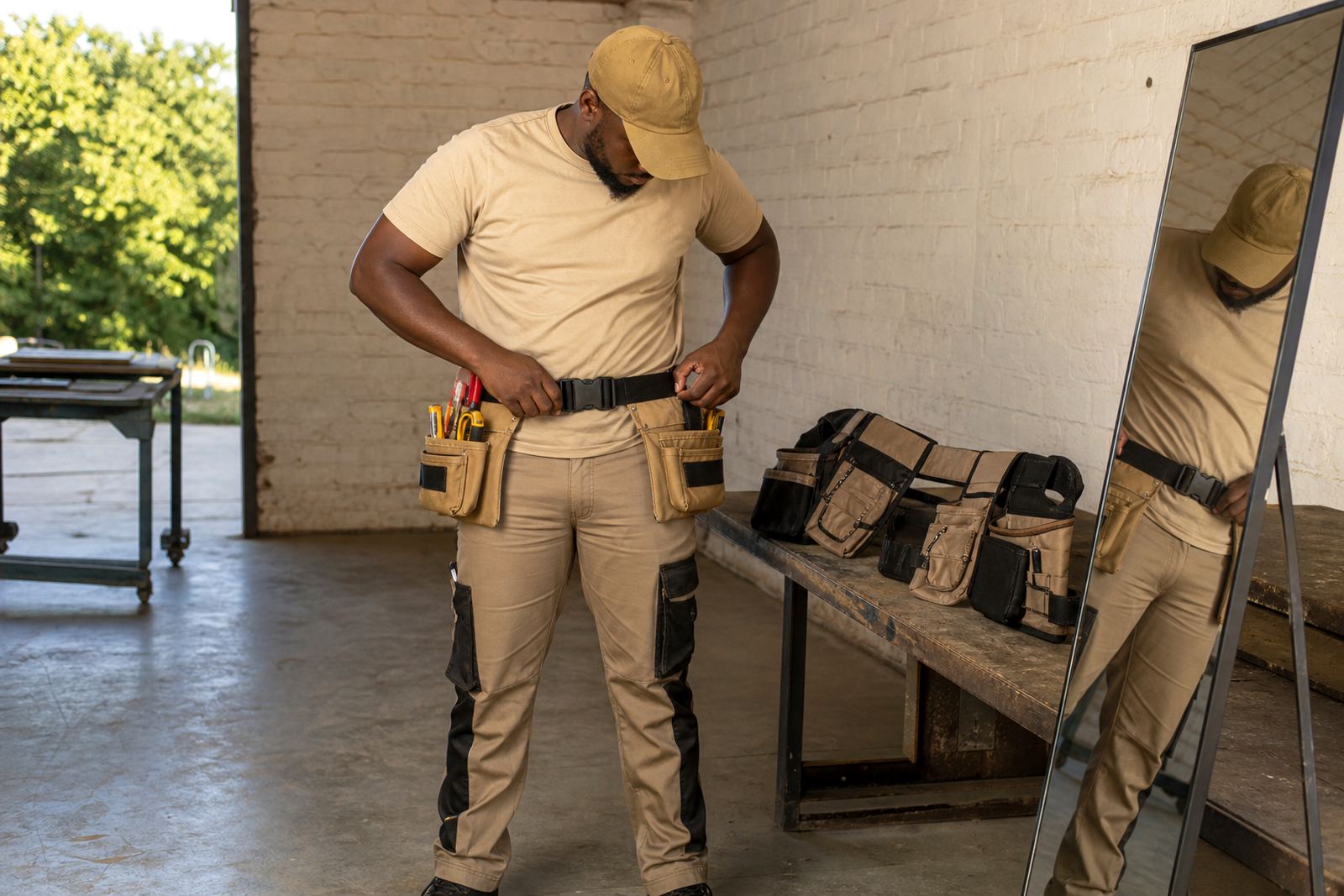
A pouch can be strong on paper and still be unpleasant if the belt is wrong. Belt size matching is worth doing properly because a belt that rides too high or sits loose will shift every time you crouch. That gets tiring quickly, especially when you are bending, climbing or working on uneven ground. The right fit spreads the weight better and leaves your hands free.
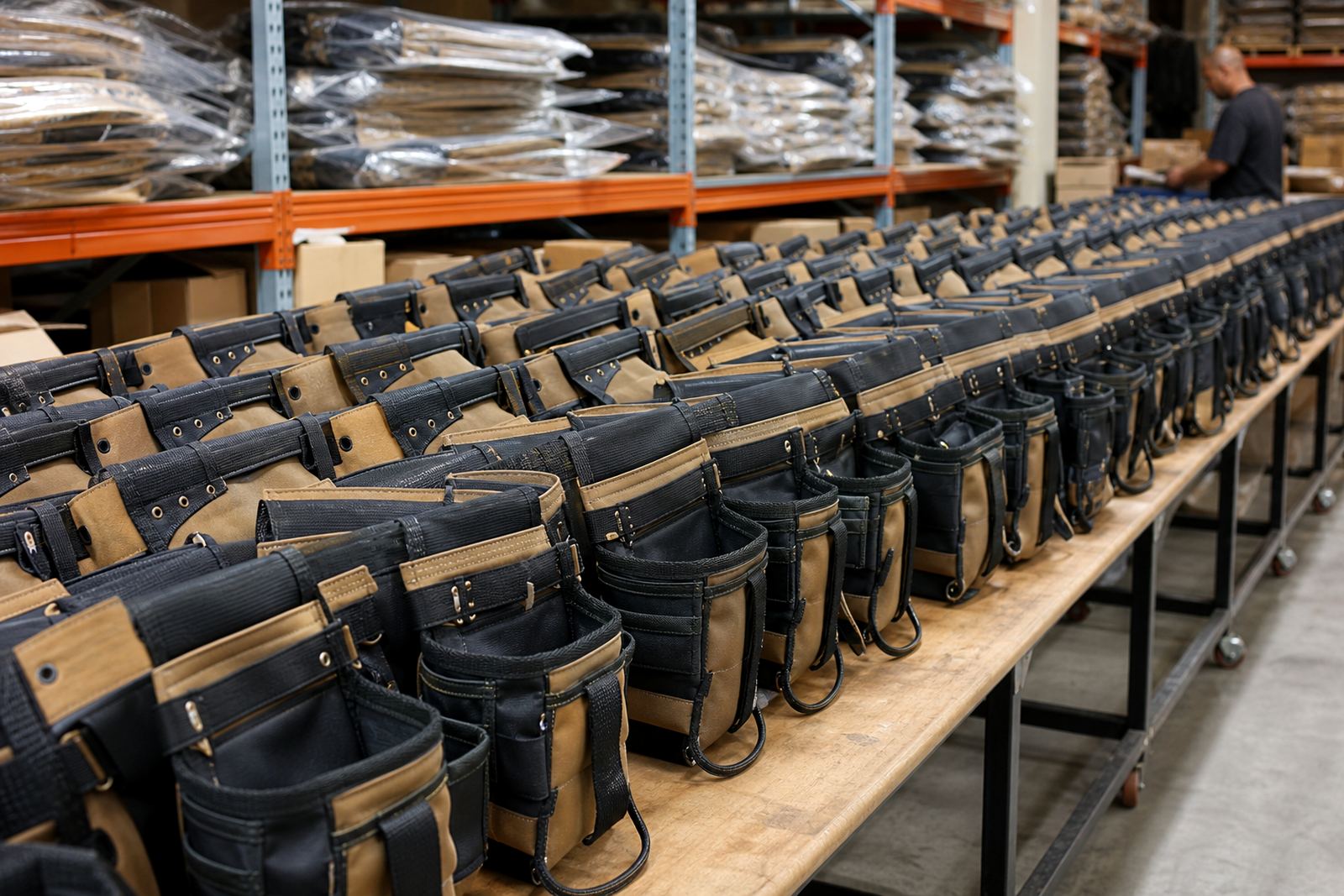
For teams ordering in bulk, it helps to plan belt sizes with the actual crew in mind, not just a standard number. Some workers prefer a snug fit for fast movement, while others need a little more room over workwear in winter. If the belt is adjusted correctly, even a heavy pouch can feel manageable through a full shift, and the tools stay where you put them instead of sliding to one side.
Good fit also helps in load-shedding conditions. When lights go off and the pace changes, crews do not want to waste time searching through loose pockets or reworking a kit that keeps tipping. A balanced belt and sensible pouch layout saves time when the job has to keep moving in low light.
Match the Pouch to the Trade, Not Just the Person
Builders and electricians work differently, so their pouch requirements should not be treated the same. A builder often needs deeper storage for nails, small fixings and hand tools that are used constantly through the day. An electrician often needs more organisation, with pockets that separate cutters, screwdrivers, test gear and small parts. The wrong layout slows both trades down because tools end up buried or mixed together.
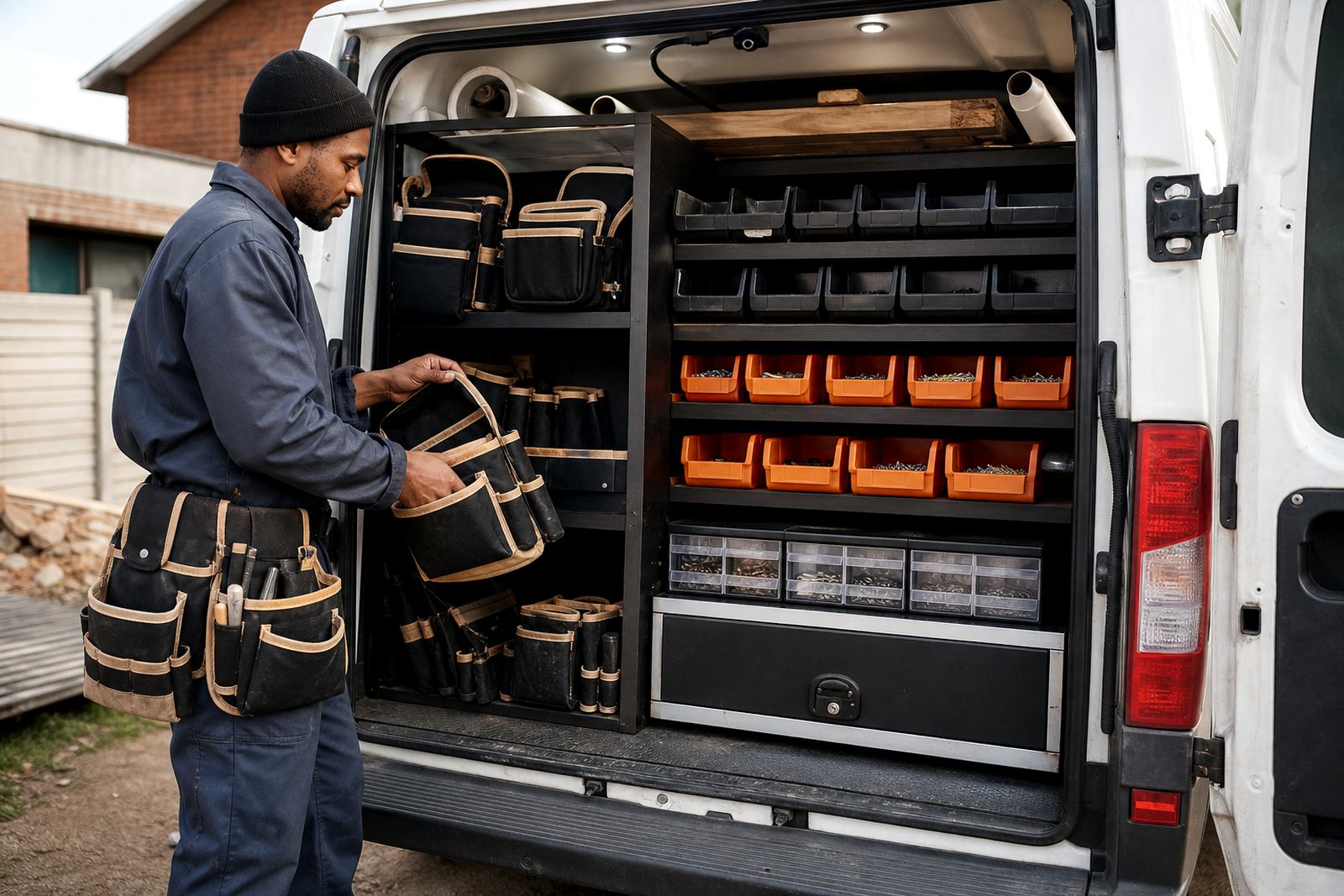
This is where pouch layout planning and starter kit builds become useful. A small crew may need mixed trade kits for site work, while a dedicated electrical team may need a cleaner layout with fewer large pockets and more organised slots. If the work changes from month to month, a site specific selection is usually better than buying one general pouch for everyone.
- Builders often need deeper pockets and stronger carry points
- Electricians often need tighter organisation and quicker access
- Mixed crews benefit from kit planning before placing a bulk order
- Project rollout supply helps keep the whole team using similar gear
A Simple Local Example From an Alberton Site
Take a mid-size project in Alberton with bricklayers, sparkies and a small maintenance team on the same site. The bricklaying crew may need heavy duty nail bags and utility belts because they are moving with fasteners all day and working on rough surfaces. The electricians may be better served by lighter tool pouches for service work inside the building, where they need quick access without carrying unnecessary weight.
If the site runs across several phases, the order can also change as the job changes. Early works might call for heavier pouches, then later snagging and maintenance may suit lighter kits. That is why stock replenishment plans and contractor order support matter. Once the first batch is in use, it becomes easier to see what the team actually reaches for and what gets left behind.
For crews in Johannesburg, Pretoria, Durban, Cape Town and Polokwane, the same logic still applies even if the weather, site rules and travel distances differ. There is no one-size answer. The best setup is the one that holds up, fits right and keeps the load where it should be, not dragging at the hip by lunchtime.