

Data Room Brief From a Midrand Contractor
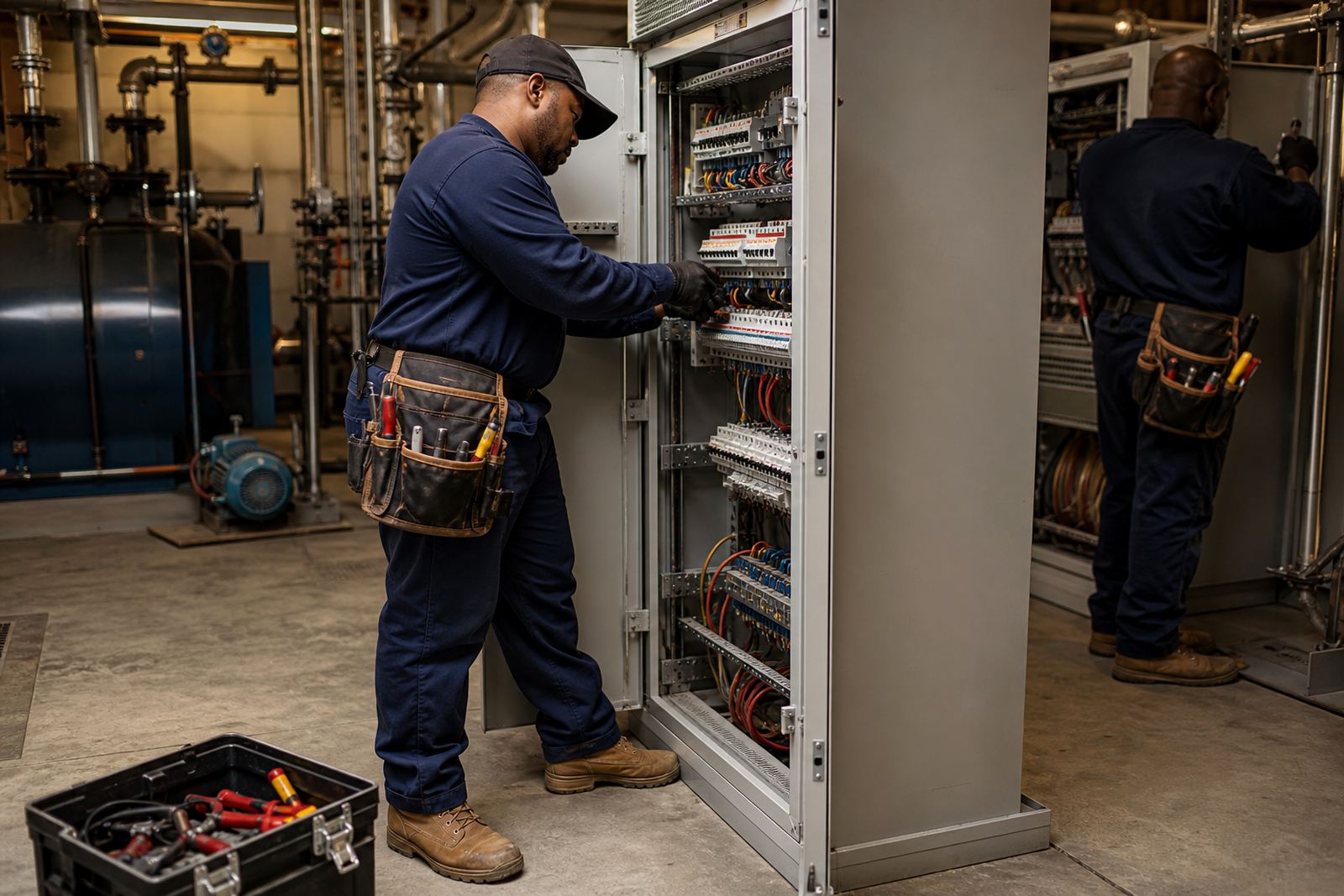
The client was an electrical contractor working on a data room fit out in Midrand, Gauteng. The job involved tidy cable handling, bracket fixing, termination prep and constant movement between racks, panels and support points. They wanted a practical belt system that would keep cutters, pliers, markers, insulation tape and fixings organised without slowing the team down.
The brief was simple in wording but particular in practice. The rigs had to stay comfortable during long shifts, work with gloves on, and hold enough small hardware for a fast paced install. The client also wanted a setup that could be used by a mixed crew, with different waist sizes and tool carry habits. In a data room, a pouch that shifts around or hangs too low becomes a problem quickly.
- Work type: electrical installation in a controlled indoor data room
- Area: Midrand, with crews moving between cabinet rows and service points
- Main goal: keep cable hardware, hand tools and small fixings neat and easy to reach
- Constraint: limited space around racks and repeated bending, kneeling and ladder work
What Made This Site Tricky
Data room work is not the same as general building work. There is less free movement, more attention to cable management, and plenty of moments where a loose pouch can catch on a panel edge or a rack frame. The contractor also had to manage dust control, clean access paths and an orderly handover standard for the client. No one wanted spare fasteners rolling across the floor or screwdrivers left on top of equipment.
The other issue was time. The install ran alongside other trades and had a short window for each work stage. The electrician team needed rigs that could be loaded in the morning and used all day with minimal reset time. Because the work was indoors, the team also asked for durable materials that would hold shape without becoming stiff or uncomfortable in the heat. Midrand summer conditions can be warm in these enclosed spaces, especially when the load-shedding backup systems are running and airflow changes through the day.
- Space limits around racks and cable routes
- Need for tidy carry of fixings, markers and small hand tools
- Comfort for full shift wear, including crouching and ladder access
- Clean handover expectations for the final room setup
Tool Rig Spec We Put Together
We put together a mixed rig for the crew using utility waist belts, electrician tool pouches and nail bags with practical pocket layouts. The main aim was to give each technician a clear place for the tools they used most often, while keeping weight balanced on the hips. Where needed, we matched belt sizes for different body types and adjusted the carry plan so the pouch sat correctly over workwear.
The rigs were selected for everyday site use, not show. The pouches had reinforced stitching, strong belt loops and pockets suited to screwdrivers, side cutters, a tape measure, pens, small terminals and cable accessories. The nail bags were useful for fixings and mixed hardware, while the belt frames helped stop sagging under load. For this project we focused on simple layout, quick access and fewer trips back to the material station.
- Utility waist belts sized for the team, with matching buckle adjustment
- Tool pouches with multiple compartments for hand tools and marking items
- Nail bags for fixings, cable clips and small consumables
- Layout plan based on right hand or left hand access preferences
How We Supported The Rollout
The order was handled as a small project rollout, not a single shelf pick. We worked from the crew list and the tool list, then grouped the rigs by task type. That meant the lead technicians received fuller layouts, while support technicians got lighter setups that still carried the right basics. We also helped the contractor set aside spare belts for rotation so the team could keep working if one rig needed cleaning or repair.
Our warehouse team packed the order in sequence so site handover was easier. Each belt and pouch set was checked for size, pocket count and clip condition before dispatch. Where the contractor asked for mixed trade kits, we kept the electrical carry separate from the general fixing kits so nothing got mixed up on site. That sounds small, but on a live install it saves time and reduces errors, and less chasing around for missing bits.
- Pack grouped by crew role for easier issue on arrival
- Spare sets included for rotation and backup use
- Separate grouping for electrical carry and general fixings
- Delivery planning matched to the install programme
Timeline Over Three Weeks
Week one was the brief and selection stage, where we confirmed the team size, task mix and preferred belt sizing. Week two covered pack preparation and layout matching, including adjustments for the lead electricians and their support crew. Week three was delivery and site issue, followed by a short check-in once the team had used the rigs on the floor.
The contractor wanted the gear on site before the main cable dressing stage, so there was enough time to settle into the carry system before the tightest part of the job. That timing worked well because the electricians had one full day to load their pouches, test the fit, and make any changes before the busiest install period began. We also allowed for a small extra supply of consumables, which helped with the first week of use when site habits are still being set.
By the end of the third week the crew had a repeatable issue process, which made toolbox control easier and cut down on clutter at the work area.
Results On Site And What We Would Repeat
The strongest result was better tool control. The team moved more neatly through the data room, with fewer pauses to hunt for bits and fewer items left on trays, cable drums or floor edges. The belts kept the load close to the body and the pouch layout made it easier to keep the right tool in the same place each day. That may sound basic, but on a technical install it keeps the work moving and helps the site stay orderly.
The contractor also said the rigs helped with end of day pack down. Tools were easier to count, fixings were easier to return to stock, and less time was spent sorting mixed hardware. For future jobs of this kind, we would repeat the same structure: task-based sizing, a lead technician layout, lighter support kits, and a small reserve set for rotation. That approach suits data room work, where tidy handling matters just as much as speed.
- Better carry control during tight rack and panel work
- Less clutter at the point of install
- Faster pack down and easier stock return at the end of the shift
- Same layout plan can be reused for similar Midrand sites
Key facts
| Project type | Electrician tool rig supply for a data room install |
|---|---|
| Location | Midrand, Gauteng |
| Programme length | 3 weeks |
| Main items supplied | Utility waist belts, tool pouches, nail bags |
| Primary users | Electricians and support technicians |
| Key outcome | Improved tool control and quicker pack down |