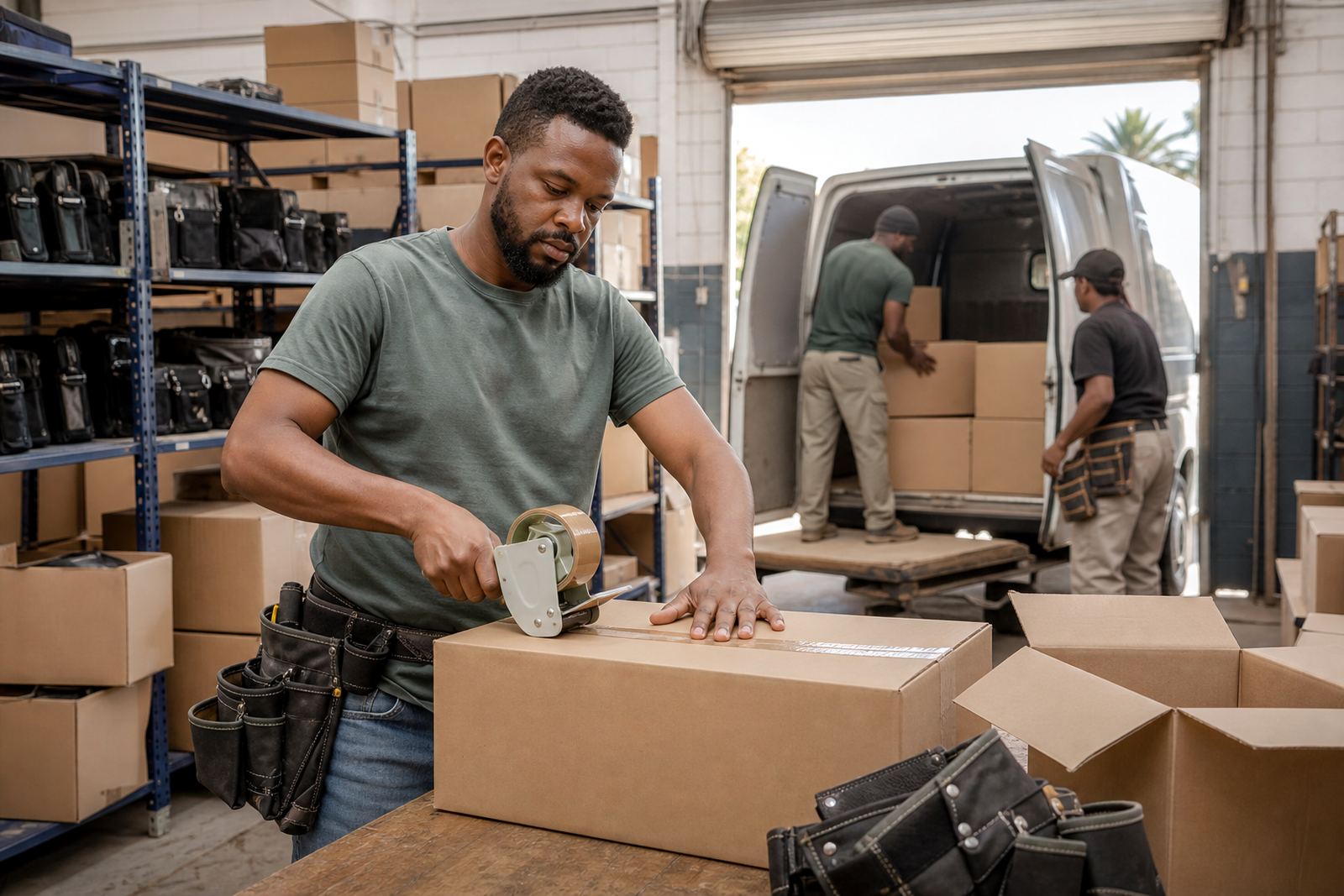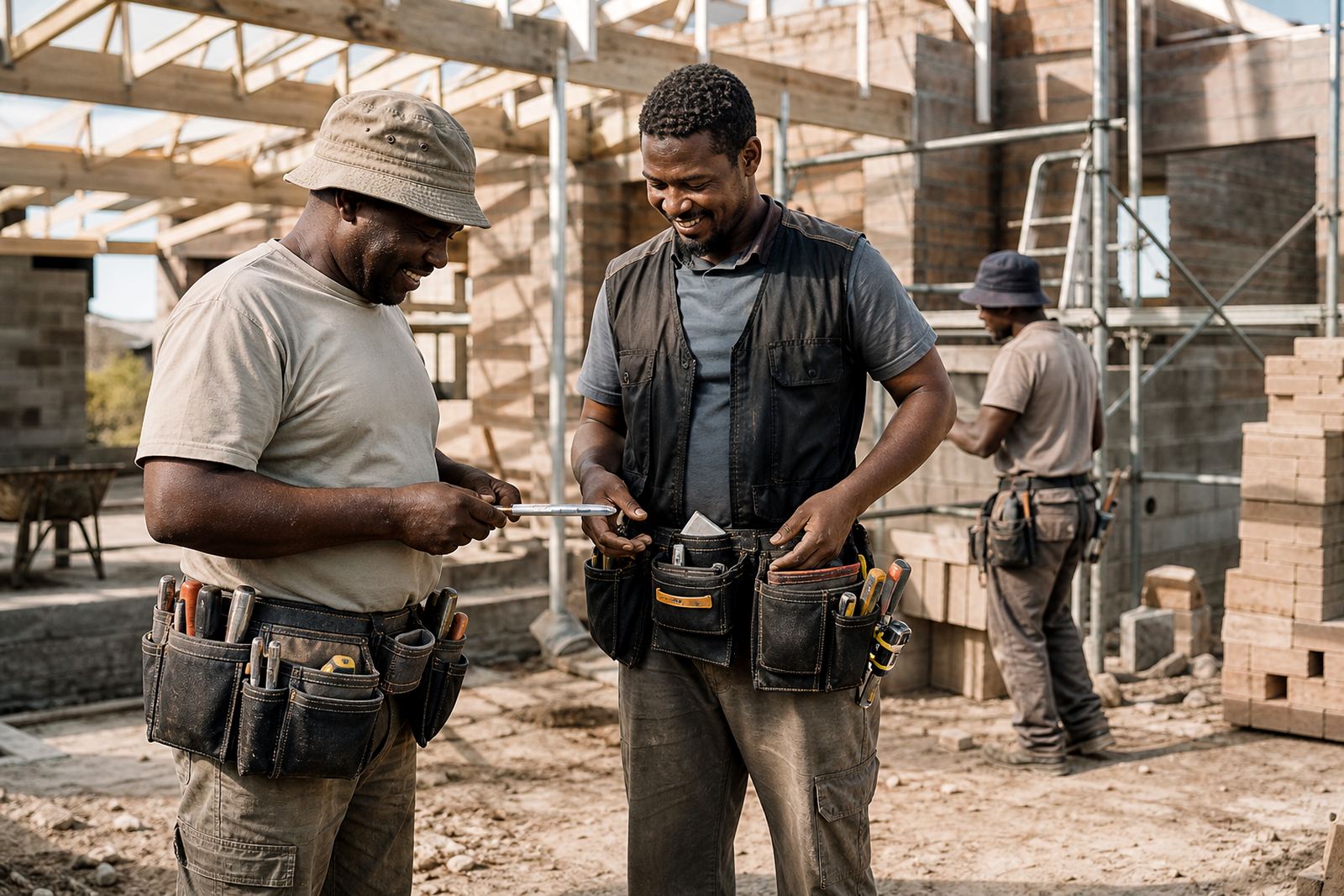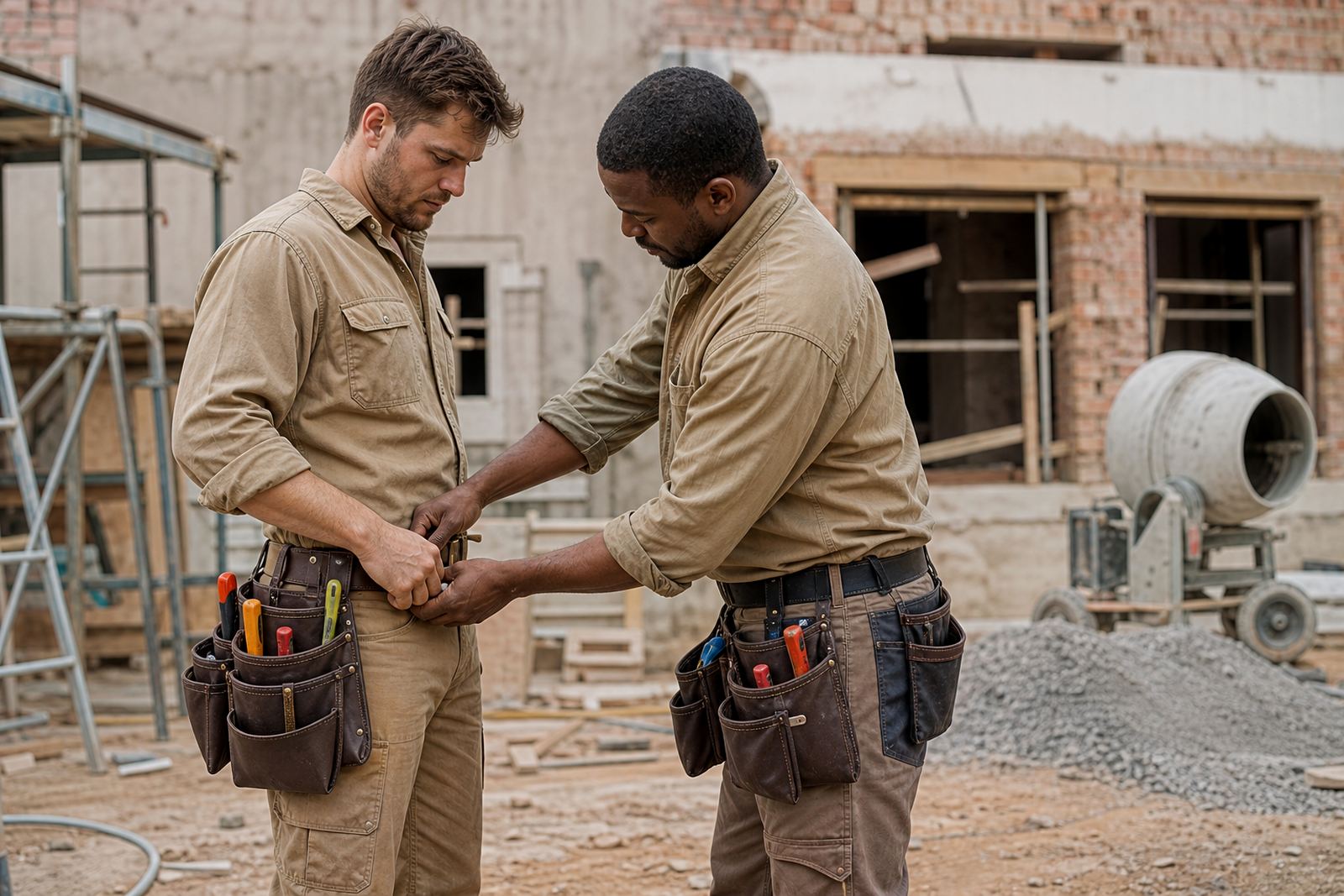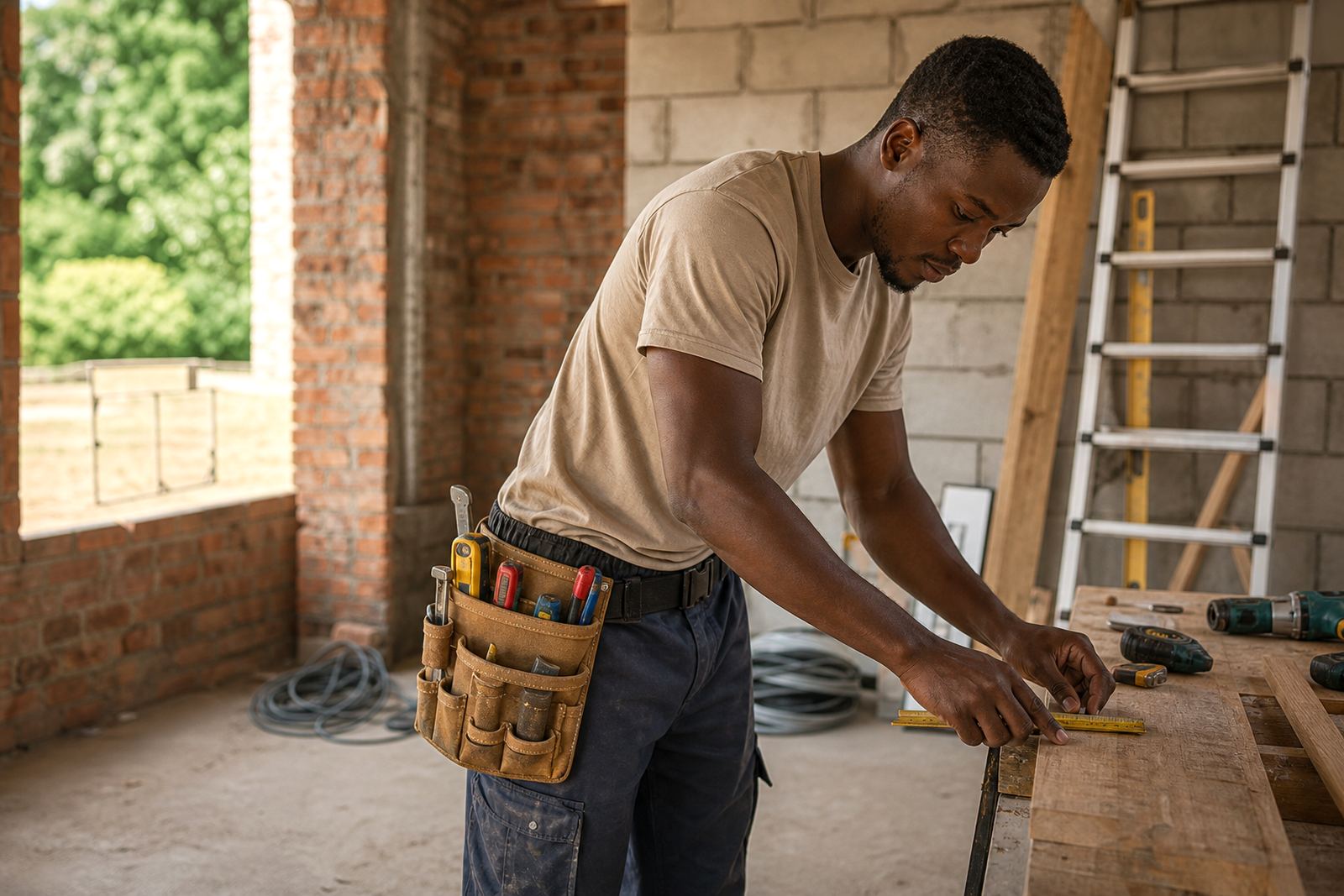
Start With the Work You Do Every Day
Before you choose a pouch or belt, look at the jobs you do most often. A builder who carries nails, tape, a pencil, a knife, and a tape measure has very different needs to an electrician carrying pliers, side cutters, screwdrivers, testers, and fixings. If the kit does not match the work, tools get mixed up and you end up wasting time on site.
For Alberton, Johannesburg, Pretoria and other busy urban sites, many teams prefer a layout that keeps fast-moving tools within easy reach. On smaller maintenance jobs, a lighter setup can be better because you move faster and do not overfill the belt. The right choice should feel steady when you bend, climb ladders, or work in tight spaces.
- List the tools you use on every shift
- Separate hand tools from fixings and small parts
- Think about whether you work on one site or move between sites
- Choose a setup that leaves room for gloves, chalk, cable ties, or fasteners
Match the Pouch Layout to Your Trade
Pouch layout matters more than most people expect. Builders usually need open pockets for nails, screws, and quick access items, while electricians often need a more controlled layout so sharp tools and test gear stay organised. A good layout reduces fumbling when the job gets busy and helps protect the tools you use most.
If you are comparing options, ask how the pockets are arranged, how deep they are, and whether the pouch can handle mixed load-outs. For mixed teams, a practical approach is to group kits by task instead of giving everyone the same setup. That makes stock control easier too, especially when you are supplying multiple crews from Midrand to Cape Town.
- Deep pockets suit fixings and bulk items
- Smaller compartments help with precision tools
- Reinforced sections are useful for daily site wear
- Open access saves time when you need tools fast
Get the Belt Size and Fit Right First Time
A belt that sits poorly will cause trouble all day. If it is too loose, the pouch swings. If it is too tight, it digs in and becomes uncomfortable after a few hours. The right fit should sit securely over workwear or a jacket, with enough adjustment for seasonal clothing and site conditions. That matters in Gauteng winters and on coastal jobs where people may layer up for early starts.
When you are sizing a belt, measure over the clothing you normally wear on site. If your team works in hot weather, allow for movement and breathing space, but not so much slack that the load shifts. Belt size matching is one of the easiest ways to improve comfort without changing the whole kit, and it helps reduce strain during long shifts and overtime days.
- Measure over site clothing, not casual wear
- Check that the belt stays level when loaded
- Allow room for winter layers where needed
- Test fit while bending and climbing if possible
Choose for Comfort on Long Shifts and Hot Sites
Comfort is not a small detail. A pouch worn for eight or ten hours needs to sit well from the first task to the last. Wide belts can spread the load better, while padded sections can help on heavier setups. For teams working in summer heat or on exposed sites, a lighter build can feel easier to wear through the day, especially when load-shedding or tight programme timing keeps everyone working faster than planned.
Also think about the type of movement your team does. If the job involves climbing, kneeling, or repeated reaching, a pouch should stay close to the body and not flap around. A well chosen belt and pouch combination can make daily work smoother, and there is less chance of tools becoming misplaced.