Measure Your Waist Where the Belt Will Sit
For a tool belt, the best measurement is not always your trouser size. Measure around the part of your waist or hips where you want the belt to sit, usually just above the hips for most builders and electricians. Use a soft tape measure and keep it snug, but not tight. If you do not have a tape, a piece of string can help and you can measure it against a ruler afterwards.
Take the measurement while wearing your normal work clothes. If you often wear a hoodie in winter or extra layers on coastal sites, allow a little room. A belt that fits over light clothing may feel too tight once you add a jacket, gloves and pouches.
- Measure at the same point every time
- Stand straight and breathe normally
- Do not pull the tape too tight
- Record the size in centimetres for easy comparison
Allow Space for Pouches and Daily Tools
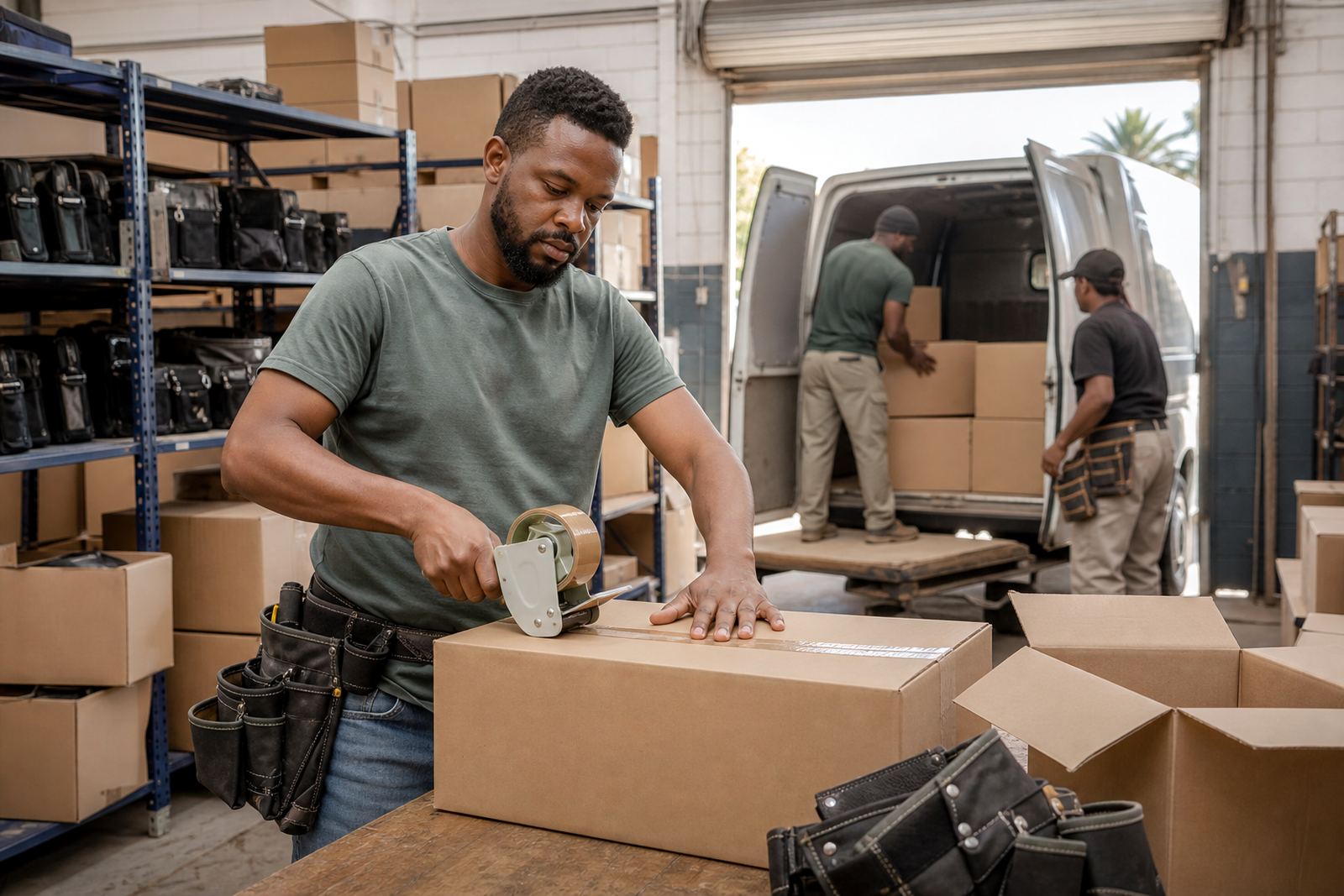
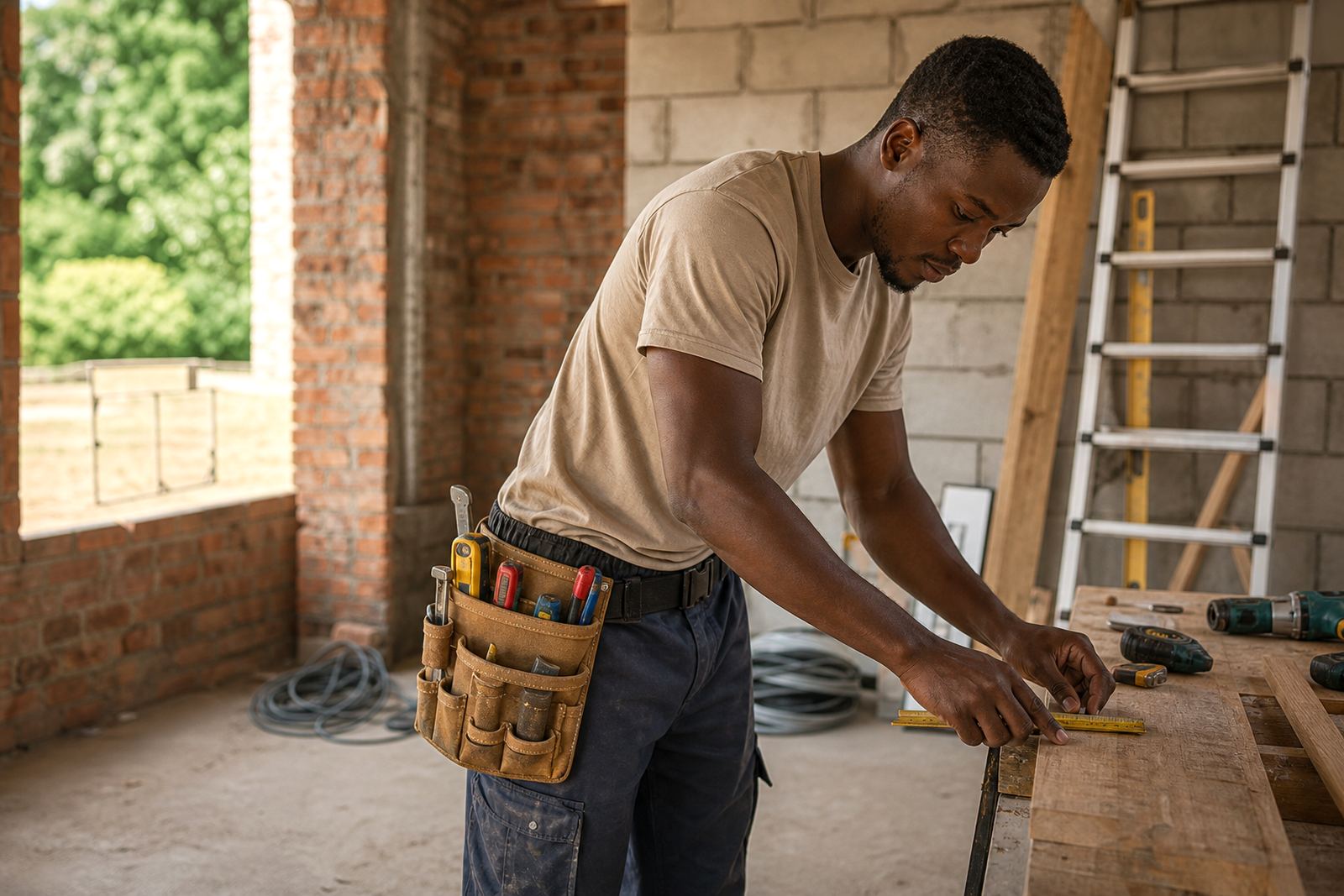
Once pouches are loaded, the belt sits differently. A fully loaded setup with nail bags, pliers, tape, screws and a tester can add noticeable weight and change how the belt rides on your body. That is why the belt size should allow for a little extra room once the tool layout is in place.
If you work with heavier items, or move between roof work, setting out and finish work, a slightly larger setting can improve comfort. For electricians, a lighter load often means the belt can sit closer to the body. For builders carrying fixings and hand tools, it may need a firmer fit so the belt does not slide as you bend or climb ladders.
- Test the belt with the tools you use most often
- Check that the weight sits evenly on both sides
- Make sure the buckle closes without strain
- Walk, kneel and reach before deciding on the fit
How the Belt Should Feel During Site Work
A correctly sized belt should feel secure without digging in. You should be able to bend, squat and reach overhead without constant shifting. If the belt drops at the back, it is too loose. If it pinches your stomach or hips after 20 minutes, it is too small or sitting too high.
The right fit also helps during long days in hot weather. In Durban humidity or on a Cape Town site with wind and layers, a belt that is too tight becomes uncomfortable very quickly. In Gauteng heat, too much pressure around the waist can make you remove the belt more often than you should.
- No bouncing when you walk
- No sharp edges pressing into your side
- Easy breathing when bending forward
- Tools stay within easy reach
Choosing Between Fixed and Adjustable Sizing
Most utility waist belts include some level of adjustment, but the range matters. If several team members will use the same kit, an adjustable belt gives more flexibility. If the belt is for one person on daily work, a more exact size can feel better and keep the load steadier.
For contractor teams, we often suggest matching the belt style to the main job type. A starter kit for a builder may need a different fit to an electrician's pouch layout. If there are safety jackets, rainwear or body harnesses involved, the belt should leave enough room for those items too.
- Single user kits can be set more precisely
- Shared kits need wider adjustment range
- Heavy pouch layouts need extra support
- Check compatibility with other site PPE
Simple Fit Checks Before You Leave the Yard
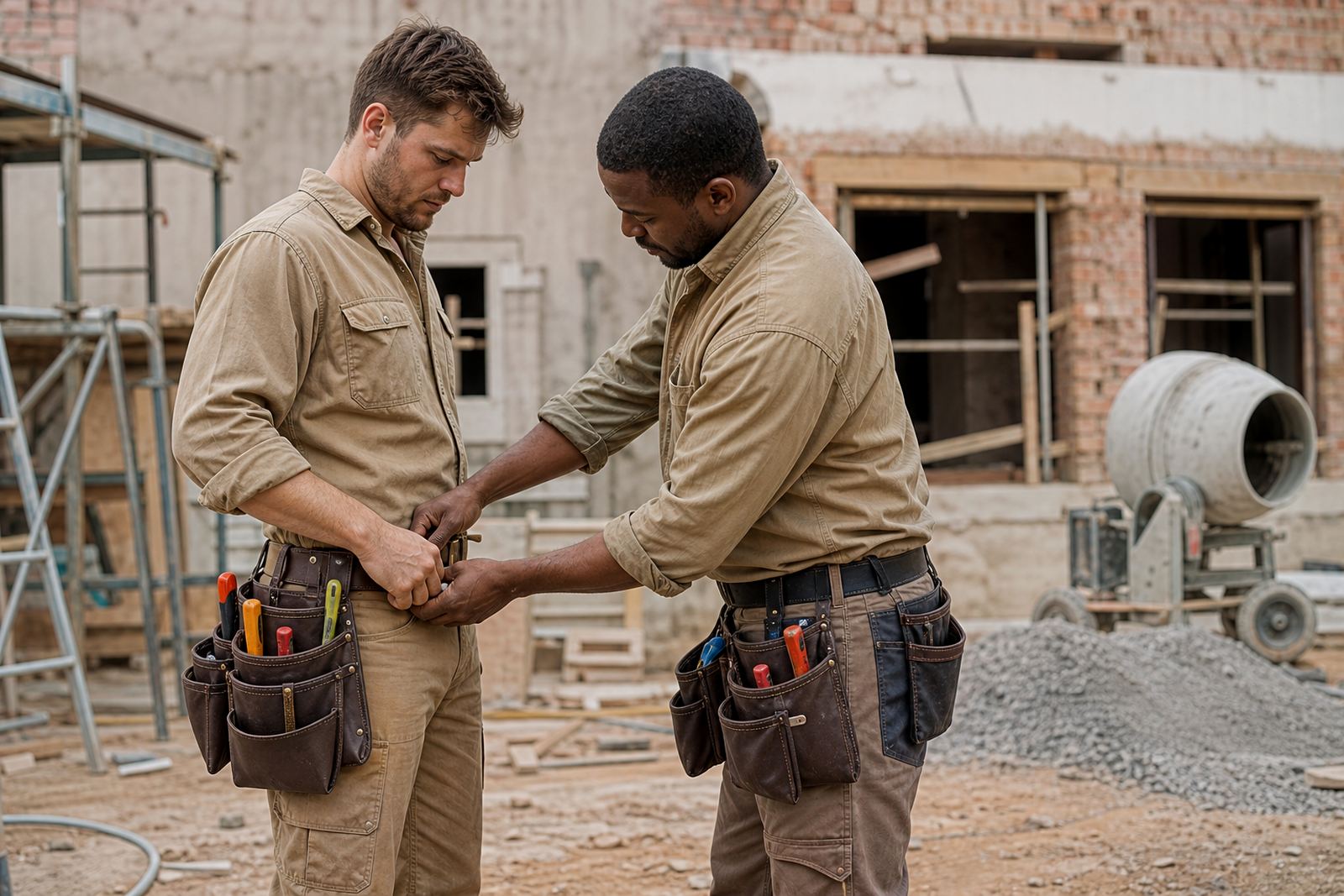
Before a belt goes into daily use, do a few practical checks. Put on the belt, load your usual tools and wear it for at least 10 minutes. Move through the tasks you do most often. That includes climbing, kneeling, turning and lifting. If it shifts too much, adjust the fit again.
It helps to test the belt at the time of day you normally work. Your body can change slightly after a full shift in the sun, and a size that feels fine at 7 am may feel different by midday. A quick fit check now saves frustration later and can prevent early wear on the belt and buckle.
- Check the buckle locks properly
- Confirm the belt does not twist under load
- Make sure pouches sit where your hands naturally reach
- Recheck after adding or removing tools
When to Ask for Help with Team Orders or Special Kits
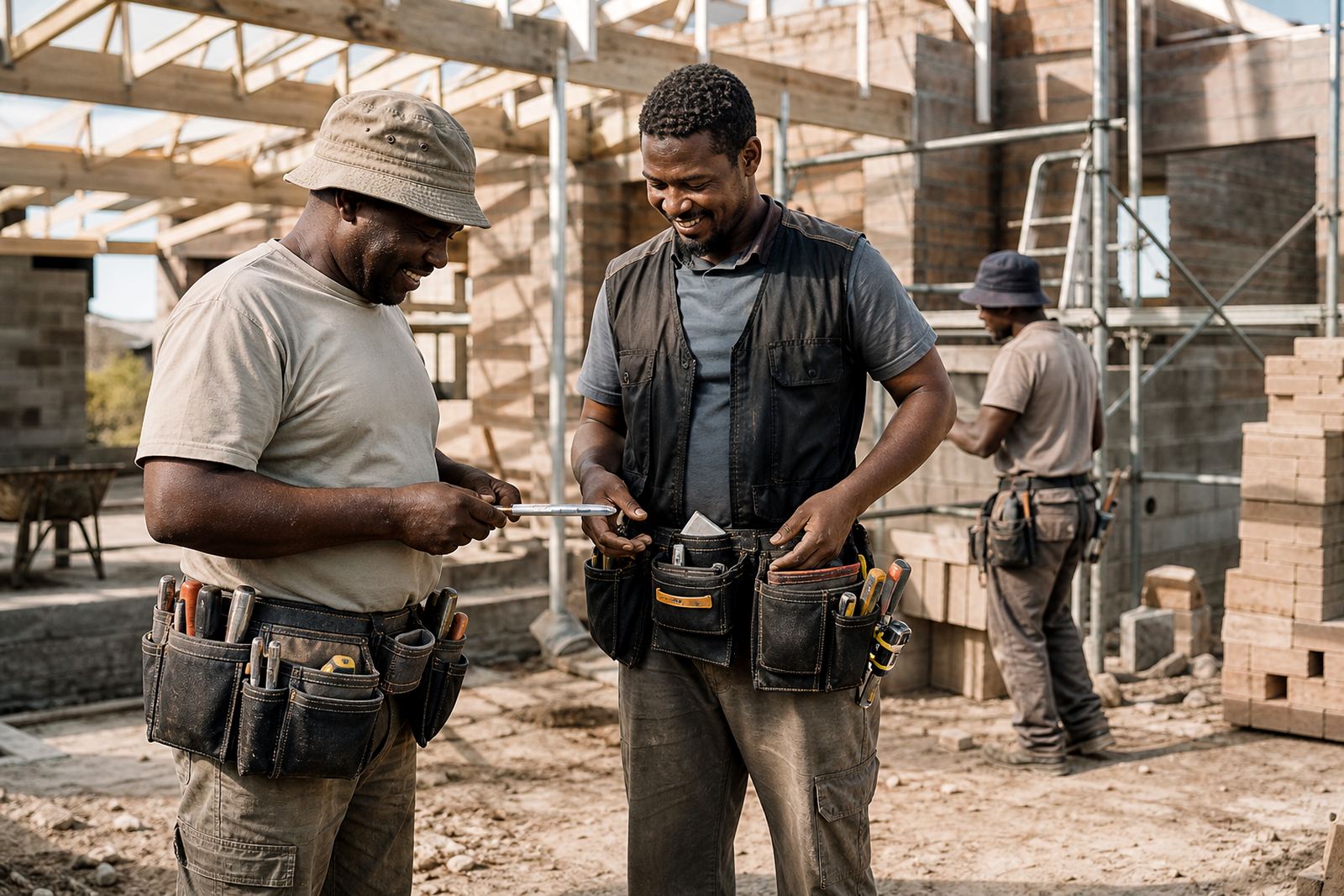
If you are setting up a crew in Johannesburg, Pretoria, Midrand or further afield, sizing is easier when the order is planned properly. Teams often need mixed sizes, and different trades may use different pouch layouts. A good starting point is to collect waist measurements for each worker and note what tools they carry every day.
We assist with bulk team orders, belt size matching, pouch layout planning and starter kit builds. That helps contractors avoid too much guesswork when fitting new staff or replacing worn-out belts. For project rollouts, a clear list of sizes and tool requirements keeps the supply side organised and cuts down on delays. If you are unsure about fit, send the waist measurement and the intended use through the enquiry form and we can help with the next step.
- Collect each worker's waist size in centimetres
- List the tools carried daily
- Note any rain gear or PPE worn with the belt
- Plan extra allowance for heavier pouch setups