
Built for the tools electricians carry every day
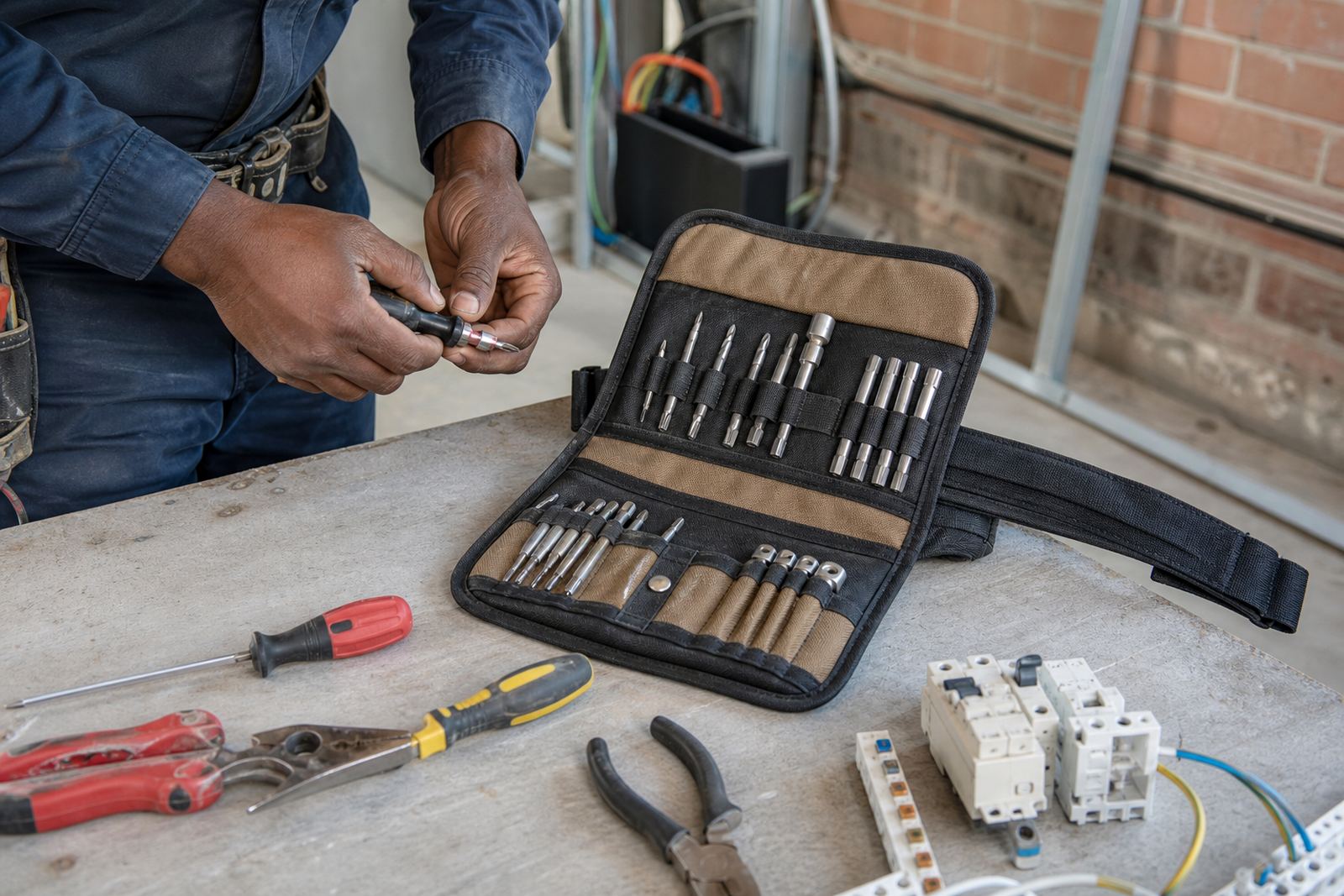
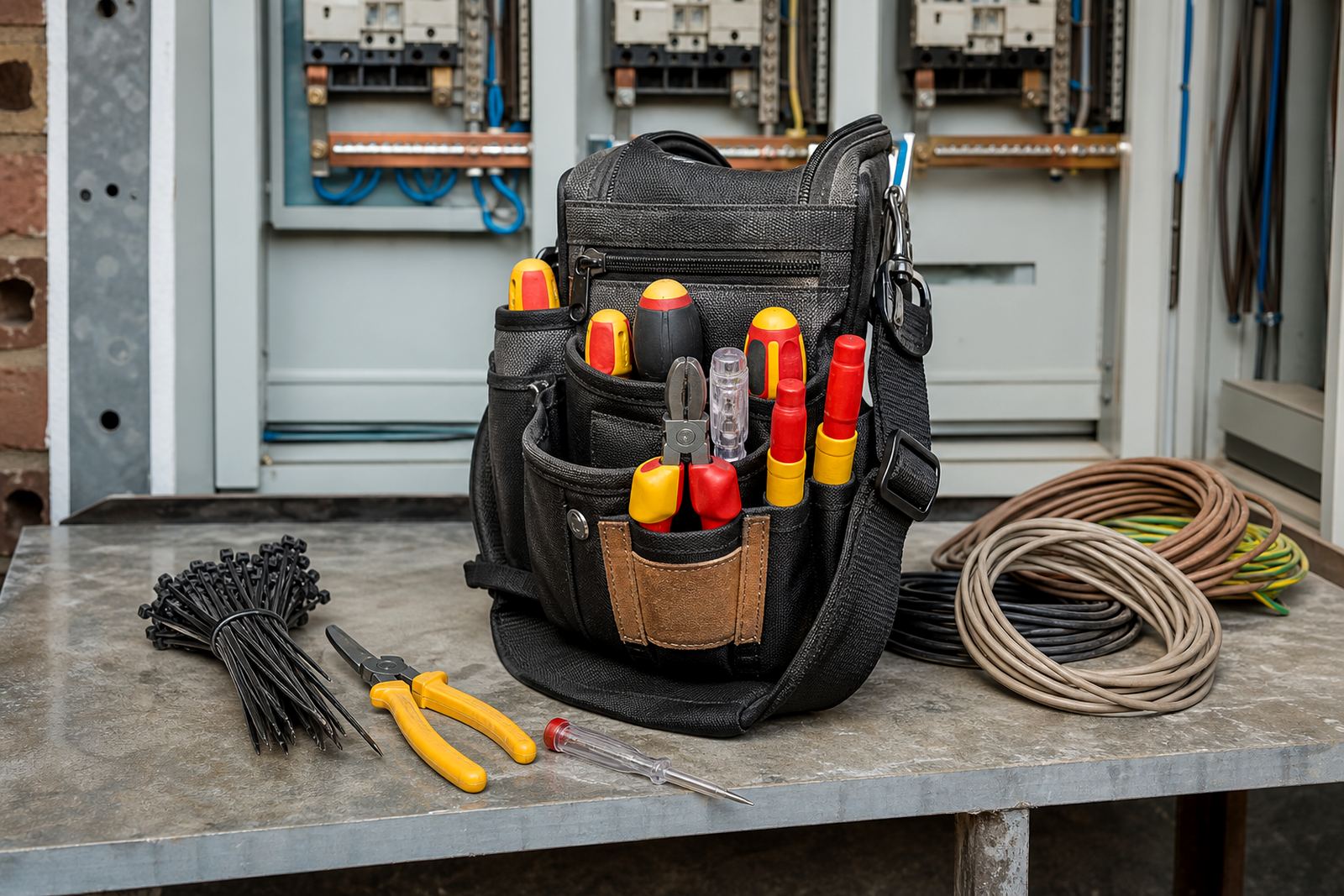
The Electricians Tool Pouch is set up for the way electrical work is done on site, in plant rooms, ceilings, service corridors and new builds. It gives you separate space for insulated screwdrivers, pliers, side cutters, a voltage tester, tape measure, marker, ferrules, connectors and a few small consumables that often end up loose in a pocket. That means less time searching and less chance of dropping small parts at height.
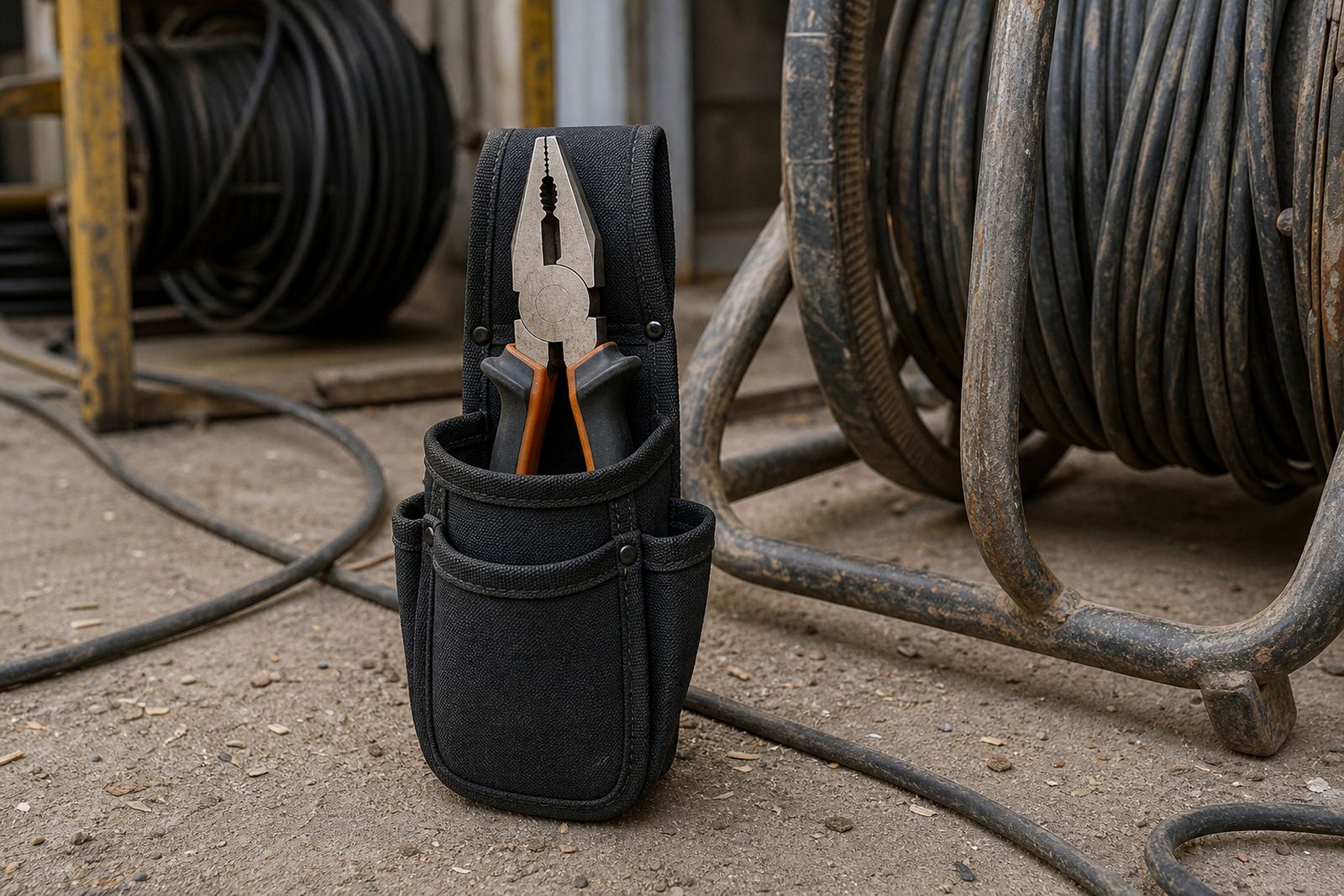
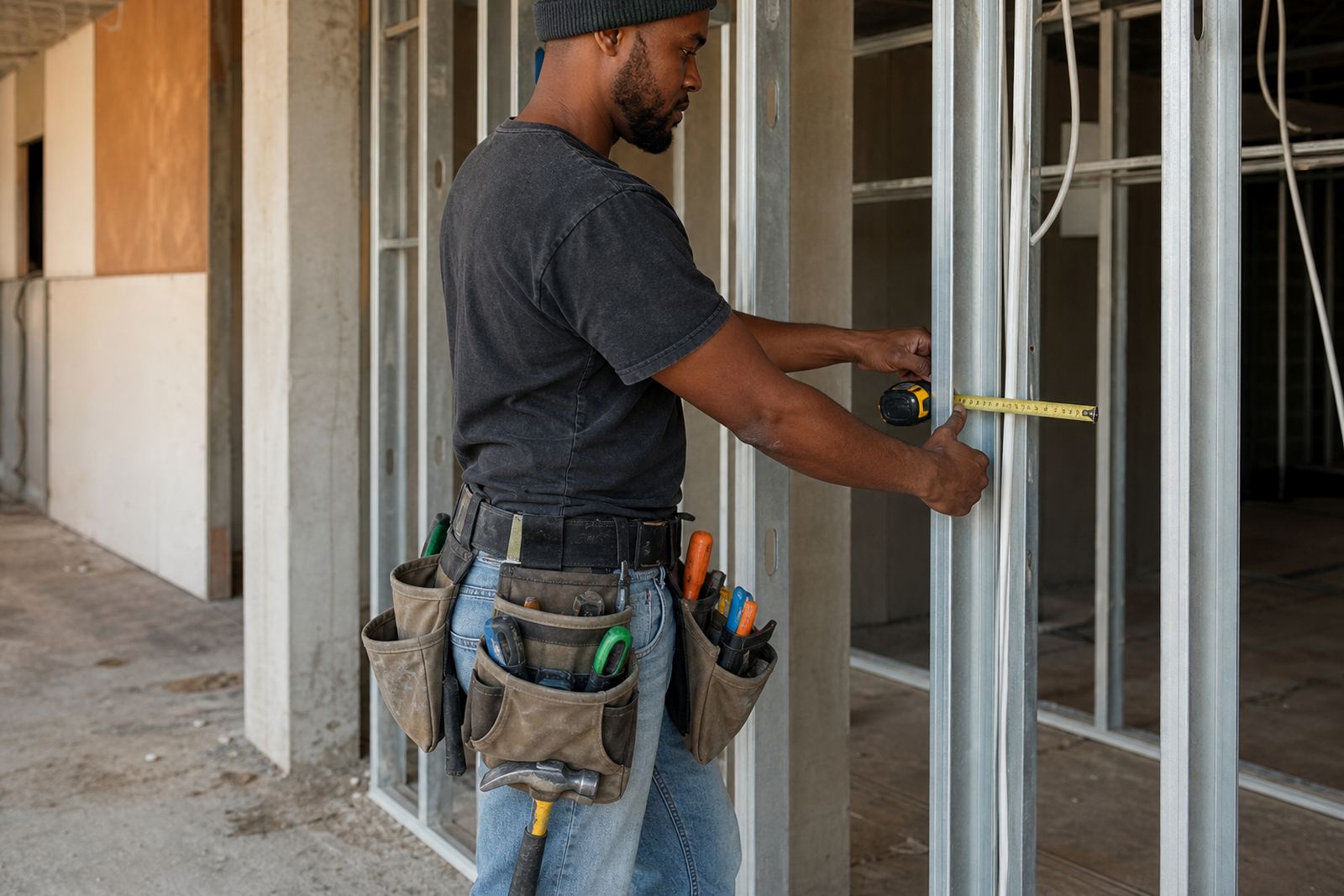
The pouch is designed for practical carry rather than bulk. It sits on a utility belt or work belt and keeps the load close to the body, so it is easier to move through tight access points, climb ladders and kneel at a consumer board or cable tray. For electricians working in humid coastal areas like Durban or in dustier inland jobs around Gauteng, the aim is simple: keep tools organised and ready without fuss.
- Separate tool slots for hand tools and testers
- Open pockets for fast access to connectors and fixings
- Secure front layout for everyday site use
- Comfortable carry for long shifts and call outs
Sizes, belt fit and layout options
Different electricians carry different sets, so the pouch is available in practical size options to suit lighter service work or fuller install kits. Smaller layouts work well for maintenance staff and testers, while larger formats suit installation teams carrying more hand tools and fittings through the day. When choosing, think about what you carry before you think about what you might carry one day.
Belt fit matters as much as pocket count. A pouch that sits too low can swing when you move, and a belt that is too tight gets uncomfortable by lunchtime. We help match pouch and belt size so the weight is spread properly over the hips. If the work involves climbing, bending or getting into roof spaces, a good fit makes a real difference.
- Compact pouch for lighter service kits
- Mid-size pouch for general electrical installations
- Larger pouch for mixed tools and fittings
- Utility belt sizing to suit layered workwear
Where this pouch suits on site
This pouch suits electricians working on new installs, maintenance, fault finding and project handovers. It is useful in homes, shops, warehouses, schools and industrial sites where tools need to stay with the person rather than going back to a toolbox every few minutes. For teams moving between boards, junction boxes and lighting points, that saves time and cuts down on clutter.
It also works well where power access is limited and load-shedding has disrupted normal routines. When lighting is temporary or testing has to happen in stages, the right pouch keeps the most-used tools within reach. On projects with gas-related work nearby, such as plant areas or sites with mixed services, a tidy carry setup helps maintain order around the work zone and reduces the risk of leaving small metal parts lying about.
- Electrical installation teams
- Maintenance and repair crews
- Site electricians on fit-out work
- Contractors doing fault finding and compliance checks
Material, wear points and practical specifications
The pouch is made for repeated site use, with attention given to the parts that take the most strain. Stitching, pocket edges and belt loops are all important because these are the points that fail first when a pouch is overloaded or dragged across rough surfaces. For South African conditions, especially coastal humidity and hot summer work, materials need to hold their shape and not become soft too quickly.
Keep in mind that no pouch should be overloaded with sharp or wet items. If tools are packed neatly, the pouch keeps its shape better and lasts longer. A clean layout also makes it easier to see if a tester, blade or connector has been left behind after a task.
- Heavy-duty everyday work construction
- Multiple compartments for tools and small parts
- Designed for belt-mounted carry
- Suitable for indoor and outdoor site conditions
- Easy-access opening for frequent tool use
Care, cleaning and servicing on the job
A tool pouch lasts longer when it is emptied and checked at the end of the shift. Dust, plaster, wood chips and metal shavings build up fast on building sites, and those particles wear pockets from the inside. A quick shake out, wipe down and visual check is usually enough for routine care. If the pouch gets wet, dry it fully before packing it away, especially in coastal areas where damp air can keep materials moist longer than expected.
It is worth checking the stitching, belt loops and pocket edges every week, particularly if the pouch is used for heavy service work. Replace worn pouches before they start losing shape or dropping small parts. A bit of regular care now avoids tools disappearing into site debris later.
- Empty and shake out dust after each shift
- Wipe down after wet or dirty work
- Check seams, loops and pocket wear weekly
- Store dry and out of direct sun when not in use
What to check before you place an order
Before ordering, list the tools you carry most often and measure the widest items. Check whether you need a pouch for basic service work or for fuller installation kits. If your team works across Johannesburg, Pretoria, Durban, Cape Town or Polokwane, consider whether the same pouch layout will suit every site or whether different crews need different setups. That simple check can save time when ordering in bulk or setting up contractor packs.
Also confirm belt size, preferred side carry, and whether any special pockets are needed for testers or small components. If you are building starter kits or mixed trade kits, it helps to match the pouch with the rest of the carry system, not just buy the pouch on its own.
- Tool list and pouch size required
- Belt size and fit over workwear
- Left or right side carry preference
- Need for tester storage or small part pockets
- Bulk order quantities or site rollout needs
Key facts
| Product type | Electricians tool pouch |
|---|---|
| Primary use | Carry for insulated hand tools, testers and small components |
| Carry style | Belt mounted utility pouch |
| Best suited for | Electrical installation, maintenance and fault finding |
| Typical users | Electricians, contractors and site maintenance teams |
| Supply area | Alberton, Gauteng and nationwide delivery across South Africa |