
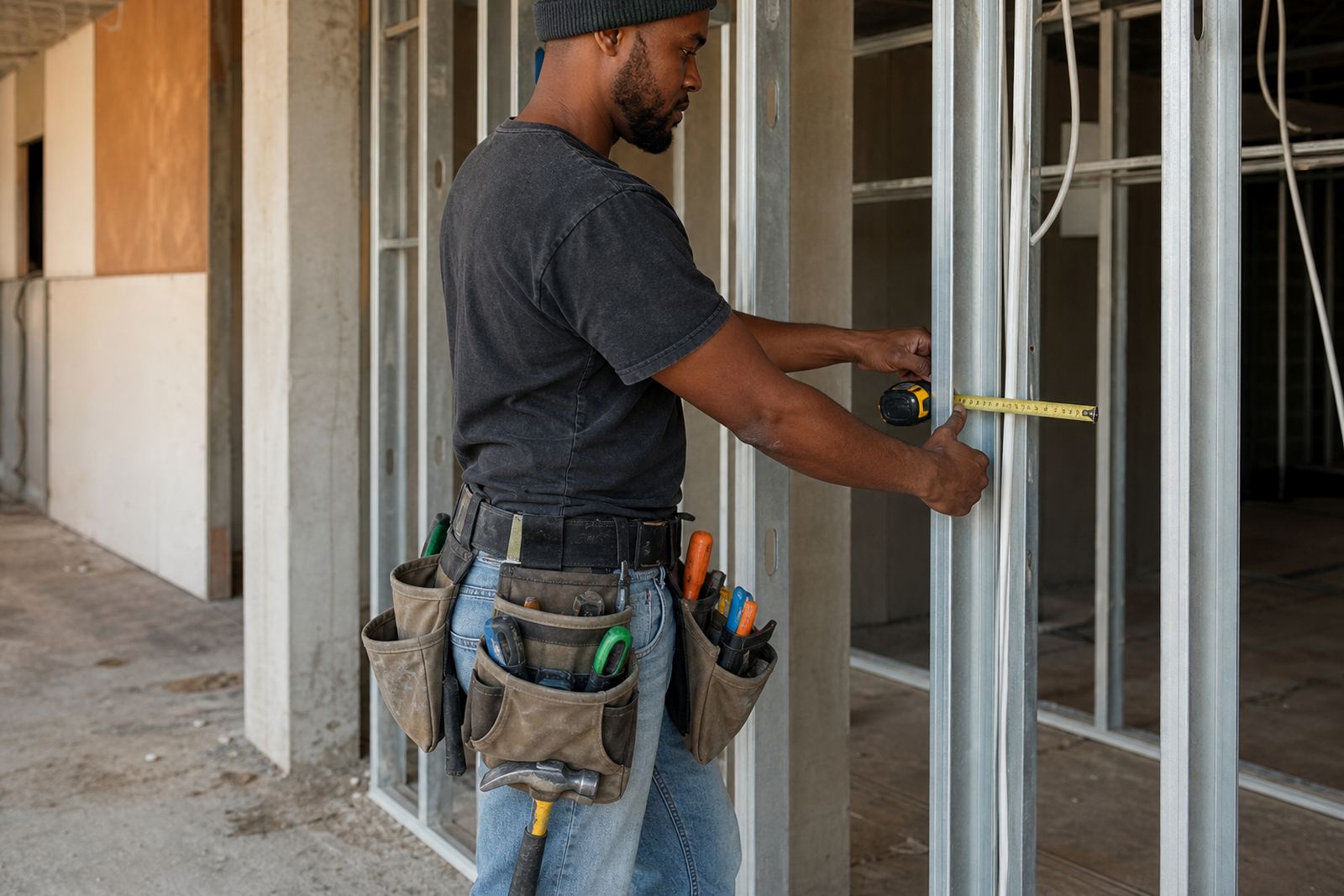
Mirror-Layout Carry For Left-Handed Site Work
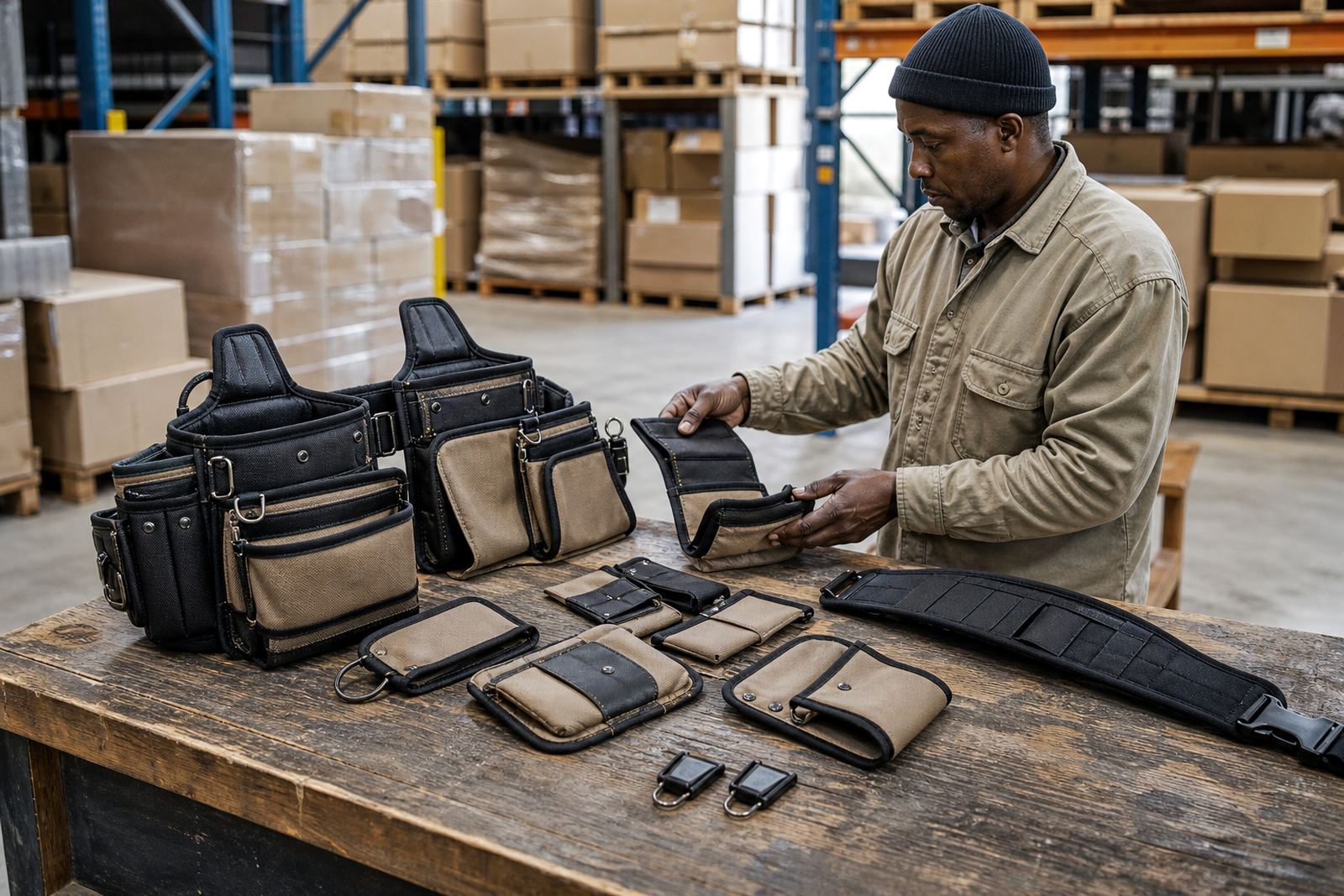
This rig is made with a reversed pouch layout so the main compartments sit in the easier reach zone for a left-handed wearer. That means screws, pliers, tape, markers and small fixings stay close without having to twist at the waist or fumble around a standard right-hand setup.
It is a practical choice for daily work on ladders, scaffold, slab pours and fit-out jobs where fast access matters. The belt rides close to the body, helps reduce swing while moving, and keeps the load spread more evenly during long shifts. On busy sites that can save time and a bit of frustration too.
- Mirror-layout pouch arrangement for left-handed use
- Multiple pockets for fixings, hand tools and small consumables
- Secure belt fit for walking, kneeling and climbing
- Built for builders, electricians and maintenance teams
Sizes, Belt Options And Carry Capacity
The rig is supplied in several waist sizes so it can be matched to the wearer properly, whether it is being used over light workwear or over a hoodie and jacket in winter. A good fit matters because a loose belt slides and a belt thats too tight becomes uncomfortable by mid-morning.
Choose the layout based on the type of work being done. Electrical crews often prefer smaller, neater pouch groupings for terminals, cutters and test gear, while builders usually want a deeper nail bag section for fasteners and marking tools. For mixed trade teams, we can help match the belt size and pouch balance before the order goes out.
- Available waist sizes for standard and larger workwear fits
- Option for single pouch or multi-pouch carry layouts
- Suitable for light to medium daily tool loads
- Can be paired with starter kits or mixed trade kits
Where It Suits Best On South African Sites
This product is well suited to domestic builds, new housing, renovations, panel work, ceiling installations and general maintenance. In Johannesburg and Pretoria it is often used on fast-moving sites where tradespeople need to keep hands free and move between rooms or floors quickly. In Cape Town and Durban, it also helps keep tools organised where humidity and salt air can make exposed metal parts less pleasant to handle if they are left loose in a pocket.
It is also useful for contractor teams doing service calls across Polokwane, Midrand and Centurion where quick access to fixings and small tools can cut down repeat trips back to the vehicle. The rig does not need power or gas to function, only a sensible tool load and a proper fit.
- Ideal for builders, electricians, installers and maintenance crews
- Useful on site work, service calls and project rollouts
- No power supply or gas connection needed
- Easy to move from one job to the next
Belt Fit, Installation Notes And Daily Use
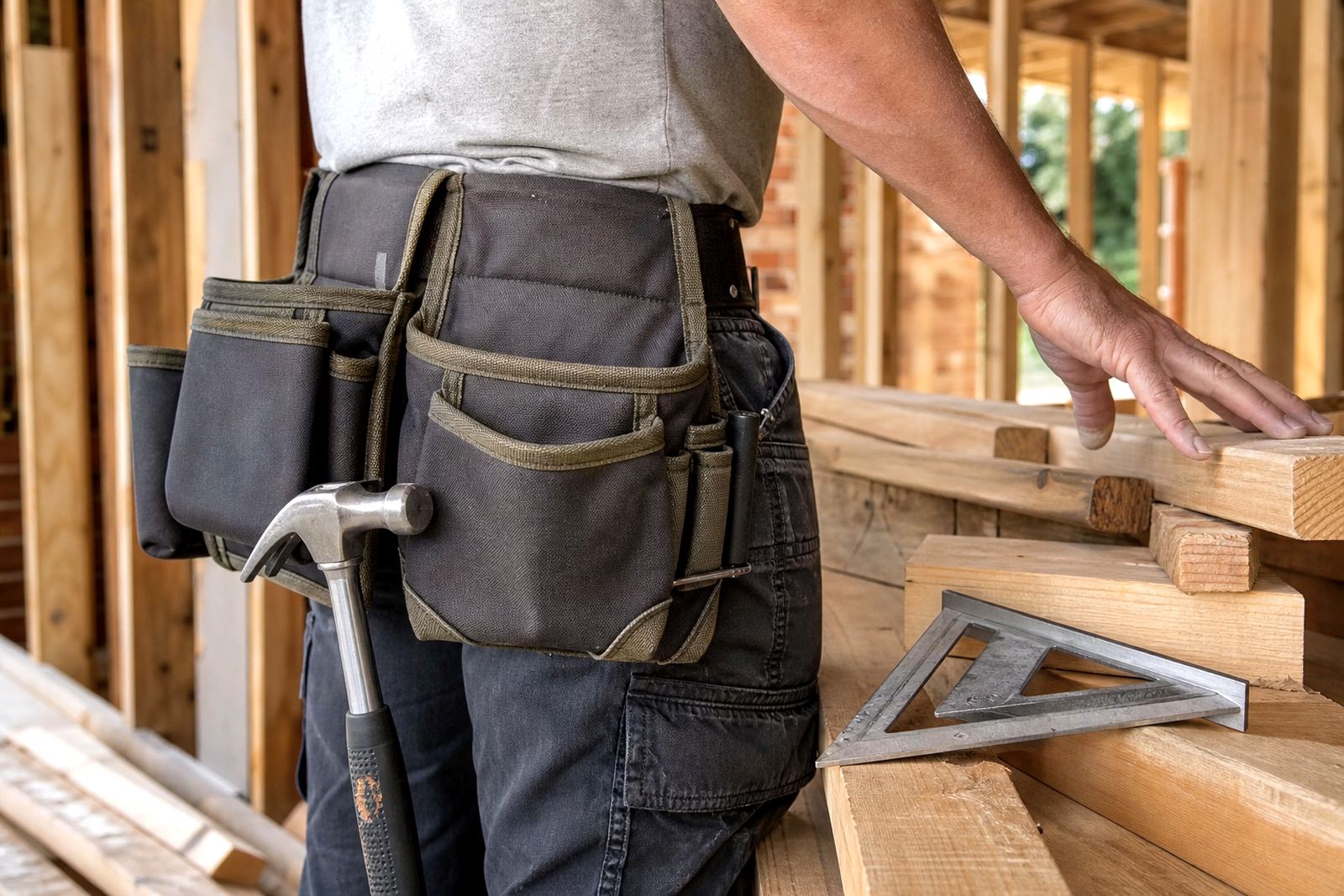
The rig is simple to put on and adjust, but it should be worn so the weight sits on the hips rather than hanging low on the thighs. That keeps movement natural when crouching, stepping over rubble or working at a bench height. For safety and comfort, the belt should be checked at the start of each day before the crew heads out.
If the job involves additional support gear, such as a harness or heavy outer layer, the belt should be adjusted again so it does not fight against the rest of the clothing. This is especially useful on sites with changing weather where workers may start the day in cooler conditions and end in direct sun.
- Fast waist adjustment for quick morning setup
- Should sit firm without pinching or slipping
- Works with standard work trousers and layered clothing
- Best checked before climbing ladders or entering scaffold areas
Care, Cleaning And Servicing Between Projects
Tool pouches last longer when they are emptied at the end of the shift and cleaned out before grit builds up. Fine dust from cutting, drilling and masonry work can collect in seams and pocket corners, so a quick brush out helps keep the rig tidy and easier to use. If the belt gets wet in coastal conditions or during rain, let it dry naturally out of direct heat.
Inspect stitching, buckle points and stress areas regularly, especially if the rig is carrying sharp-edged tools or heavy fasteners. A small tear caught early is much easier to sort than a failed pocket during a busy job. For teams ordering in volume we can also help with stock replenishment plans so worn items are replaced before they become a problem.
- Brush out dust and debris after each shift
- Air dry after rain or damp storage
- Check seams, clips and belt loops weekly
- Replace damaged parts before the next rollout
What To Check Before You Order
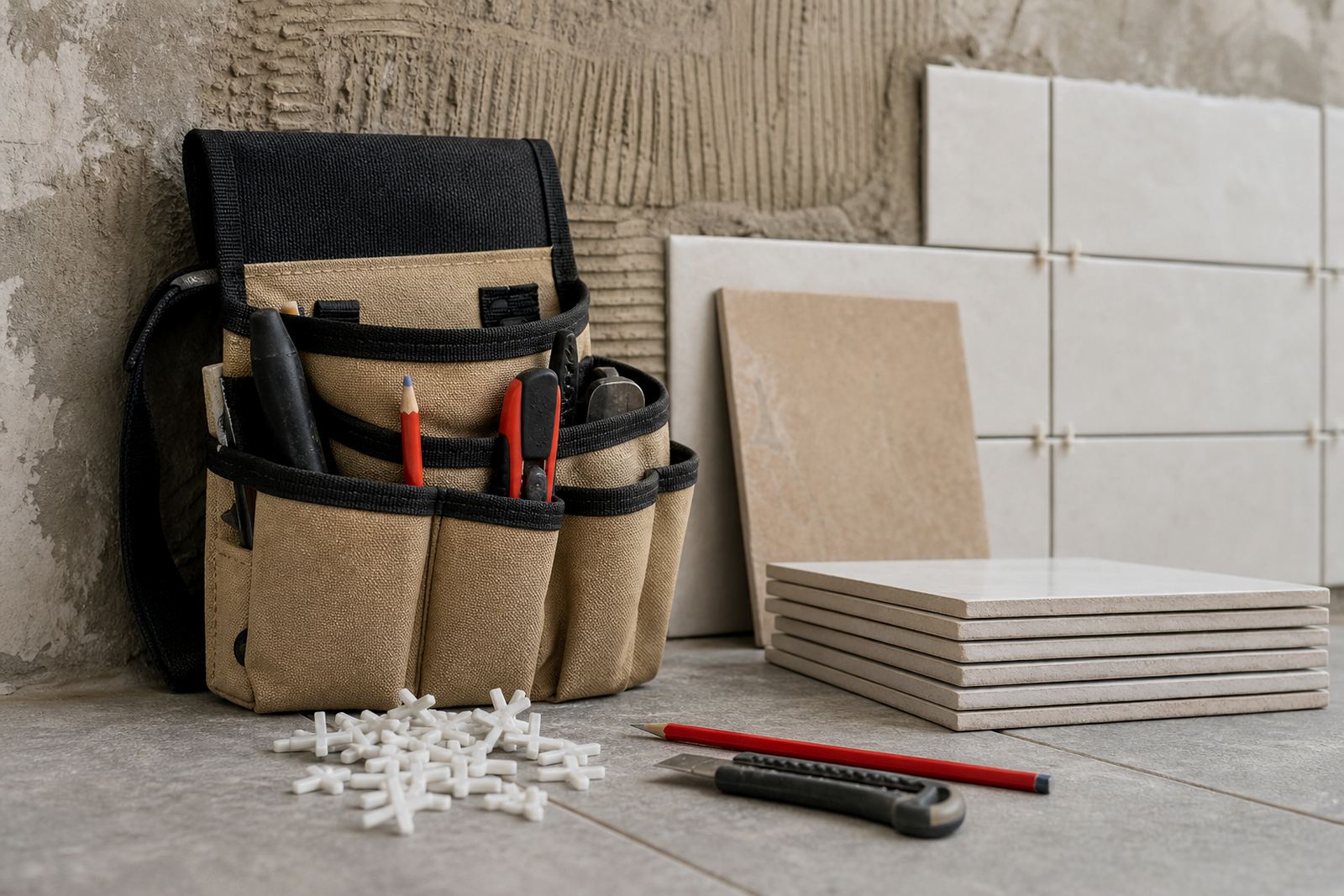
When ordering a left-hand rig, it helps to think about the tools that must be carried every day, not just the items used once in a while. The right pouch layout depends on whether the wearer needs space for screwdrivers, pliers, fasteners, drill bits, pencil holders or a tape measure. If the belt is being issued to a team, it is worth matching sizes across the group so nobody is left with an awkward fit.
Before you send an enquiry, check the wearer’s waist size, the main trade task, and whether the rig will be used for builder work, electrical work, or a mixed package. We can assist with pouch layout planning, belt size matching and starter kit builds for contractors, branches and site teams across South Africa. The enquiry form on our contact page is the quickest way to start.
- Confirm left-handed use before selecting the layout
- Check waist size over normal workwear
- List the main tools and consumables to be carried
- Tell us if the order is for one user or a full crew
Key facts
| Product type | Left-hand tool rig with mirror-layout pouches |
|---|---|
| Main use | Builders, electricians, maintenance crews and installers |
| Carry style | Waist belt rig for daily site wear |
| Size range | Multiple waist sizes for standard and larger fits |
| Material | Heavy-duty work-grade fabric with reinforced stitching |
| Power or gas needs | None required |