What the Framing Fastener Bag is for on site
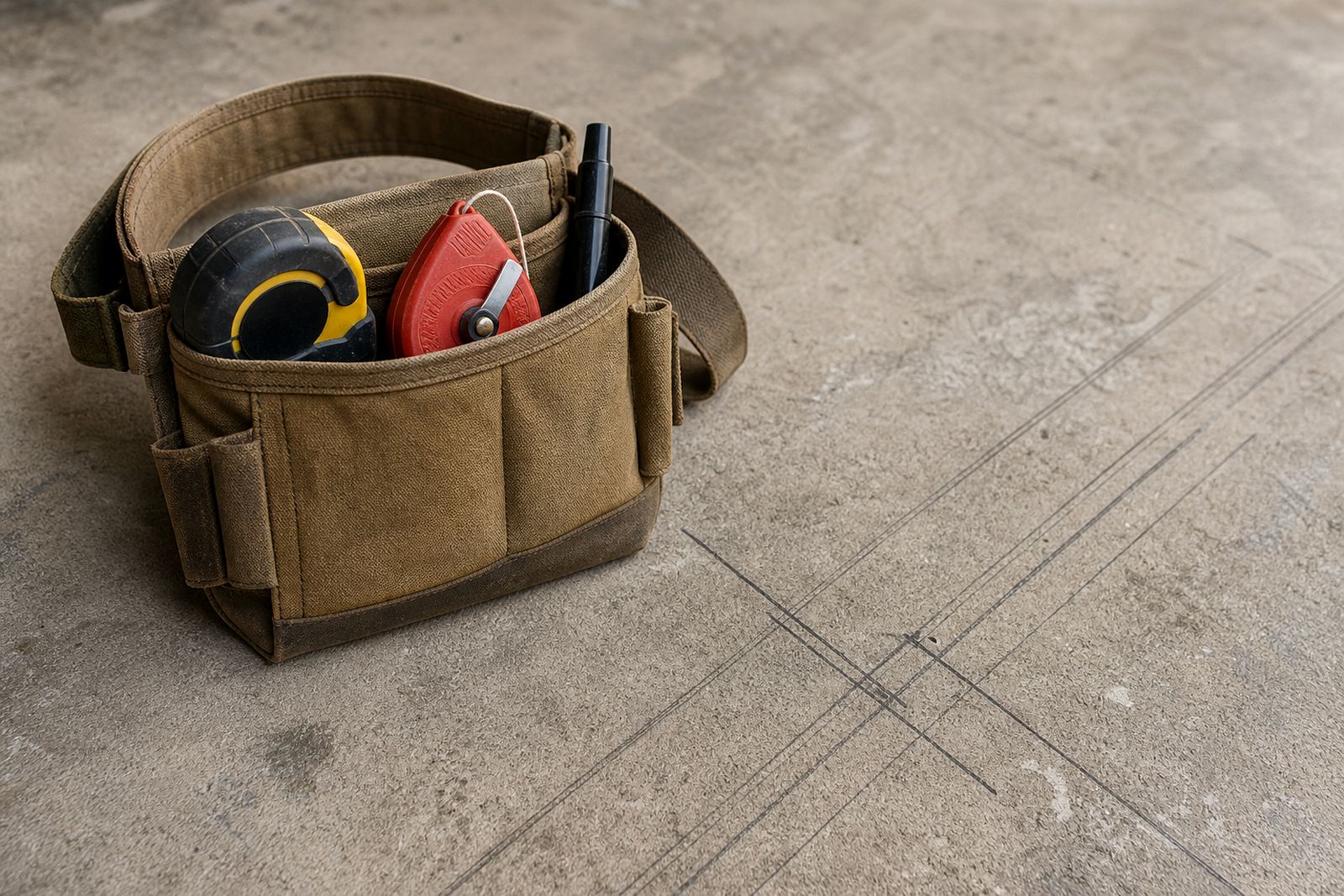
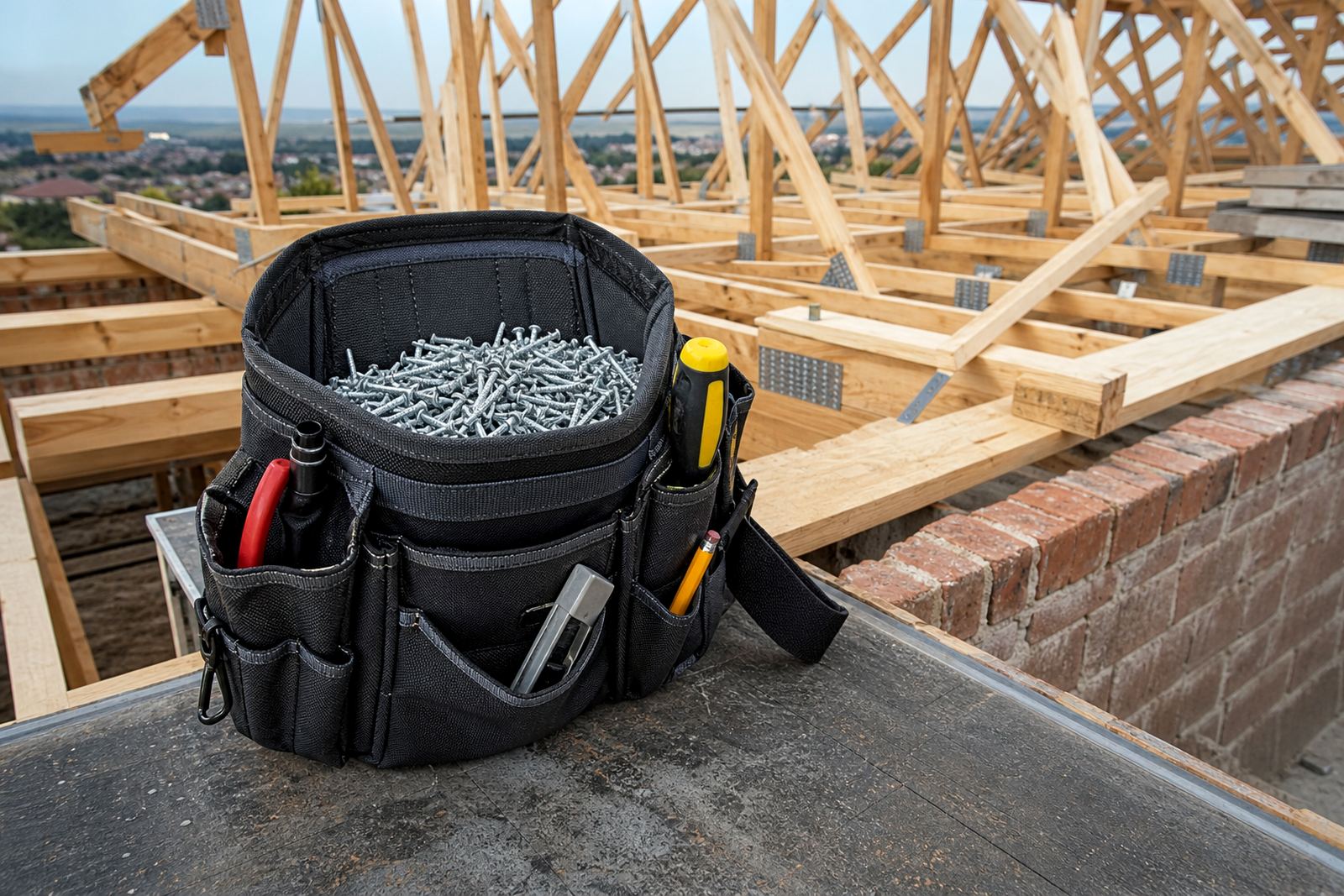
This bag is made for framing work where speed matters and you cannot afford to keep walking back to a toolbox for fixings. It gives you a deep main pocket for bulk fasteners, smaller front compartments for mixed sizes, and a shape that keeps screws and nails within easy reach while you move along a wall line or roof frame.
For South African job sites, that means less time lost to carrying loose containers, and better control when working on ladders, scaffolding or uneven ground. The bag sits on a utility belt and keeps your hands free for measuring, fixing and setting out. It is a practical choice for crews working in new builds, alterations, ceilings and timber framing, especially where dust and debris make open trays awkward.
- Designed for fastener carry, not general storage
- Helps separate nails, screws, plugs and small fittings
- Suitable for builders, carpenters and maintenance teams
Sizes and layout options to match the load
We supply framing fastener bags in compact, standard and high-capacity layouts so you can match the pouch to the type of work. A lighter bag suits short repair jobs or one-person fitting teams, while a deeper model is better for framing crews working through large quantities of fixings. If your team carries mixed sizes, ask for a layout that gives you one deep pocket and one or two slim slots for sorting.
Most buyers choose a bag that sits comfortably without dragging on the belt. A pouch that is too large can swing when you climb or bend, while one that is too small forces overfilling and makes fasteners spill. For tighter work, a narrower profile is often better. For repetitive framing, extra depth helps. There is no one-size-fits-all answer, and a quick size match saves a lot of faffing about later.
- Compact option for light repair work
- Standard option for daily framing use
- High-capacity option for bulk fastener handling
- Layout choices for mixed nail and screw storage
Where this bag suits best on South African projects
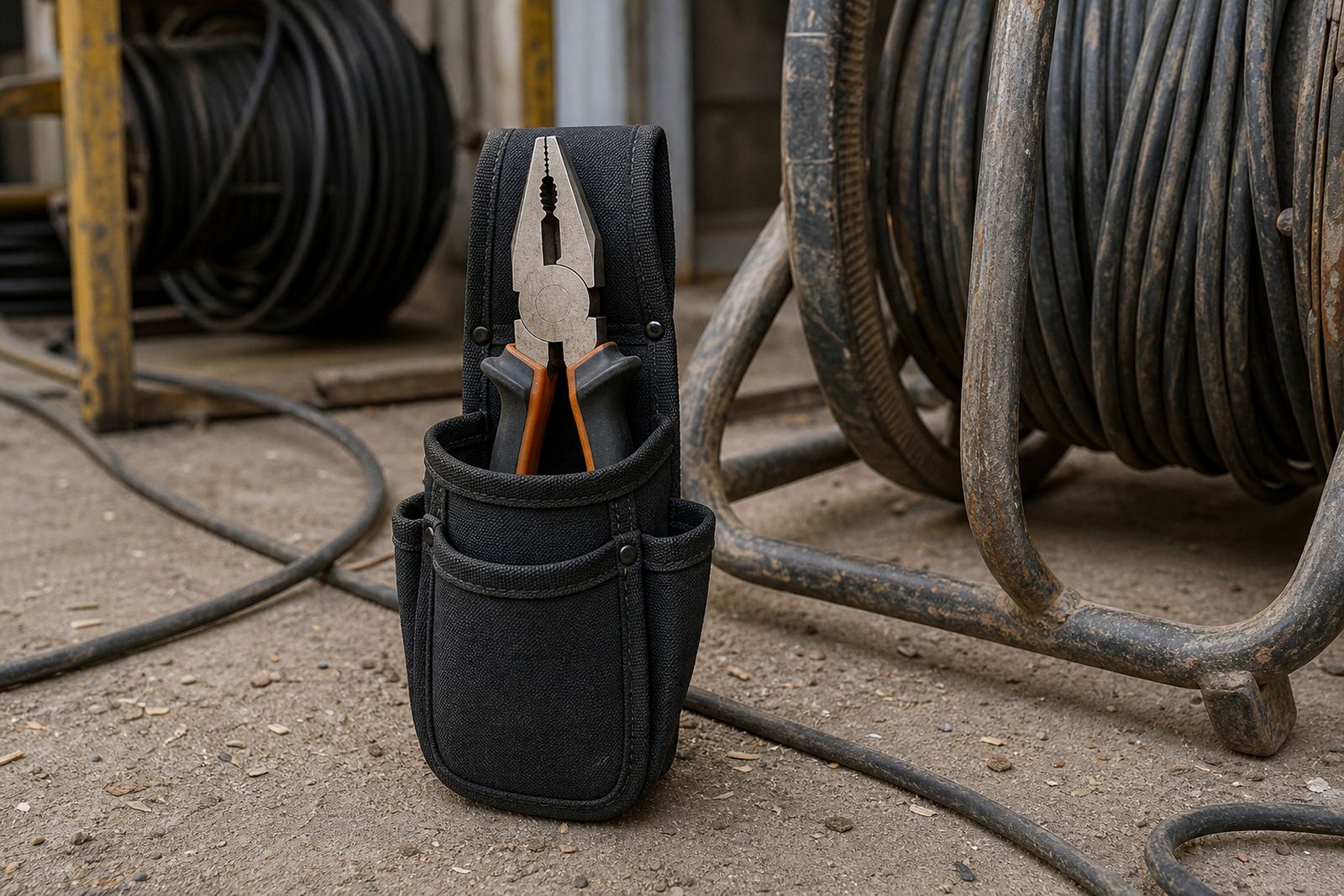
This product suits timber framing, door and window fitting, ceiling work, fence construction, fit-outs and general site assembly. It is also useful for electricians who need a tough side pouch for connectors, fixings and small hardware while moving between points on site. On coastal jobs in Durban or Cape Town, the bag helps keep fixings together and away from damp ground, while in Gauteng it stands up well to dust, heat and daily handling.
For contractors working across multiple sites, the same bag can be used for different task types when paired with the right belt and pouch layout. It is especially handy on projects where fasteners must be carried in measured amounts rather than in a bulk tin. That makes it easier to issue stock, track usage, and keep the crew moving.
- Framing and timber construction
- Electrical installation and support work
- Renovations, maintenance and site fit-outs
- Indoor and outdoor jobs where fasteners must stay organised
Fit, belt pairing and working comfort
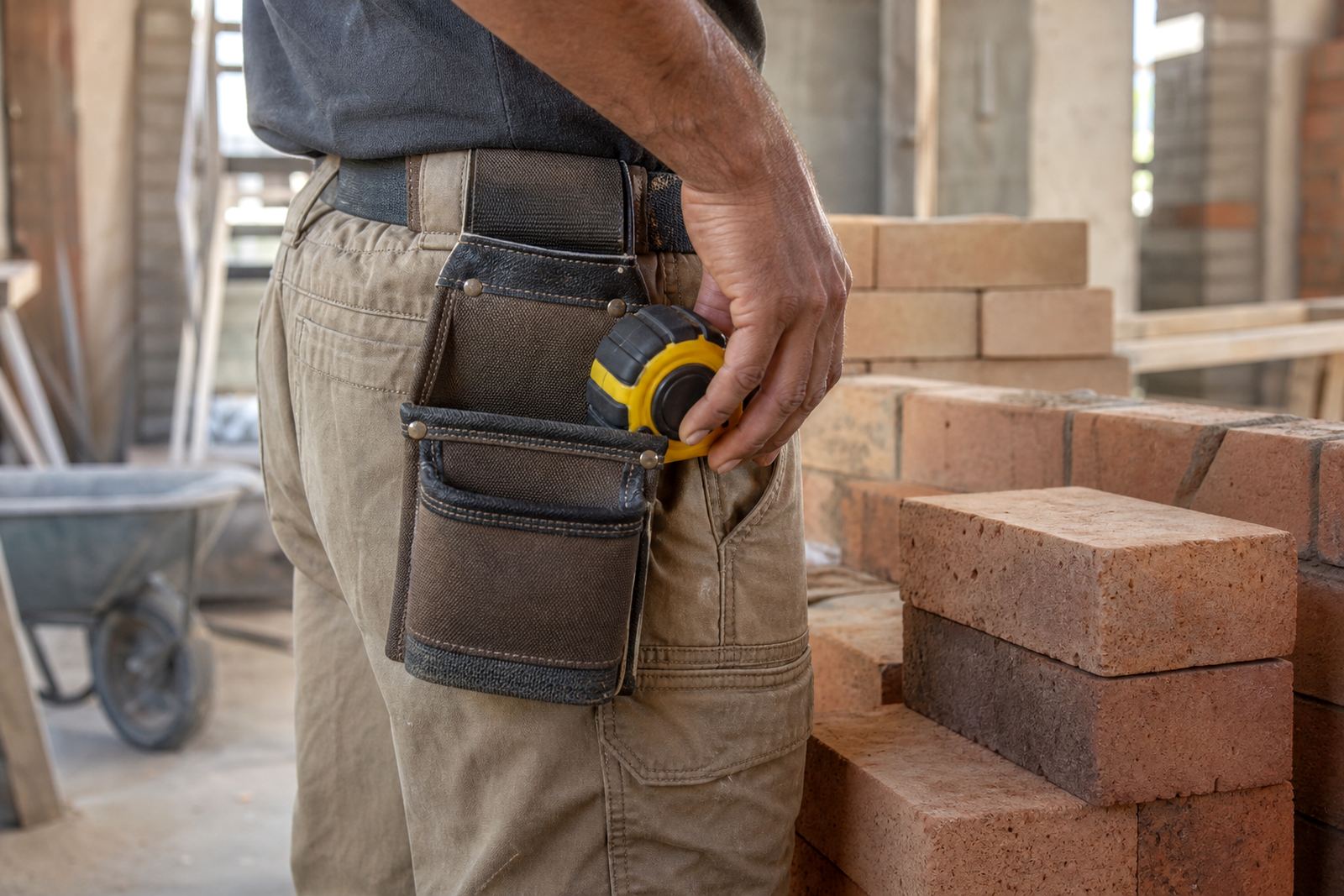
The bag is designed to work with a utility waist belt, so the first thing to check is how it sits at your hip when loaded. A proper fit keeps the pouch stable and stops it from pulling at the lower back during a long shift. If you already use a belt, measure the width and confirm the pouch loops or attachments suit it. If you are starting from scratch, belt size matching is worth doing properly because an ill-fitting belt can turn a useful pouch into an annoyance.
Comfort matters when you are climbing, kneeling, or leaning over roof trusses. A well-positioned pouch should not foul your tape, hammer holder or side tools. For teams outfitting several workers at once, we can help with mixed trade kits and starter builds so each person gets a setup that works for their task. This is practical on sites with different trades sharing the same supply process.
- Check belt width before ordering
- Make sure the pouch sits clear of other tools
- Choose a load size that suits the worker and the task
Materials, wear points and care between jobs
This fastener bag is made for repeated use, so the important detail is how it handles wear at the base, seams and mouth of the pouch. Fasteners are heavy and sharp, so a bag should hold shape without sagging too much. After a shift, tip out dust, plaster grit and loose offcuts. A quick shake and wipe down goes a long way, especially on sites where cement dust gets into every corner.
If the bag gets wet from rain or coastal humidity, dry it before storing it in a closed toolbox or storeroom. Do not leave metal fasteners sitting in damp pockets for long periods, because rust sets in fast. Check stitching, loops and rivets from time to time. If a pouch starts to fray at the mouth or the belt anchor begins to loosen, replace it before it fails on site.
- Empty and shake out debris after use
- Dry thoroughly if exposed to rain or damp air
- Inspect seams, loops and base wear regularly
- Store clean and flat when not in use
What to check before placing your order
Before you order, decide what kind of fasteners you will carry most often. Nails, screws, plugs and small hardware all behave differently in a pouch, and the right layout makes a big difference. Check whether you need a single deep pocket, extra divider sections, or a mixed layout for two trades. If your team uses the same belt system across several workers, confirm the belt size and pouch attachment points before you submit the enquiry.
It also helps to note the type of work site, since that affects how much carry capacity you really need. A small maintenance crew in Midrand may want a lighter pouch, while a framing team in Pretoria on a full house build may need a larger layout with firmer support. If you are buying for multiple workers, list the quantities, preferred sizes, and any special handling needs so stock can be matched properly. That saves time and keeps the rollout clean.
- Fastener type and average quantity carried
- Preferred pouch size and pocket layout
- Belt width and existing kit compatibility
- Number of workers needing matching sets
Key facts
| Product type | Framing fastener bag |
|---|---|
| Main use | Bulk nail and screw carry on framing and site work |
| Typical fit | Utility waist belt compatible |
| Capacity style | Compact, standard or high-capacity options |
| Best suited to | Builders, carpenters and electricians |
| Care | Shake out dust, dry after wet use, inspect seams and loops |