
A simple pouch for everyday carry
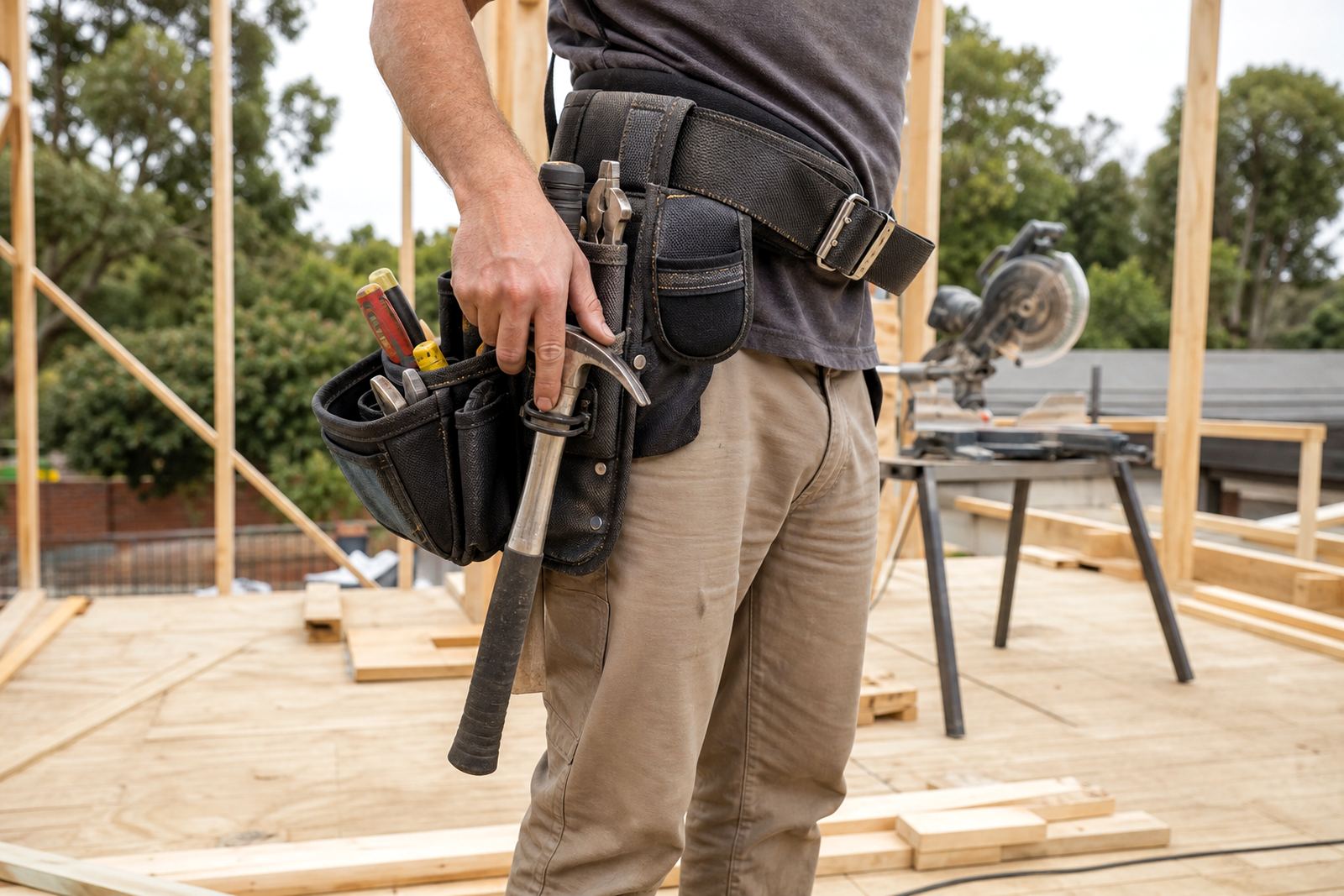
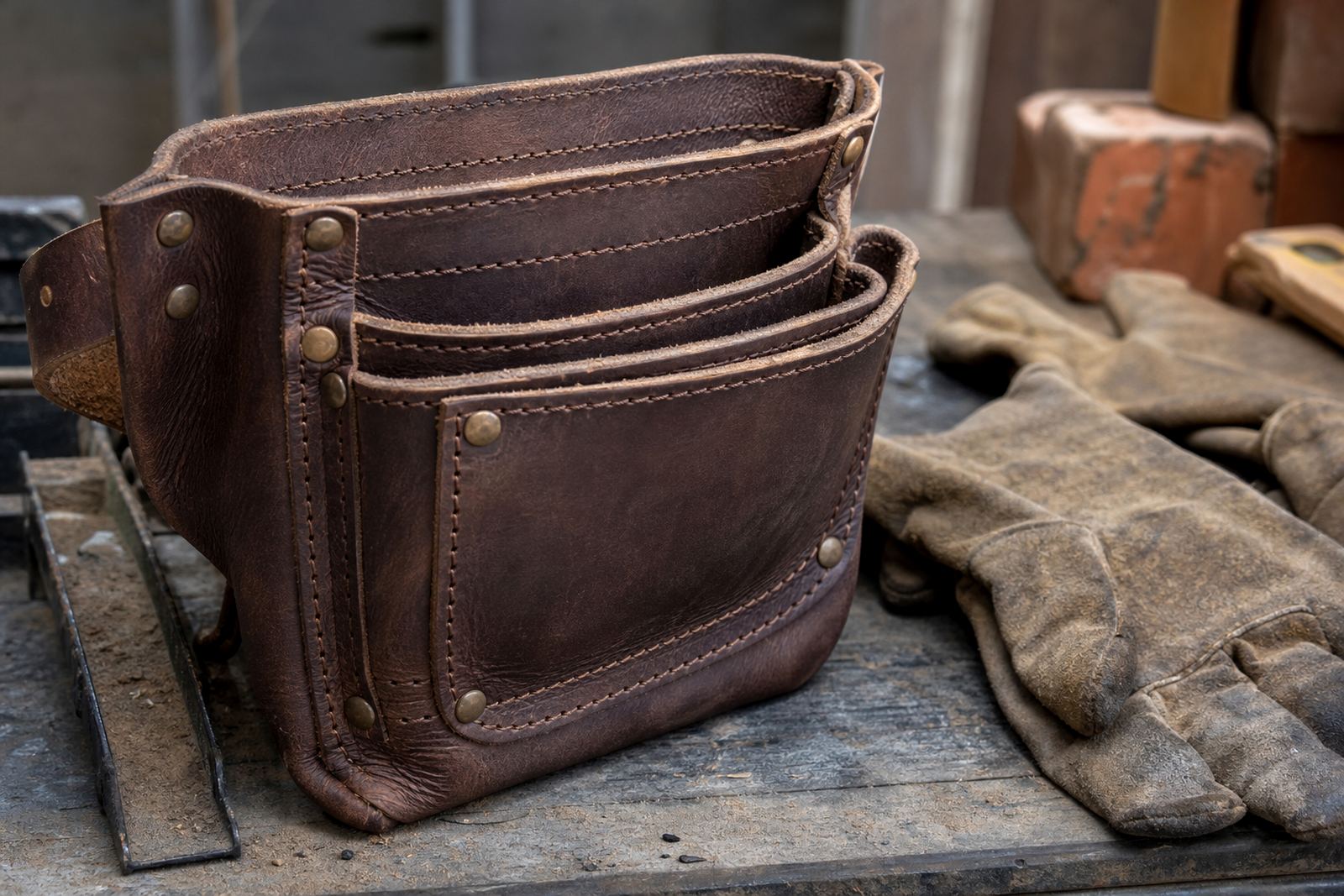
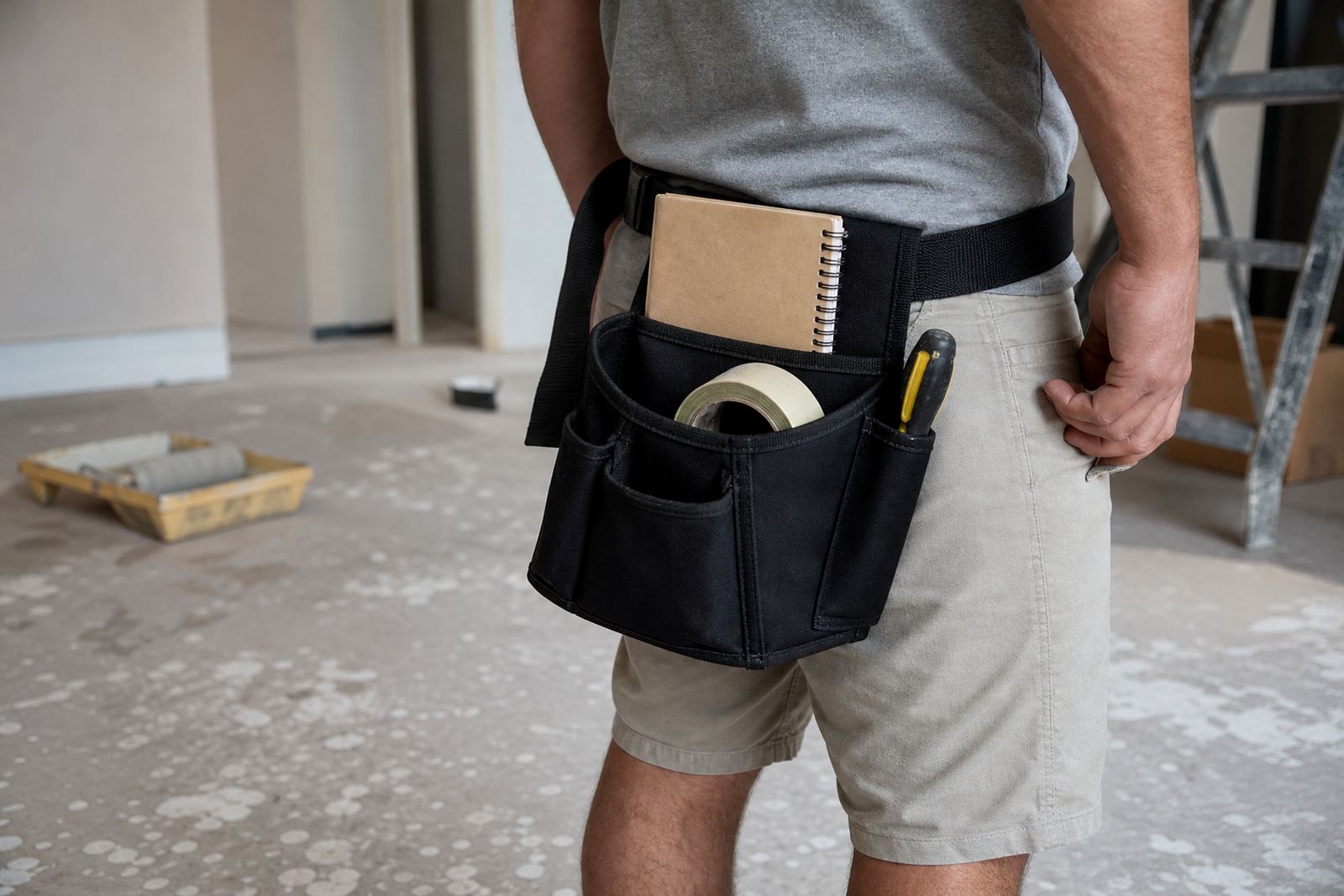
This light duty pouch is suited to occasional use when you only need a small set of tools, fixings or test gear with you. It is a practical option for builders, electricians and maintenance teams who want easy access without carrying a full heavy belt set.
The pouch is shaped for quick reach and neat organisation. It is not meant for large tool loads, but for the jobs where you need a tape, pencil, screwdriver, pliers and a few fasteners close by. That makes it handy for inspections, punch lists and short repair calls across sites in Johannesburg, Pretoria, Durban, Cape Town and Polokwane.
Size options and fitting choices
We supply light duty pouches in compact single-compartment and small multi-pocket styles. Most are fitted to standard utility belts, with belt loops that sit comfortably for all-day wear. Some versions are better for right-handed carry and others are easier to use on the left, depending on your work routine.
- Compact pouch for basic hand tools and fixings
- Small multi-pocket pouch for split items and notes
- Utility belt compatible fit for trade belts
- Low-profile shape for easier movement in tight spaces
When you are working on housing sites, commercial units or retail maintenance, a smaller pouch can be more practical than a larger carrier. It stays out of the way when climbing, bending or moving through plant rooms and ceiling access points.
Best suited to inspections and short jobs
The Light Duty Pouch suits tasks where the job list is short and the tools needed are limited. It works well for inspection rounds, quick servicing, snagging work and light installation support. For many teams it becomes the default pouch for day shifts, especially when the full kit is left in the van or toolbox.
- Electrical checks and minor maintenance work
- Builder site walk-throughs and mark-up work
- Short-term access jobs on occupied properties
- Trade support on smaller call-outs and repairs
It is also useful for supervisors and team leads who need a few essentials close by while moving between work areas. On busy sites, that can save time and reduce the need to keep walking back to the vehicle or supply point.
Installation, belt use and job setup
There is no installation in the fixed sense, but correct belt setup matters. The pouch should sit at a height that lets you reach in easily without pulling the belt down or twisting your body. If the belt is too loose the pouch swings, and if it is too tight the load becomes uncomfortable during long shifts.
For electricians carrying small testers or insulated hand tools, the pouch should be checked against the belt width before ordering. Builders often prefer a slightly wider opening for fast access to screws, nails and marking tools. We can also help with belt size matching for team orders, which is useful when different staff members have different waist sizes and gear needs.
Power and gas needs are not part of the pouch itself, but the work around it often is. If you carry metres, torches, gas cartridge tools or site verification items, make sure the pouch has enough room and secure compartments so items do not knock against each other while you move.
Care in dusty, coastal and heavy-use conditions
These pouches are built for trade use, but regular care extends service life. Brush out dust, cement powder and sawdust after use, and wipe the pouch with a damp cloth when needed. On coastal sites, salt air and humidity can affect metal fittings and fasteners, so it helps to dry the pouch after rain or washing.
- Empty loose screws and debris after each shift
- Check stitching and belt loops weekly
- Keep wet tools separate from dry paperwork or test gear
- Store the pouch in a dry place, not under open vehicle canopies overnight
If the pouch gets used on rough masonry, steel or timber edges, look out for frayed seams and worn corners. Catching that early is better than waiting for a pocket to fail on site.
What to check before ordering
Before placing an order, confirm what the pouch needs to carry, how many pockets you want and whether it must work with an existing belt. A small pouch may be enough for one person, while a mixed team may need different layouts for builders and electricians. It helps to know if the pouch will be used with gloves, as gloved hands need slightly wider openings for quick access.
- Tool list and carry volume
- Belt width and waist size
- Left or right side carry preference
- Whether the pouch must suit site inspections or daily work
- Any added needs for clips, dividers or secure closures
If you are ordering for a contractor team, we can help with bulk team orders, starter kit builds and delivery planning. That is useful when you need stock spread across Alberton, Midrand, Centurion or further afield and want a simple repeat order later on.
Key facts
| Product type | Light duty trade pouch |
|---|---|
| Use case | Short maintenance tasks, inspections and light carry needs |
| Carry style | Utility belt compatible |
| Typical users | Builders, electricians and maintenance teams |
| Material focus | Durable trade-grade fabric with reinforced stitching |
| Supply coverage | Alberton, Johannesburg, Pretoria, Durban, Cape Town and Polokwane |