What the Right Hand Tool Rig is built for
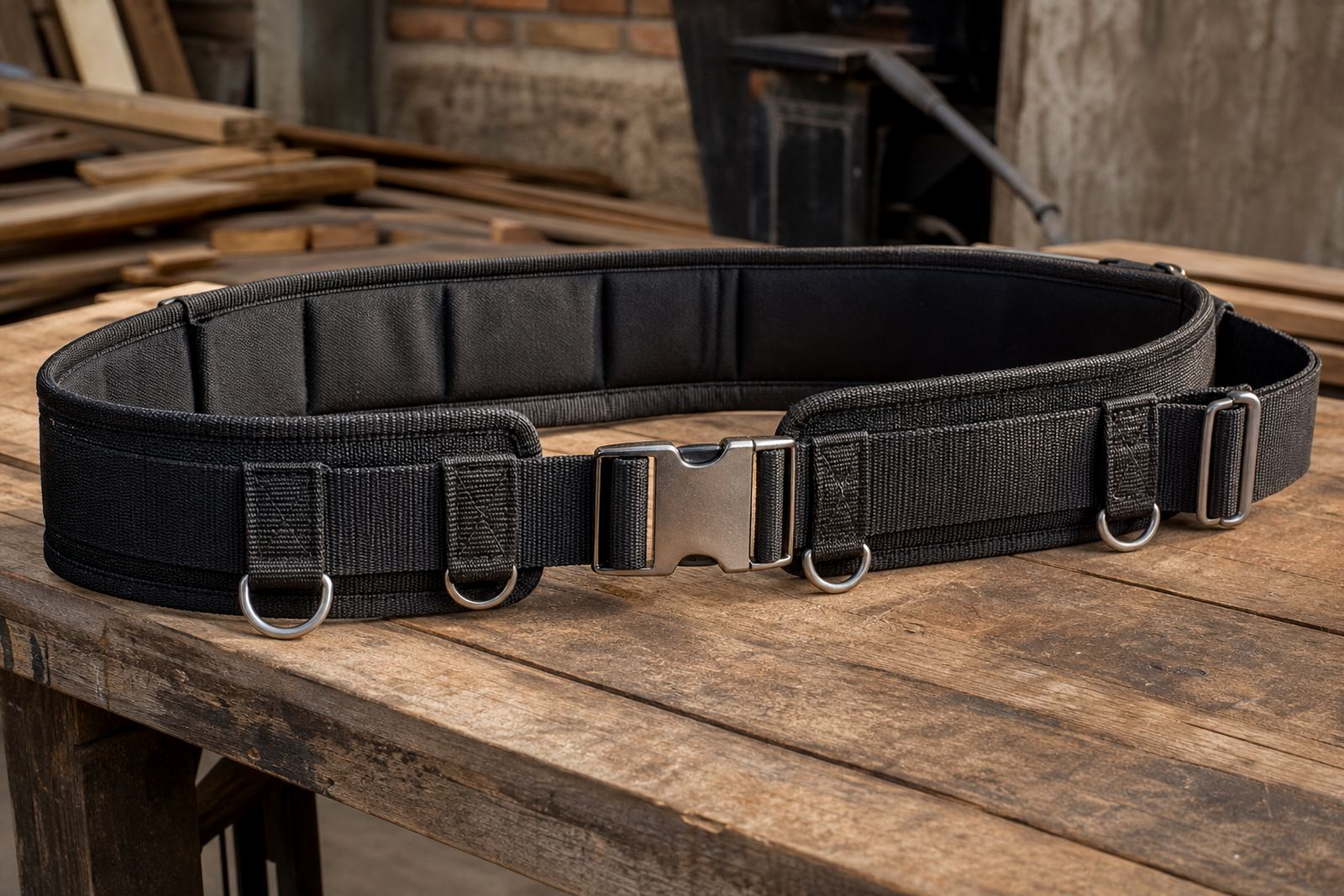
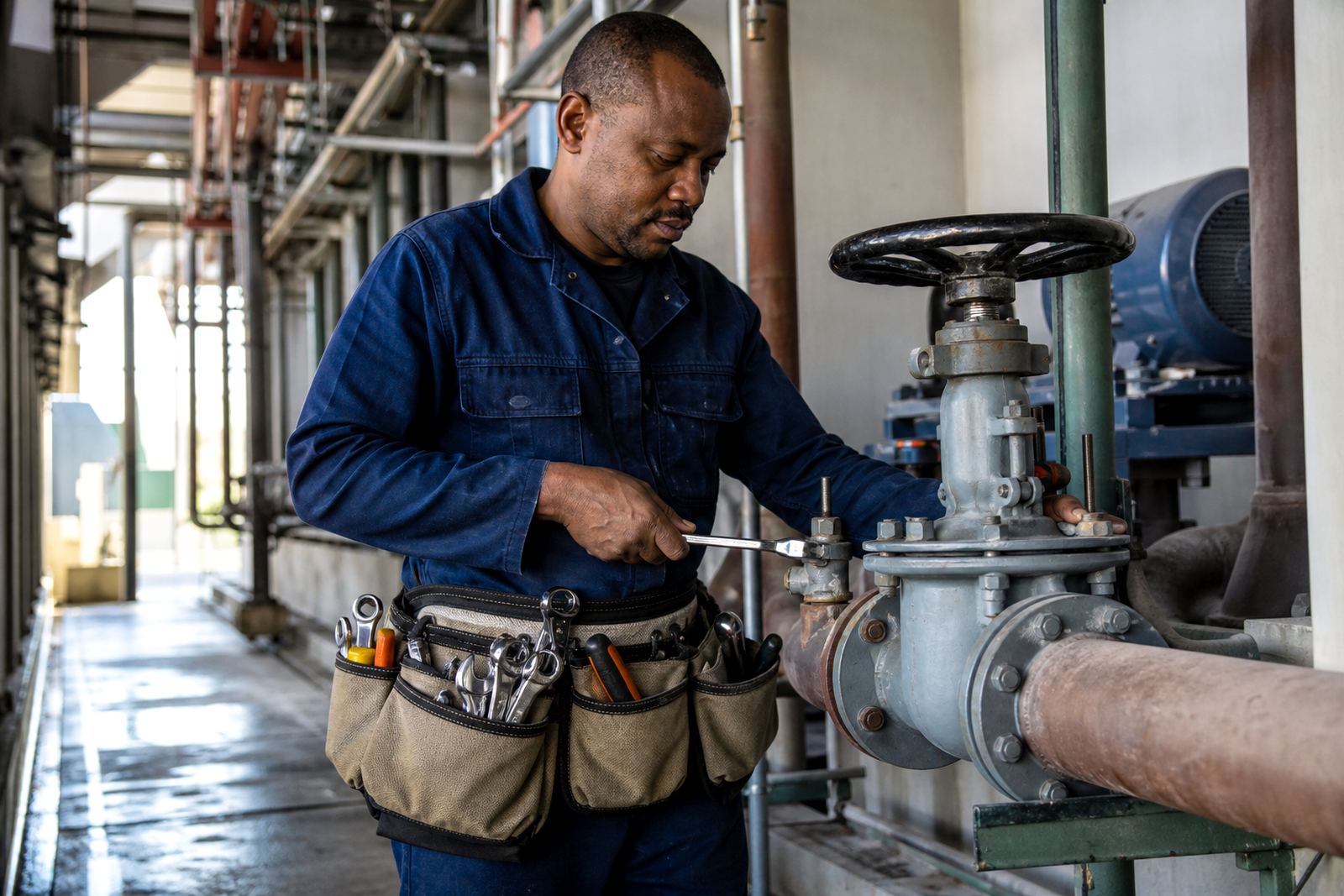
This rig is a belt-mounted tool carry setup with the main access pockets positioned for right-handed use. It suits electricians, builders, maintenance teams and contractors who need fast reach for hand tools, fixings and small consumables without carrying a bulky bag from point to point. The layout helps keep frequently used items in one place, so you can work from scaffold, ladders, ceilings and floor level with less fumbling.
Made for South African site conditions, the rig is useful in hot inland weather, coastal humidity and dusty construction areas. It is practical for daily use in Alberton, Johannesburg, Pretoria, Durban, Cape Town and Polokwane, where crews often move between rough work areas, transport vehicles and delivery points. The belt style also leaves the upper body freer than a shoulder carry, which matters when you are bending, climbing or carrying materials.
Pocket layout and size choices
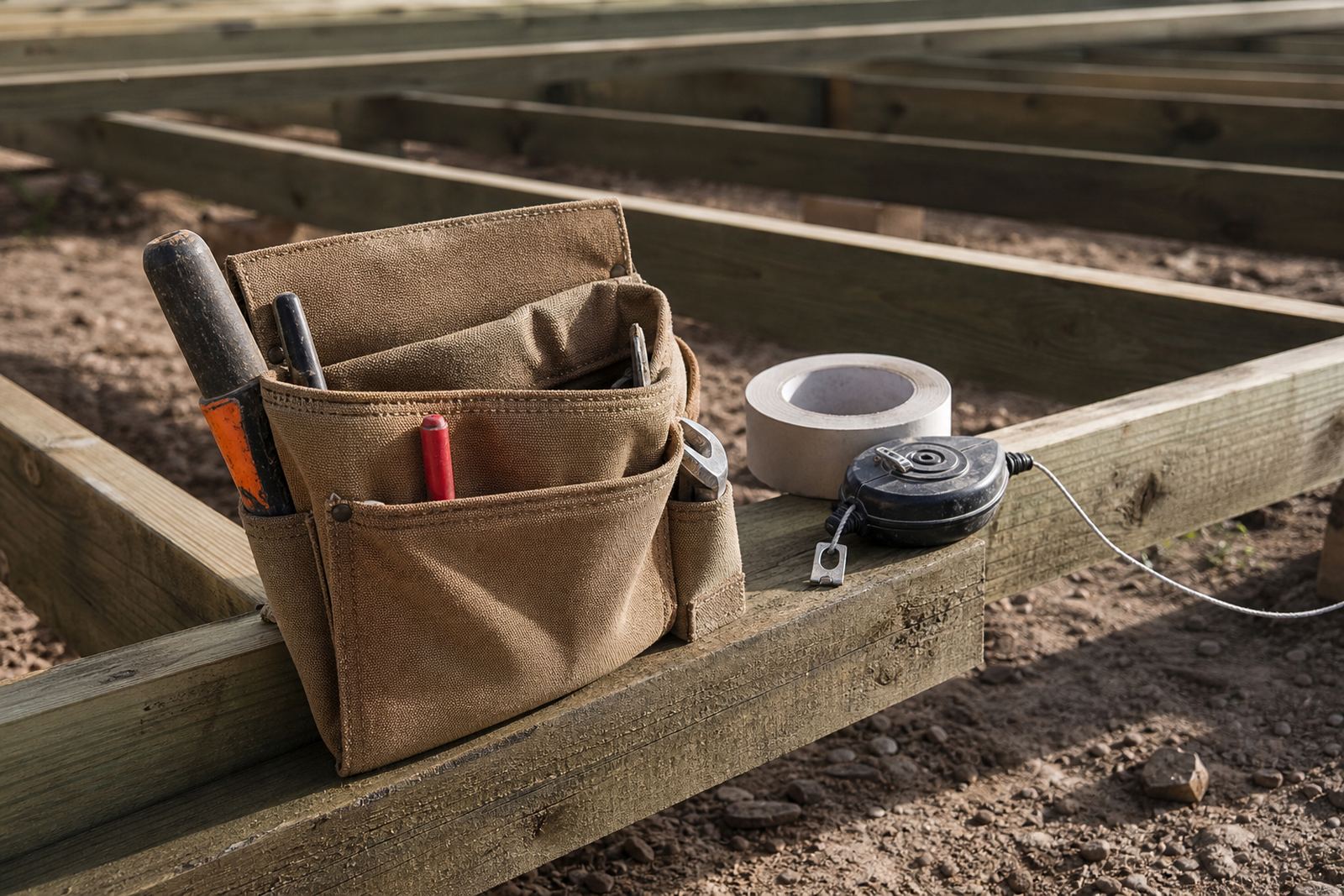
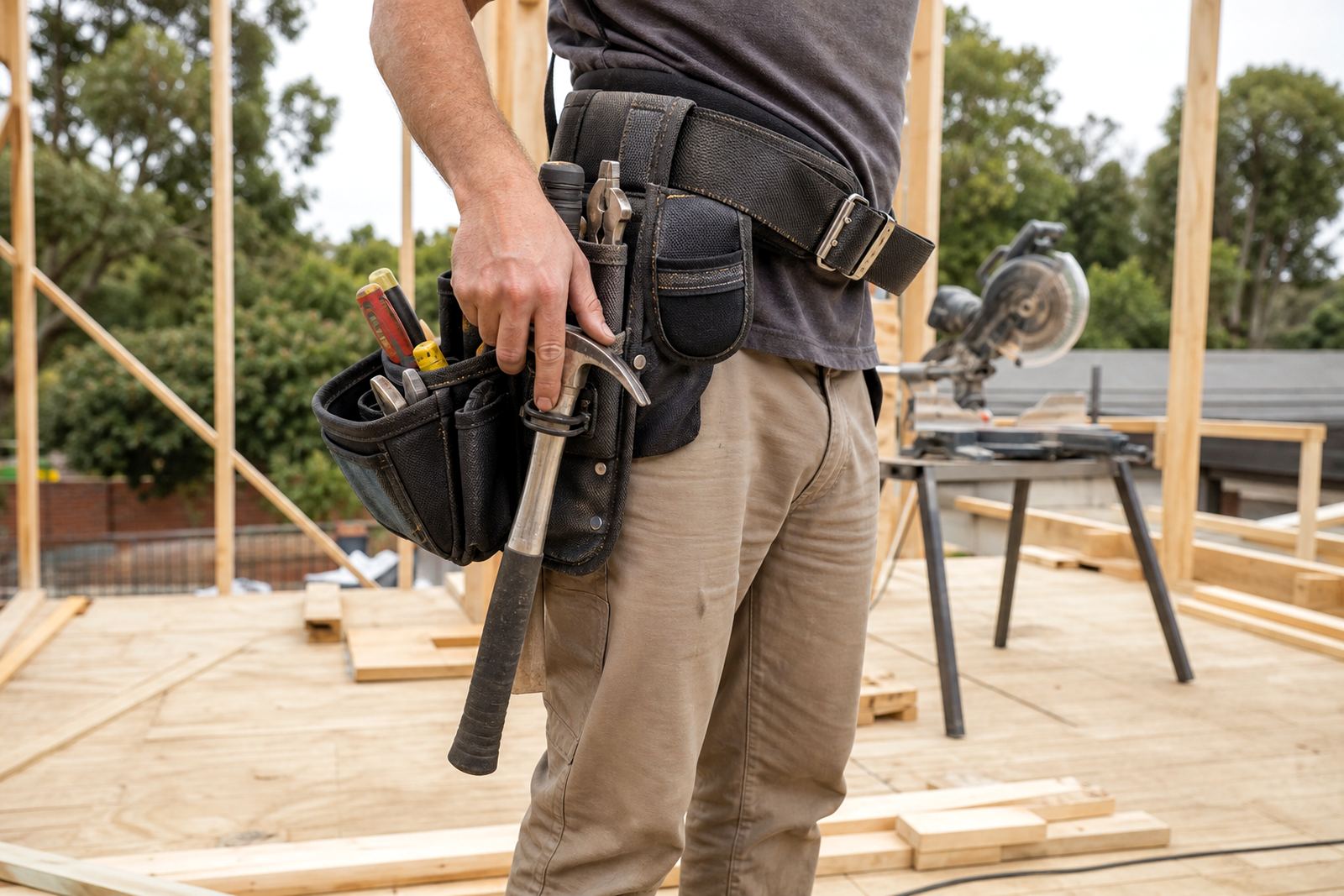
The rig is arranged with a right-hand dominant workflow in mind. The primary pocket openings are easy to reach with the right hand, while secondary slots keep smaller items sorted so they do not rattle around. That helps on jobs where you need to pull a screwdriver, pencil, tape measure or pliers in one motion.
Available sizing and layout options are suited to different waist measurements and carrying needs. Some users prefer a compact setup for light service work, while others need a wider rig with more pocket depth for daily construction work. When ordering, it helps to think about what you carry every day and what can stay in the vehicle or kit box.
- Compact option for light-duty service calls and quick repair jobs
- Standard option for general building and electrical work
- Wider belt option for heavier pocket loads and longer shifts
- Choice of pocket count based on tool mix and fixings carried
- Adjustable belt fit for overalls, work trousers or layered winter clothing
Where it suits on site
This product suits builders and electricians who need a reliable carry rig for active work. It is useful for first fix and second fix tasks, snagging, fitting, trimming, marking out and repair work. Teams that move from one unit to the next will find the right-hand layout handy when tools need to be put back quickly and in the same place each time.
It also works well for contractors managing mixed trade teams, because the layout can be matched to the job. For electrical work, it can be set up for insulated hand tools, testers, markers and connectors. For building work, it can carry tape, nails, screws, a hammer loop and measuring tools. In wetter coastal areas, keeping tools on the belt rather than on the floor can help reduce contact with damp surfaces and grit.
- Electrical fitouts and maintenance work
- Brickwork, carpentry and general building tasks
- Site inspections, repairs and punch list work
- Contractor teams working across multiple properties
Fitting, power and gas checks
The rig itself does not need installation, power or gas connections. It is a wearable item, so the main setup is correct belt fitting and pocket arrangement before use. Start by adjusting the belt so it sits firm on the hips without sliding when you bend. If the rig is too loose it can swing, and if it is too tight it can dig in during a long shift.
On site, make sure the rig does not interfere with harnesses, safety vests or task-specific PPE. For electricians working near live areas or with powered tools, keep the carry setup neat and avoid overloading the belt with unnecessary metal items. Where gas tools are part of the job, keep the rig clear of hot surfaces and store ignition related accessories separately. A tidy layout cuts down on delays when load shedding starts and the team needs to finish hand work quickly before light levels drop.
- Check belt fit over normal work clothing and winter layers
- Keep heavy items balanced across the waist, not all on one side
- Leave space for PPE, harnesses and kneepads where needed
- Separate sharp items from soft goods and paperwork
Care, cleaning and servicing
Regular care keeps the rig in good working order. Brush off cement dust, plaster and sawdust after each shift. If it gets wet from rain or sweat, dry it fully before storing it in a closed van or storeroom. In humid coastal areas, that matters because trapped moisture can make hardware feel sticky and shorten the life of the material if ignored.
Check the stitching, belt buckle and pocket edges often. If a pocket starts to sag or a seam opens, deal with it early rather than waiting for a failure on site. A simple wipe down and inspection routine once a week is usually enough for busy crews. For stock kept on the shelves or in project issue bins, store the rigs flat and out of direct sun to reduce fading and hardening.
- Brush off dust and debris after use
- Wipe with a damp cloth when needed, then air dry
- Inspect seams, clips and buckle points weekly
- Store flat in a dry place away from direct sunlight
What to check before you order
Before placing an order, check the waist size, the type of trade work and the number of tools you carry every day. Think about whether you need deep pockets for fixings, a hammer loop, extra slots for screwdrivers or a simpler layout for service calls. If your team works on mixed jobs, ask for a belt size matching and pouch layout plan so the rig suits the actual site routine.
For bulk orders, it helps to list who will use the rigs and what each role carries. Builders often need a different setup from electricians, and a foreman may need a lighter carry than a site installer. If you are setting up a starter kit or a rollout for several crews, a mixed trade order can be built around the same core belt with small changes to pocket layout. That makes replenishment easier later, especially when you are tracking stock across Johannesburg, Durban or Cape Town projects.
- Confirm waist size and preferred fit over work clothes
- List the tools and fixings carried every day
- Decide if you need a compact or wider pocket arrangement
- Check if the rig must match electrical or building tasks
- Plan for team orders, replacements and future replenishment
Key facts
| Product type | Right hand tool rig with belt mounted pocket layout |
|---|---|
| Hand orientation | Set up for right-handed users |
| Use case | Builders, electricians and contractor crews |
| Sizing | Adjustable belt sizes with compact and standard layout options |
| Materials | Heavy-duty workwear grade fabric with reinforced stitching |
| Care | Brush clean, wipe down and air dry before storage |