What the Utility Waist Belt does on site
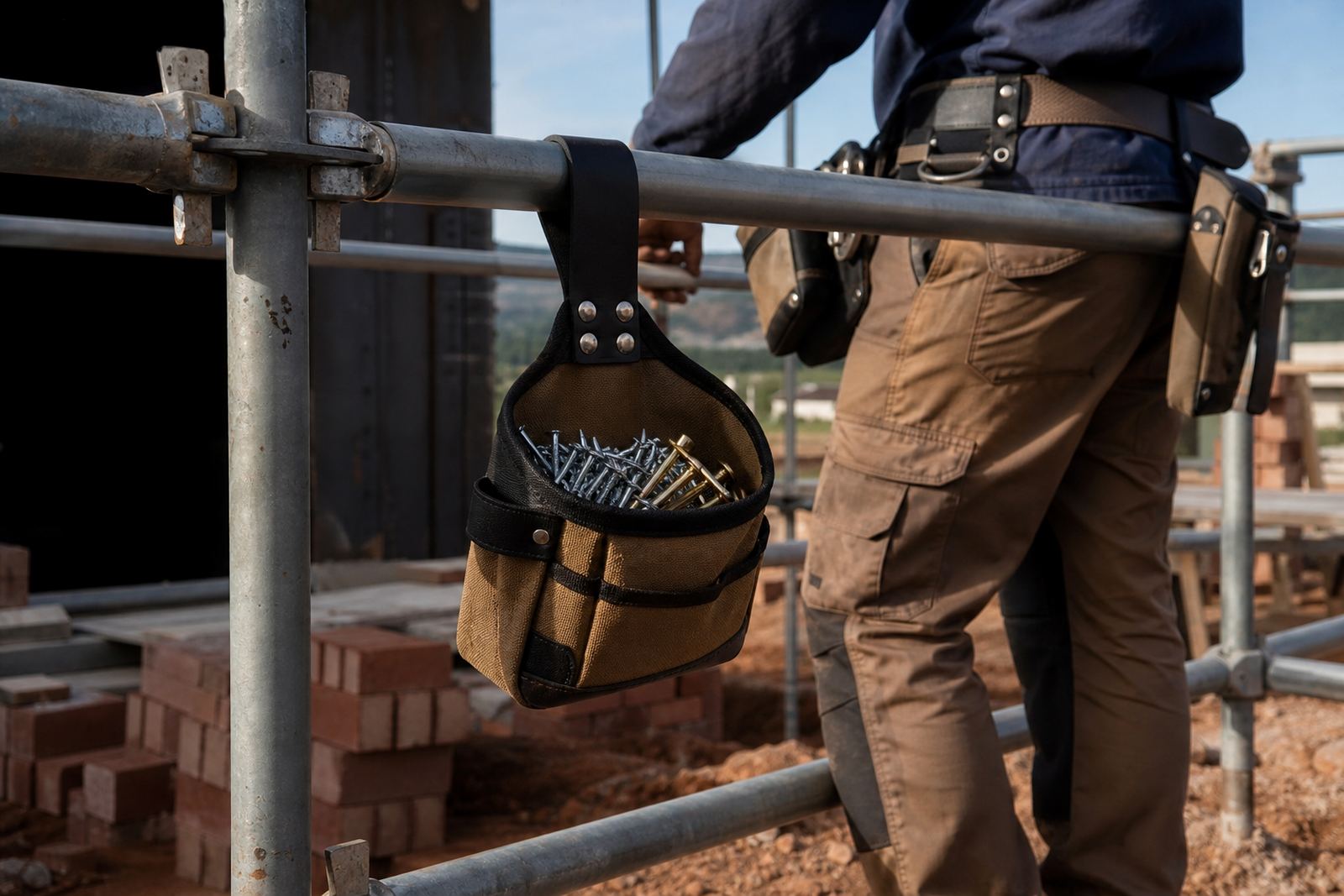
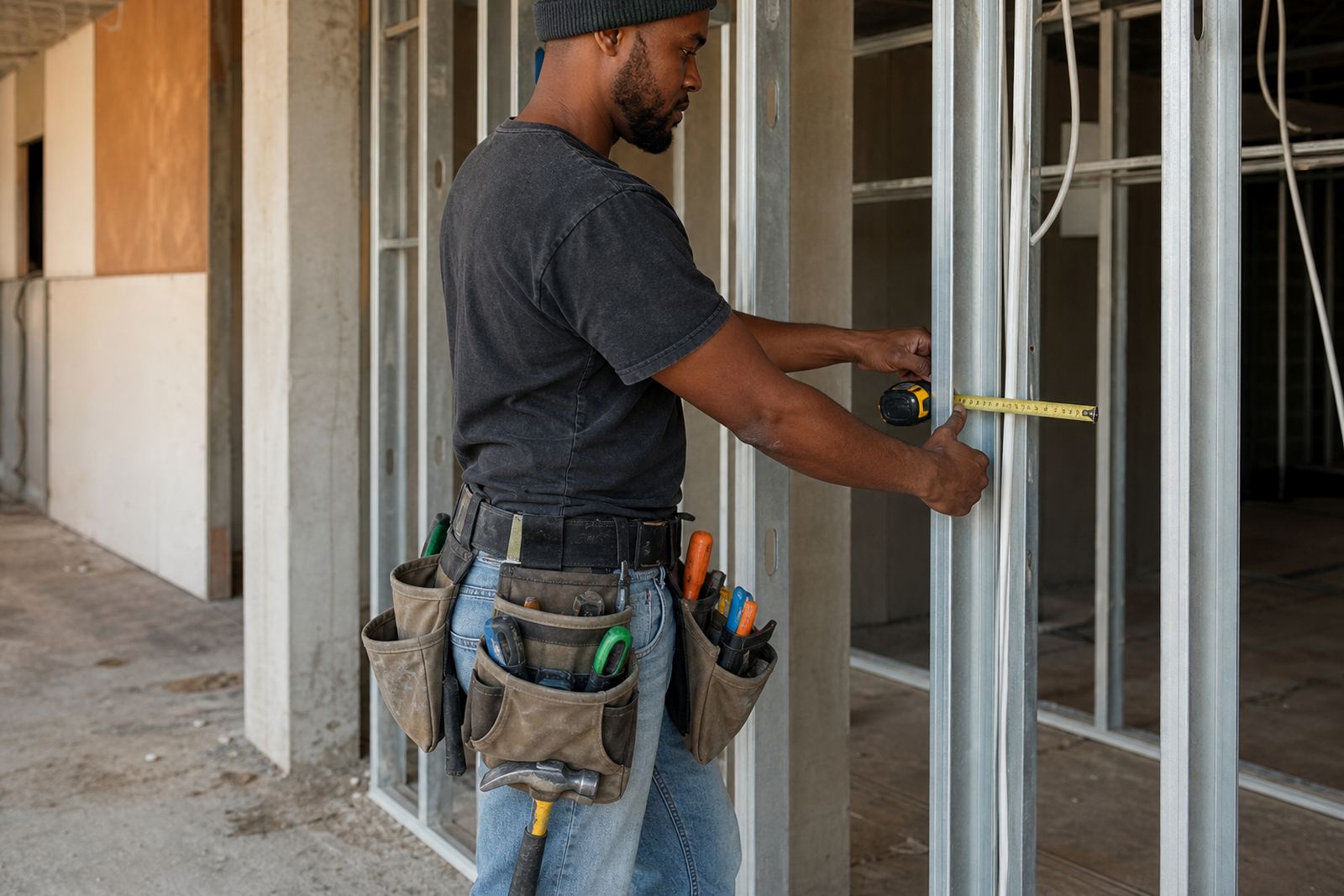
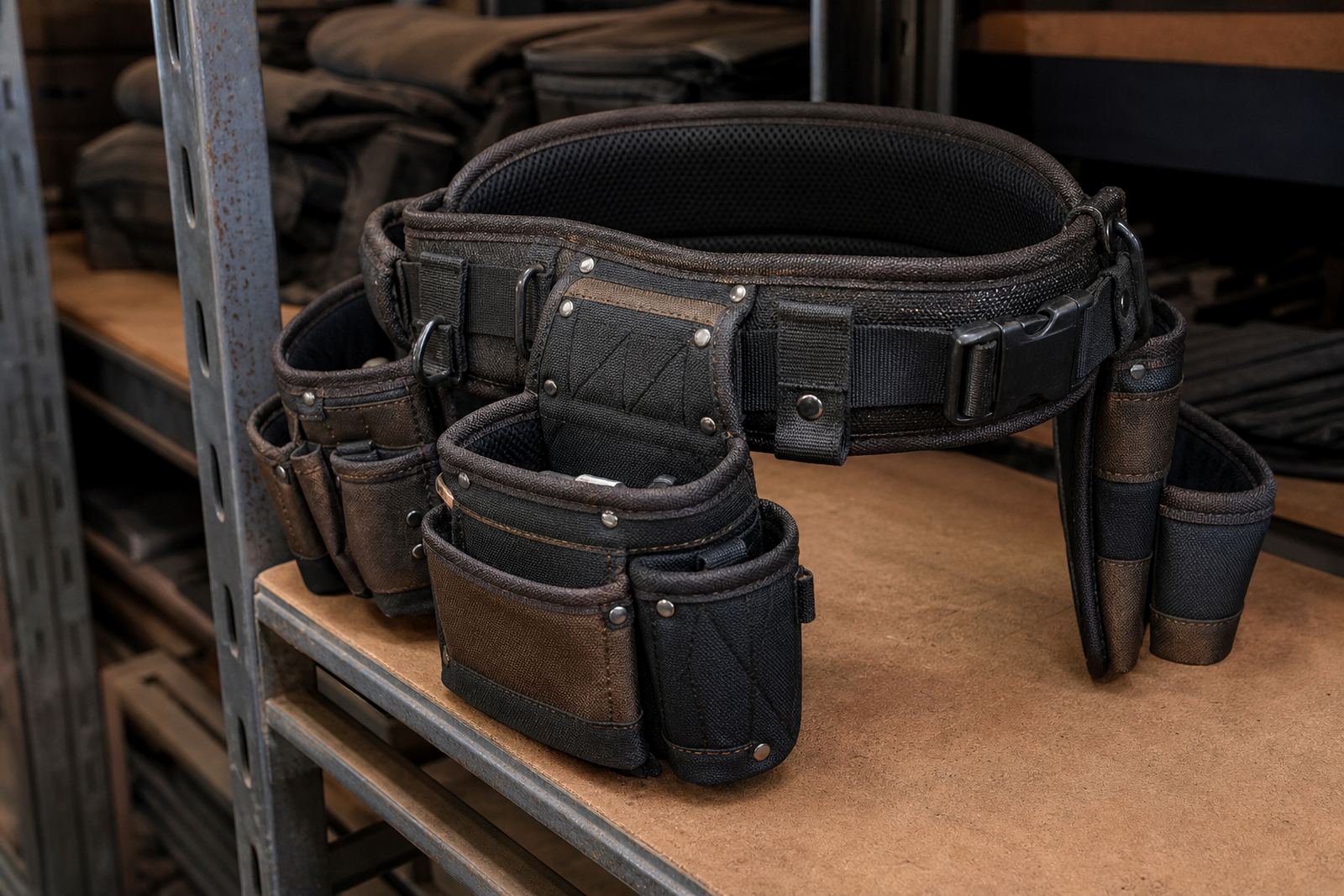
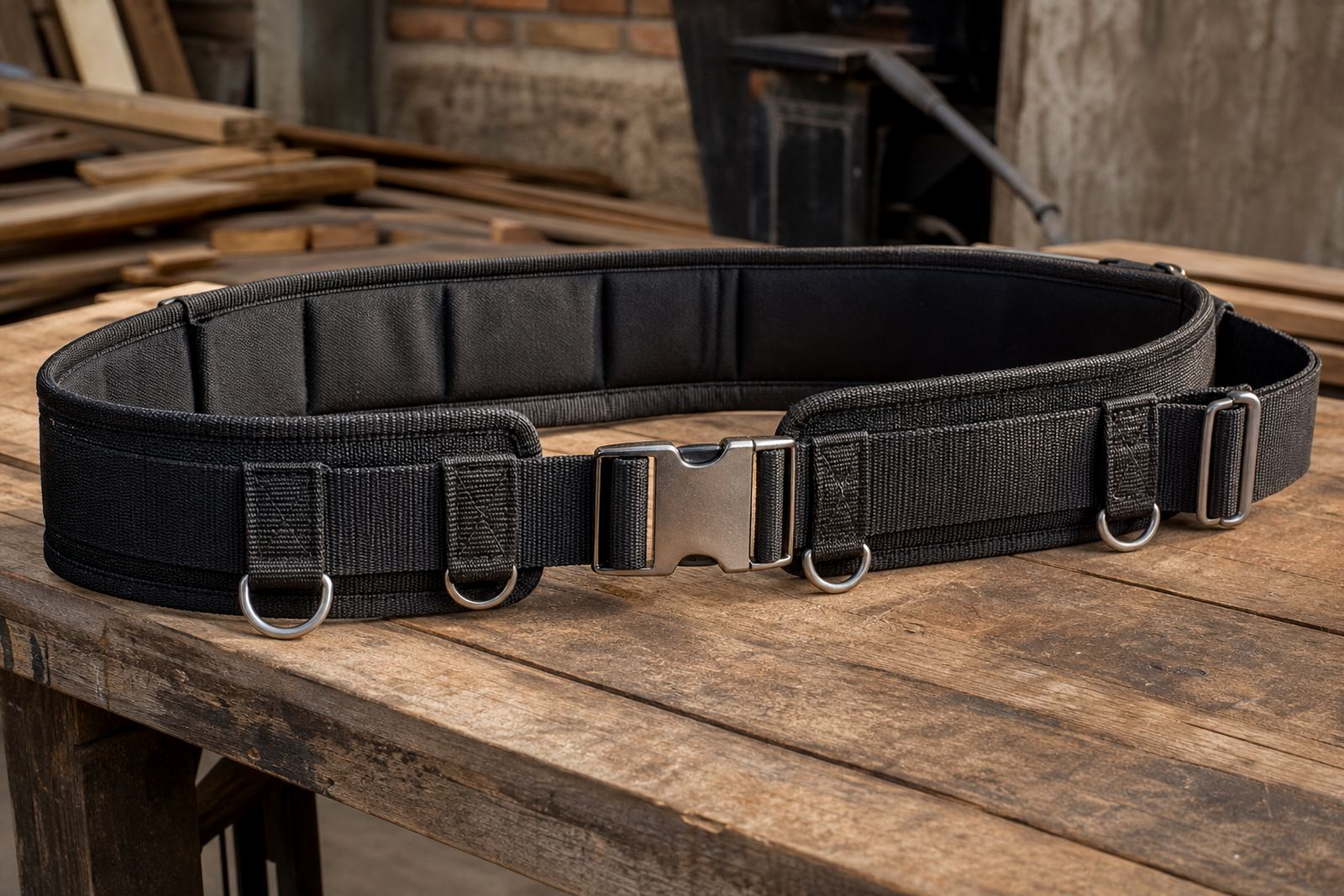
This belt is the starting point for a working pouch setup. It gives tool pouches, nail bags and clip-on holders a firm anchor point so they do not swing, dig in, or slide around while you move between rooms, scaffolding, trenches, and service areas. For builders, it keeps fasteners, tape, markers and small hand tools within easy reach. For electricians, it works well with insulated hand tools, test leads, cable ties and fixings.
On busy jobs in Alberton, Johannesburg or Pretoria, a good belt can save time on every callout. It also helps during load-shedding work where you may be carrying a torch, metre and a few essential tools, then climbing ladders or moving through tight ceiling spaces. The belt is also useful on coastal work in Durban or Cape Town where you want your gear organised and off damp surfaces.
- Provides a stable base for pouches and accessories
- Helps distribute weight across the waist and hips
- Suitable for builders, electricians, maintenance teams and contractors
- Works with mixed trade kits and project rollout supply
Sizes, fit and comfort choices
Utility waist belts are usually chosen by waist size and how much equipment you plan to carry. A belt that is too loose will shift as you bend and climb, while one that is too tight can press into the stomach after a long day. We recommend matching the belt to the main user and the pouch layout before placing a bulk order. If the team includes varied body sizes, it is often better to split sizes rather than force one fit for everyone, especially on long municipal or contractor shifts.
Look at the amount of padding, the buckle style and whether the belt can be adjusted for a jacket, winter overalls, or a lighter summer shirt. In Gauteng, where crews may work early mornings and hot afternoons in the same week, adjustability matters. If the belt will be used with heavier pouches, check that the fastening holds its shape and does not loosen after repeated movement.
- Size options for individual users or team issue
- Adjustable fit for light or heavy pouch loads
- Comfort support for full day site use
- Works with standard trade pouches and belt clips
Best uses for builders, sparkies and maintenance crews
This belt suits trades where tools must stay accessible and secure while moving around a site. Builders often use it for nails, screws, pencils, measuring tape and a compact hammer loop. Electricians use it for pliers, screwdrivers, cutters, cable ties, insulation tape and small fittings. It is also handy for maintenance crews working in schools, estates, factories and retail sites where carrying a full box is not practical.
For new builds, fit-outs and repairs, the belt is a practical base for a starter kit. It also suits contractors who need to work from one pouch layout one day and a different layout the next. The same belt can be used for electrical kit configs or builders kit configs, depending on the pouch combination and the task at hand.
- Ideal for construction, electrical and maintenance work
- Useful for project rollout supply and contractor order support
- Good for task-based pouch layouts that change from job to job
- Suitable for indoor and outdoor site conditions
Installation support and site-ready setup
A utility waist belt does not need a complex installation, but the way it is set up matters. Pouches should sit where the hand reaches naturally, with heavier items kept balanced on both sides. If the belt is going to be used with a shoulder harness or suspenders, the attachment points should be checked before issue so the load sits comfortably during bending and climbing. On larger sites, we often suggest testing one complete setup before rolling it out to the full team.
If the job includes power-related work, make sure the belt layout does not interfere with insulated tools, test equipment, or lockout gear. For gas-related maintenance tasks, keep the pouch layout clear enough to avoid snagging when kneeling near valves, pipe runs or appliance points. The aim is simple: keep the belt easy to wear, easy to reach, and free from unnecessary bulk.
- Check pouch position before full team issue
- Balance weight evenly on both sides
- Keep access clear for power and gas related tasks
- Useful for site specific selection and layout planning
Care, cleaning and daily servicing
Keep the belt clean and dry where possible. Dust from brickwork, cement and plaster can work into stitching and buckle points, so a quick wipe after shift helps extend service life. In coastal areas, salt air can add extra wear, so it is worth checking metal parts and fasteners regularly. If the belt gets wet, dry it fully before storing it with the rest of the kit. Leaving damp gear in a closed van or storeroom can lead to odours and premature wear.
Check the belt for frayed edges, stretched webbing or damage around the buckle and loops. If the team uses the belt every day, include it in your normal stock replenishment plans and replace worn items before they become a problem. That small habit saves time on site and avoids last-minute scramble when a worker arrives without the right support kit.
- Wipe off dust, cement and grime after use
- Dry fully after rain or washdown
- Inspect stitching, buckle points and loops regularly
- Replace worn belts as part of routine servicing
What to check before you order
Before placing an order, check how many pouches the belt needs to carry, who will wear it, and whether the team wants a light setup or a heavier trade load. It is also worth confirming waist size ranges, preferred fastening style, and whether the belt must work with existing pouches already in use on site. If the order is for a mixed team, ask for a layout plan so the belt and pouch mix suit both builders and electricians without unnecessary overlap.
For large projects in Johannesburg, Pretoria, Durban, Cape Town or Polokwane, it helps to plan for spares and replacements at the same time. This keeps the crew moving if a buckle fails or a belt is lost during a rushed handover. We also recommend confirming delivery timing and any special packaging needs for branch supply or direct site drop. A clear order upfront means fewer changes later, and less downtime for the team.
- Confirm waist size, pouch count and load level
- Match the belt to existing pouches or new kits
- Allow for spare units on larger orders
- Plan delivery around site start dates and rollout schedules
Key facts
| Product type | Utility waist belt for trade pouches |
|---|---|
| Primary use | Builders, electricians and maintenance crews |
| Typical fit | Adjustable for single user or team issue |
| Use environment | Indoor, outdoor and site based work |
| Compatibility | Tool pouches, nail bags and utility accessories |
| Supply areas | Alberton, Johannesburg, Pretoria, Durban, Cape Town, Polokwane, Midrand, Centurion |